

[For Seniors] Fun and Informative! Health Trivia Quiz


How about a quiz that lets you enjoyably learn how the body works and fun health trivia? It’s packed with useful knowledge for everyday life—like colors that help soothe eye fatigue, the ideal amount of time to get sunlight, and sleeping positions that can help prevent thrombosis.
There are also plenty of handy tips to support the bodies and minds of older adults, such as beverages that relax the brain and habits said to be effective for hip joint pain.
Enjoy a fun time with your family and friends while boosting your awareness of health.
- [For Seniors] Fun and Informative! Trivia and Quizzes Introduced
- [Brain Training] Lively Word Quiz for Seniors
- [For Seniors] Lively two-choice trivia quiz. Handy to know and tidbits you'll want to share with others
- [For Seniors] Trivia Multiple-Choice Quiz
- [For Seniors] Fun and Informative Trivia Quiz Collection
- [For Seniors] Guaranteed to Liven Things Up! A Collection of Brain Training Activities That Will Spark Laughter
- [For Seniors] Nostalgic quizzes that bring back memories! Showa-era entertainment and sports questions
- [For Seniors] Fun and Educational True-or-False Quiz
- [For Seniors] Fun Riddles That Stimulate the Brain
- [For Seniors] Today’s recommended quiz. Daily brain-training quiz!
- [For Seniors] Boost Your Knowledge! Fun Trivia Quiz
- [For Seniors] Sports Trivia Quiz & Fun Facts. Easy and Entertaining
- [For Seniors] Recommended Trivia Quizzes & Fun Facts for November
Body Mechanisms and Health Trivia (11–20)
When does “between meals” mean in terms of how to take medicine?
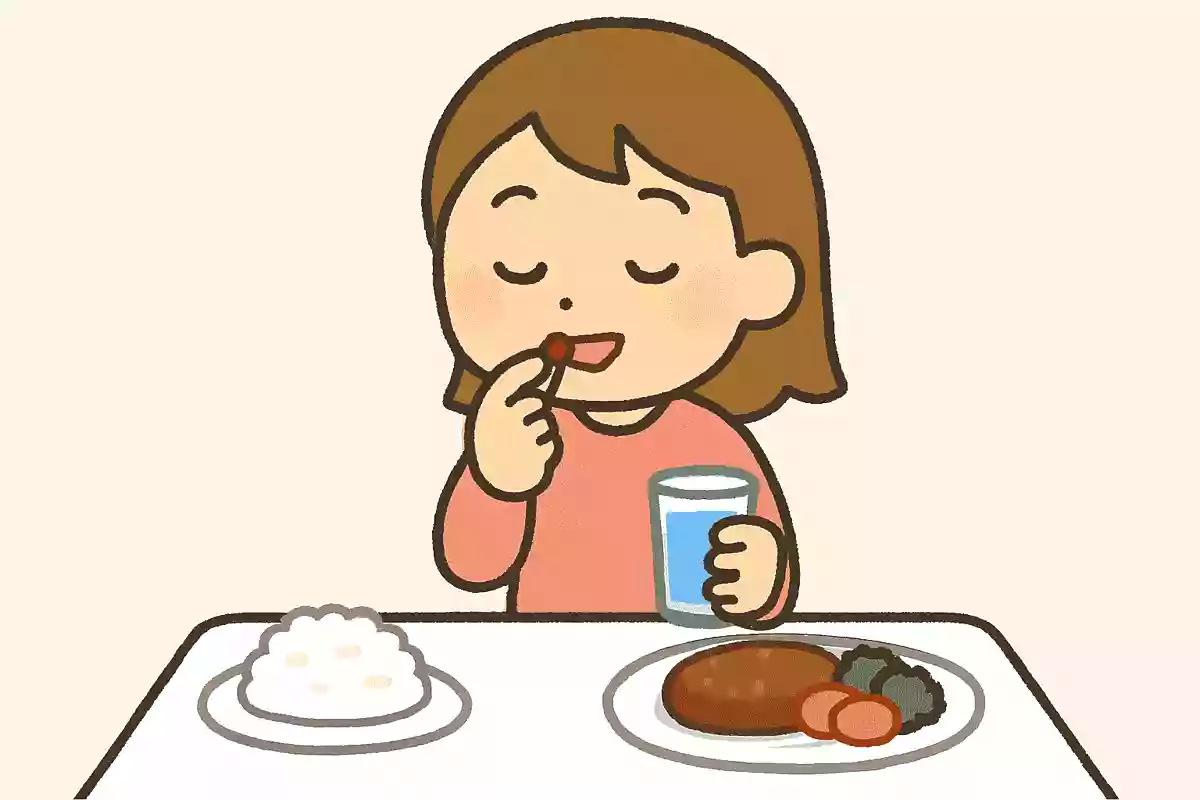
Among older adults, many probably receive medications from the hospital.
Some of you might also have been instructed to take your medicine “between meals.” So, when exactly does “between meals” mean you should take your medicine? Many people think it means during a meal, but that’s incorrect.
The answer is: between one meal and the next—for example, between breakfast and lunch, or between lunch and dinner.
Strictly speaking, the guideline is about 2 to 3 hours after eating.
If you’re an older adult and you’re given medicine with the instruction to take it “between meals,” please be careful to follow this timing.

When you feel a sneeze coming on, you can stop it by using a certain part of your body. How do you use that body part?
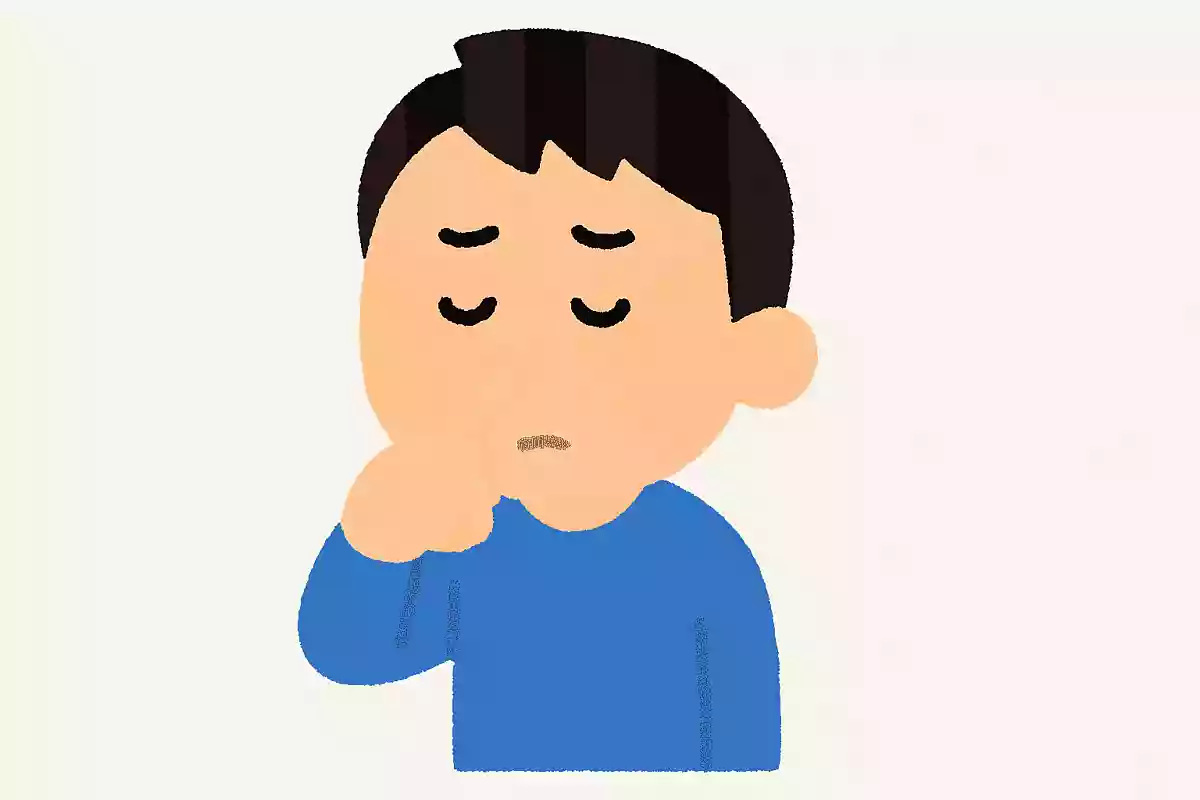
You’re about to sneeze in a quiet place… In times like that, knowing this method could come in handy! The spot is a part of your face—close to your nose, where the sneeze comes from.
The answer is to press under your nose with your finger.
If you say it’s the spot Kato-chan from The Drifters presses when he does “Kato-chan, pe!” older people might get it right away.
That said, it seems that stopping a sneeze isn’t very good for your body, so try using this only when you really have to!
What is the reason your head gets an intense, sharp pain when you eat cold things like ice or ice cream?
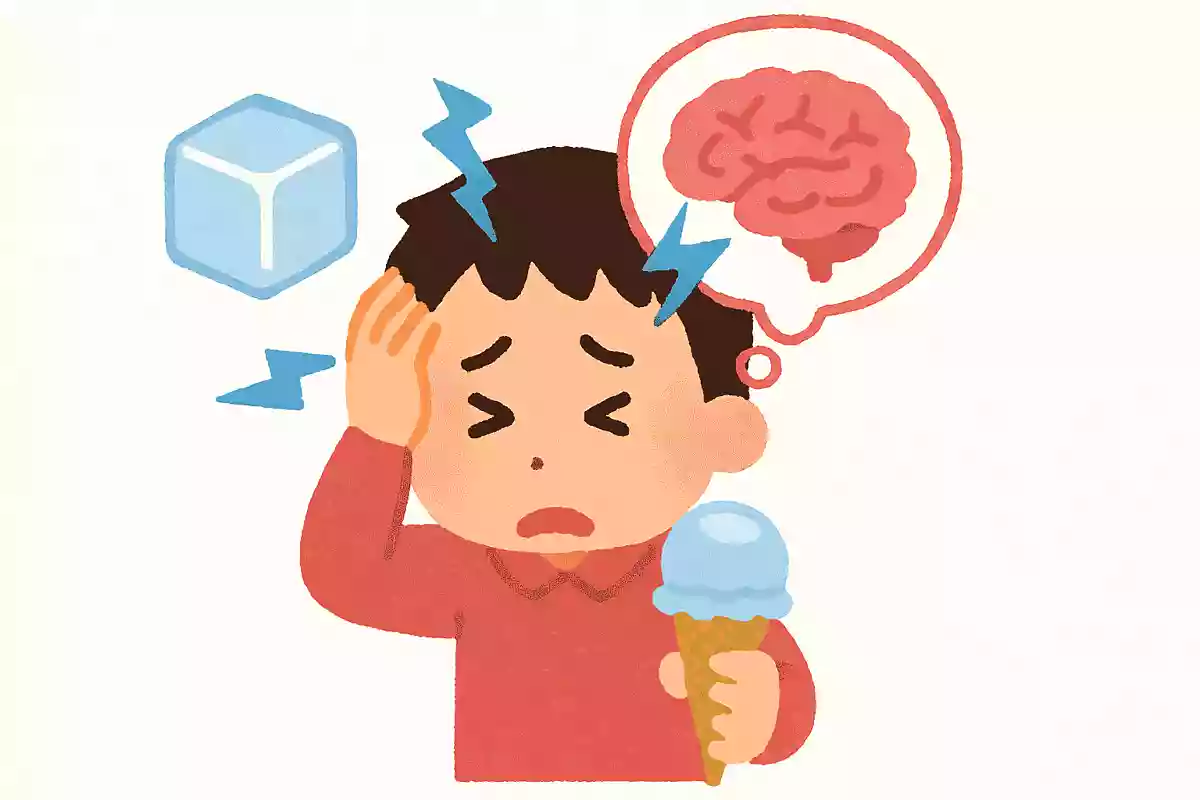
Many older adults have probably experienced that sharp, piercing headache after eating shaved ice or ice cream on a hot summer day.
But why does that happen? It’s puzzling, isn’t it? The short answer is: it’s your brain being fooled! When something cold passes through your throat, the brain mistakes the cold sensation for pain.
This phenomenon even has a name: “ice cream headache.” On hot days you might want to gobble things down to feel the chill quickly, but eating slowly and calmly can help prevent it!
What is the name of the headache you get when eating cold foods like shaved ice, where your head suddenly aches sharply?
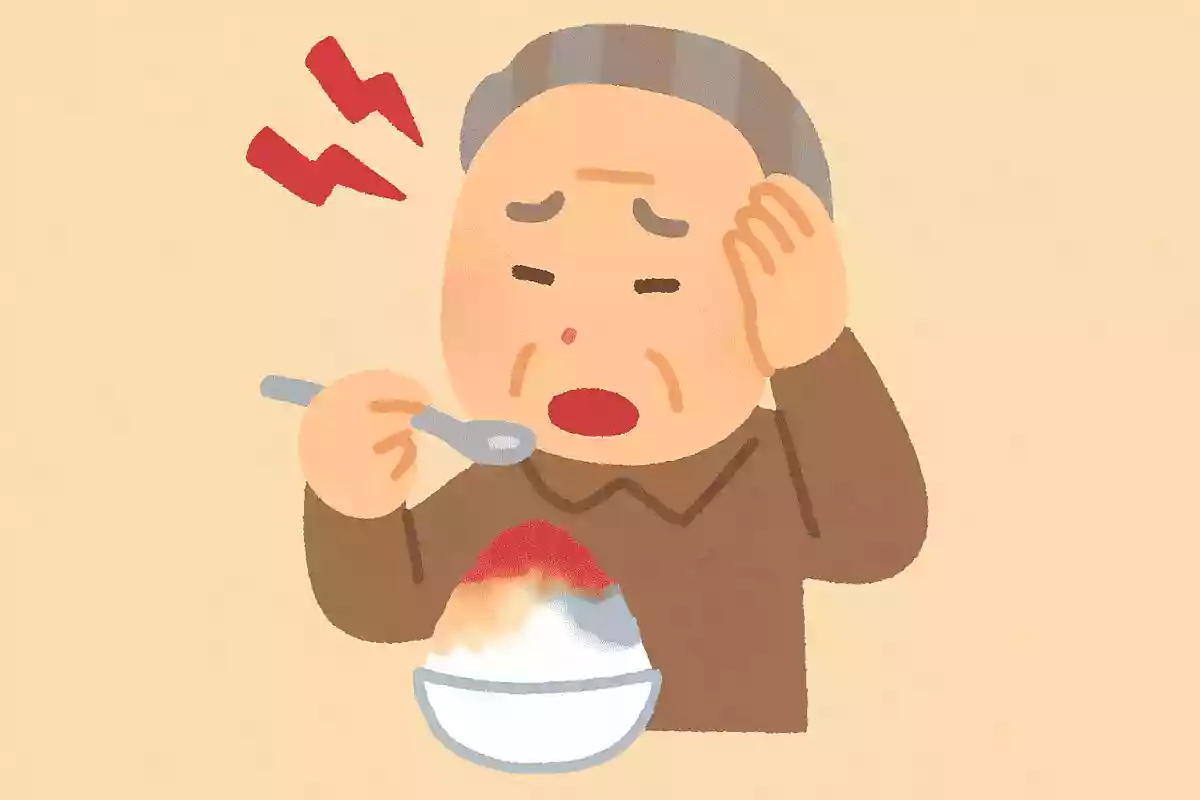
A quiz about relatable topics! Here’s a trivia question: What is the name of the headache you get when your head suddenly aches with a sharp “keen” sensation while eating cold foods like shaved ice? In summer, we often crave chilly treats like shaved ice and ice cream, right? Many people have probably experienced that piercing headache at those times.
It seems that headache is called “ice cream headache.” The mechanism behind this headache is apparently not yet fully understood.
In prehistoric times, very few people got cavities. Why was that?
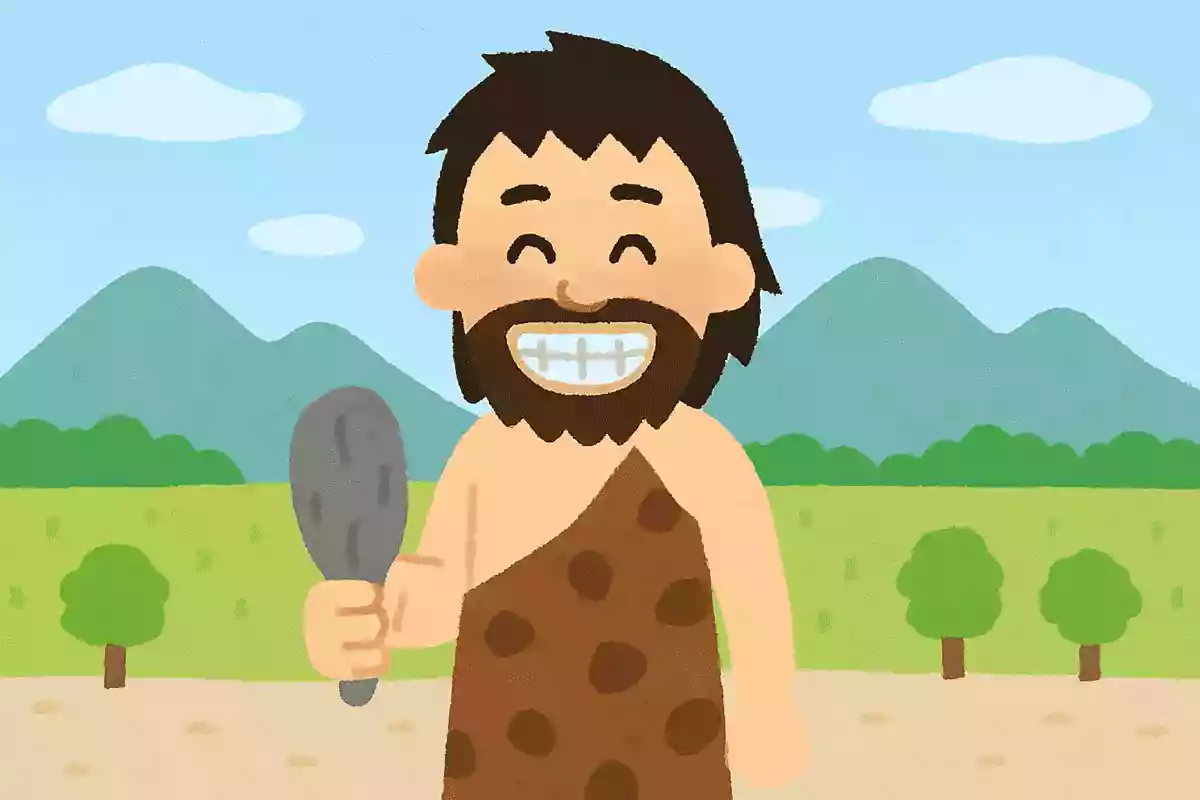
It’s surprising to think that our human ancestors, primitive people, didn’t have cavities, isn’t it? How could that be in a time without toothbrushes or toothpaste? The hint lies in the foods they ate back then.
The answer is that they only had hard foods.
Hard foods naturally increase the number of times you chew, which stimulates plenty of saliva, helping wash away bacteria and the like.
In contrast, in modern times, the increase in soft foods makes it easier for food to get stuck between teeth, and because we chew far fewer times, saliva production has greatly decreased, making us much more prone to cavities.
How many minutes of sunlight exposure is said to help regulate the autonomic nervous system?
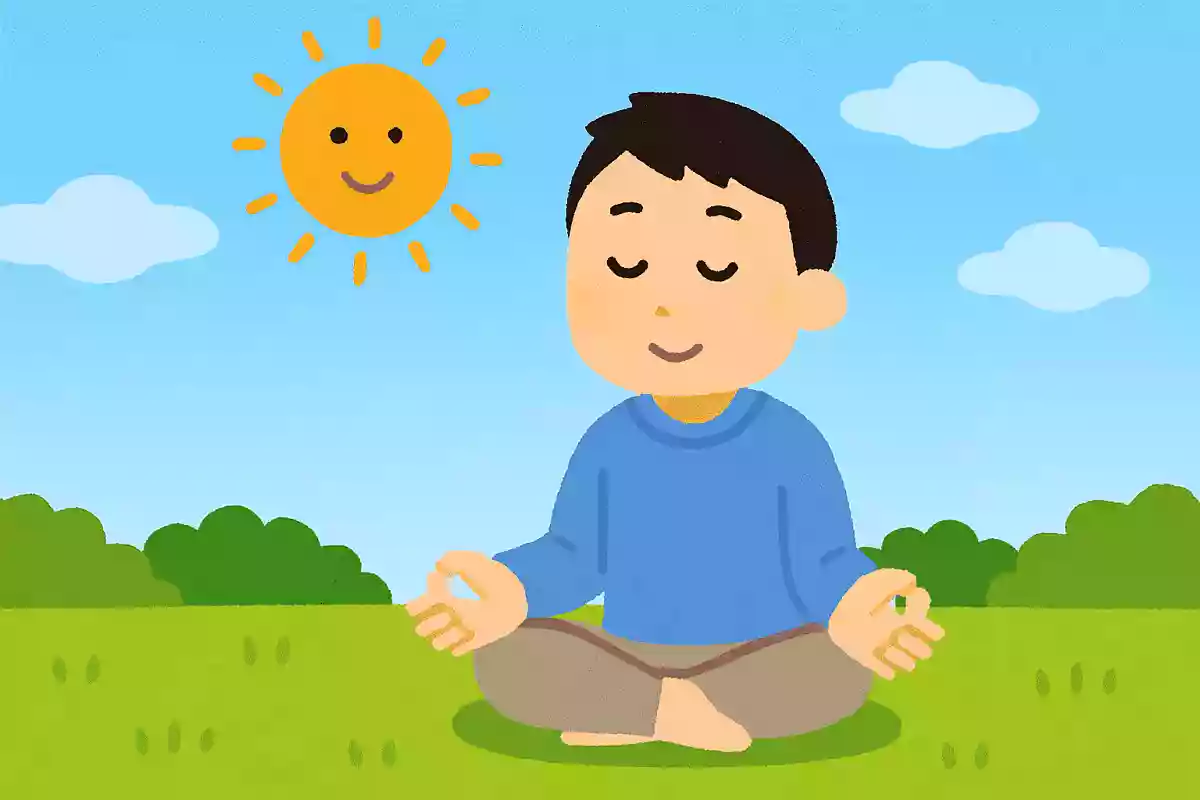
When it comes to health, we tend to think exercise and diet are most important, but even small everyday habits can contribute to well-being.
Among those healthful habits, let’s focus on getting sunlight: how long is said to be ideal for regulating the autonomic nervous system? If you regularly go out during the day, there’s no need to worry, but if you tend to stay indoors, consider this a chance to change your mindset.
The answer is 30 minutes.
Whether that feels long or short to you probably says something about your own habit of going outside.

Trivia of Showa-era Culture and Life (1–10)
From a TV drama in 1958 (Showa 33), the hero ○○ Kamen appeared. This hero, who was popular among children at the time, is which ‘-Kamen’?
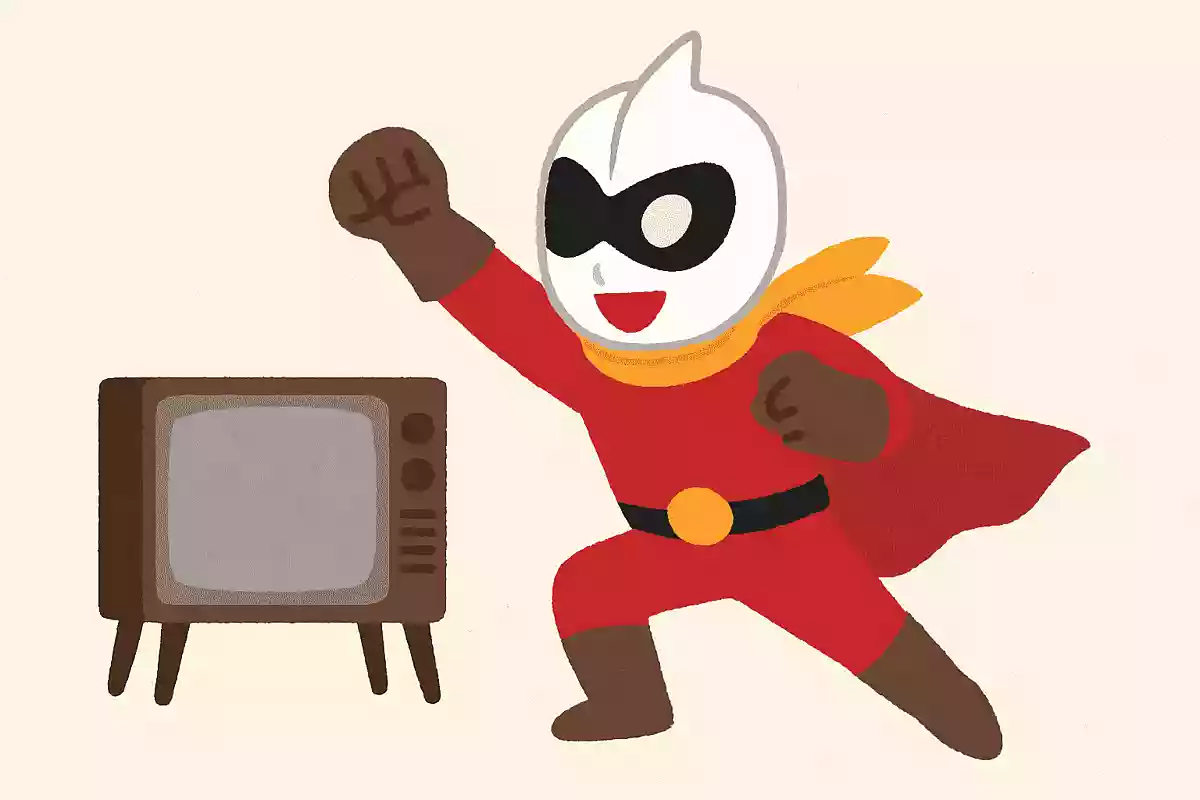
Speaking of heroes born from television dramas in 1958 (Showa 33), it has to be Gekko Kamen, who enjoyed overwhelming popularity among children at the time! Known as the pioneer of Japanese hero shows, its style—combining period-drama elements with detective storytelling—is said to have had a major influence on the hero programs that followed.
Gekko Kamen is a champion of justice who gallantly appears on a white motorcycle and fights evil organizations alongside the police.
It’s said that, inspired by this image, people later began calling police motorcycle units “Gekko Kamen.”
