

[For Seniors] Perfect for Dementia Prevention! Jumbled Kanji Quiz

Quizzes and brain-training activities are often used as recreation in senior care facilities.
Using your brain helps activate it, doesn’t it?
So this time, we’re introducing a Kanji Scramble Quiz.
It’s a game where a single kanji character is broken into parts, and you guess the original character.
Because it uses kanji, it’s easy to try and easy to join in.
As we age, our spatial recognition abilities—such as judging distance, width, and height—tend to decline.
This can lead to issues like bumping into things while walking or getting lost.
The Kanji Scramble Quiz is said to train not only spatial cognition but also memory and visualization skills.
By all means, have fun and give the Kanji Scramble Quiz a try!
- [For Seniors] Challenging but Exciting! Kanji Quiz
- [For Seniors] Fun and Exciting! Difficult Kanji Quiz
- [For Seniors] Kanji Decomposition Quiz: Assemble the scattered characters
- [Brain Training] Lively Word Quiz for Seniors
- [For Seniors] Perfect for Brain Training! Themed Hiragana Fill-in-the-Blank Quiz
- [For Seniors] Brain Training! Recall Quiz Collection!
- [For Seniors] Find daily brain training. Today’s recommended brain workout.
- [For Seniors] Quiz on Kanji with Many Strokes
- Hand games that liven things up for seniors—also great brain training
- [For Seniors] Fun and Lively! Recommended Quiz Questions
- For seniors: Fun, crowd-pleasing word association game ideas
- [Fun Brain Training!] Introducing a quiz on the world’s least-stroke-count kanji
- [For Seniors] Difficult Country Names Kanji Quiz
[For Seniors] Perfect for Dementia Prevention! Jumbled Kanji Quiz (21–30)
“happiness” + “mouth” + “circle” + “old” =
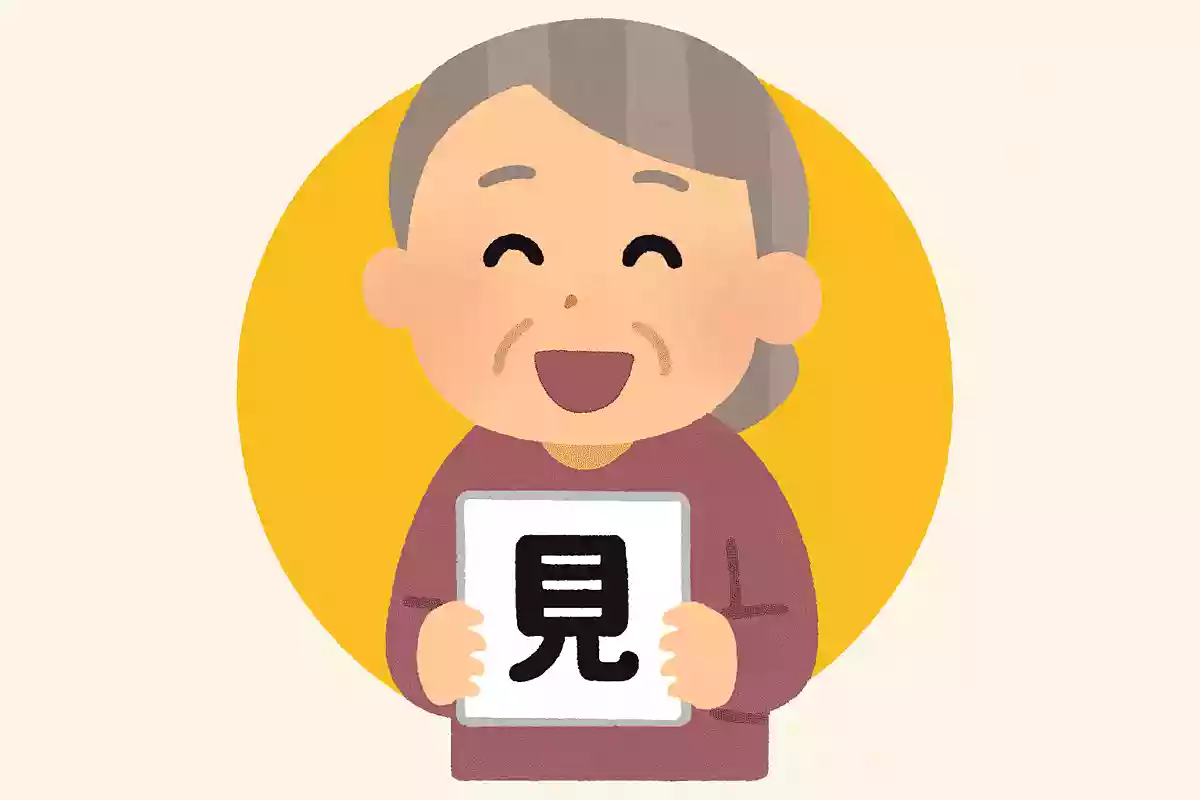
In this puzzle, there aren’t many parts you can immediately point to and say, “That’s the radical!” But if you look more closely, you can see that combining 口 and 古 forms 固.
Then, with the remaining 幸 and 丸, you get 執, making the answer 固執 (koshitsu, meaning “persistence” or “obsession”).
Perhaps not many people thought of using 口 as kunigamae (the enclosure radical).
Also, since 執 isn’t a kanji we use very often, many people may have found it hard to spot.

“Heart” + “Heart” + “Warrior” + “Sun/Day” + “Stand/Rise” =
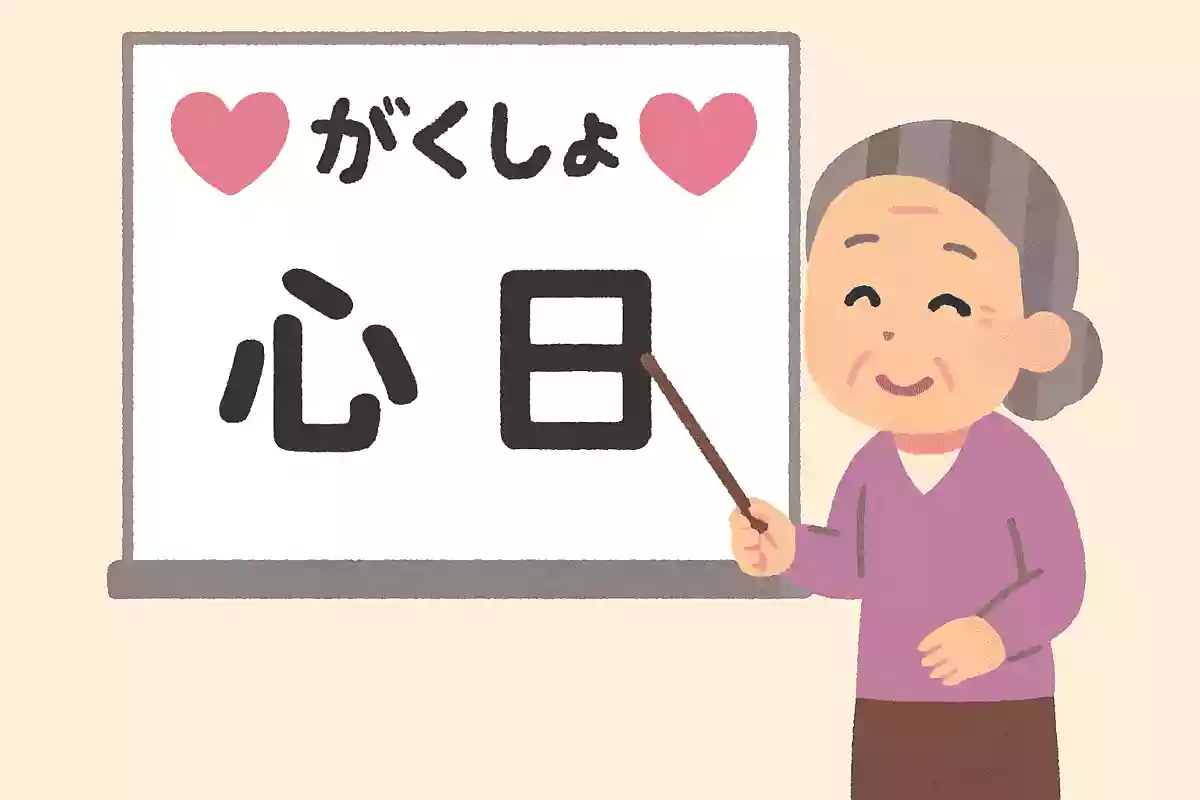
Notice that there are two instances of the component “心” (heart), and try reasoning from there.
それぞれの「心」は別の文字の下に入る可能性が高いので、上にくる部分を探してください。
Combining “士” with “心” gives you “志.” Then, assembling the remaining parts forms “意,” so the answer is “意志” (will).
It may be a bit difficult to start by combining “立” and “日” to make “意.” For complex problems like this, it seems best to begin with the parts that are easier to identify.
“sun/day” + “person” + “gate” =
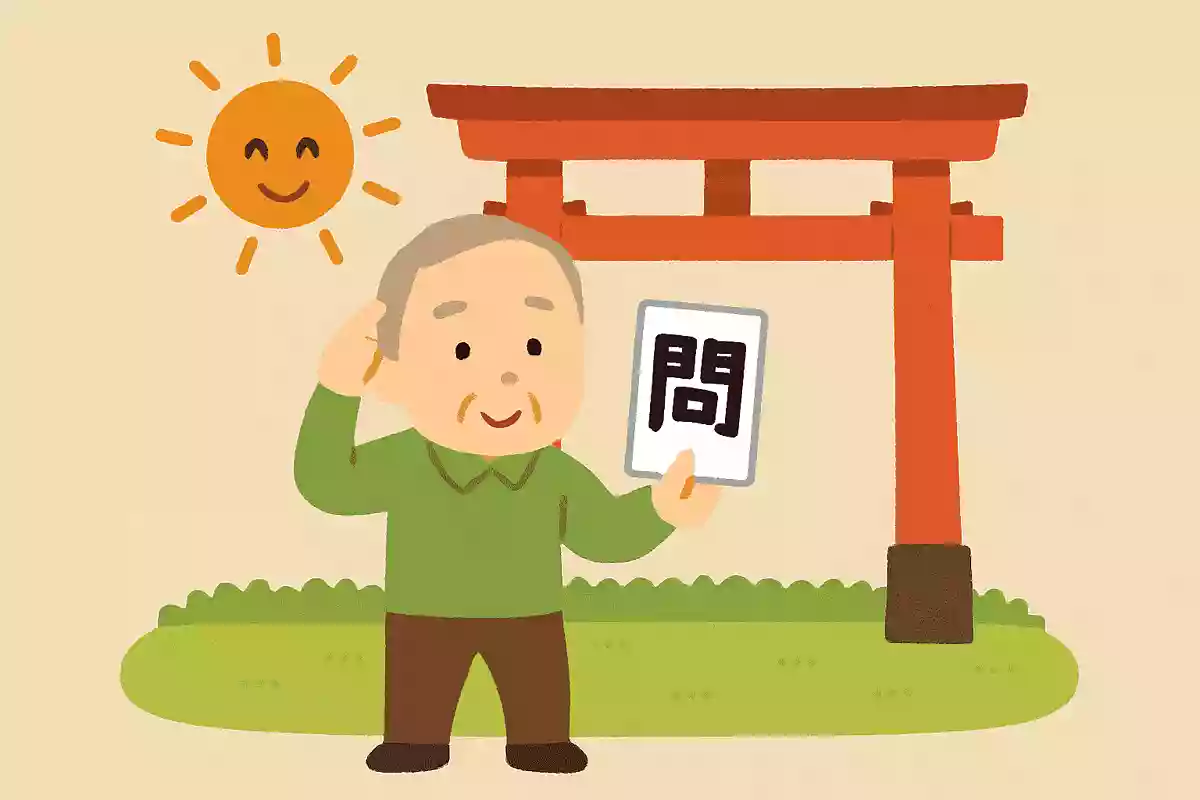
What word can be formed using “日” (sun/day), “人” (person), and “門” (gate)? The answer is a two-character word, and the second character is a kanji that has the gate radical (門構え).
The answer was “human” (ningen).
If, when you saw 「門」, you had thought to combine it with 「日」, you might have arrived at the answer quickly.
For problems like this, I think the proper approach is to spot the radical as early as possible and use it as a clue to consider various patterns.
If the respondent seems to be struggling, please provide helpful hints.
“求” + “里” + “王” + “予” = “御” (the character formed by combining these parts; read as 'go' or 'o' in Japanese)
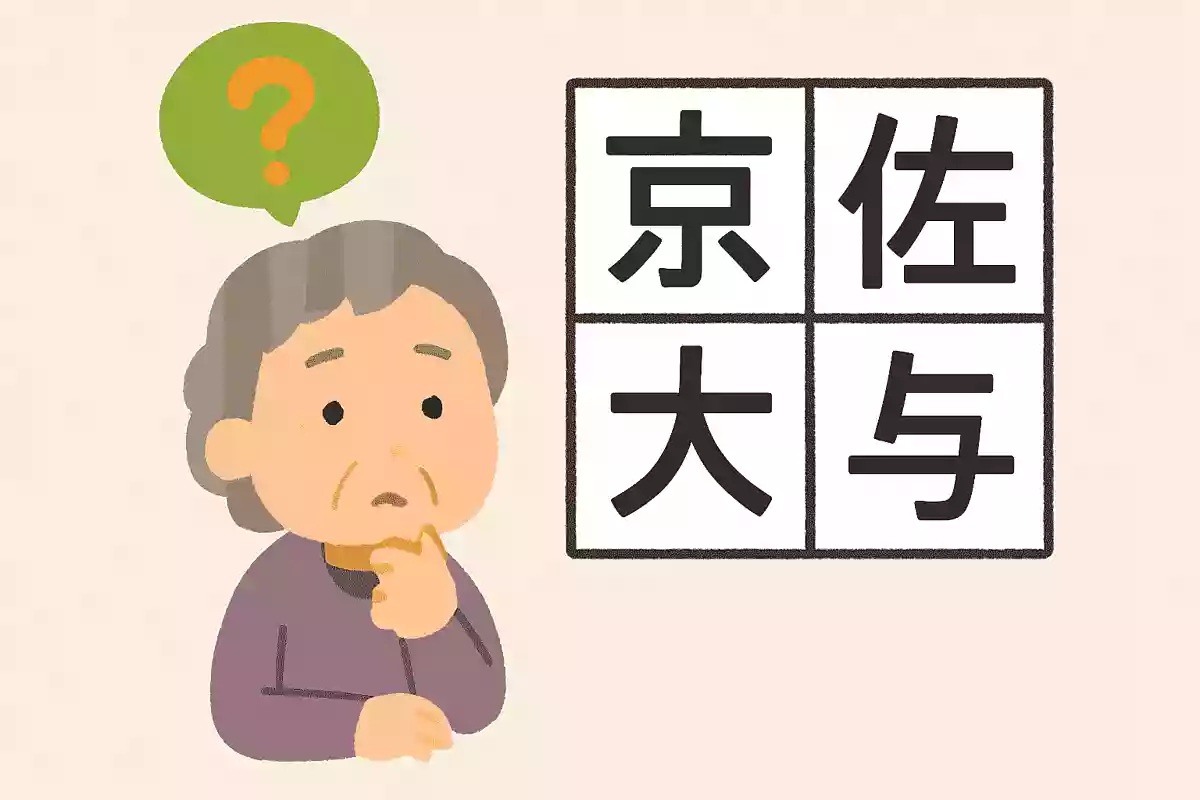
In this puzzle, the key to finding the answer is whether you can form the correct kanji using “里.”
You can form two kanji by combining the parts given in the problem with ‘里’: one is ‘理’ and the other is ‘野’.
If we consider the case of '理', the remaining parts, '求' and '予', don’t seem to form proper kanji when combined.
However, if we use the 'no' pattern, combining '求' and '王' gives '球', which leads to the answer '野球' (baseball).
When there are many possible kanji you can form like this, it broadens the scope of thinking and increases the difficulty.
"言" + "頁" + "川" + "周" =
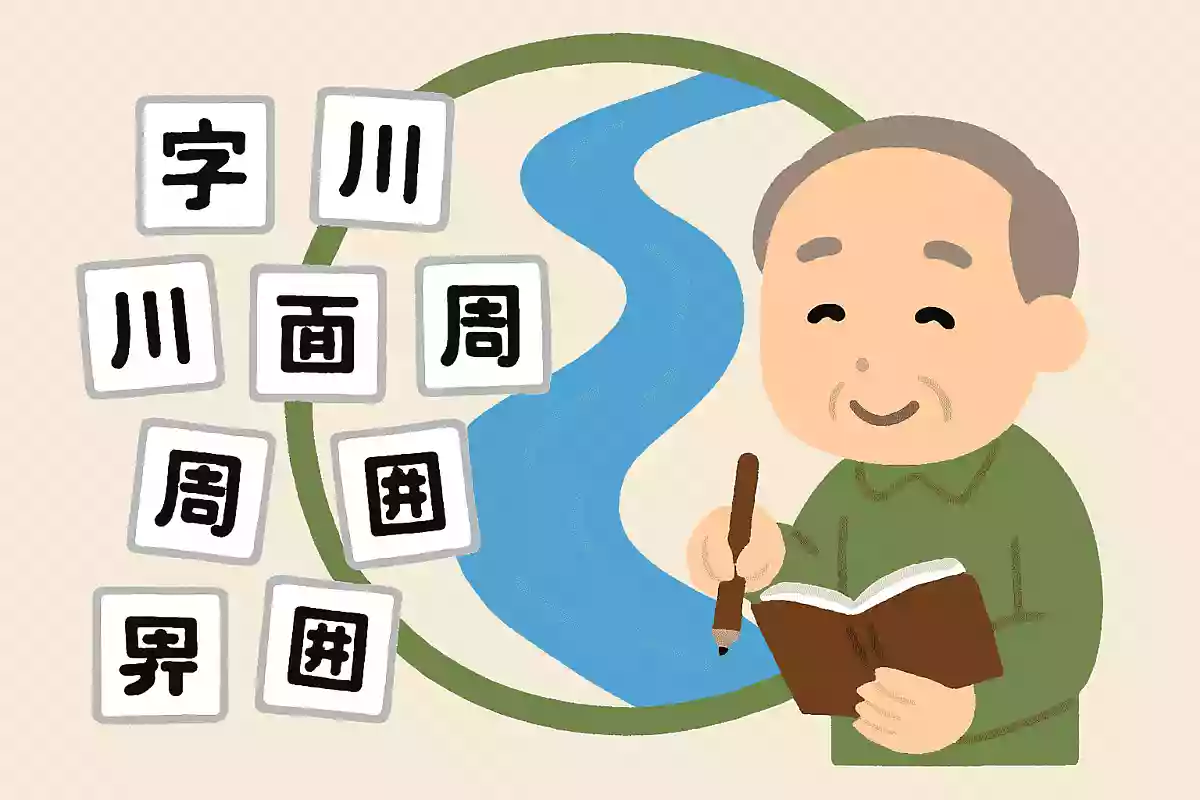
It’s a two-character word made up of four parts: “言” (speech), “頁” (page), “川” (river), and “周” (circumference).
Can you figure out the answer? The hint is that the key lies in how “頁” is used.
The correct answer is “順調” (smooth/going well), formed by combining “川” with “貢” and “言” with “周.” While “頁” by itself is the kanji for “page,” as a radical it’s called “おおがい” (oogai).
もしそれに気づいて「川」と組み合わせれば、答えにたどり着けたはずです。
The important thing is to identify how to use the distinctive part among the components given in the puzzle.