

[For Seniors] Enjoyable Brain Training! Proverb Quiz Collection
A traditional Japanese proverb.
It doesn’t come up often in everyday conversation, but many people remember it as general knowledge.
So this time, we’ve prepared a quiz using proverbs, designed for older adults.
By enjoying the quiz format and recalling the phrases, it can serve as brain training, and the back-and-forth of “maybe this, maybe that” will likely help communication with those around you.
Many seniors know a lot of proverbs, so they may also shine in the role of instructor.
We hope you enjoy a fun time with the proverb quiz.
- [Brain Training] Lively Word Quiz for Seniors
- [For Seniors] Proverb Quiz with Animal Names
- [For Seniors] Weather Proverb Quiz
- [For Seniors] Recommended and Exciting! Brain-Teaser Quiz Collection
- [For Seniors] Brain Training! Recall Quiz Collection!
- [For Seniors] Fun! Let’s Get Excited with Japan’s Number One Quiz
- [For Seniors] Lively two-choice trivia quiz. Handy to know and tidbits you'll want to share with others
- [For Seniors] Laugh-Out-Loud, Crowd-Pleasing! Fun Quiz
- [For Seniors] Lively Wordplay Game: Fun Recreation for Elderly Care
- [For Seniors] Have Fun with Wordplay Characters! A Collection of Funny Puzzles
- [For Seniors] Fun and Informative! Trivia and Quizzes Introduced
- [For Seniors] Today’s recommended quiz. Daily brain-training quiz!
- [For Seniors] Nostalgic quizzes that bring back memories! Showa-era entertainment and sports questions
[For Seniors] Fun Brain Training! Proverb Quiz Collection (21–30)
Heat and cold last only until the equinox.
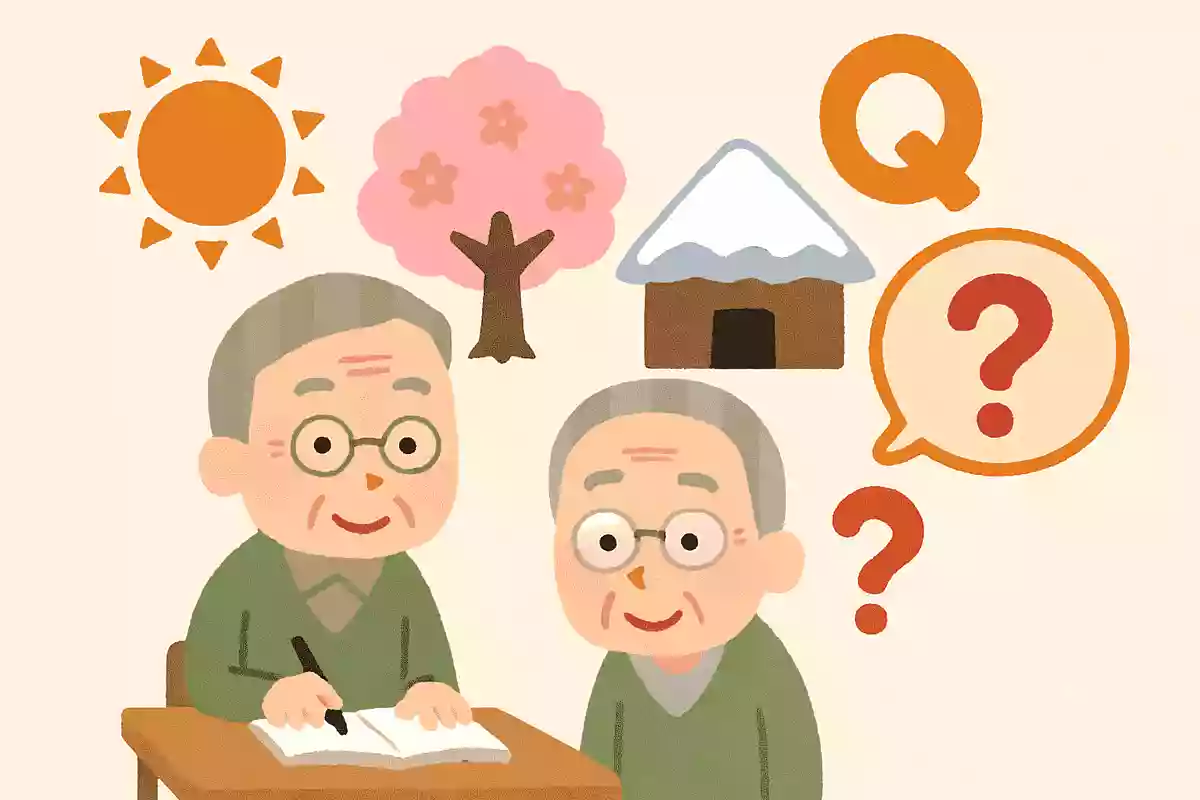
Ohigan is said to be a custom unique to Japan.
Centered on the Vernal Equinox Day and the Autumnal Equinox Day, it is a period of seven days—three days before and three days after each equinox—set aside for honoring one’s ancestors.
It does not exist in other Buddhist countries.
Traditionally, the change of seasons was marked by these days: winter’s cold was thought to ease by around the Vernal Equinox (around March 21), and summer’s heat to subside by around the Autumnal Equinox (around September 23).
However, due to recent climate changes, winters can be warm or shorter, and summer heat tends to linger.
The proverb ‘Atsusa samusa mo higan made’—‘Both heat and cold last only until Ohigan’—may no longer fit today’s climate quite as well.

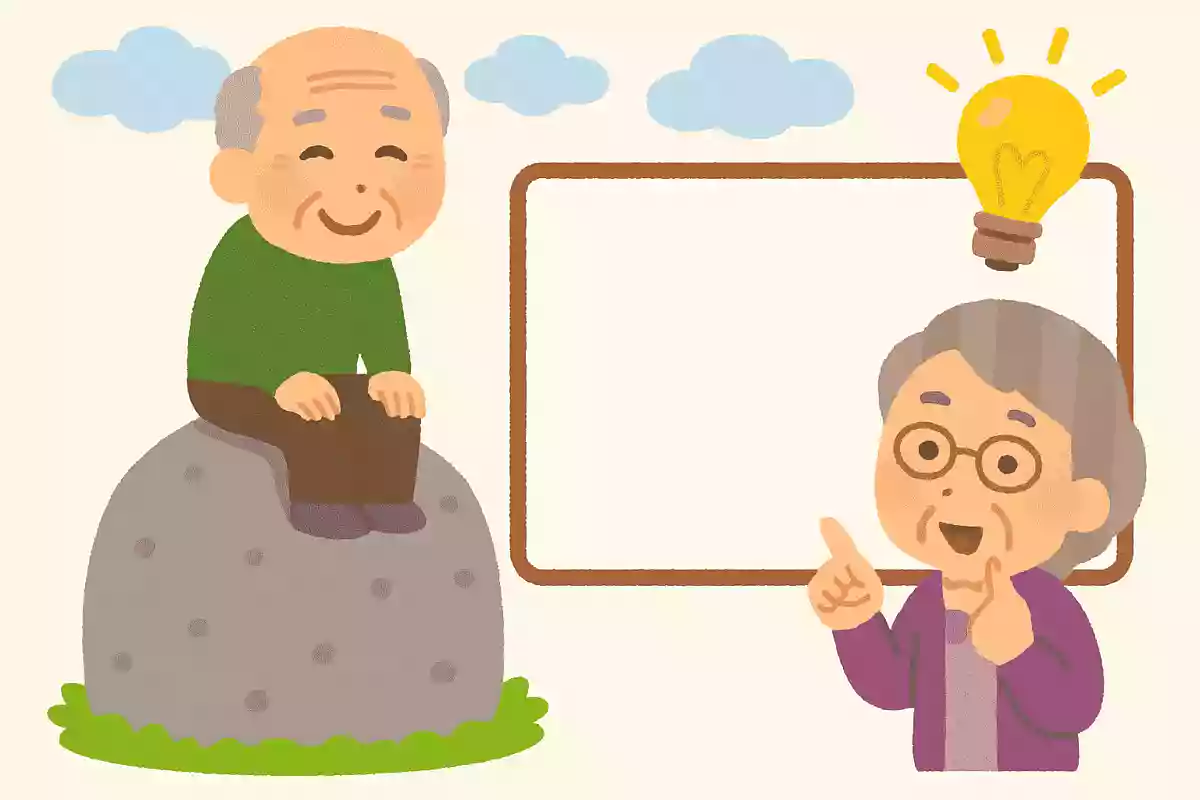
X years even on a stone
- 2
- 3
- 5
- 7
See the answer
3
The Japanese proverb “Ishi no ue nimo sannen” literally means “Even on a stone, sit for three years,” and conveys the idea that once you start something, you should stick with it for at least three years. Whether it’s a hobby or a job, there are times when things don’t go well and you feel it doesn’t suit you. Even so, if you keep at it with the belief that perseverance leads to success, you’ll produce some kind of result. It’s a saying to remember when you feel like your spirit is about to break.

to wilt like greens
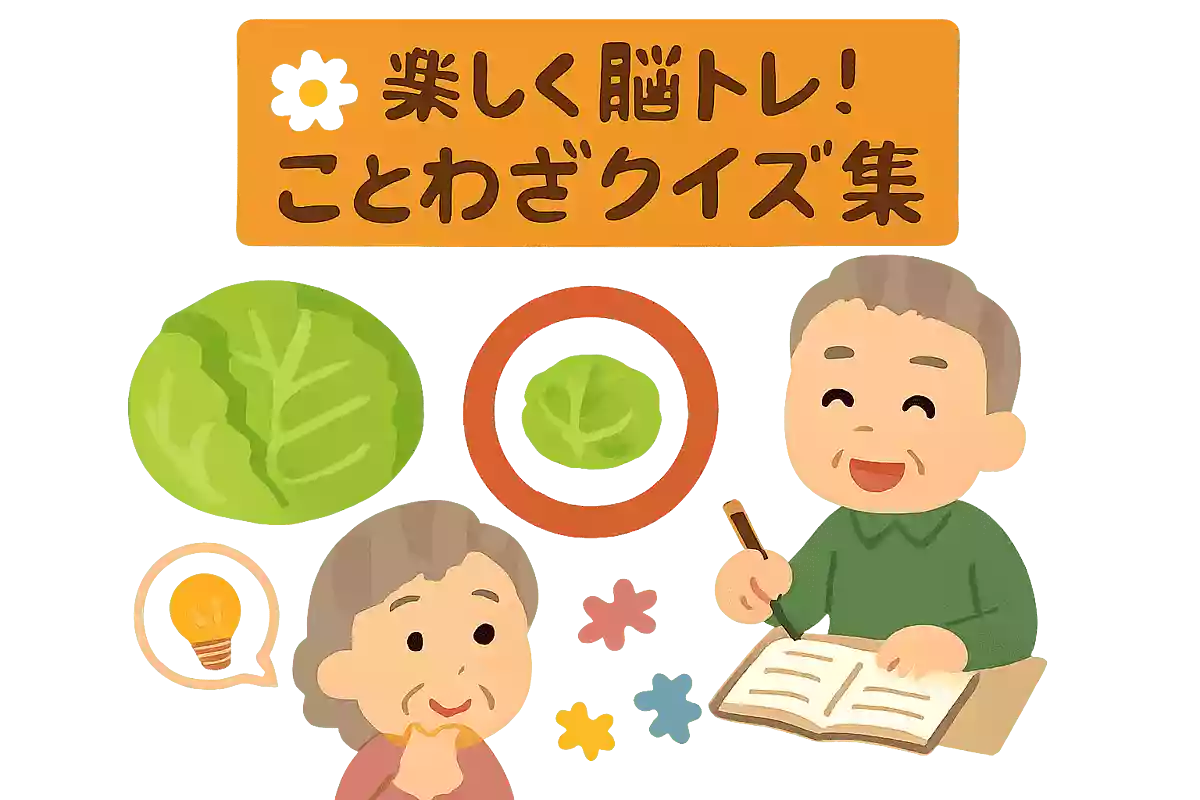
It’s a proverb that describes someone who had been lively but, triggered by something, becomes dejected and loses their energy.
“Aona” refers to green leafy vegetables like spinach or komatsuna.
It’s said the proverb comes from how sprinkling salt on leafy greens draws out moisture and makes them wilt.
The way the leaves go limp overlaps with the image of a once-energetic person becoming crestfallen.
It’s not a proverb we use often in everyday life, but it expresses a person’s state very aptly.
Pearls from the shelf

- mandarin orange
- Apple
- piggy bank
- botamochi (sweet rice cake with red bean paste)
See the answer
botamochi (sweet rice cake with red bean paste)
The Japanese proverb “tana kara botamochi” (literally, “rice cakes falling from a shelf”) means to gain unexpected good fortune. It’s said to come from an old tale: while someone was lying under a shelf, a rice cake that had been placed there fell by chance straight into their mouth. The phrase is used when one obtains something good without effort or hardship. A similar proverb is “a duck comes carrying green onions,” but that one refers to another party’s actions, so be careful to use it in the appropriate context.
Pour salt on the wound
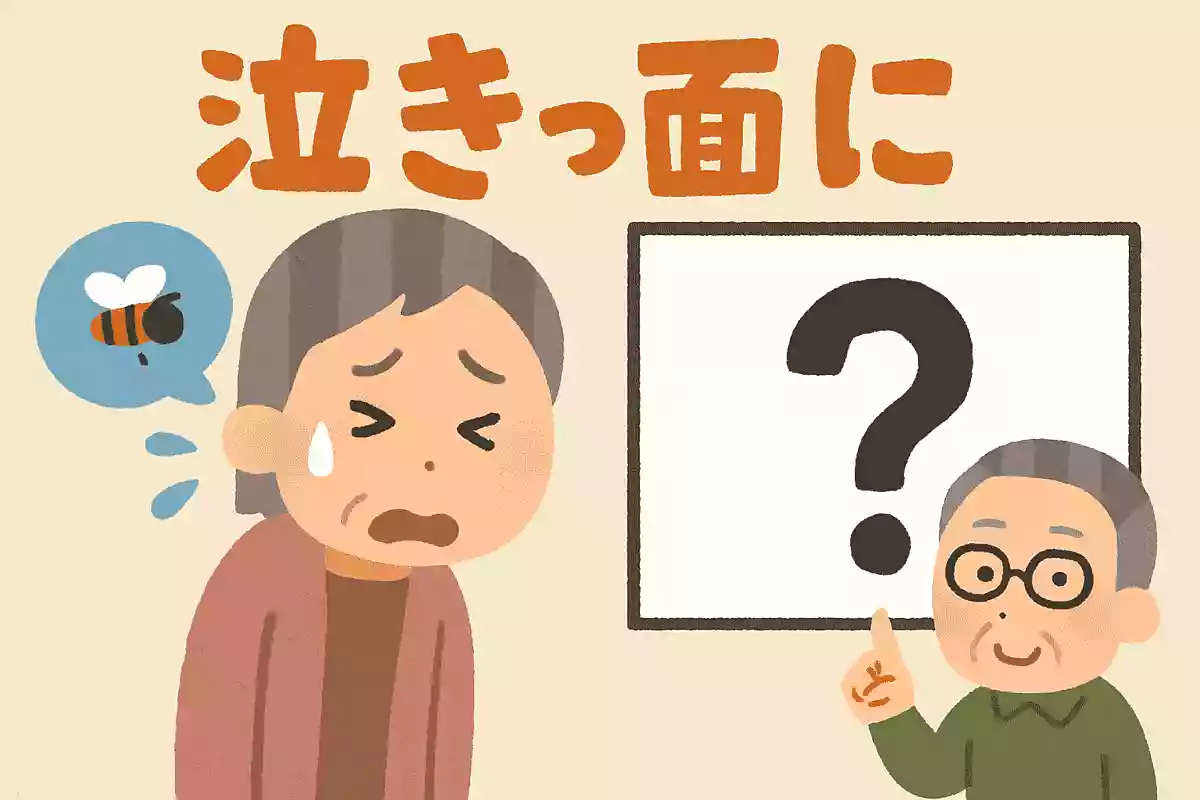
This is a proverb used when misfortune strikes one after another.
Let’s look at the situation through the proverb: while someone is crying, they get stung by a bee, showing how misfortunes can come in rapid succession.
This proverb has existed since the Edo period.
Back then, it was expressed as “a bee stings a tearful face” or “a bee stings a crying face.” It was also included under the na card in the Edo Iroha Karuta, which originated mainly in Edo in the late Edo period.
Incidentally, the original form was nakitsura ni hachi (“a bee on a crying face”), but in spoken language a small pause sound (a small tsu) came to be inserted in the middle, leading to the modern phrasing.
like 〇〇 looks totally startled (as if shot with a peashooter)
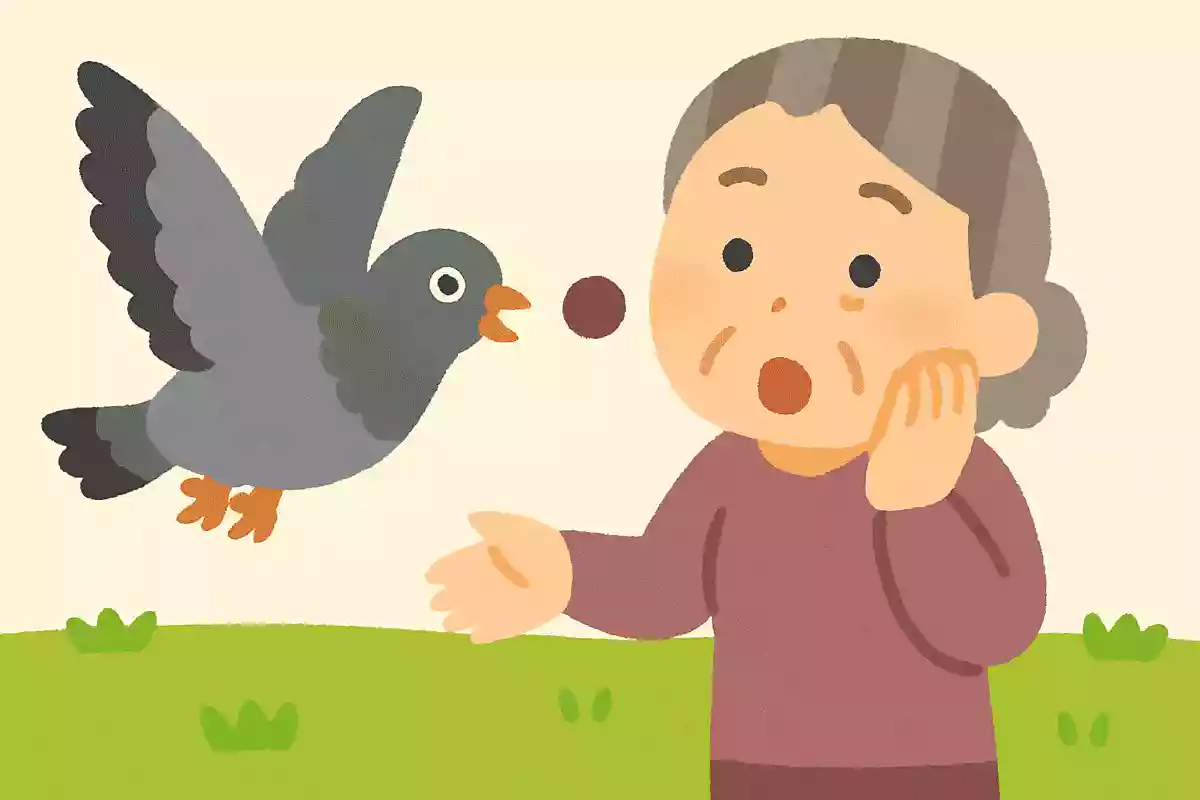
This phrase describes being stunned in surprise, with eyes wide open.
If you think of a funny-looking animal with a surprised expression, it might help you picture it and make the discussion more lively.
The word “mame-deppō” (pea-shooter) is also important; considering animals that eat beans makes it easier to grasp.
The answer is “pigeon,” and the sight of a pigeon freezing in surprise is enough to make you burst out laughing.
It could be interesting to compare it with various other expressions of surprise, too.

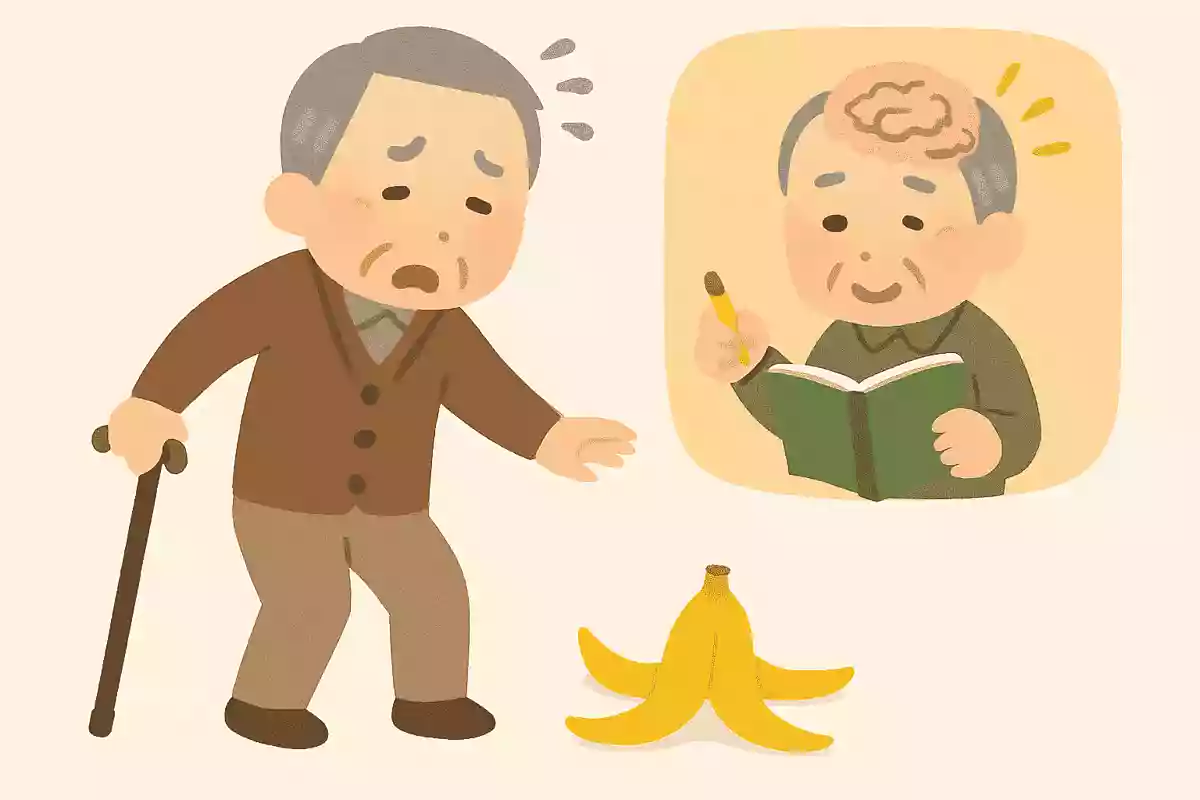
It’s no use crying over spilt milk.
- Worry
- hardship; toil; trouble; difficulties
- regret
- reserve; restraint; holding back; being reserved (polite hesitation)
See the answer
regret
The proverb “Regret does not come first” (literally, “Regret doesn’t come before”) means that once something has already happened, it’s too late to undo it. It teaches us that if we act on impulse without thinking ahead, it will be too late once things become irreversible. Keeping this proverb in mind, let’s make a habit of thinking carefully and acting cautiously, especially about the things we don’t want to regret.