

[For Seniors] Enjoyable Brain Training! Proverb Quiz Collection
A traditional Japanese proverb.
It doesn’t come up often in everyday conversation, but many people remember it as general knowledge.
So this time, we’ve prepared a quiz using proverbs, designed for older adults.
By enjoying the quiz format and recalling the phrases, it can serve as brain training, and the back-and-forth of “maybe this, maybe that” will likely help communication with those around you.
Many seniors know a lot of proverbs, so they may also shine in the role of instructor.
We hope you enjoy a fun time with the proverb quiz.
- [Brain Training] Lively Word Quiz for Seniors
- [For Seniors] Proverb Quiz with Animal Names
- [For Seniors] Weather Proverb Quiz
- [For Seniors] Recommended and Exciting! Brain-Teaser Quiz Collection
- [For Seniors] Brain Training! Recall Quiz Collection!
- [For Seniors] Fun! Let’s Get Excited with Japan’s Number One Quiz
- [For Seniors] Lively two-choice trivia quiz. Handy to know and tidbits you'll want to share with others
- [For Seniors] Laugh-Out-Loud, Crowd-Pleasing! Fun Quiz
- [For Seniors] Lively Wordplay Game: Fun Recreation for Elderly Care
- [For Seniors] Have Fun with Wordplay Characters! A Collection of Funny Puzzles
- [For Seniors] Fun and Informative! Trivia and Quizzes Introduced
- [For Seniors] Today’s recommended quiz. Daily brain-training quiz!
- [For Seniors] Nostalgic quizzes that bring back memories! Showa-era entertainment and sports questions
[For Seniors] Fun Brain Training! Proverb Quiz Collection (31–40)
Many a little makes a mickle.
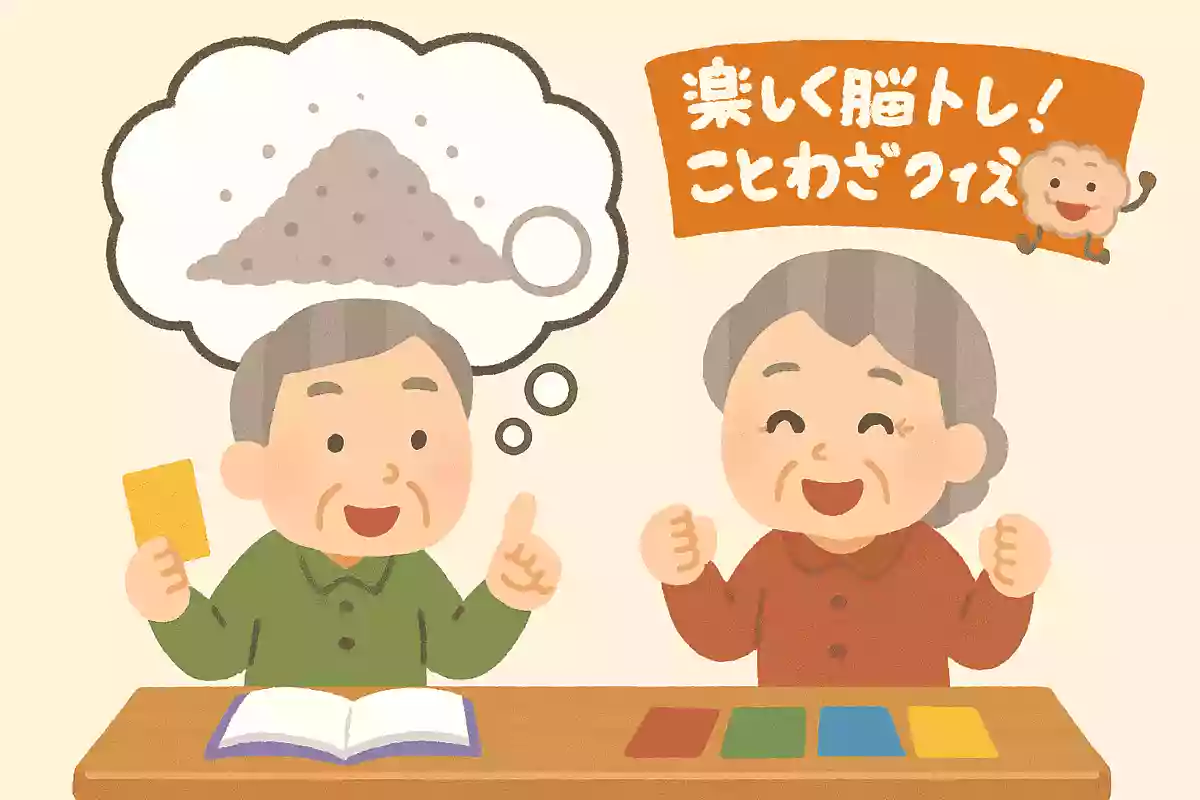
- river
- sea
- dream
- mountain
See the answer
mountain
The proverb “Even dust, when piled up, becomes a mountain” means that no matter how small the efforts, given time they can add up to great results. The lesson that continuing to do the same thing builds the foundation of anything helps put the brakes on the urge to quit when things stop going well. It’s a saying I especially want those who are currently working on something and feeling stuck to remember.

Tit for tat
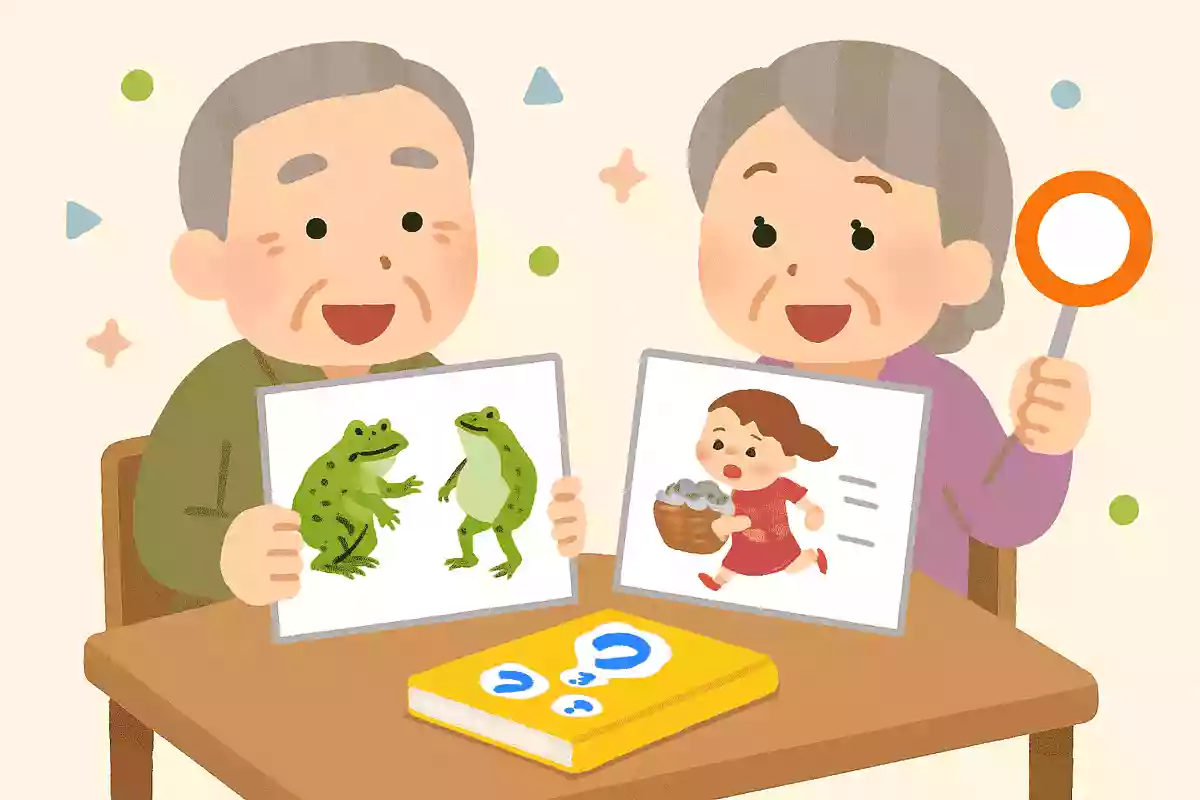
In situations where people are fighting or arguing, we sometimes use the expression “tit for tat.” Suppose your opponent provokes you with aggressive words or comes on strong.
It describes how you end up snapping back with equally aggressive words so as not to lose to them.
In Japanese, “sell” implies initiating something, while “buy” implies taking the bait or responding to the provocation.
The proverb uri-kotoba ni kai-kotoba (“selling words and buying words”) is said to have come from the image of words that start a fight and words that answer the challenge.

Unrequited Love of Iso no 〇〇〇
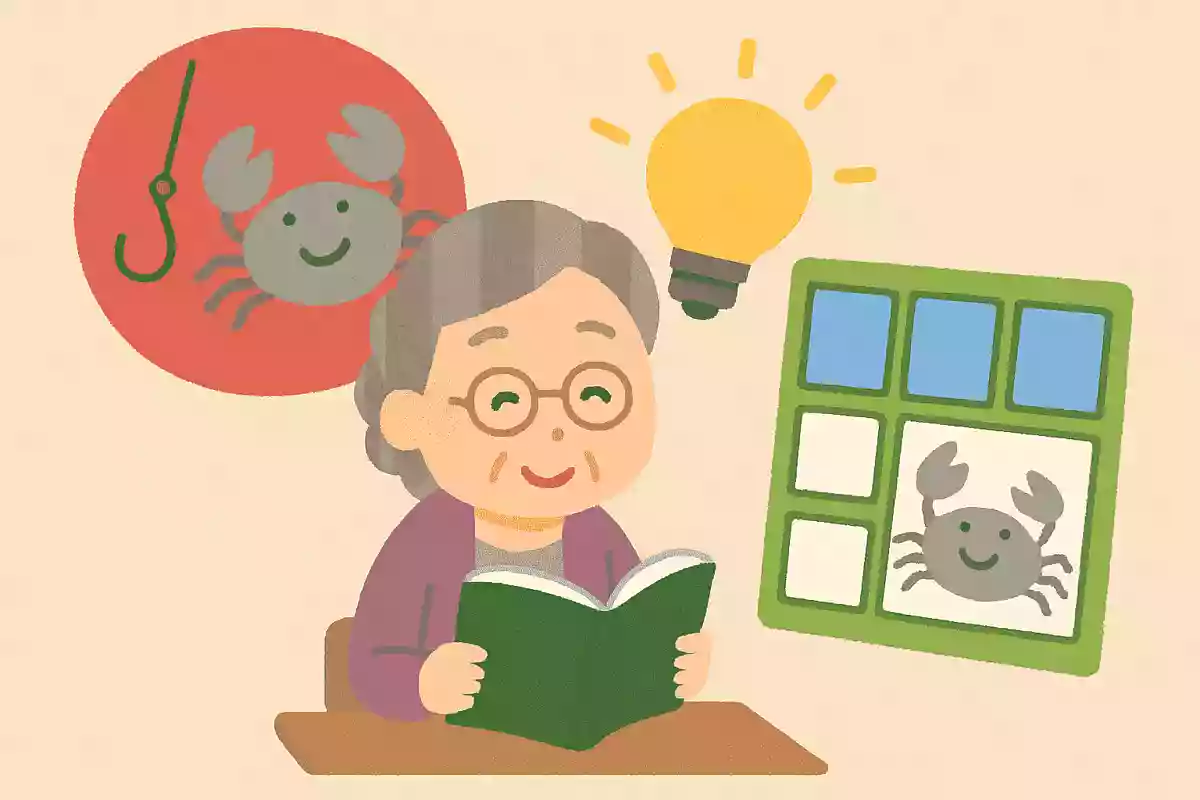
This is a proverb used to express unrequited love—when only one person has feelings and the other does not.
If you think of different creatures that live on rocky shores, you’ll gradually get closer to the answer.
Asking people to picture what lives on the shore and giving the big hint of “a shell” makes it easier to understand.
The answer is “abalone.” Although it’s a type of gastropod, it looks like one half of a bivalve, which gave rise to a stylish way of saying “unrequited love.”

Parent and child who don’t recognize each other
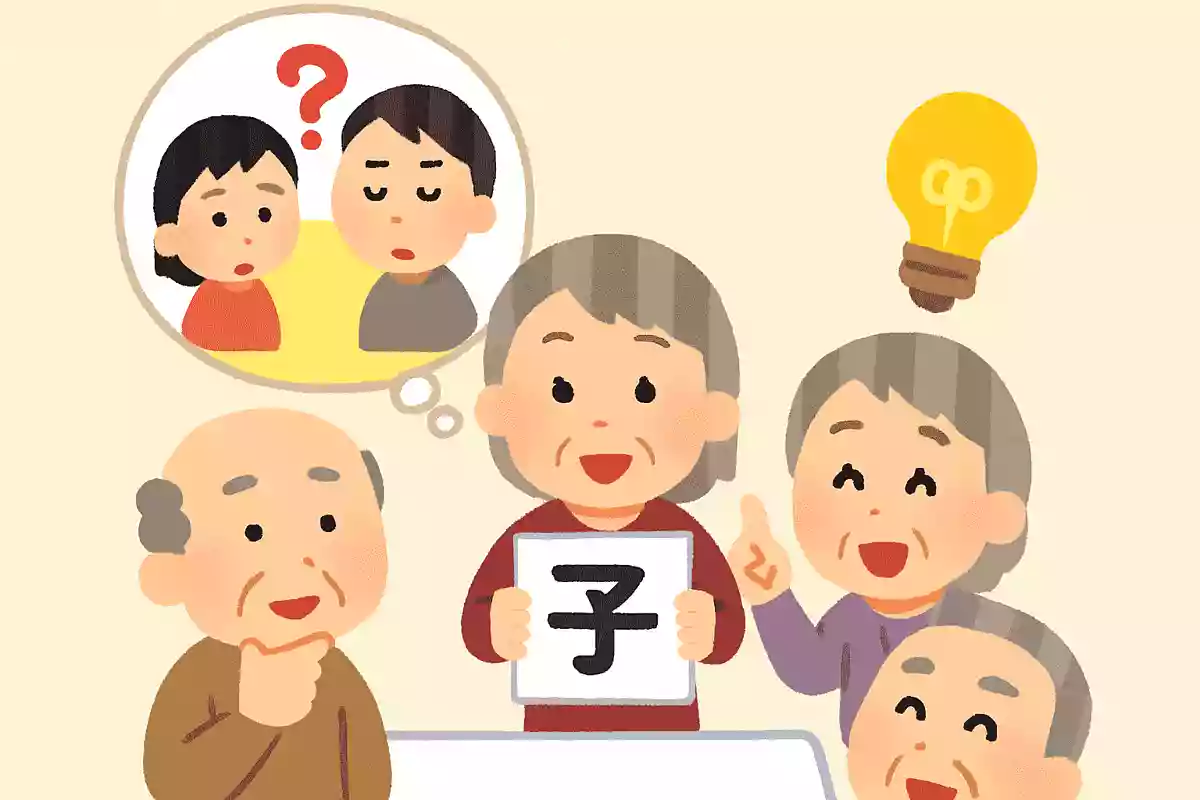
- soul
- love
- heart
- tear(s)
See the answer
heart
The proverb “oya no kokoro ko shirazu” means that a parent’s love and concern for their child often go unappreciated. Parents worry about their children no matter how old they get, while the children themselves, as they grow, naturally seek to live freely. Becoming independent is a joyful milestone, but this saying also conveys a wish for children to recognize the unseen worries and support their parents provide behind the scenes.
Hide your head but not your bottom.
Isn’t “hiding your head but not your backside” a proverb that sometimes gets used in everyday life? Just as the saying suggests, it describes a situation where you’re trying to hide something, but part of it is still visible.
You might picture a child playing hide-and-seek who manages to cover their head and body, but their backside is still sticking out.
If we read the proverb more deeply, however, it also suggests that in human relationships and at work, a stance of openness—rather than concealment—forms the foundation of trust.
It may also imply the importance of being straightforward and sincere with those around you, and of taking responsibility for your own thoughts and actions.
[For Seniors] Fun Brain Training! Proverb Quiz Collection (41–50)
Even a blockhead becomes respectable through faith.
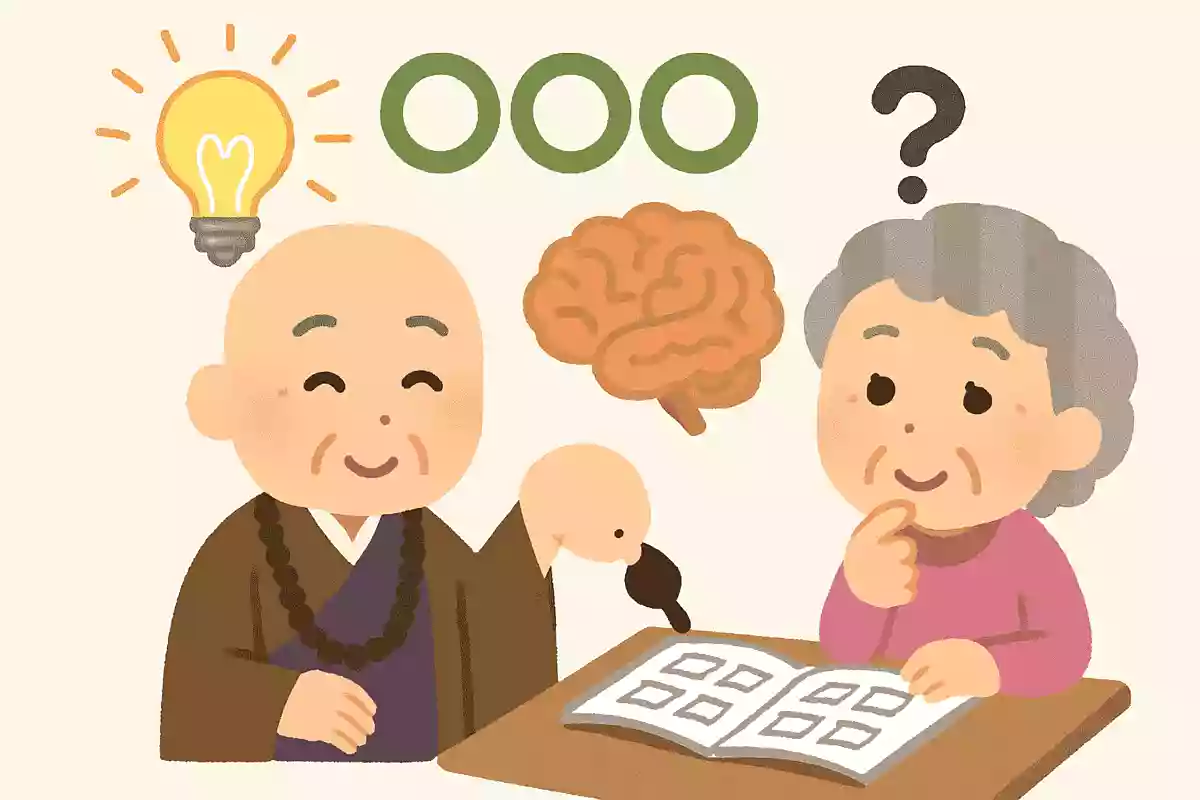
It’s an expression meaning that even something trivial is appreciated by those who believe in it.
It’s also used to tease or be sarcastic toward people who stubbornly believe in a single thing.
It applies to customs involving head adornments, and Setsubun might be a big hint.
The answer is “sardine” (iwashi), said to derive from the “holly-sardine” decoration (hiiragi-iwashi) displayed during Setsubun.
Since “iwashi” often appears to mean something trivial or insignificant, it could be fun to learn other proverbs that use sardines as well.
to catch a sea bream with 〇〇
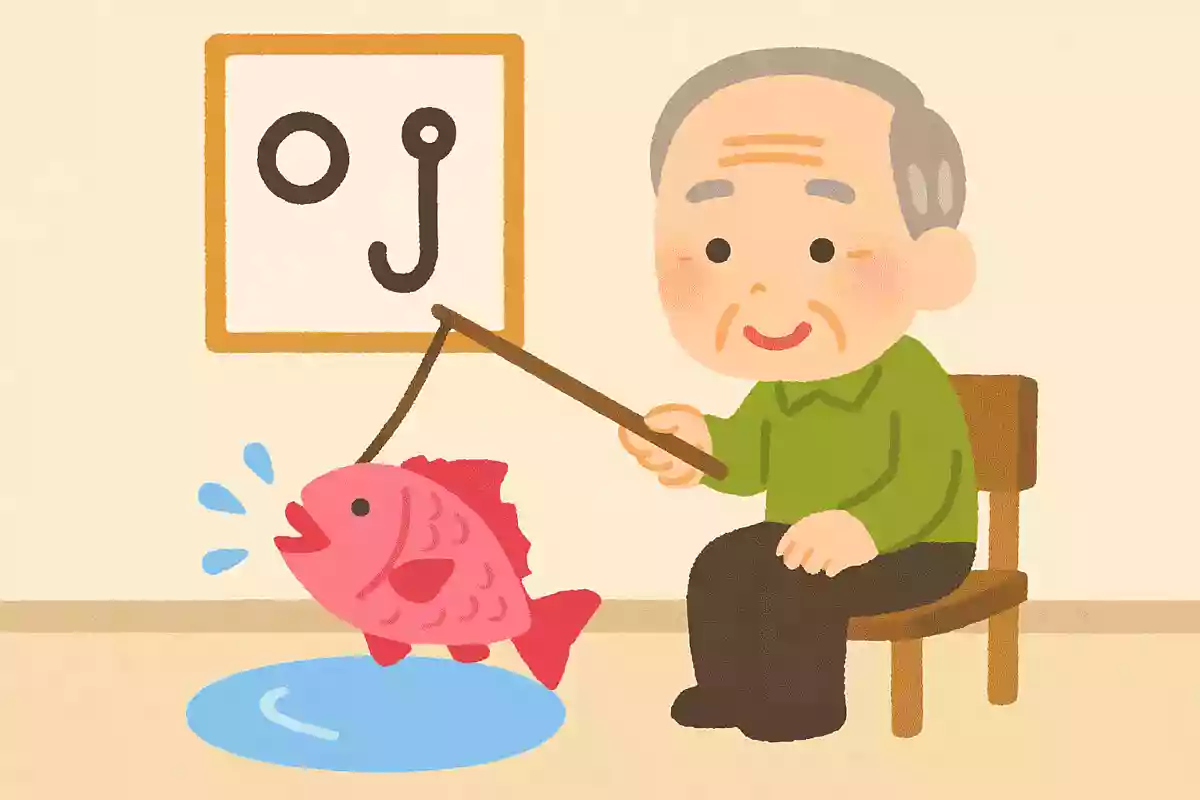
This is a proverb used to describe gaining great profit with little capital or effort.
Since sea bream (tai) is considered high-end, it’s easiest to think of something more accessible or smaller than that.
If you give hints like a small sea creature that can be used as fishing bait and appears alongside sea bream at the dining table, people should reach the answer.
The answer is “shrimp” (ebi).
Similar expressions include “nurete de awa” (literally, ‘millet on wet hands,’ meaning effortless gain) and “mugimeshi de tai o tsuru” (‘catching sea bream with barley rice’).