

[For Seniors] Enjoyable Brain Training! Proverb Quiz Collection
A traditional Japanese proverb.
It doesn’t come up often in everyday conversation, but many people remember it as general knowledge.
So this time, we’ve prepared a quiz using proverbs, designed for older adults.
By enjoying the quiz format and recalling the phrases, it can serve as brain training, and the back-and-forth of “maybe this, maybe that” will likely help communication with those around you.
Many seniors know a lot of proverbs, so they may also shine in the role of instructor.
We hope you enjoy a fun time with the proverb quiz.
- [Brain Training] Lively Word Quiz for Seniors
- [For Seniors] Proverb Quiz with Animal Names
- [For Seniors] Weather Proverb Quiz
- [For Seniors] Recommended and Exciting! Brain-Teaser Quiz Collection
- [For Seniors] Brain Training! Recall Quiz Collection!
- [For Seniors] Fun! Let’s Get Excited with Japan’s Number One Quiz
- [For Seniors] Lively two-choice trivia quiz. Handy to know and tidbits you'll want to share with others
- [For Seniors] Laugh-Out-Loud, Crowd-Pleasing! Fun Quiz
- [For Seniors] Lively Wordplay Game: Fun Recreation for Elderly Care
- [For Seniors] Have Fun with Wordplay Characters! A Collection of Funny Puzzles
- [For Seniors] Fun and Informative! Trivia and Quizzes Introduced
- [For Seniors] Today’s recommended quiz. Daily brain-training quiz!
- [For Seniors] Nostalgic quizzes that bring back memories! Showa-era entertainment and sports questions
[For Seniors] Fun Brain Training! Proverb Quiz Collection (41–50)
〇〇’s unhealthy habits
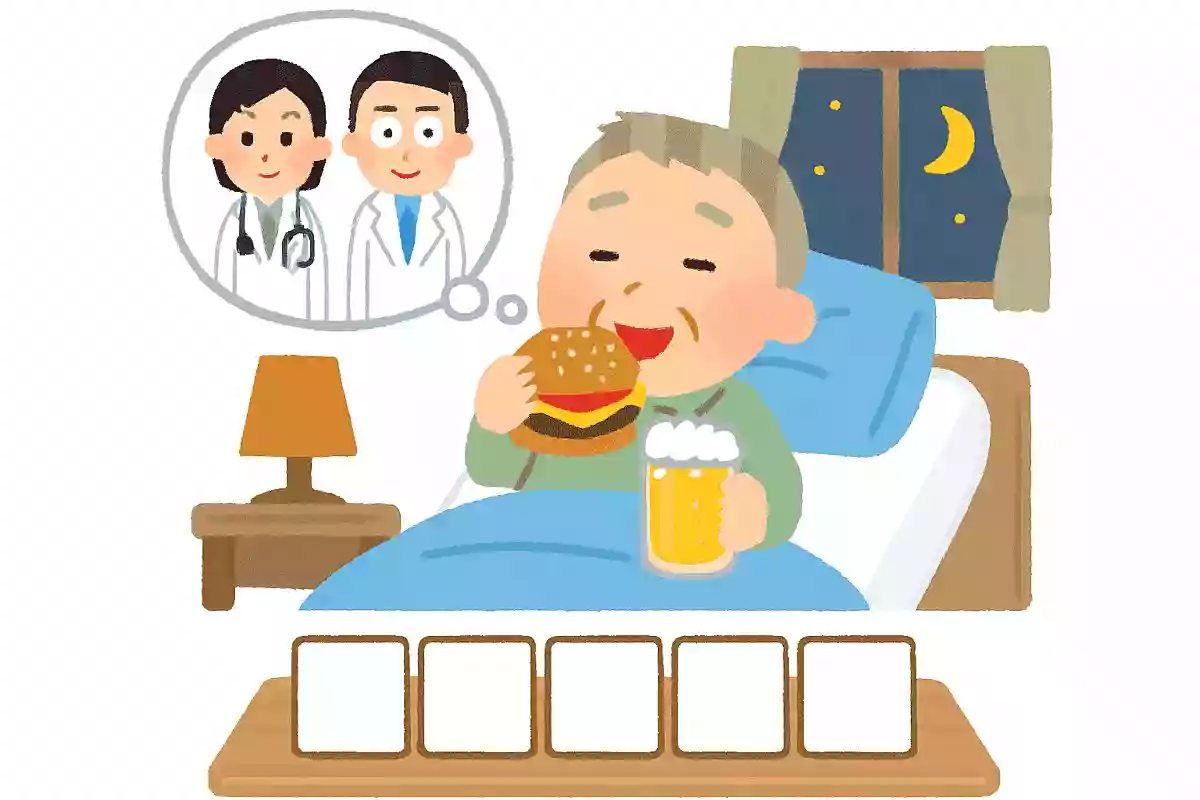
The expression “a doctor’s poor self-care” refers to someone who knows the right thing in their head but doesn’t act accordingly.
Imagine a hospital doctor advising people to practice good hygiene and work on improving their health, yet the doctor themselves behaves carelessly.
Originally, this phrase can be used regardless of occupation, but because it includes the word “doctor,” it’s often applied to physicians and other professionals.
In fact, it’s said that among doctors who recommend quitting smoking, there are some heavy smokers.
Similar proverbs include “the dyer’s son wears white trousers” and “the carpenter’s house is a makeshift shack.” Looking up their meanings might be interesting too.

[Name] runs a thousand li
![[Name] runs a thousand li](https://media.ragnet.co.jp/img/1200__png__/files/2025/04/cb6f45e57350d8d750a942a238f3f77d.webp)
This is a proverb that compares how quickly wrongdoing spreads through the world.
You can probably get a sense of its meaning just from the proverb itself.
In an old Chinese text there’s a line that says, “Good deeds do not leave the gate; evil travels a thousand miles,” and this sparked its widespread use.
By the way, “good deeds do not leave the gate” means that good things don’t easily become widely known.
It’s sometimes used as a pair with the proverb “evil runs a thousand miles.” These days, with the spread of social media, bad deeds go viral instantly.
But it seems people have long said that bad deeds spread quickly.
Even a small 〇〇 has a spirit of its own (literally: Even in an inch of 〇〇, there is a half-inch soul).
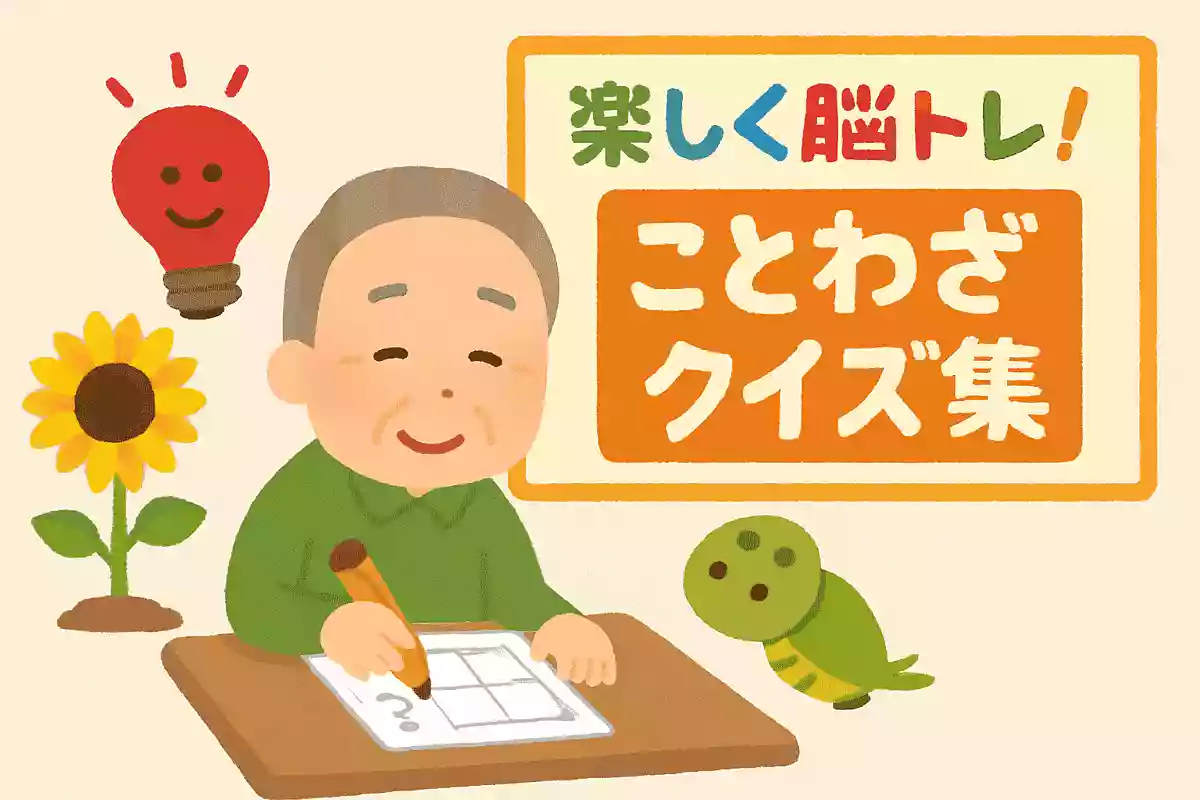
This is a phrase used as an example to show that no matter how weak something may be, it has its own pride and way of thinking, and shouldn’t be underestimated.
If you think about small things that we don’t usually pay much attention to in daily life, you might get closer to the answer.
One sun is about three centimeters, but that’s a figurative expression of smallness rather than an actual size—another hint.
The answer is “insect.” It’s a phrase that carries the lesson that even the smallest living creature has a life of its own and should not be treated carelessly.

Well begun is half done.

It’s a proverb that means it’s important to set your plans and goals firmly at the outset.
There’s a slightly longer version: “The plan for a day is made in the morning; the plan for a year is made on New Year’s Day.” This means you should make your daily plan early in the morning and your yearly plan on New Year’s Day.
The proverb is said to have two origins: one from a line in a Chinese text, and another from a sentence similar to the proverb found in a letter that Mōri Motonari wrote to his son.
Incidentally, expressions like shoshin kantetsu (carrying out one’s original intention) and tettō tetsubi (thorough from beginning to end) also convey the idea that the beginning is crucial, just like “The plan for a year is made on New Year’s Day.”
Make hay while the sun shines.

- love
- good
- Travel
- play
See the answer
good
The proverb “make hay while the sun shines” (literally, “good deeds should be done without delay”) means that once you judge something to be good, you should act on it immediately. It’s a phrase that reflects decisiveness and initiative, and it’s a very important lesson in both work and study. You might feel it conflicts with “more haste, less speed,” but that saying urges caution rather than simply taking the shortest path. So, think in a way that leads to better results: act quickly when it’s good to do so, yet, as in “more haste, less speed,” proceed prudently.

In conclusion
We introduced a proverb quiz that’s both fun and great for brain training. It seems like a quiz format will help you enjoy recalling proverbs you’ve heard in the past. Since anyone can take part while seated, regardless of gender, it can spark conversations among people of all ages and help enrich communication. Give the proverb quiz a try and have fun while stimulating your brain.