

[For Seniors] Boost Oral Function with Tongue Twisters! Recommended Picks to Try


For older adults, maintaining oral functions is very important because it contributes to both physical and mental health.
Even if you’re mindful of it in daily life, those functions tend to weaken over time.
That’s when we recommend trying tongue twisters.
Moving the tongue stimulates saliva production and can improve swallowing function.
It also activates brain function and may help prevent dementia.
Tongue twisters are great not only as recreation in day-service and other senior facilities, but also as oral exercises before meals.
Please use this article as a reference and have fun giving it a try!
- [For Seniors] Spice Up Your Usual Oral Exercises! Patakara Exercises and Tongue Twisters
- Tongue twisters that will make you laugh out loud! Super funny
- For seniors: Fun shiritori—enjoyable and easy to play
- [For Older Adults] Games to Enhance Oral Function: Enjoyable and Easy to Do
- [Brain Training] Lively Word Quiz for Seniors
- [For Seniors] Stay Healthy Through Your Mouth with the A-I-U-BE Exercises!
- [For Seniors] Oral Exercises to Keep Eating Deliciously and Enjoyably
- [For Seniors] Lively Wordplay Game: Fun Recreation for Elderly Care
- [For Seniors] Fun Riddles That Stimulate the Brain
- [For Seniors] Uplifting Words That Comfort the Heart
- For Seniors: Fun and Lively Exercise Recreation
- For seniors: Fun, crowd-pleasing word association game ideas
- Challenging tongue twisters: Introducing high-difficulty phrases and sentences!
[For Older Adults] Improve Oral Function with Tongue Twisters! Recommended Ones to Try (21–30)
Pa-Ta-Ka-Ra finger exercises

Many care facilities incorporate the “Pa-Ta-Ka-Ra” oral exercises.
However, some older adults may get bored if it’s the same routine every time.
So let’s add finger movements to the usual Pa-Ta-Ka-Ra exercises.
While saying pa-ta-ka-ra out loud, clap your hands or make a “fox” hand pose and move your hands.
The key is to enjoy it.
You’ll be using both your mouth and your hands, which can be tricky at first if you’re not used to it.
But it’s fine to make mistakes.
We use both our mouths and hands when eating, right? Using your fingertips during the exercises also helps train the movements needed for meals.
Try doing Pa-Ta-Ka-Ra with added finger movements at the pace that suits the older adults.

I leaned bamboo against this bamboo fence because I wanted to lean bamboo against it.
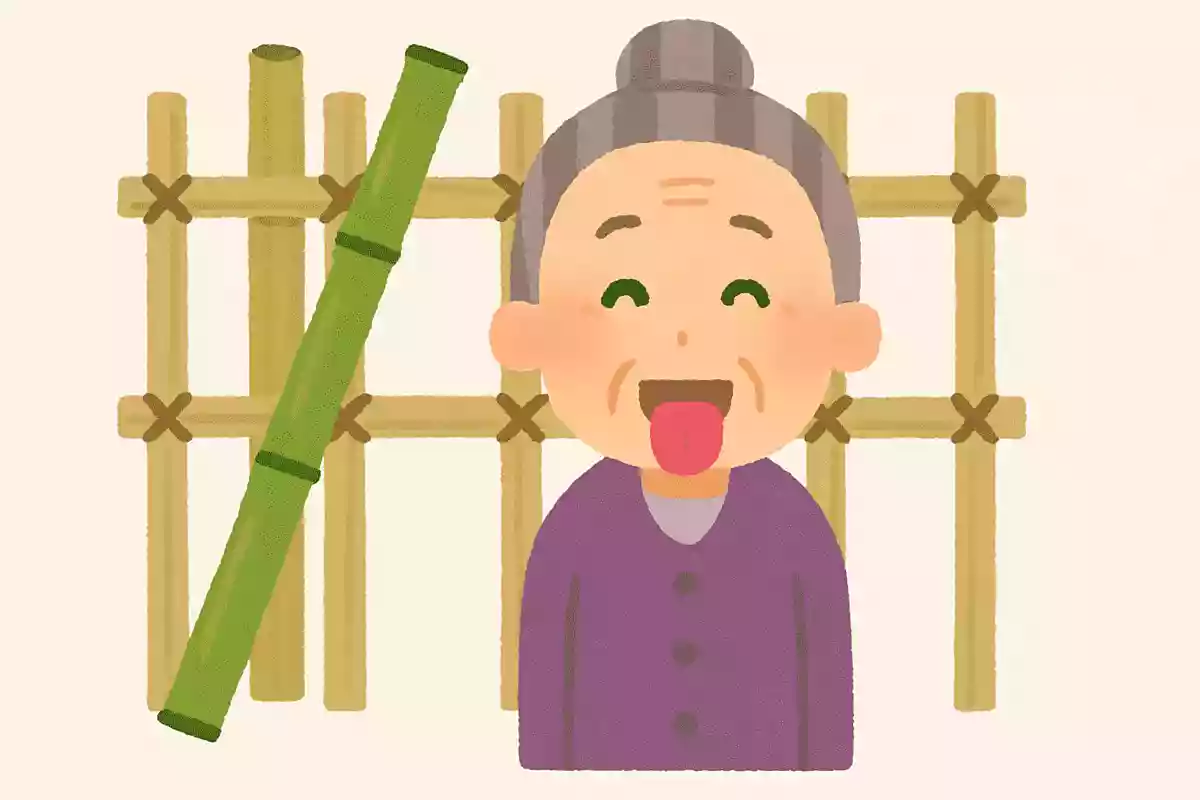
Among the many types of tongue twisters, one that is known to be especially difficult is: “Kono takegaki ni take tatekaketa no wa, take tatekaketakatta kara take tatekaketa.” Put simply, it evokes the image of bamboo being propped against a bamboo fence.
Once you understand what kind of situation it’s describing, you’ll be less likely to get confused.
That said, it’s quite a long tongue twister, so memorizing it is no easy task.
Start by reading it repeatedly to commit it to memory.

You request a yo-yo as a method to prevent becoming frail.
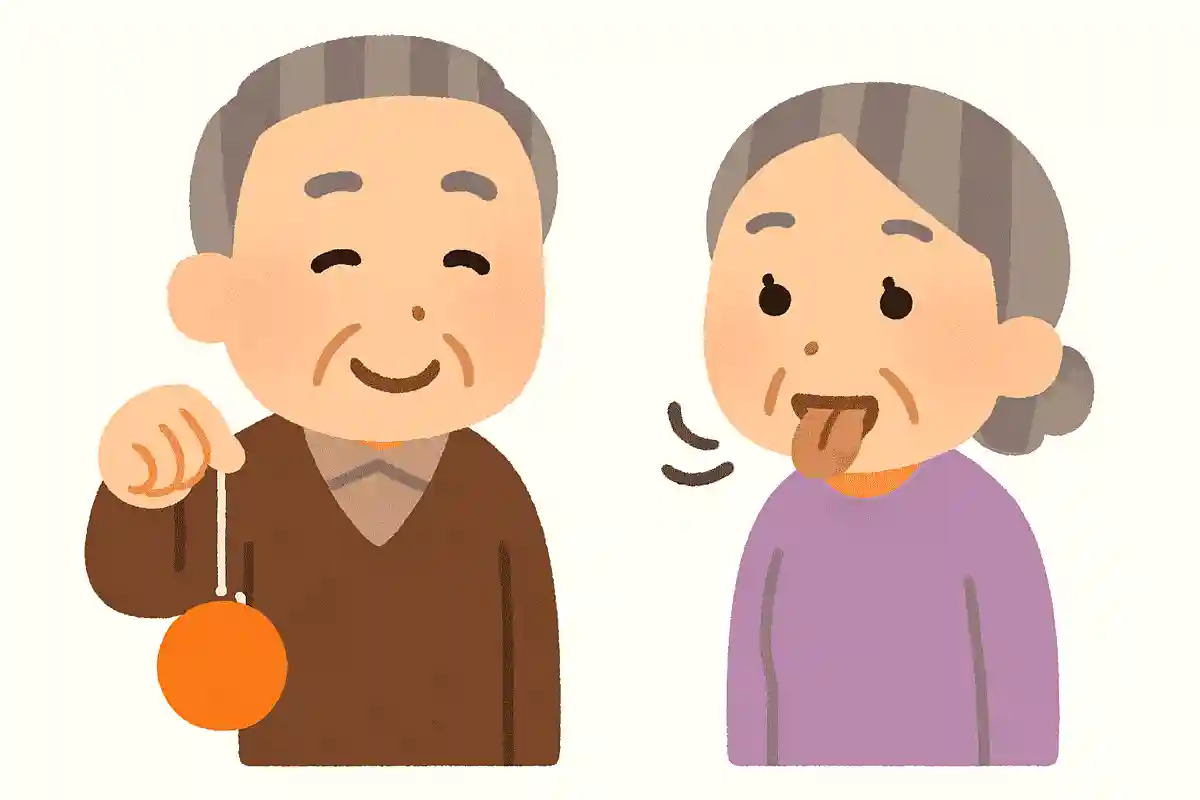
For those who struggle with the pronunciation of “yo,” this tongue twister might be a real hurdle: “A request for a yo-yo as a way to prevent becoming feeble.” Is someone asking for a yo-yo to prevent aging? Looking at the whole tongue twister, “yo” appears six times, and “yobo” appears four times.
Fortunately, there are no small characters (ゃゅょ), so just focus on the voiced sounds and give it a try.
Try saying it with an emphasis on the “bo.” By the way, some say yo-yos are effective for brain training.
Get hyped! High-speed patakara

This is an exercise that encourages you to pay close attention to the speed of articulation and aim for smooth mouth movements.
Focusing on each of the syllables in the familiar “pa-ta-ka-ra,” it’s a simple activity where you repeatedly say the specified syllable in succession.
It’s easiest to follow the person standing in front, using their pronunciation as a reference and aiming for the same mouth movements and the same speed.
The comical effort of trying hard to pronounce the same word is also an important point—let’s make it fun while training the mouth’s movements.

Pata-Kara exercises: tongue twisters

Here’s a method that adds the sounds “pa-ta-ka-ra” to tongue twisters so you can practice while having fun.
Start slowly, and as you get used to it, speed up—this way, people of various abilities can enjoy participating.
This exercise can help with digestion of food, prevent aspiration pneumonia, promote sterilization and disinfection through saliva secretion, and help prevent infections.
In addition, since a decline in oral function is said to increase the risk of developing dementia, it is also effective for dementia prevention.
In settings such as senior care facilities, explaining these benefits before the exercise can encourage more motivated participation.

In conclusion
Tongue twisters are effective not only for improving oral function, but also as brain training for older adults and as a spark for smile-filled communication.
Start by speaking slowly, carefully pronouncing each character one by one.
By incorporating them into your daily routine as a mouth exercise, you can enjoy yourself while maintaining your health.