

Challenging tongue twisters: Introducing high-difficulty phrases and sentences!

Tongue twisters exist in every country.
I think everyone in Japan has been familiar with them since childhood.
This time, I’ve picked out only the especially difficult tongue twisters.
You’ll find not only long, complicated ones, but also very short tongue twisters that are surprisingly hard to say.
Although tongue twisters might seem like they’re just for kids, adults can enjoy them too at parties or drinking gatherings.
If you practice in advance, you might even become the center of attention in those situations.
Now then, please sit back and enjoy!
- Tongue twisters that will make you laugh out loud! Super funny
- [Diction Training] A Collection of Tongue Twisters to Improve Articulation
- A collection of long tongue twisters. Also recommended for practicing announcements and narration.
- Nagoya dialect tongue twisters are exquisite! A fun collection where your tongue gets tied in knots with regional dialects
- Challenge together! A roundup of word games for adults
- “Chau chau, anta” — a Kansai-dialect tongue twister. A phrase only Kansai folks can say.
- Bursting into laughter! A roundup of Hakata dialect tongue twisters
- [Recreation] Challenge! A roundup of tongue twisters recommended for elementary school students
- [Challenging and Fun!] Quizzes & Riddles for Adults
- Chinese tongue twisters: A collection of rao kou ling helpful for learning Chinese
- Perfect for pronunciation practice! A collection of English tongue twisters.
- [Trick Quiz] Quiz Questions That Excite Everyone from Kids to Adults
- Get Caught? Or Not!? Simple Ways to Kill Time During Class
Challenging Tongue Twisters: Introducing High-Difficulty Phrases and Sentences! (11–20)
I leaned bamboo against this bamboo fence because I wanted to lean bamboo against it—so I leaned bamboo.

Among tongue twisters, a fairly popular one is: ‘Kono takegaki ni take tatekaketa no wa, take tatekaketakatta kara take tatekaketa.’ This tongue twister is tricky because ‘takegaki’ (bamboo fence) and ‘take tate’ (to set up bamboo) sound similar and easily get tangled up.
Also, even if you understand it in your head, saying the parts ‘take tatekaketa no wa,’ ‘take tatekaketakatta kara,’ and ‘take tatekaketa’ without stumbling is tough.
Especially the last ‘take tatekaketa’ tends to get swapped around into something like ‘tate take kaketa!’

On the large plate, a big mugwort rice cake; on the small plate, a small mugwort rice cake.
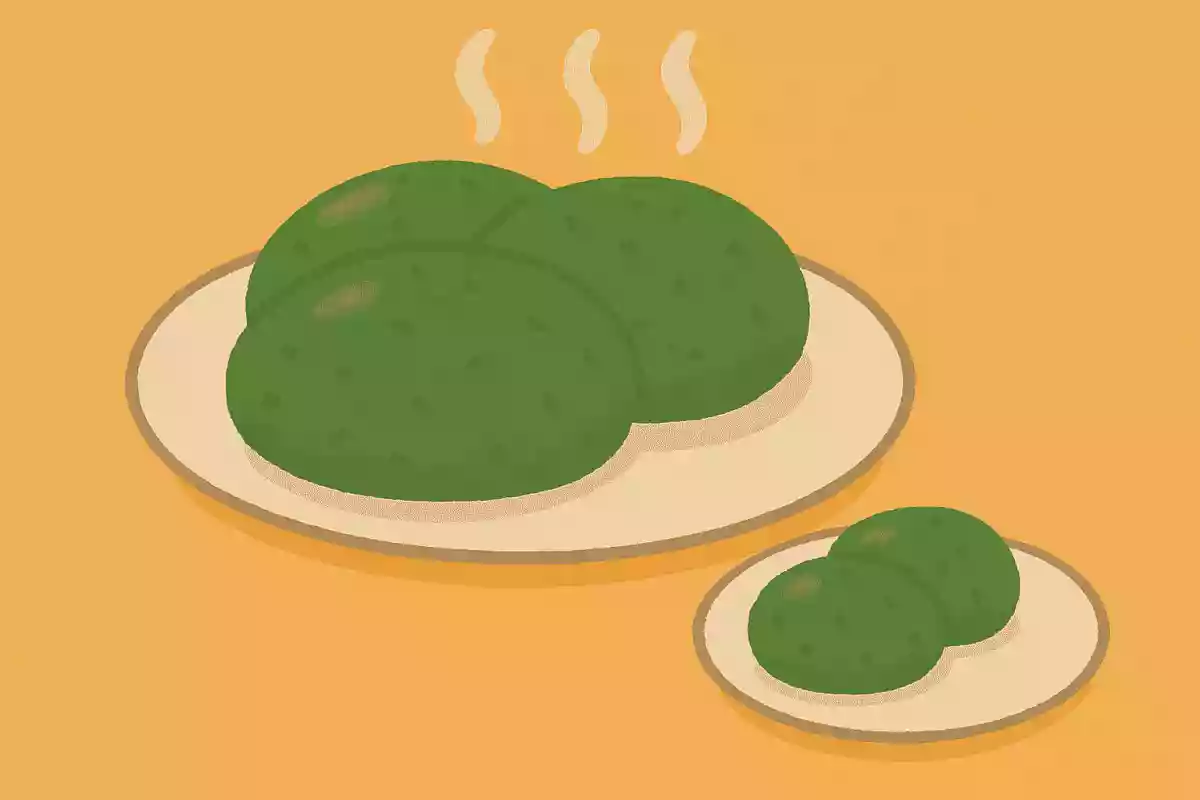
At first glance it looks easy, yet somehow it’s hard… Everyone’s had that experience, I think.
Tongue twisters can evoke that same feeling.
A prime example is: “On the large plate, a large mugwort rice cake; on the small plate, a small mugwort rice cake.” Unlike phrases that are blatantly designed to make you stumble, like “The riddle of the banana’s riddle is riddling, but the banana’s riddle is still a riddle,” this one somehow becomes unpronounceable when you actually try to say it.
Give it a try!

In areas like the Kumano-nada and Harima-nada, items such as bananas are also lined up in cupboards.
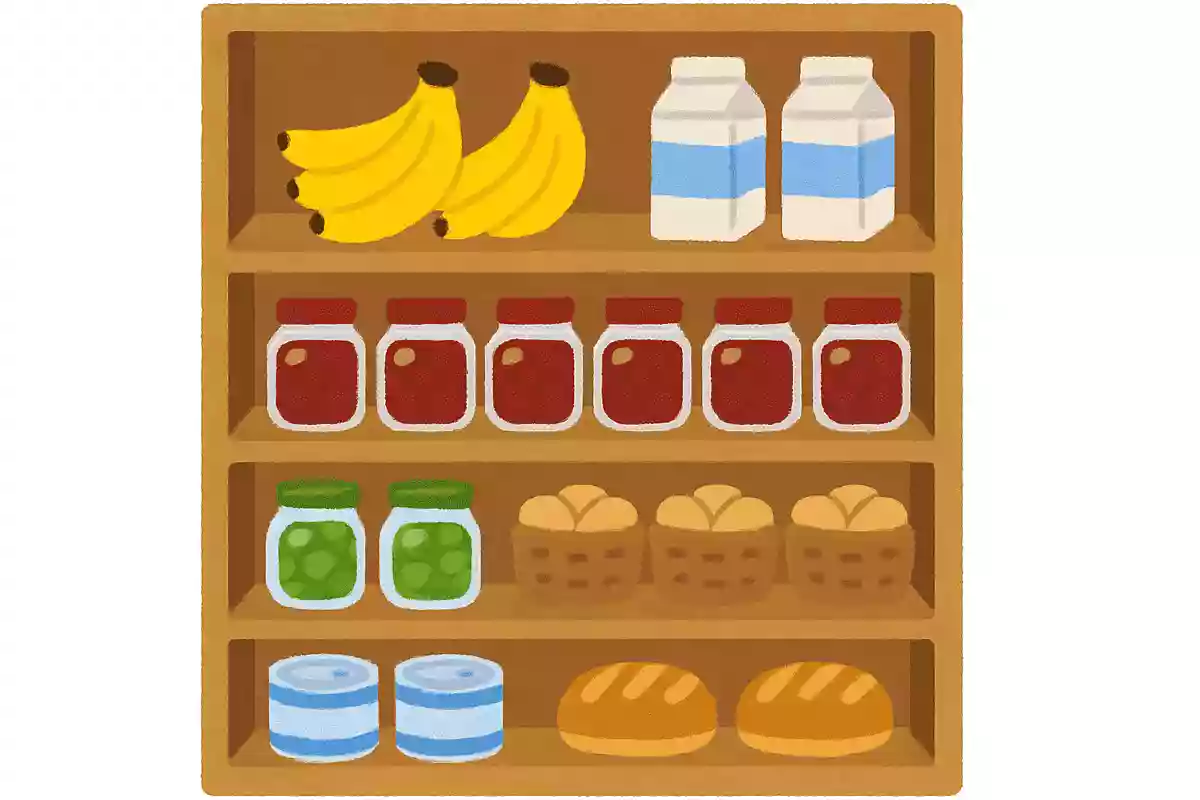
This tongue twister is full of words that include na, da, ya, and so on.
It’s pretty hard to pronounce, isn’t it? For this particular tongue twister, it might be best to first practice saying each word—like Kumano-nada and Harima-nada—perfectly on its own, and then start linking the words together.
It’s also important to think about where to place word breaks and to speak with a steady rhythm.
It’s a very difficult tongue twister to say, but imagining the scene described in the sentence can be part of the fun, too.

Questioning conducted at the upstream distilled water intake site.

This tongue twister features lots of S sounds, which is a pattern people often trip up on.
Tongue twisters that include variations of the S sound are also fairly common in those from other countries.
The classic method is to practice slowly and gradually speed up, but even at a slow tempo, if you decide where to pause and think about the meaning instead of focusing only on the sequence of sounds, it’ll be easier to handle when you pick up the pace.
Also, instead of memorizing everything in hiragana, sometimes it goes better if you look only at the kanji while you say it.
If you are going to dance, learn the principles of dancing and dance in accordance with those principles.
This tongue twister, which starts with a phrase reminiscent of the Tokyo Ondo lyrics, is actually easier to say smoothly than you might expect if you think about the structure of the sentence and where the accents fall.
If you place the accent on dōri (reason) and tōri (street/way) and draw them out a bit, it becomes easier to balance the sentence and it gets simpler—so give it a try.
Still, there are so many tongue twisters in the world; it makes you curious about who comes up with them and how, doesn’t it?
The shoulder massager I bought was expensive.

Are there any tongue twisters this short that are still quite difficult? The random alternation of K and T sounds makes it hard to say, and you can’t just power through on momentum.
In the second half, “takakatta” often turns into “katakatta,” right? Also, “katatakiki” (shoulder-massager) itself is really hard to pronounce, so there are other tongue-twister variations that include it.
“Atatakaki katatakiki” is one example, but it’s so short and still so hard to say—so frustrating! Please give it a try and practice, everyone.
Challenging Tongue Twisters: Introducing High-Difficulty Phrases and Sentences! (21–30)
Oh yeah, I split my bike and ended up messing it up, so I had to hurry and go kick the bike.
“Speaking of which, my bike ended up breaking, so I had to hurry to the bike shop” is a dialect phrase used around Nagoya and Mikawa, and it’s also known as a tongue twister.
It means, “Come to think of it, my bicycle broke, so I had to quickly go to the bike shop.” “Sou iya” corresponds to the standard “sou ieba” (“speaking of which”), “ketta” means “bicycle” and is commonly used in Aichi Prefecture, “kowakete matta” means “ended up breaking,” “chatto” means “quickly” or “in a flash,” and “ikanakankatta” means “had to go.” Because similar sounds repeat, it becomes a bit tricky to say quickly, making it a fun sentence.
