

Challenging tongue twisters: Introducing high-difficulty phrases and sentences!

Tongue twisters exist in every country.
I think everyone in Japan has been familiar with them since childhood.
This time, I’ve picked out only the especially difficult tongue twisters.
You’ll find not only long, complicated ones, but also very short tongue twisters that are surprisingly hard to say.
Although tongue twisters might seem like they’re just for kids, adults can enjoy them too at parties or drinking gatherings.
If you practice in advance, you might even become the center of attention in those situations.
Now then, please sit back and enjoy!
- Tongue twisters that will make you laugh out loud! Super funny
- [Diction Training] A Collection of Tongue Twisters to Improve Articulation
- A collection of long tongue twisters. Also recommended for practicing announcements and narration.
- Nagoya dialect tongue twisters are exquisite! A fun collection where your tongue gets tied in knots with regional dialects
- Challenge together! A roundup of word games for adults
- “Chau chau, anta” — a Kansai-dialect tongue twister. A phrase only Kansai folks can say.
- Bursting into laughter! A roundup of Hakata dialect tongue twisters
- [Recreation] Challenge! A roundup of tongue twisters recommended for elementary school students
- [Challenging and Fun!] Quizzes & Riddles for Adults
- Chinese tongue twisters: A collection of rao kou ling helpful for learning Chinese
- Perfect for pronunciation practice! A collection of English tongue twisters.
- [Trick Quiz] Quiz Questions That Excite Everyone from Kids to Adults
- Get Caught? Or Not!? Simple Ways to Kill Time During Class
Challenging Tongue Twisters: Introducing High-Difficulty Phrases and Sentences! (21–30)
Infirmity Prevention Hospital, Preventive Ward, Infirmity Prevention Act
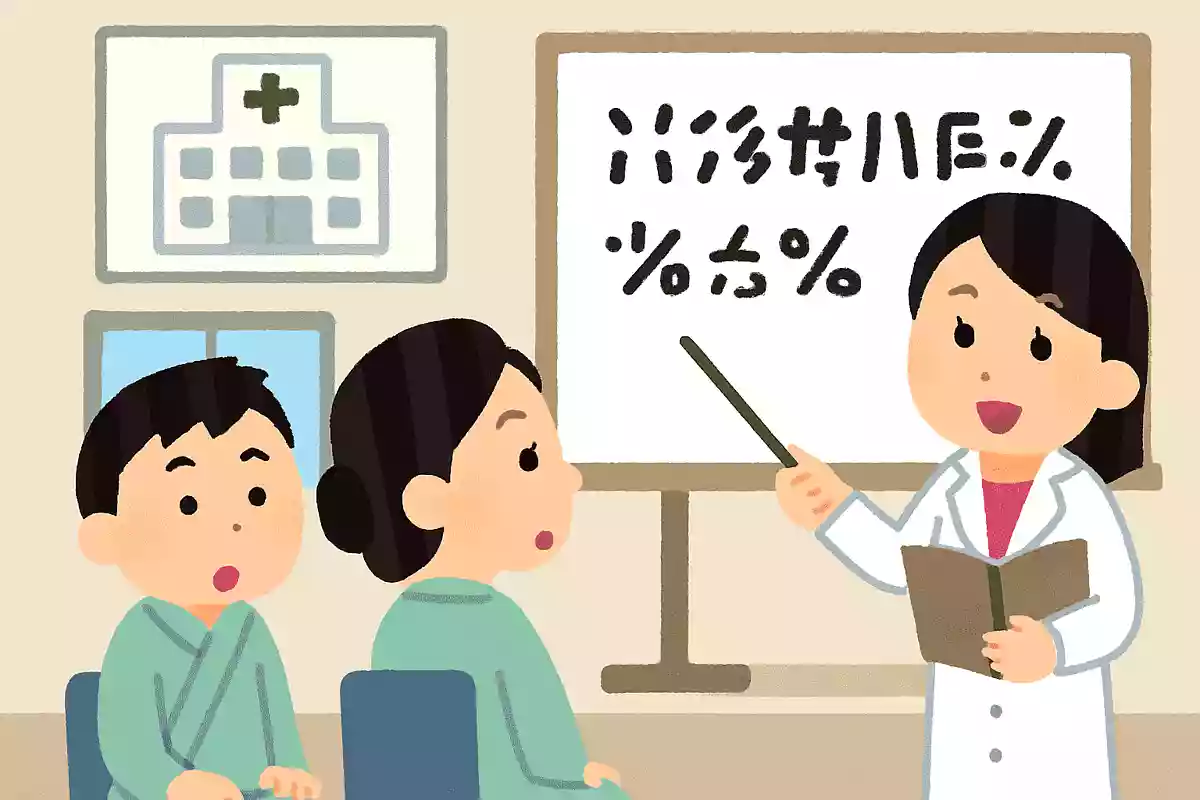
Each language has its own distinctive patterns.
In Japanese, it’s rare for “bo” to be used repeatedly within a single phrase, and it’s said that Japanese speakers find that kind of sound challenging.
This tongue twister—“Yoboyobo disease prevention hospital, prevention ward, yoboyobo disease prevention method”—is a true Japanese-speaker killer that targets just that weakness.
The repeated combo of “bo” and “yo” can send your lips into a panic, but if you pronounce “bo” like a bass drum in beatboxing, it becomes somewhat easier to say, so give it a try.

Runaway conductor, cleaning the train window
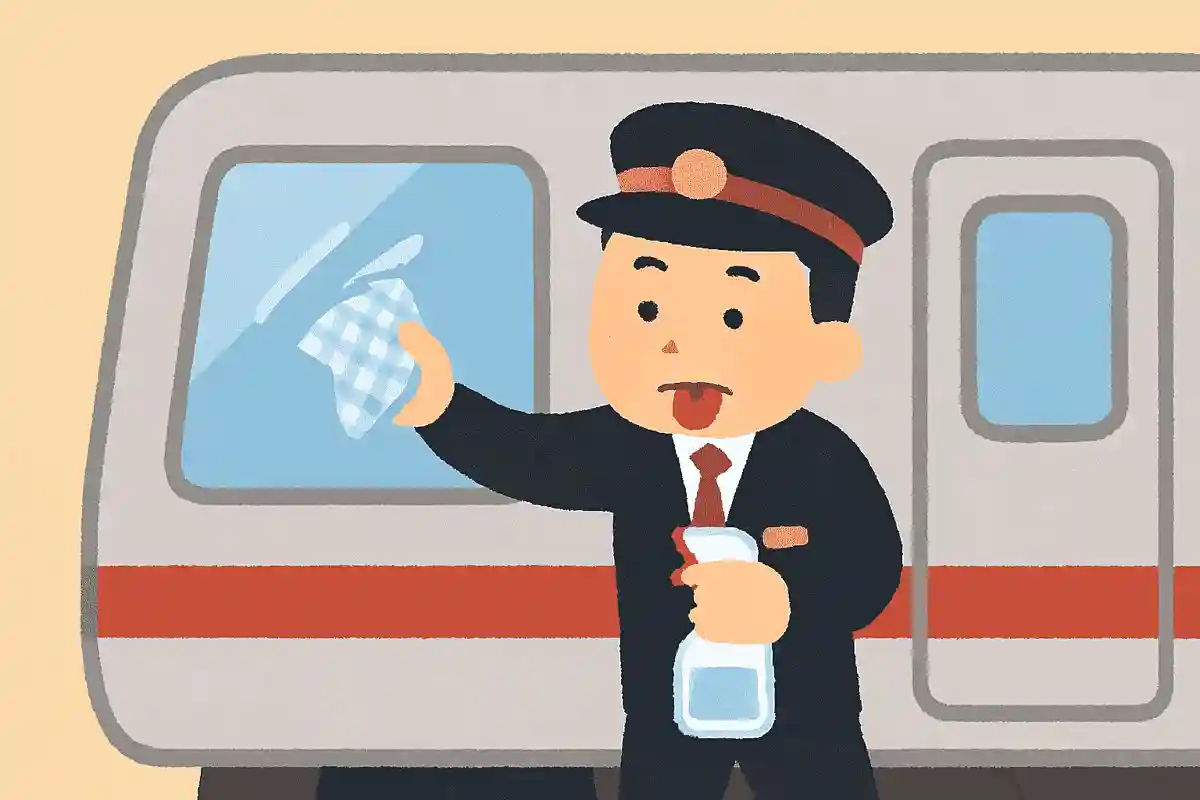
It’s not just tongue twisters—there are words that are hard to say in everyday speech too.
The word “shashō” (train conductor) is a prime example.
Here’s a high-difficulty tongue twister that uses it: “Bōsō shashō, shasō seisō-chū” (“A rampaging conductor, cleaning the train window”).
The “shasō” (train window) that follows “shashō” is devilishly tricky, and then “seisō” (cleaning) piles on the challenge.
It’s short, but extremely difficult, so if you’re confident in your articulation, give it a try.
export car export hot water export vinegar
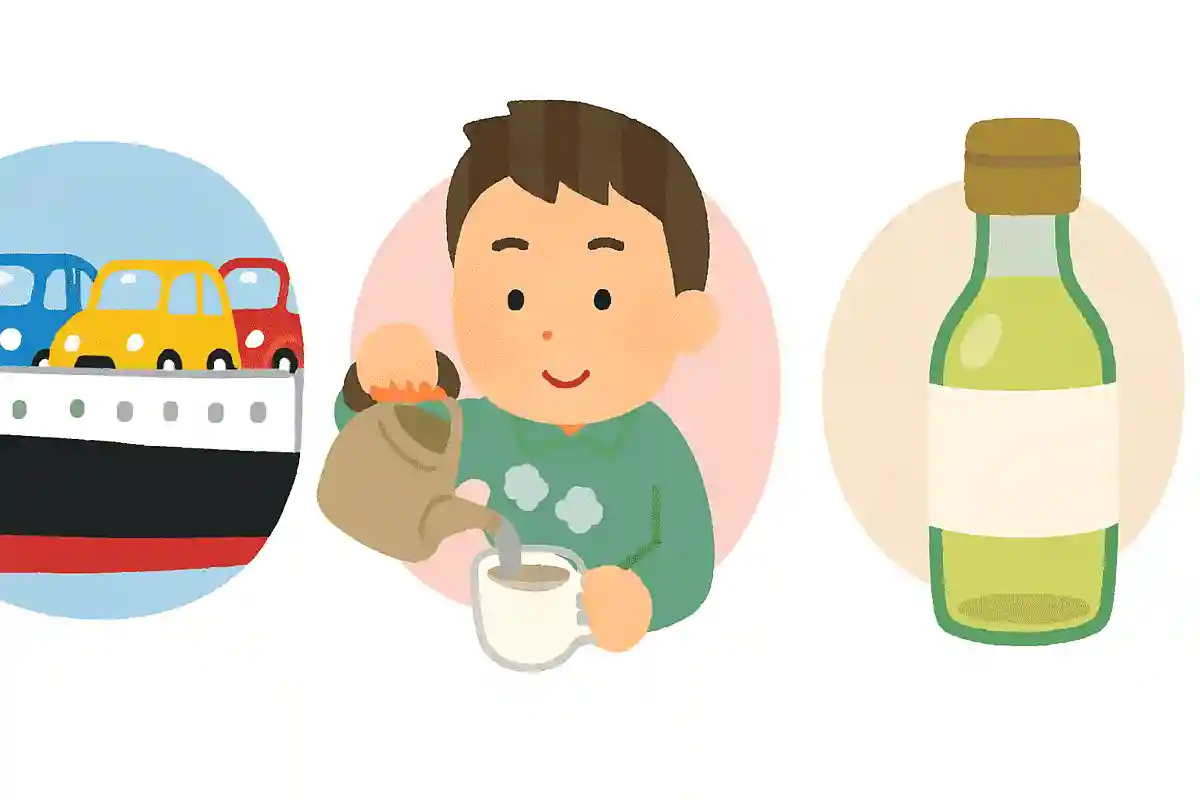
Because Japanese uses clearly articulated consonants, clusters like “shu” and “pyo” aren’t culturally common to say.
This tongue twister—“Yushutsusha yushutsu yu yushutsu su” (Export car, export hot water, export vinegar)—focuses on the “shu” sound.
Many of the tongue twisters I’m introducing this time are quite long, but despite its brevity, this one is fiendishly difficult.
The combination of “shu” and “tsu” seems to be easy for French and German speakers, so if you have international student friends, why not try tackling it together?
I told you to take it, so why didn’t you take it? I thought you were taking it.

A slightly chuckle-worthy tongue twister where the sounds “chi” and “to” pop up again and again.
Its charm is that when you try to read it, your mouth gets tangled and you can’t help but laugh.
For children, it becomes practice in moving the tongue while playing, and for adults, it can be enjoyed as a tongue exercise.
There’s even a story-like exchange of “I told you to do it but you didn’t… or so I thought, but actually you did,” so when you read it aloud, it feels like a little conversation.
Each repetition changes the rhythm and timing, so you discover new fun every time you read it.

A small pimple on the right ear

There’s a fun, tongue-tangling charm in repeating words.
As you say “Migi mimi ni mini nikibi, migi mimi ni mini nikibi” over and over, you naturally pick up a sense of rhythm, and it also exercises your tongue and mouth.
Kids can take it on as a playful challenge, and adults can enjoy it as a tongue workout—that’s the appeal.
Plus, the images of ears and pimples pop into your head, giving it a humor that makes you smile just by reading it.
Because the rhythm and timing shift with each repetition, you make new discoveries every time you read it and can savor the joy of speaking out loud.
A noble enemy’s shoulder-tapping machine, devoted to a vertically written letter dashed off with its mane bristling; to drawing shadows that locked a key on a half-scorched bamboo fence of a horsehair crab set out with a detective to a cliff and a surgeon; and to writing a radical opera, chipped a bamboo stand propped up halfway.

A tongue twister packed with continuous sounds that tangle your tongue—perfect for a real challenge.
In this long phrase, similar sounds like “ka,” “ke,” “ta,” and “ki” appear over and over, so when you speak it aloud your mouth quickly can’t keep up.
Kids can tackle it playfully while imagining a story, and adults can enjoy it as an exercise for the tongue and mouth or for pronunciation practice.
Each reading changes the rhythm and pacing, letting you savor both the joy of voicing it and a good laugh at the same time.
By repeating complex sounds, it offers both a sense of challenge and accomplishment—an ultra-advanced tongue twister!
Red Myakumyaku, Blue Myakumyaku, Yellow Myakumyaku

A tongue-twister so fiendishly hard it’ll tie your tongue in knots, bursting with playful rhythms of color and sound.
Because the repeated “Myaku-Myaku” appears over and over, saying it aloud naturally tangles your mouth and sparks laughter.
The key is that both kids and adults can enjoy it like a game.
Images of red, blue, and yellow pop into your head, letting you imagine a little story just by reading, which makes speaking it out loud even more fun.
Each repetition shifts the rhythm and timing, so every attempt brings new laughs and fresh discoveries.
Try it once and you’ll be hooked—this is a notoriously tricky tongue-twister.