

Learn the meanings too! Cool four-character idioms that elementary school students will want to remember

“I want to learn some cool four-character idioms!” Many elementary school students probably feel that way—wanting to use them in school essays or speeches, or even make them their future goals.
Four-character idioms are full of words that express strong will and admirable attitudes.
Because they carry deep meanings, the more you learn about them, the more appealing they become.
Even though they’re just four characters long, many of them really resonate in your heart.
In this article, we’ll introduce four-character idioms that are easy for elementary school students to remember and use.
If you try them in conversations with friends or in your writing, you’re sure to develop wonderful expressive skills.
- Interesting four-character idioms for elementary schoolers! Words you'll want to use once you understand their meanings
- For Elementary School Students: Four-Character Idioms You Can Use for New Year’s Resolutions — How to Set Cool Goals!
- Easy-to-remember, positive four-character idioms for elementary school kids! Words that brighten the heart
- Popular even among elementary school students! Stylish and easy-to-remember four-character idioms
- Easy for elementary school students to remember! A four-character idiom that expresses the feeling of trying your best
- [For Elementary School Students] Four-character idioms you can use in sports! Words that are helpful for cheering and goal setting
- [For Elementary Students] A Collection of Beautiful Four-Character Idioms to Know
- Recommended for elementary school class goals! A collection of impactful ideas using four-character idioms
- Perfect for elementary school slogans! A collection of four-character idiom ideas you'll want to use
- Four-character idioms that help elementary schoolers not give up: words that spark the power to keep trying
- [For Elementary School Students] Inspiring Four-Character Idioms for Shaping the Future at a Glance! Words that Spark Courage
- [Elementary School Students] Perfect for Kakizome! A Collection of Four-Character Idiom Ideas
- Strive toward your goals! Four-character idiom ideas that resonate with elementary school students
Learn Meanings Too! Cool Four-Character Idioms Elementary Schoolers Want to Remember (1–10)
battle-hardened; seasoned (literally: experienced in a hundred battles)
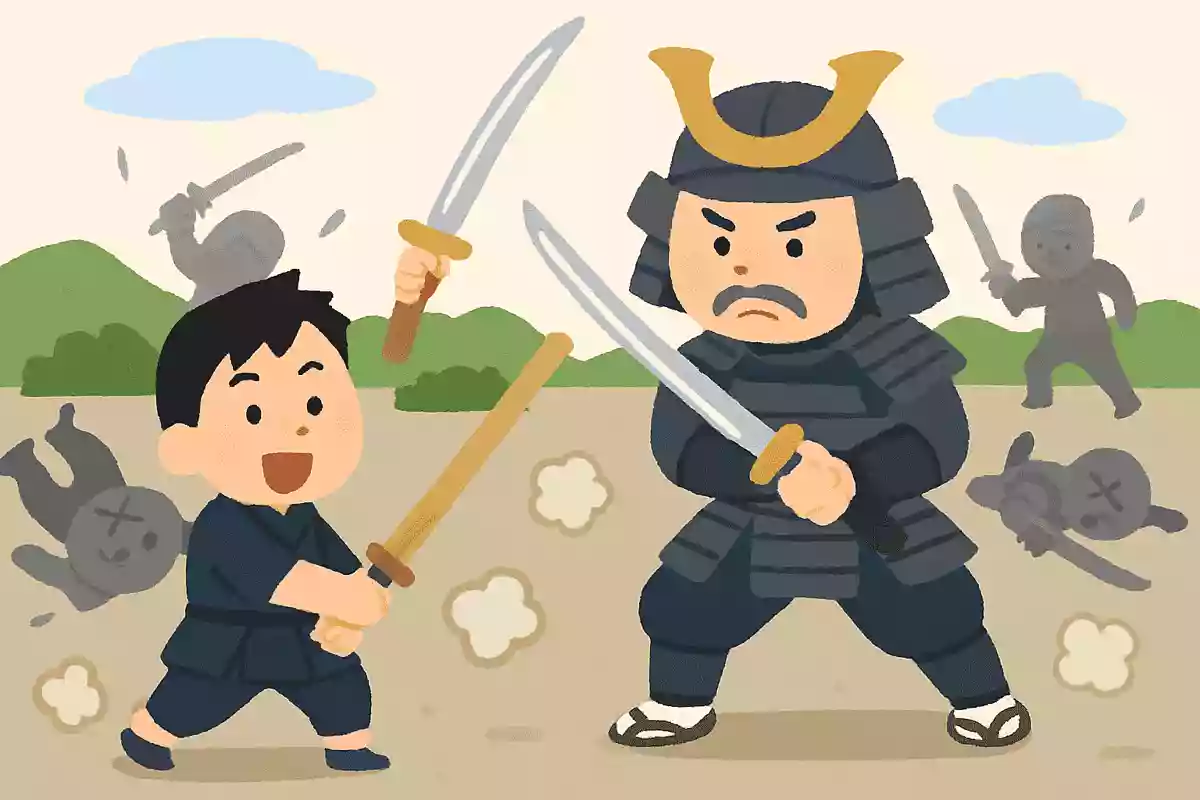
This four-character idiom describes an excellent state in which one’s martial skills, mind and body, and abilities have been honed through numerous real battles and experiences.
“Hyaku” (hundred) signifies a large number, expressing repeated combat, while “renma” means to polish and refine martial arts.
By using this phrase, you convey that you’ve thoroughly accumulated experience and also express the will to push forward.
It evokes the image of mustering confidence to advance by making use of all past experience.

flexible; adaptable; responding appropriately to the situation
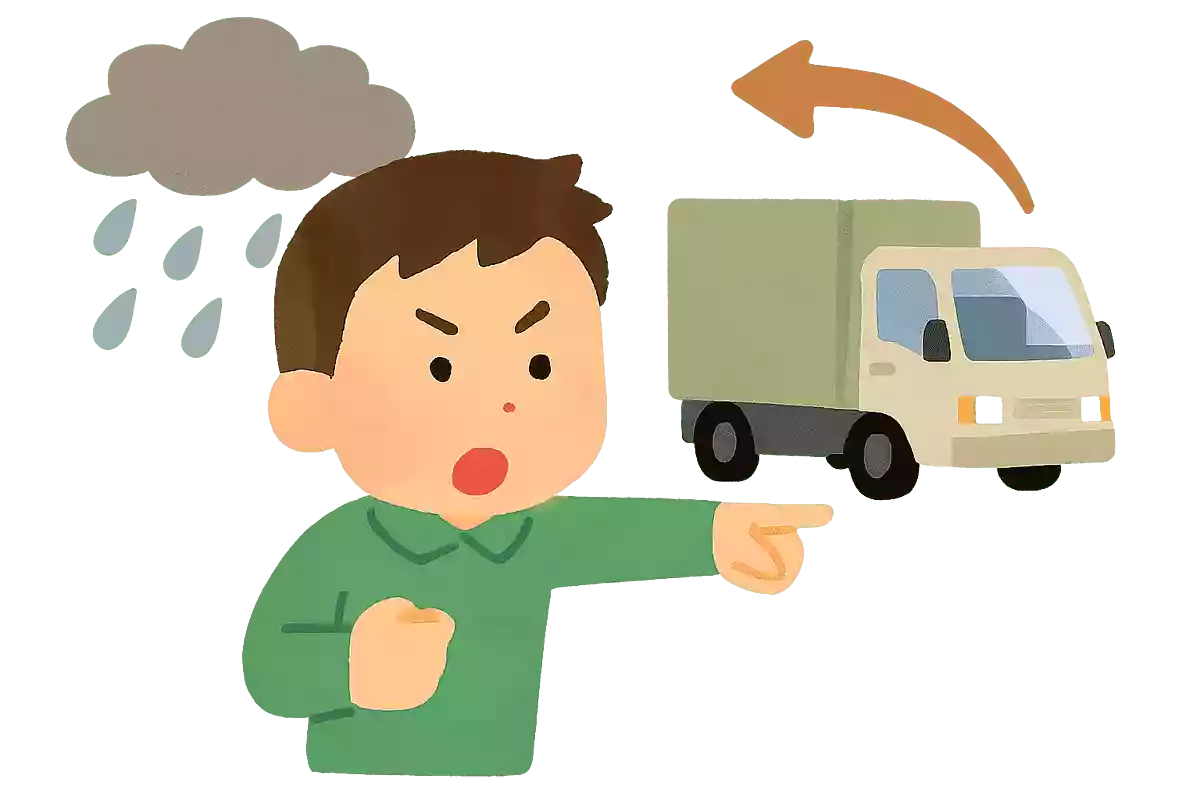
Taking appropriate actions according to the situation at hand—that is what we call being “flexible and adaptable.” For example, saying, “We planned to go to the pool today, but since it started raining, we decided to watch anime at home instead,” is an example of adaptability.
Even when faced with bad weather, finding another way to enjoy yourself—isn’t that wonderful? Take this opportunity to learn the term ‘flexible and adaptable’ (rinkiohen), and be sure to develop the ability to handle troubles with resilience and flexibility.

self-praise

This is a four-character idiom that describes praising or boasting about one’s own actions and thoughts.
It comes from the image of someone writing a poem or prose praising a picture they themselves painted.
People often confuse the characters for “painting” and “self,” so be careful.
Because it carries a strong negative nuance and is mainly used to criticize conceited people, you should use it with caution.
If you deliberately apply it to yourself, though, it can suggest that you’re moving forward in your own way and taking on challenges with confidence.
Learn the meanings, too! Cool four-character idioms elementary schoolers will want to remember (11–20)
killing two birds with one stone

They say, “If you take a walk in the park, you can refresh your mind and make up for a lack of exercise—truly killing two birds with one stone.” This means that by walking in the park and moving your body, you’ll both lift your spirits and address insufficient exercise.
It’s a four-character idiom used to express gaining two benefits or results from a single action.
When using the idiom ‘ikkyō ryōtoku’ (killing two birds with one stone), clearly explaining what action you take and what benefits or results you gain will make your point more persuasive and easier for others to understand.

Once-in-a-lifetime encounter
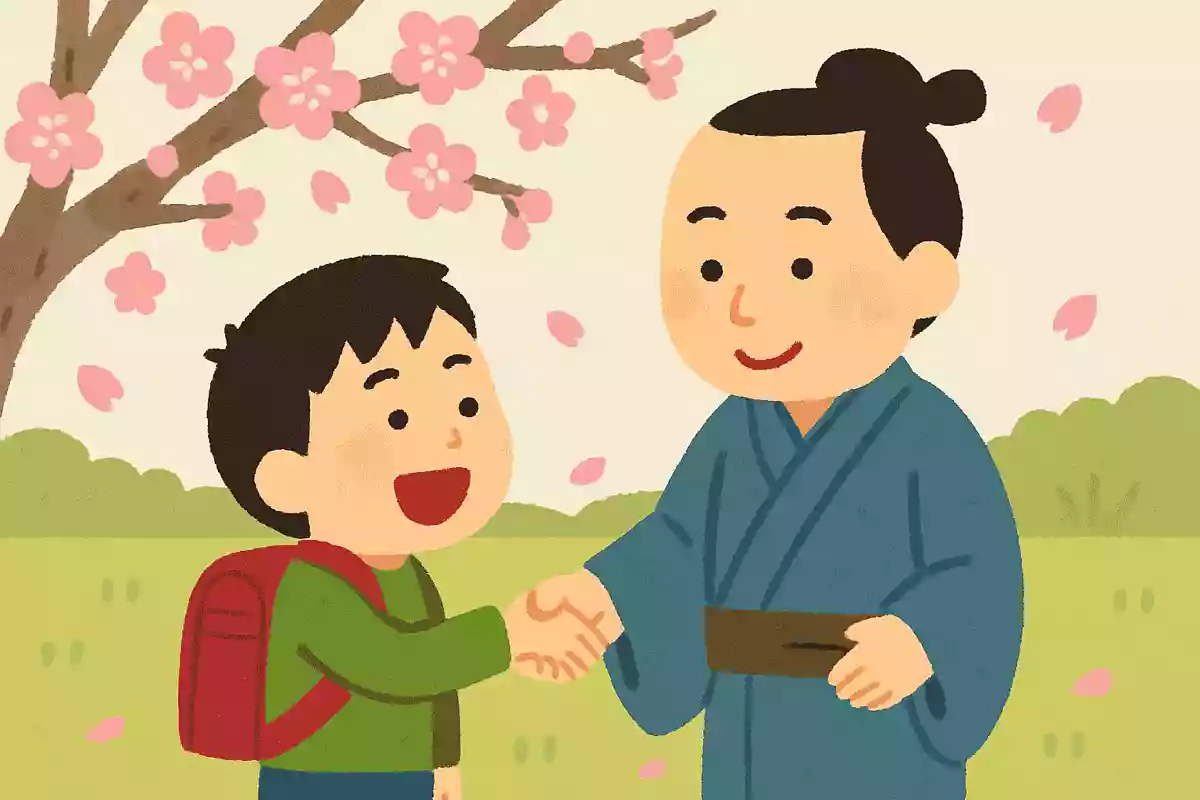
The four-character idiom “ichigo ichie” carries the meaning of cherishing the special, once-in-a-lifetime moment at hand, and is rooted in the teachings of the tea master Sen no Rikyū.
Through the words of Rikyū’s disciple Yamanoue Sōji, the phrase spread in the Edo period when the tea master Ii Naosuke recorded it as “ichigo ichie” in his collection Tea Gatherings: Once-in-a-Lifetime Meetings.
“Ichigo” means “a lifetime,” and “ichie” means “a single tea gathering.” It’s a beautiful saying that encourages both the host and the guests of a tea gathering to approach the occasion with wholehearted sincerity, as if it were a once-in-a-lifetime moment.
friendly rivalry; mutual improvement through competition
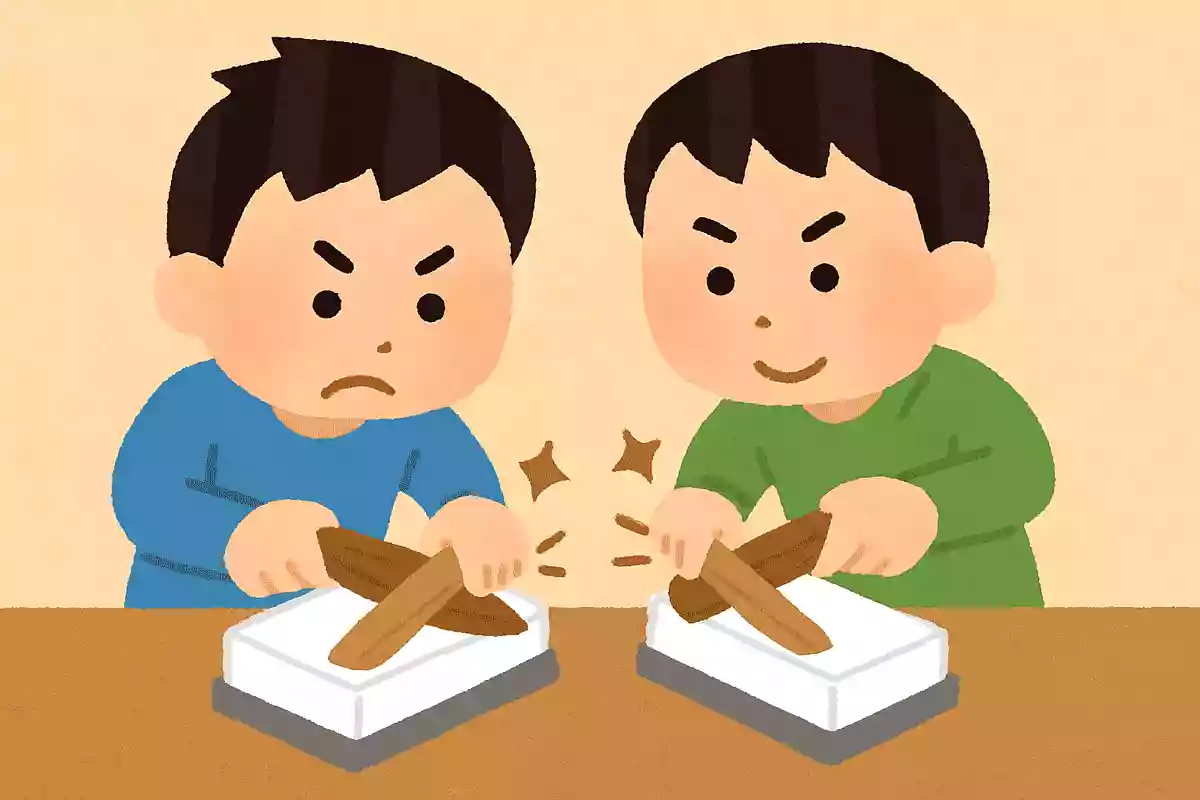
He says, “I’ve been able to grow this far by spurring each other on with my cohort at the company.” This means that because there was someone who joined the company at the same time as he did, he worked hard with the determination not to lose to him—both as a rival and as a teammate—and they grew by pushing each other to improve.
The term “sessatakuma” refers to mutually encouraging and competing with one another to improve in work, study, and as human beings.
It’s a four-character idiom used for relationships within a group or team where people positively stimulate each other and boost motivation.
a hard-fought struggle
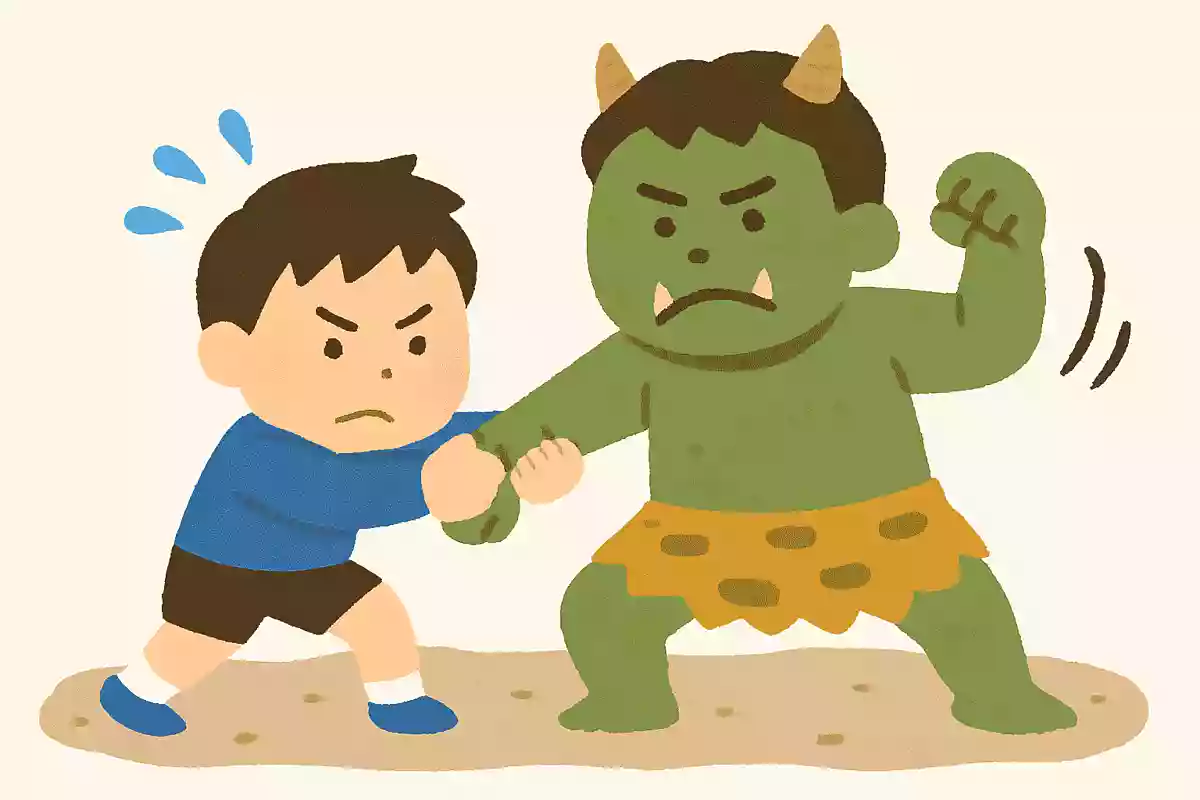
“Akusen-kutou” refers to struggling through a very difficult battle and making every effort to overcome it.
In sports matches or games where there’s a winner and a loser, you sometimes find yourself on the verge of defeat.
But you can’t win if you give up there.
Remember the word “akusen-kutou” and hang in there.
By doing so, you might just turn the situation around.
The strength to never give up, no matter the circumstances, will surely become a great source of power for you.