

[For Elementary School Kids] A New Year’s Quiz Everyone Can Enjoy! Learn surprising fun facts with multiple-choice questions


When it comes to New Year’s in Japan, there’s so much to enjoy—osechi cuisine, New Year’s money (otoshidama), and the first shrine visit of the year (hatsumode).
But why is there a mandarin orange placed on top of kagami mochi? And what should you do after drawing an omikuji fortune? Have you ever been stumped when your child asked you about these unexpected New Year’s tidbits? Here, we’ve gathered a collection of New Year-themed quizzes that both kids and adults can enjoy together.
From the New Year deity (Toshigami-sama) to the proper timing of the first dream (hatsuyume) and the origins of ozoni soup, this is full of Japanese traditions you might think you know—but don’t.
Challenge yourselves as a family over the New Year holidays and savor Japanese culture more deeply!
- Let's get excited with a New Year quiz! General questions about the Japanese New Year
- [For Kids] January Trivia Quiz & Fun Facts: Learn About the New Year in a Fun Way
- Fun facts you’ll want to share! January trivia and tidbits special
- Fun quizzes for elementary school kids: a collection of questions everyone can enjoy together
- Easy Riddles for Elementary School Students
- [For Kids] December Trivia Quiz & Fun Facts! Learn about seasonal events and traditions!
- [Simple and Fun] New Year’s Quizzes Recommended for Seniors
- [For Elementary School Students] Exciting Christmas Quiz! Fun and Educational Questions
- [For Kids] Today’s Quiz Roundup. Let’s play quizzes about today! [May 2026]
- [Trick Quiz] Quiz Questions That Excite Everyone from Kids to Adults
- So interesting you’ll want to tell someone! December Trivia & Fun Facts Special
- [For Seniors] Brain-training quizzes for January: Let’s have fun with New Year and winter trivia
- [Fun!] Quizzes to Liven Up a Christmas Party
[For Elementary School Students] A New Year Quiz Everyone Can Enjoy! Learn surprising fun facts with multiple-choice questions (1–10)
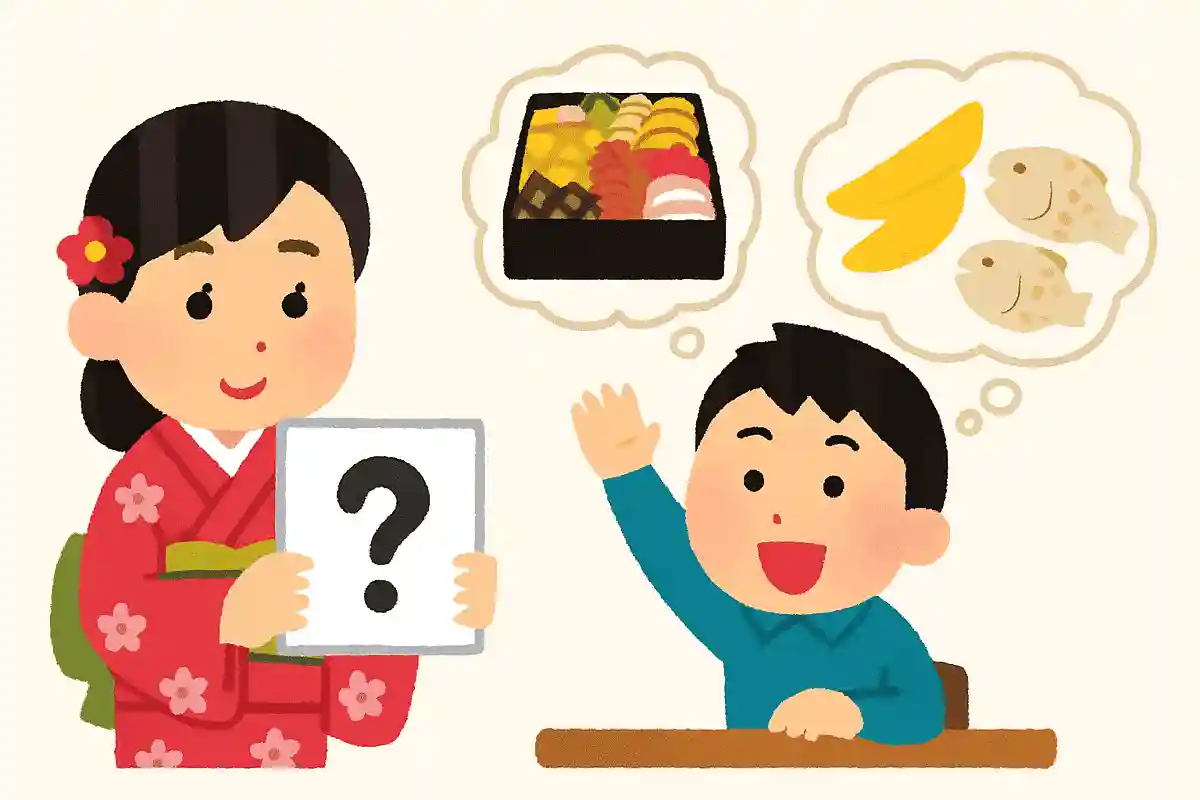
What kind of eggs are the kazunoko in osechi made from?
- salmon
- herring
- flying fish
See the answer
herring
Kazunoko is herring roe. The kazunoko used in osechi cuisine is considered an auspicious food that symbolizes wishes for fertility and family prosperity, making it an essential ingredient for the Japanese New Year. Because herrings lay a large number of eggs, their roe, kazunoko, is eaten with the hope of being blessed with many children. Its popping texture is also distinctive, and it has long been cherished as a traditional New Year’s dish in Japan.

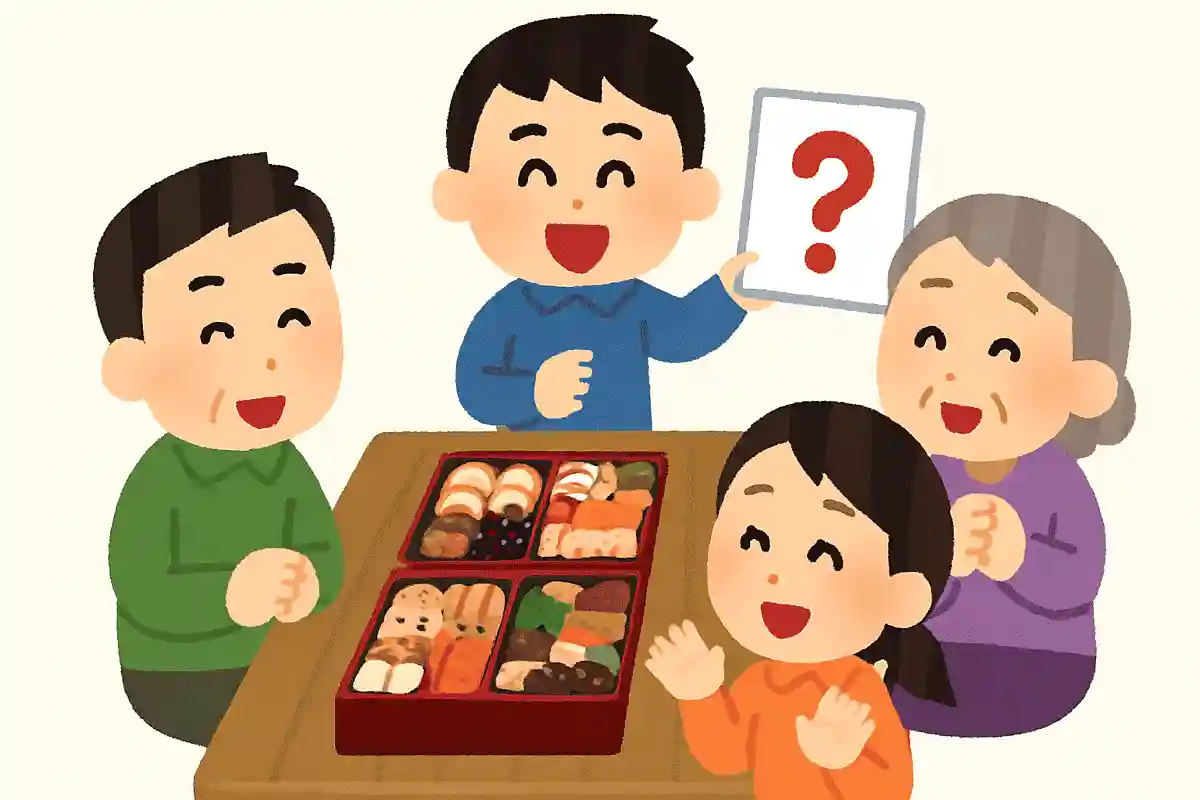
Why do we pack osechi dishes into tiered jubako boxes?
- To reduce the burden of doing the dishes
- To share (with others)
- A wish for layers of good fortune and auspiciousness to overlap
See the answer
A wish for layers of good fortune and auspiciousness to overlap
Stacking osechi dishes in layered jubako boxes carries the wish that good fortune and auspiciousness will come in many layers. In traditional Japanese culture, “layering” itself holds meaning, embodying the hope that a family’s happiness and prosperity will continue in multiple layers. For this reason, the practice has been passed down not only for visual beauty and preservation, but as a distinctly Japanese custom that values auspiciousness.
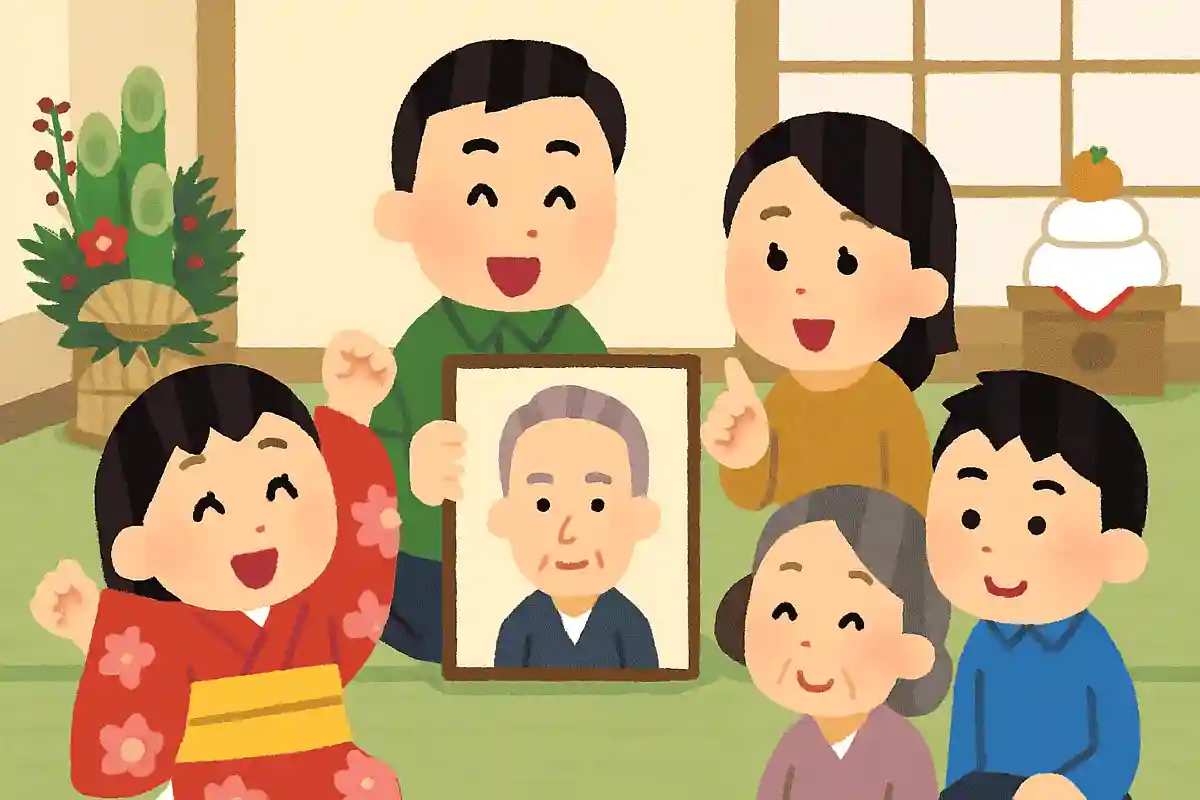
Who composed the children’s song “Oshogatsu”?
- Yuji Koseki
- Rentarō Taki
- Takashi Miki
See the answer
Rentarō Taki
The children’s song “Oshōgatsu” is a famous nursery rhyme that depicts traditional Japanese New Year scenes. It was composed by Rentarō Taki, a composer active from the Meiji to Taishō periods. Taki also created masterpieces such as “Kōjō no Tsuki” and “Hana,” and he had a significant impact on the history of Japanese music. “Oshōgatsu” is loved by people of all ages, from children to adults, and is often sung at schools and at home during the New Year season.
[For Elementary School Students] A New Year’s Quiz Everyone Can Enjoy! Learn surprising trivia in a fun 3-choice format (11–20)
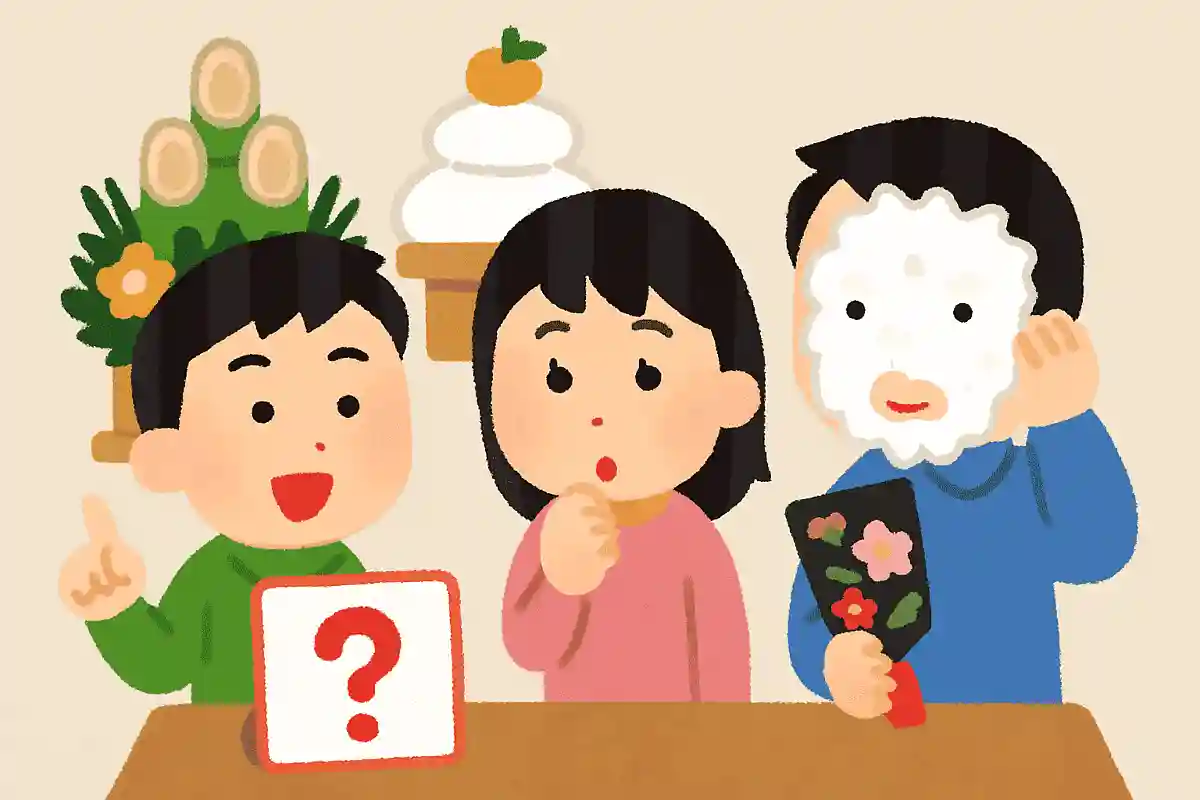
What do you paint on the face as a penalty in hanetsuki?
- fresh cream
- paint
- ink
See the answer
ink
Hanetsuki is one of Japan’s traditional New Year’s games. There has also long been a custom that, as a penalty for losing at hanetsuki, you paint the loser’s face with ink. Black is considered a color that demons dislike, and this practice arose with the meaning of warding off evil. Painting ink on the face creates laughter and lets people enjoy the uniquely relaxed atmosphere of the New Year. It’s a fun custom that has been loved by both children and adults since long ago.
What kind of mochi do people put in ozoni in Kagawa Prefecture?
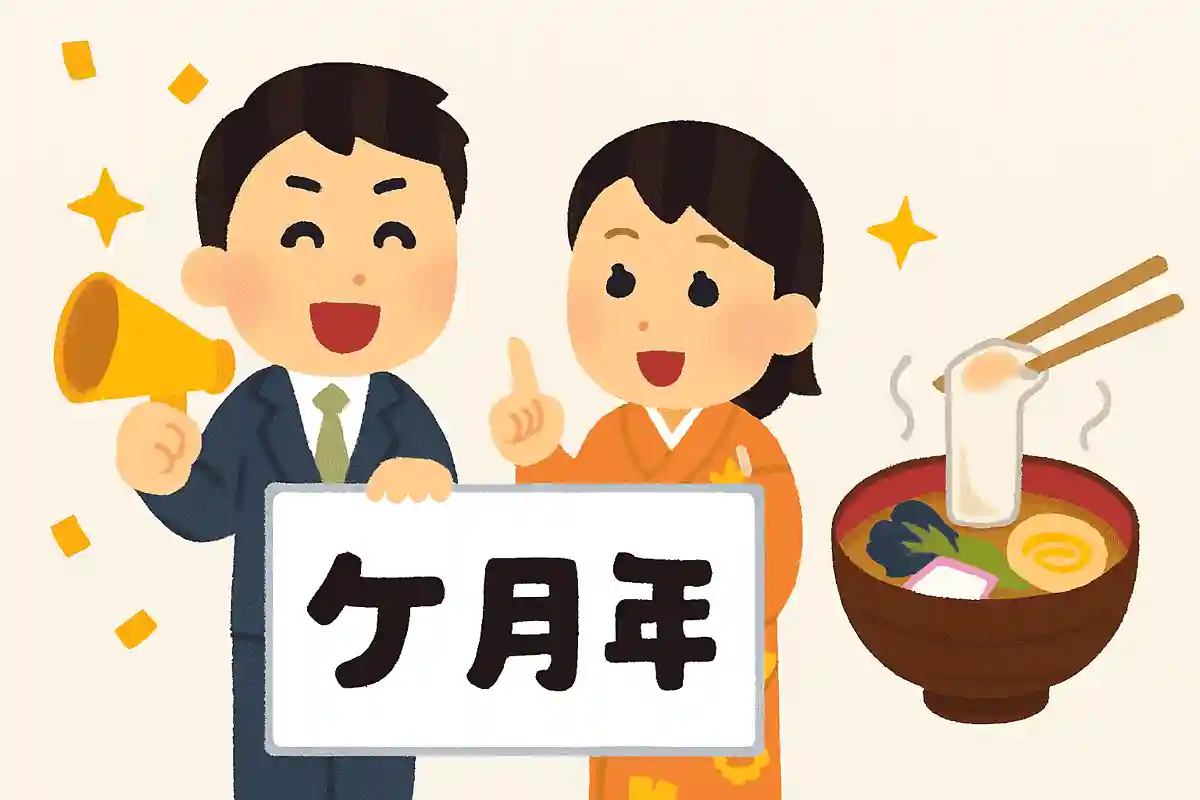
- Rice cake filled with sweet red bean paste
- Kusa mochi (mugwort rice cake)
- kinako mochi
See the answer
Rice cake filled with sweet red bean paste
A distinctive feature of Kagawa Prefecture’s ozoni (New Year’s soup) is that it uses a white miso broth with mochi filled with sweet red bean paste. This unusual combination is famous as a unique part of Kagawa’s culture, and many residents eat ozoni in this style during the New Year. The gentle flavor of white miso pairs exquisitely with the sweetness of the red bean paste, which is why it has been loved for many years. Also, since ozoni varies by region in ingredients as well as the shape and seasoning of the mochi, it’s fun to compare the differences found across Japan.
What is the meaning behind the chestnut kinton included in osechi cuisine?
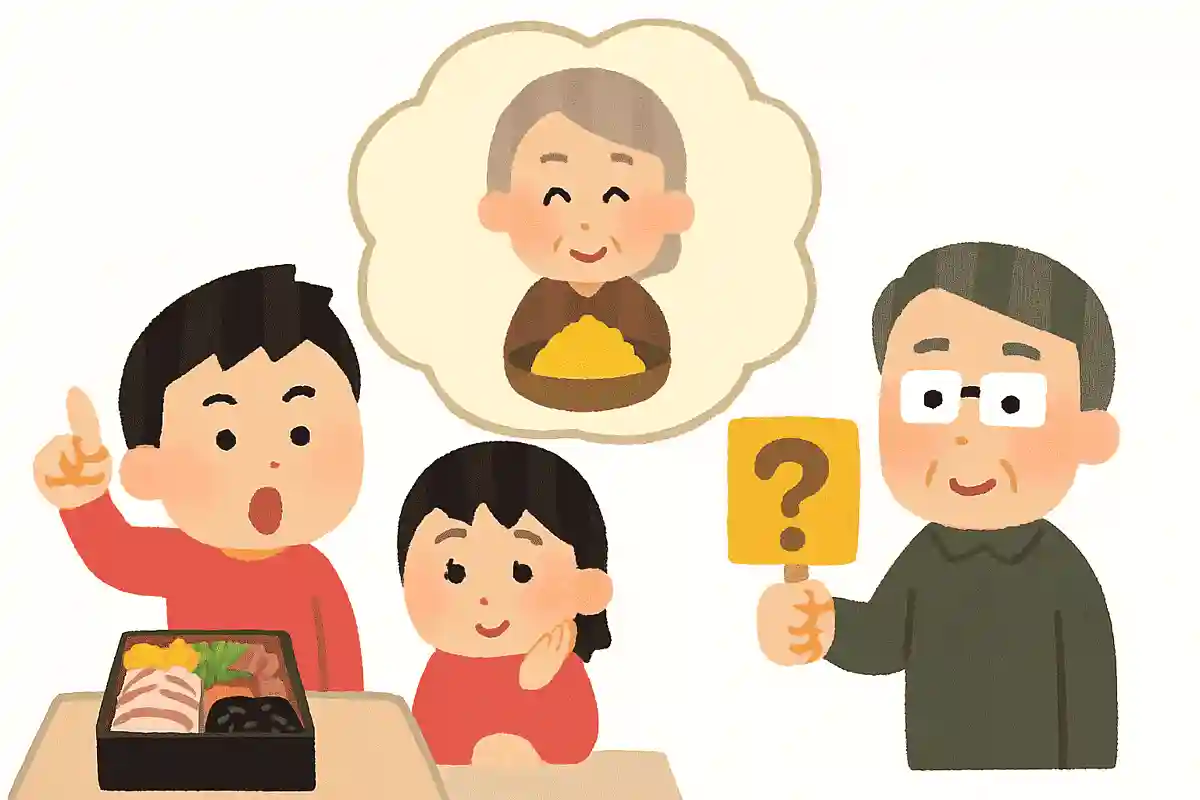
- health luck
- financial luck
- Love fortune
See the answer
financial luck
Kurikinton is one of the most popular dishes in osechi cuisine, and its vivid golden color evokes gold bars and treasure, making it a symbol of good fortune and increased wealth. Eating kurikinton at the start of the new year carries the hope that abundant prosperity will come to one’s household and oneself. Its bright hue also adds a festive touch to celebratory gatherings.
What is the name of the stand that the kagami mochi is placed on?
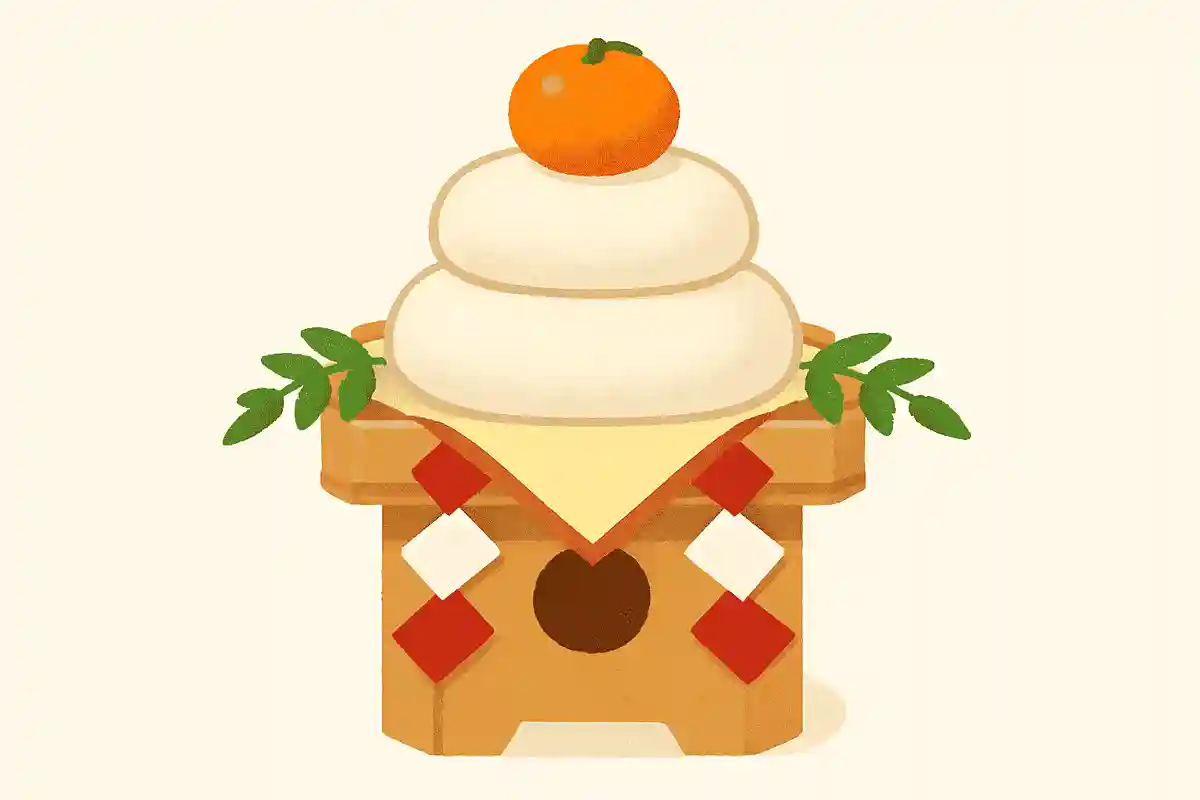
- tray table for serving a meal; individual dining tray (ozen)
- sanpō (a Japanese term meaning “three sides/directions”; also a traditional wooden offering stand used in Shinto/Buddhist rituals)
- household Shinto altar
See the answer
sanpō (a Japanese term meaning “three sides/directions”; also a traditional wooden offering stand used in Shinto/Buddhist rituals)
A sanpō is a stand used in traditional Japanese ceremonies and Shinto rituals, and during the New Year it is used to hold kagami mochi. It is a wooden, square-shaped stand characterized by openings on three of its sides, with the remaining side facing the altar. Offering kagami mochi on a sanpō to the deities expresses gratitude and wishes. It is an essential New Year decoration and an important item that conveys Japanese culture and customs.