

[For Elementary School Kids] A New Year’s Quiz Everyone Can Enjoy! Learn surprising fun facts with multiple-choice questions


When it comes to New Year’s in Japan, there’s so much to enjoy—osechi cuisine, New Year’s money (otoshidama), and the first shrine visit of the year (hatsumode).
But why is there a mandarin orange placed on top of kagami mochi? And what should you do after drawing an omikuji fortune? Have you ever been stumped when your child asked you about these unexpected New Year’s tidbits? Here, we’ve gathered a collection of New Year-themed quizzes that both kids and adults can enjoy together.
From the New Year deity (Toshigami-sama) to the proper timing of the first dream (hatsuyume) and the origins of ozoni soup, this is full of Japanese traditions you might think you know—but don’t.
Challenge yourselves as a family over the New Year holidays and savor Japanese culture more deeply!
- Let's get excited with a New Year quiz! General questions about the Japanese New Year
- [For Kids] January Trivia Quiz & Fun Facts: Learn About the New Year in a Fun Way
- Fun facts you’ll want to share! January trivia and tidbits special
- Fun quizzes for elementary school kids: a collection of questions everyone can enjoy together
- Easy Riddles for Elementary School Students
- [For Kids] December Trivia Quiz & Fun Facts! Learn about seasonal events and traditions!
- [Simple and Fun] New Year’s Quizzes Recommended for Seniors
- [For Elementary School Students] Exciting Christmas Quiz! Fun and Educational Questions
- [For Kids] Today’s Quiz Roundup. Let’s play quizzes about today! [May 2026]
- [Trick Quiz] Quiz Questions That Excite Everyone from Kids to Adults
- So interesting you’ll want to tell someone! December Trivia & Fun Facts Special
- [For Seniors] Brain-training quizzes for January: Let’s have fun with New Year and winter trivia
- [Fun!] Quizzes to Liven Up a Christmas Party
[For Elementary School Students] A New Year’s Quiz Everyone Can Enjoy! Learn surprising trivia in a fun 3-choice format (11–20)
What kind of noodles are good to eat for New Year’s?
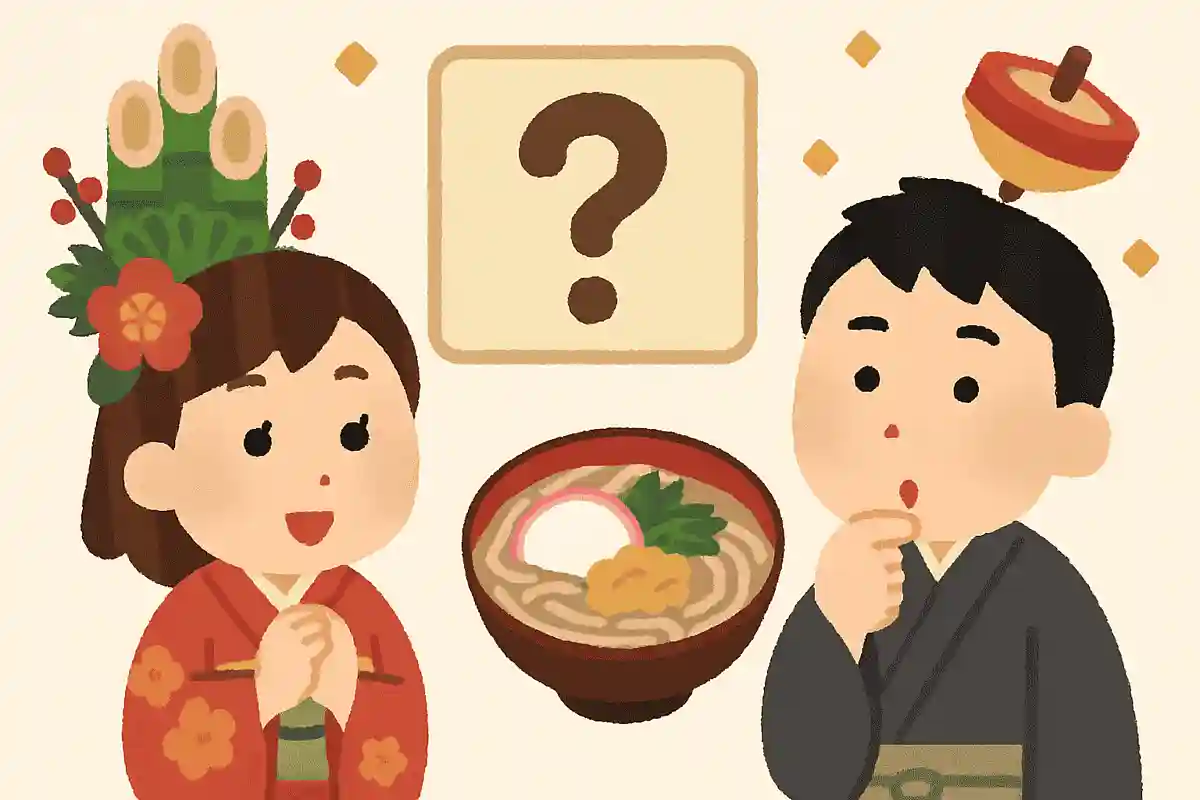
- udon
- soba
- ramen
See the answer
udon
The noodles considered good to eat during the New Year are udon. In some regions, there is a custom of eating udon for good luck alongside ozoni and osechi dishes. In places like Kagawa Prefecture, there is a tradition called “Toshiake Udon” (New Year’s Udon), where people eat white udon at the start of the year to pray for good fortune and longevity. It carries the meaning of wishing for a year free of illness and for the health of one’s family, making it a festive addition to the New Year’s table.

Originally, what was given as otoshidama if not money?
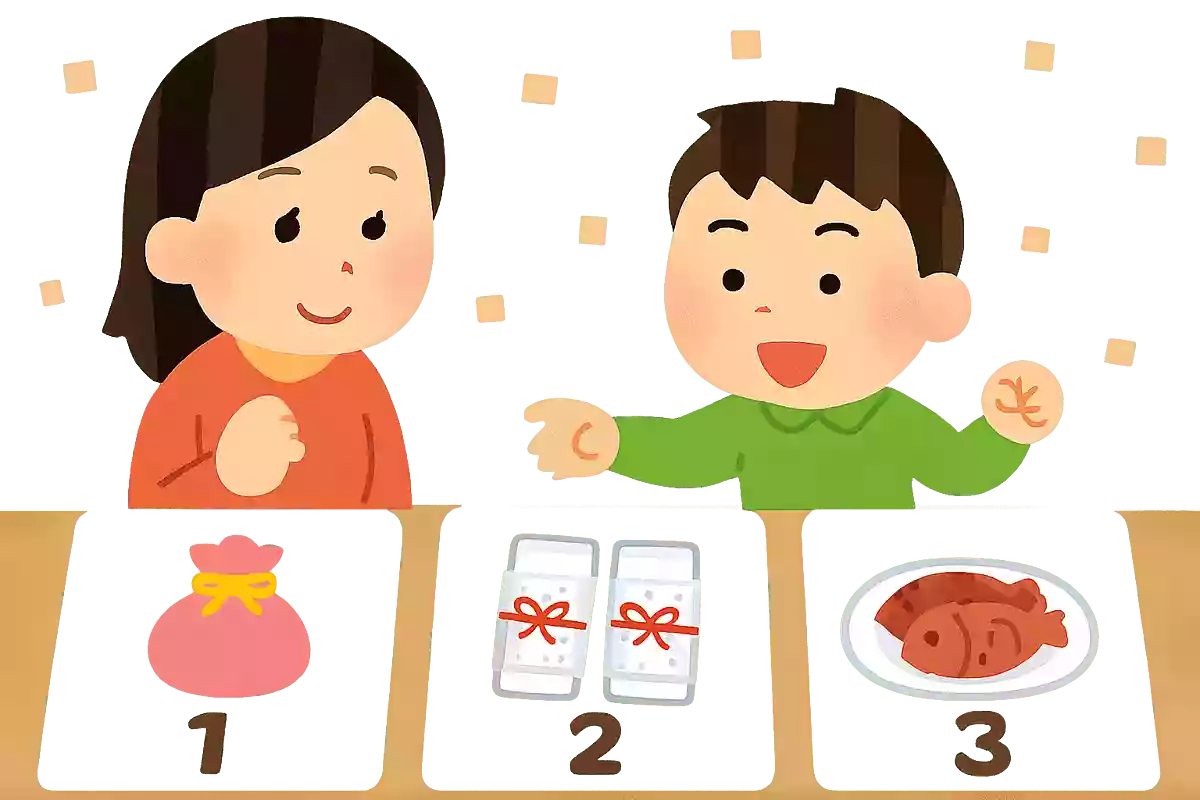
- rice cake (mochi)
- kimono
- candy
See the answer
rice cake (mochi)
The New Year’s gift that children look forward to most, otoshidama, was originally not money but rice cakes (mochi). It’s said to have meant bestowing on children the power of the toshigami—the New Year deity—that resides in the offering mochi, in order to pray for their safe growth throughout the year. In the medieval period, it’s said that samurai gave longswords, townspeople gave folding fans, and doctors gave pills, so please remember that this custom has changed over time.

What do you call the envelope that contains New Year’s gift money?
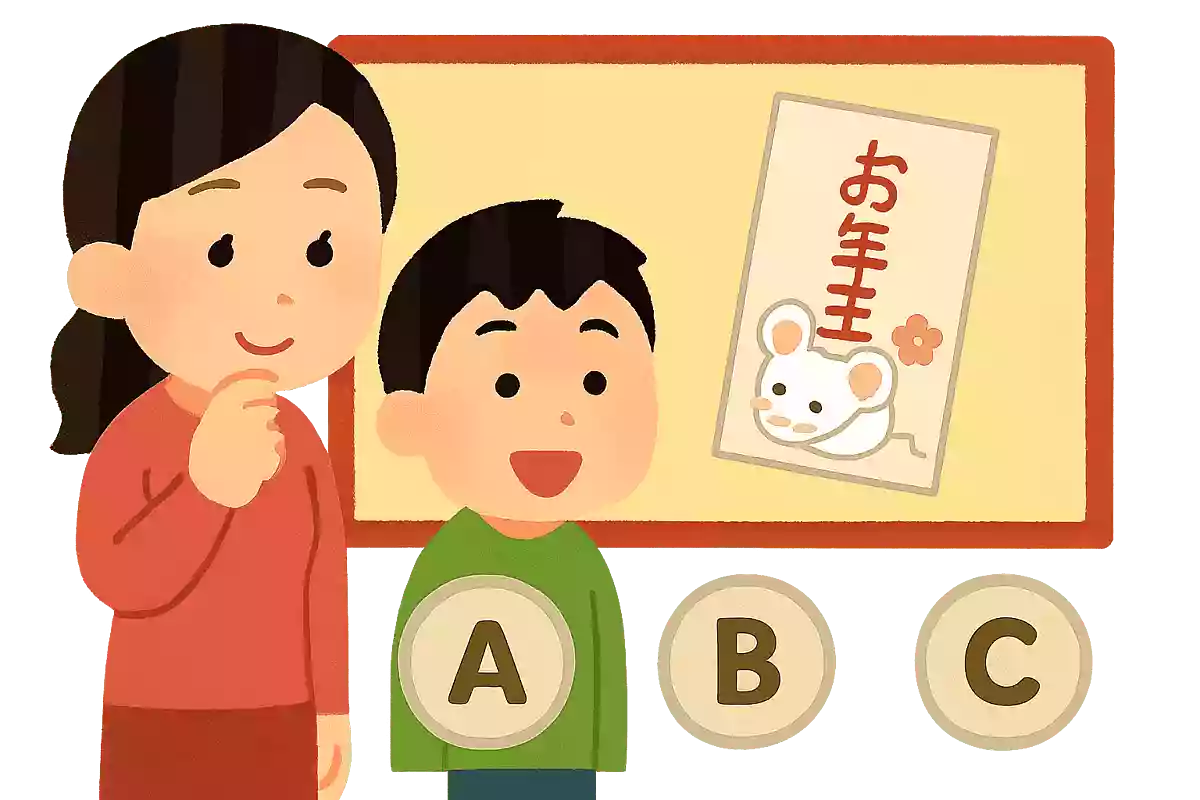
- celebratory gift envelope
- Pochi-bukuro (small decorative envelope for gifting money)
- New Year’s lucky bag
See the answer
Pochi-bukuro (small decorative envelope for gifting money)
The small envelopes used for otoshidama (New Year’s money) are said to originate from Kansai, where tips given to a favorite geisha during tea-house entertainment were called “pochi.” The word “pochi” carries a humble nuance, meaning something like “It isn’t much, but please accept it.” These envelopes are used not only for otoshidama, but also as bonuses (oiri-bukuro) or for giving tips. In addition, pochibukuro often feature traditional patterns or trendy illustrations and are quite design-conscious, so it can be fun to be particular about the one you choose when giving it to someone.
What are the rules after drawing an omikuji?
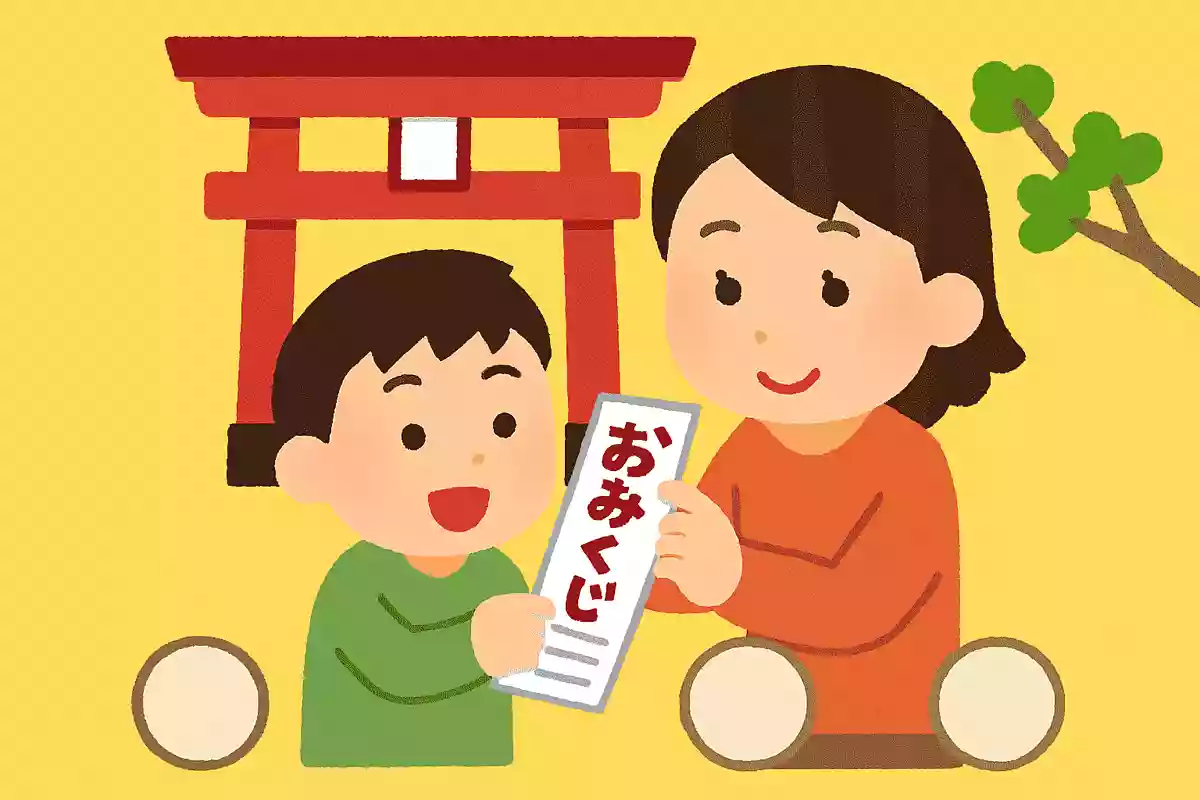
- Tie it to a shrine or temple and go home.
- Tie it with a special knot
- There are no particular rules.
See the answer
There are no particular rules.
Omikuji, which were originally conducted to divine the will of the gods when making important state decisions such as governance and rituals, are often thought to be tied to a tree at a shrine or temple after being drawn. In fact, there are no strict rules about what to do afterward. If the fortune is good, you may take it home and use it as a lesson; if the fortune is bad, tying it to a tree at a shrine or temple is said to forge a bond with the deity and help turn things in a better direction.
What beans do you think of as New Year’s food?
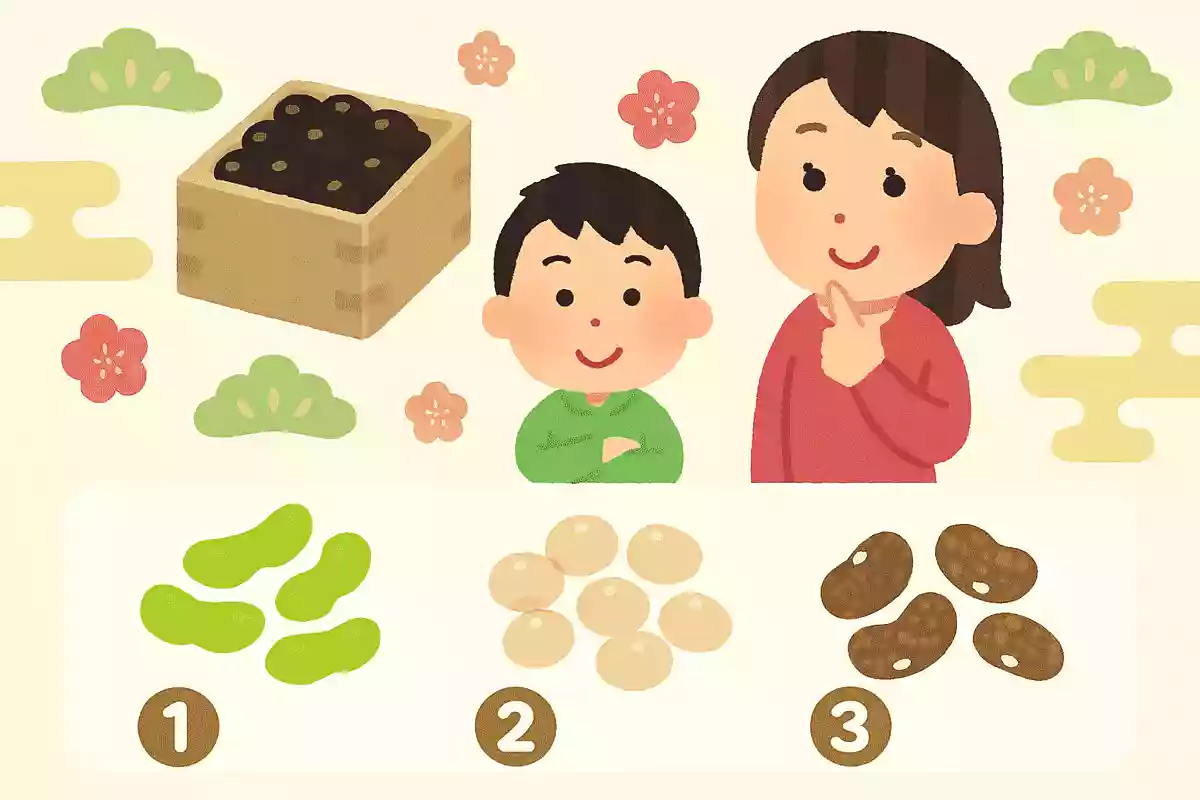
- white beans
- black soybeans
- adzuki beans
See the answer
black soybeans
When it comes to beans eaten at New Year’s, it has to be kuromame—black soybeans—an essential part of osechi cuisine. It’s well known that they’re included as a play on words like “working diligently” and “living diligently” (mame ni hataraku, mame ni kurasu). Beyond that, the word mame also carries meanings such as vigor, sturdiness, and health, so they are eaten to pray for a year of good health without illness. Additionally, the black color is believed to ward off evil, and in the Kanto region they are counted as one of the “three celebratory fish dishes.”
What are the things you must not do on New Year’s Day or during the New Year holidays?
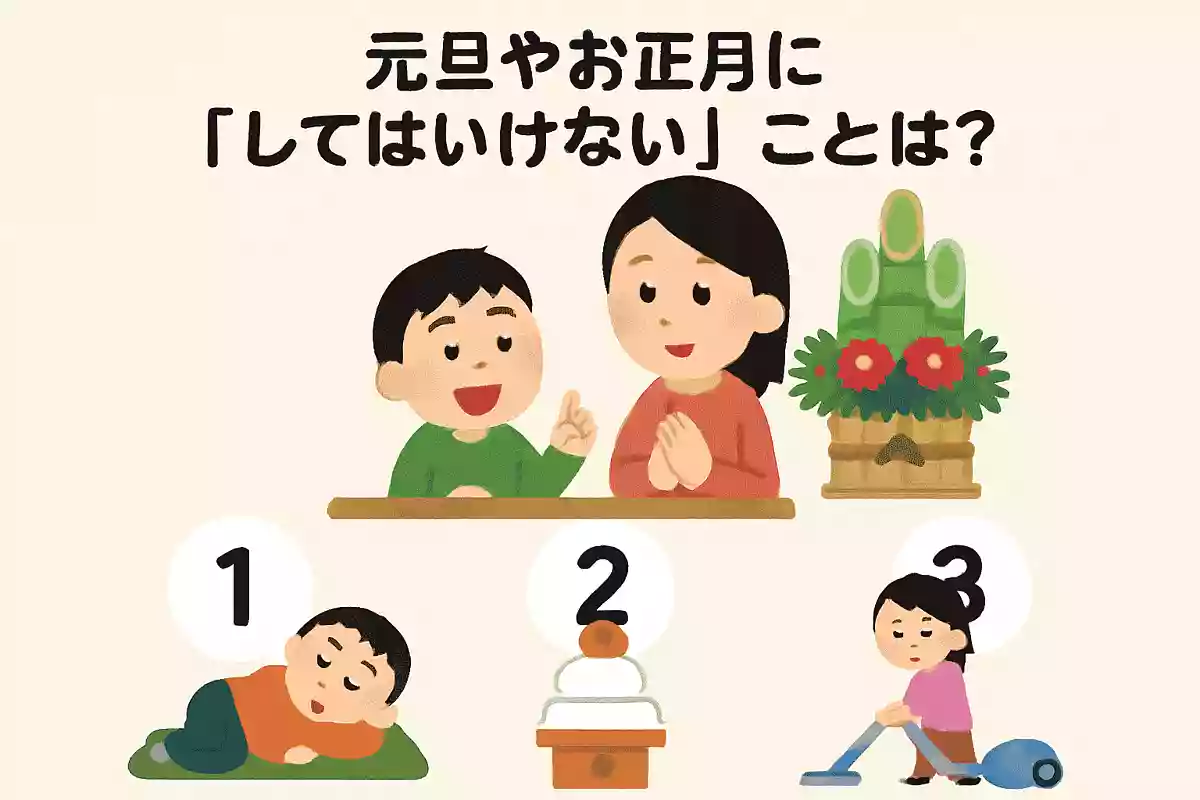
- study
- write a diary
- Cleaning
See the answer
Cleaning
During the New Year period, when we invite the Toshigami (the New Year deity), it is said that cleaning amounts to sweeping the deity away. Driving away a being that brings good fortune is considered inauspicious, so if you’re concerned, it’s best to refrain from cleaning at least until the first three days of the New Year are over. There are other New Year taboos as well, such as “don’t do laundry,” “don’t use blades,” and “don’t use fire,” so please take care.
[For Elementary School Students] A New Year Quiz Everyone Can Enjoy! Learn Fun Little-Known Facts with Multiple-Choice Questions (21–30)
What do you call the sun that rises on January 1st?
- Dream's Appearance
- first sunrise of the year
- rising sun
See the answer
first sunrise of the year
Hatsuhinode, the first sunrise of the year, is considered auspicious. In fact, it’s not a custom unique to Japan; did you know that similar traditions exist in countries such as Mongolia, South Korea, Canada, Greenland, Russia, and the United States? Although watching it can be tough because it’s the coldest time of day—late night to early morning in midwinter—the reward of seeing it lets you start the year on a refreshing note. Give it a try at least once!