

[For Elementary School Kids] A New Year’s Quiz Everyone Can Enjoy! Learn surprising fun facts with multiple-choice questions


When it comes to New Year’s in Japan, there’s so much to enjoy—osechi cuisine, New Year’s money (otoshidama), and the first shrine visit of the year (hatsumode).
But why is there a mandarin orange placed on top of kagami mochi? And what should you do after drawing an omikuji fortune? Have you ever been stumped when your child asked you about these unexpected New Year’s tidbits? Here, we’ve gathered a collection of New Year-themed quizzes that both kids and adults can enjoy together.
From the New Year deity (Toshigami-sama) to the proper timing of the first dream (hatsuyume) and the origins of ozoni soup, this is full of Japanese traditions you might think you know—but don’t.
Challenge yourselves as a family over the New Year holidays and savor Japanese culture more deeply!
- Let's get excited with a New Year quiz! General questions about the Japanese New Year
- [For Kids] January Trivia Quiz & Fun Facts: Learn About the New Year in a Fun Way
- Fun facts you’ll want to share! January trivia and tidbits special
- Fun quizzes for elementary school kids: a collection of questions everyone can enjoy together
- Easy Riddles for Elementary School Students
- [For Kids] December Trivia Quiz & Fun Facts! Learn about seasonal events and traditions!
- [Simple and Fun] New Year’s Quizzes Recommended for Seniors
- [For Elementary School Students] Exciting Christmas Quiz! Fun and Educational Questions
- [For Kids] Today’s Quiz Roundup. Let’s play quizzes about today! [May 2026]
- [Trick Quiz] Quiz Questions That Excite Everyone from Kids to Adults
- So interesting you’ll want to tell someone! December Trivia & Fun Facts Special
- [For Seniors] Brain-training quizzes for January: Let’s have fun with New Year and winter trivia
- [Fun!] Quizzes to Liven Up a Christmas Party
[For Elementary School Students] A New Year’s Quiz Everyone Can Enjoy! Learn Fun and Surprising Trivia with Multiple Choice (31–40)
When did the custom of hatsumode (the first shrine or temple visit of the New Year) become widespread?
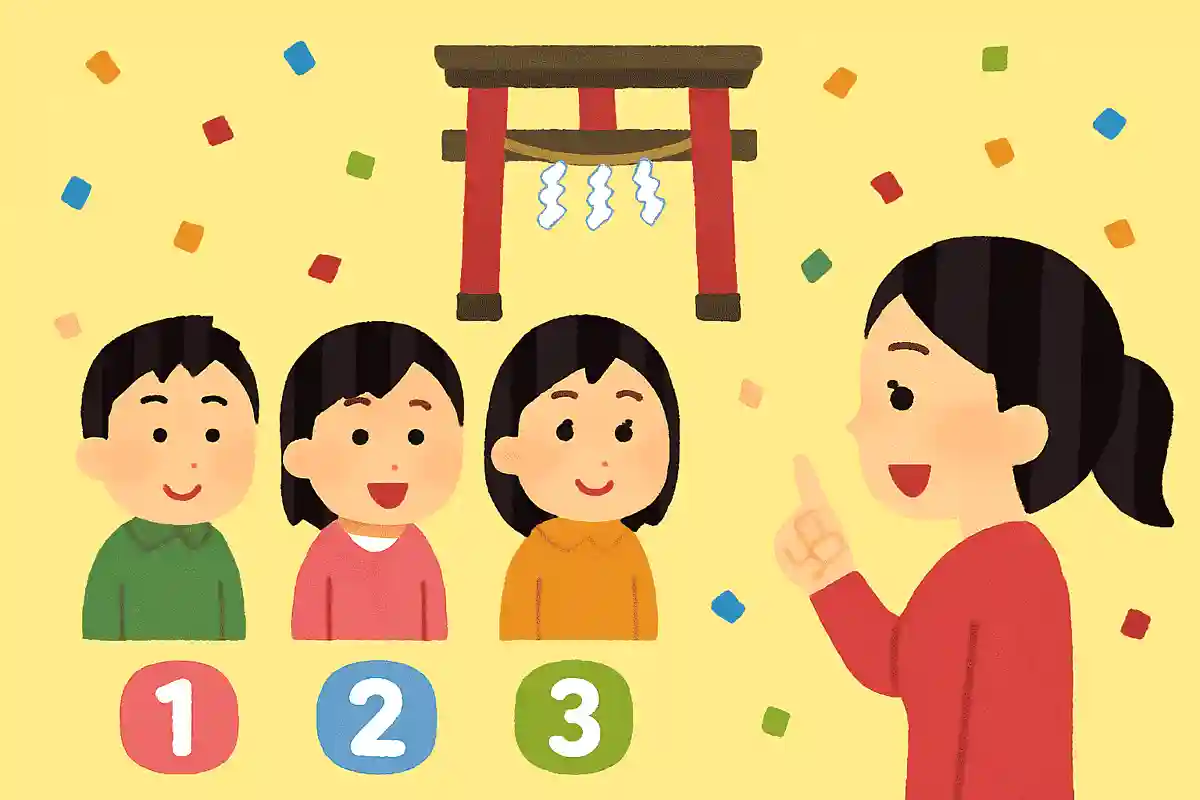
- Heian period
- Edo period
- Meiji era
See the answer
Meiji era
The custom of “hatsumode” is said to have spread nationwide rapidly in the Meiji era when railways developed and more people began visiting large shrines and temples. Before that, it was common to spend the New Year in devotion to one’s local tutelary deity, which was different from today’s practice of going out on New Year’s Day.

What is the meaning behind making “toshikoshi soba” thin and long?
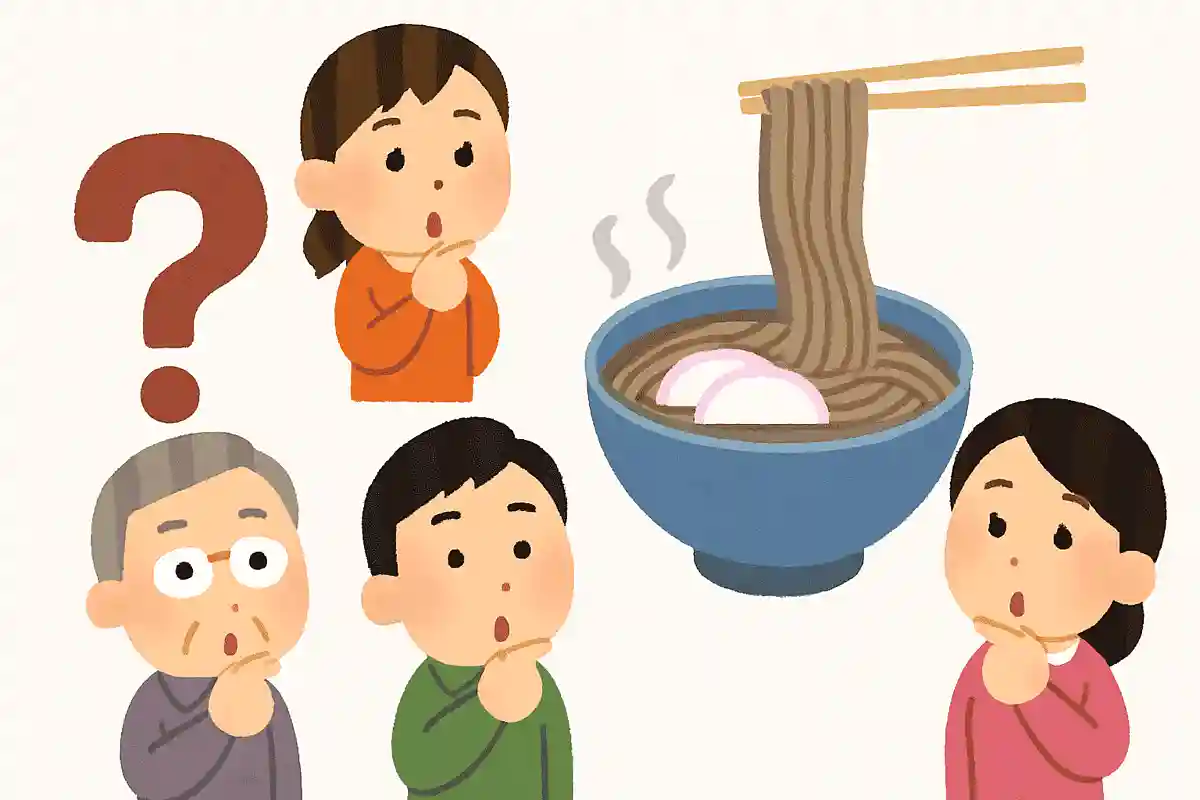
- So that money will accumulate
- So that I can live a long life
- So that I can make many friends
See the answer
So that I can live a long life
By eating thin, long toshikoshi soba, people express a wish for health and longevity. Because soba noodles break easily, they also symbolize cutting off the misfortunes of the past year. This custom spread during the Edo period and is said to have become established nationwide as a New Year’s Eve tradition.
What is the meaning represented by the bamboo used in the center of a kadomatsu?
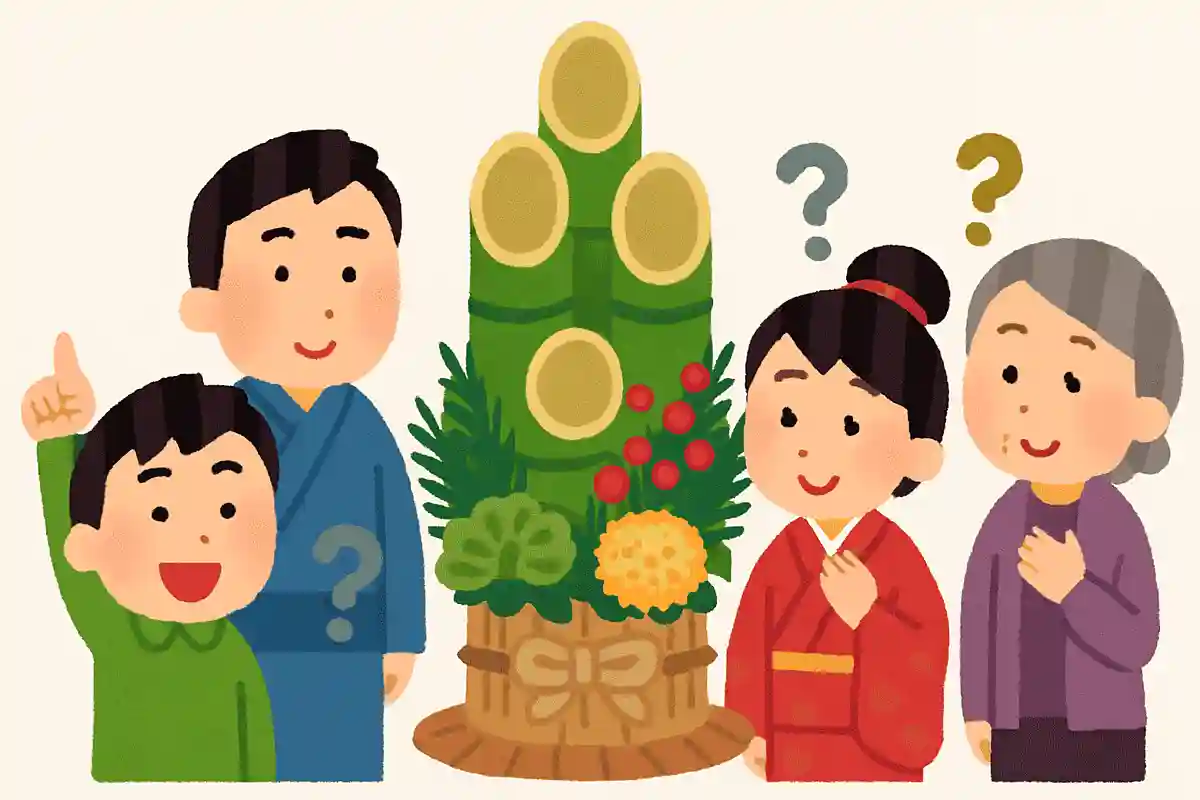
- So that (someone) becomes rich / In order to become rich
- So that you live straight and righteous
- So that I can make many friends
See the answer
So that you live straight and righteous
The central bamboo in a kadomatsu symbolizes the wish to “live straight and upright,” as it grows straight. It also expresses hopes that good fortune will enter the home directly.
What led to the widespread adoption of New Year’s cards among ordinary people?
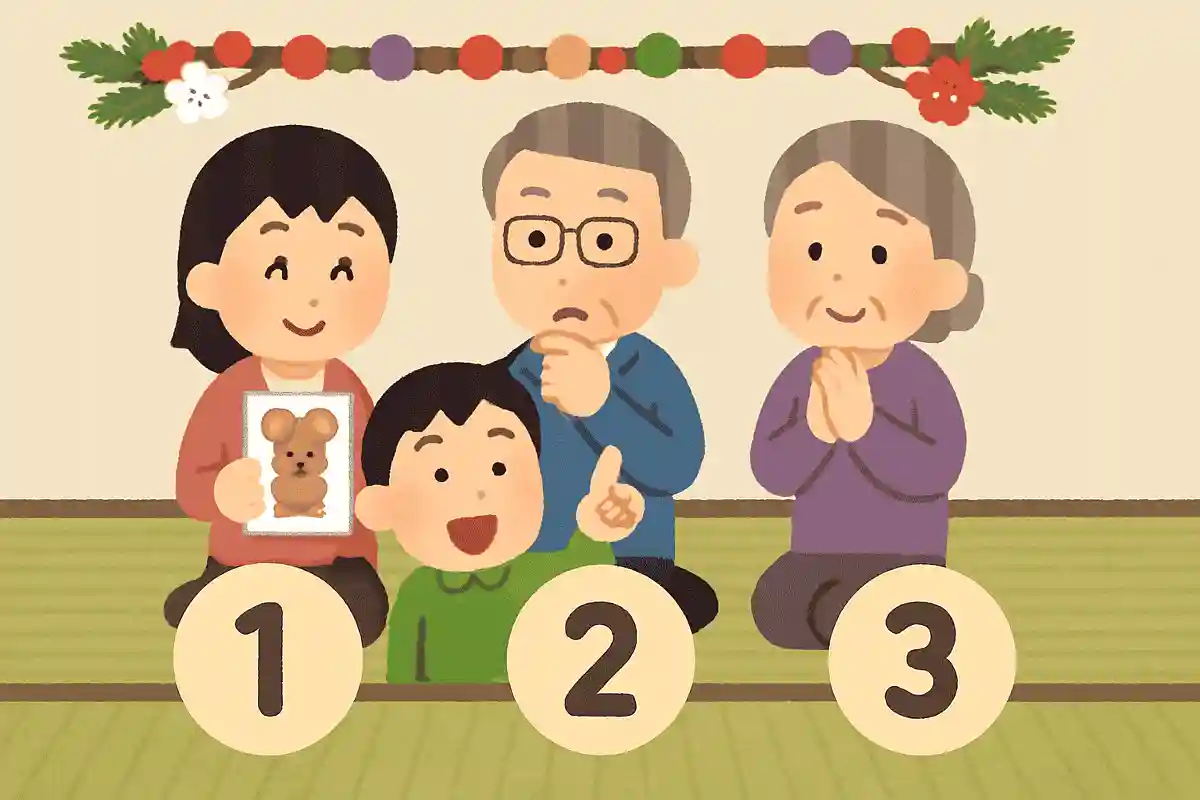
- Because New Year's gift money (otoshidama) became popular
- Because the postal system was established.
- Because the telephone was invented
See the answer
Because the postal system was established.
With the start of the postal system in Japan during the Meiji era and the ease of sending postcards, New Year’s cards spread among ordinary people. Originally, they served as an alternative to New Year’s visits, mainly to show courtesy to those one could not meet in person. Even today, they are cherished across generations as a custom for expressing everyday gratitude.
What is the reason why ‘Fukuwarai’ became widespread?
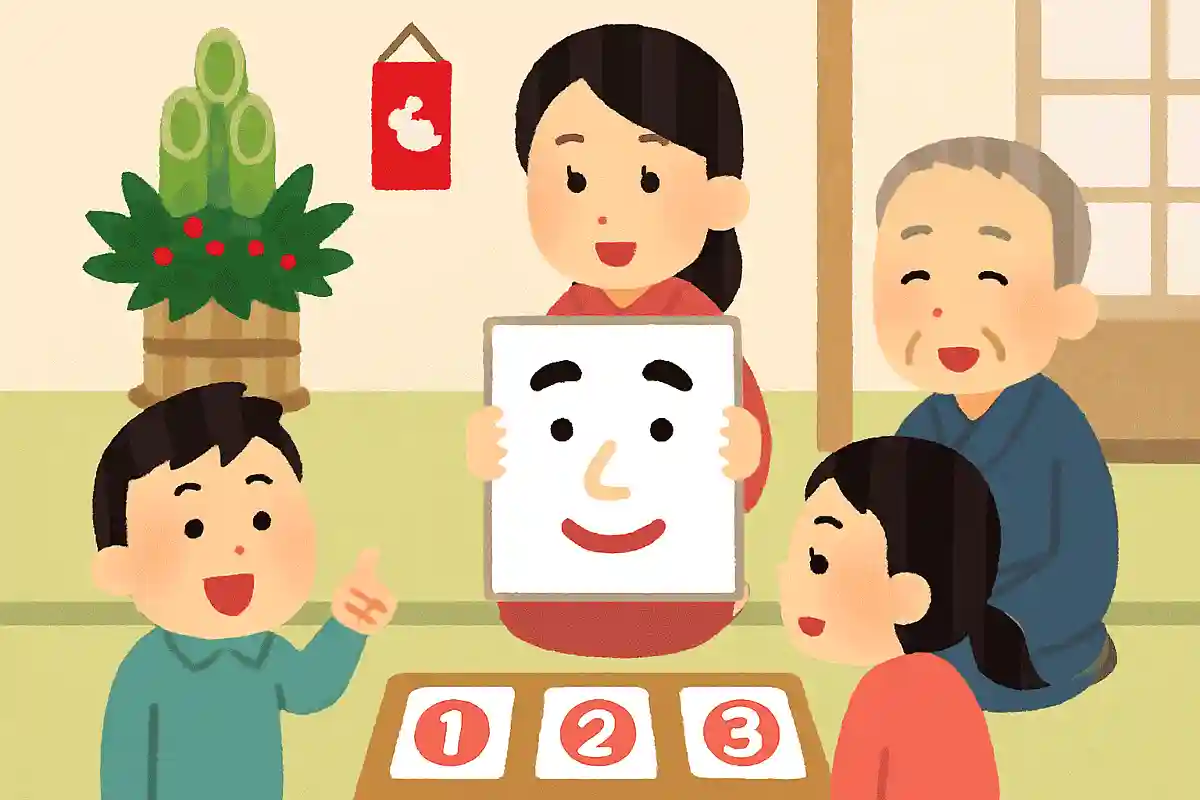
- Because I got some sweets
- You can easily make it at home, and it makes everyone laugh.
- Because by running a lot, you can train/strengthen your body.
See the answer
You can easily make it at home, and it makes everyone laugh.
Fukuwarai spread widely because it’s easy to make at home with paper and the like, and people can play it while laughing together with family and friends. Playing with a face modeled after the god of good fortune is also meant to invite happiness for the year, and from the Meiji era onward it became established as a household pastime.
[For Elementary School Students] A New Year’s Quiz Everyone Can Enjoy! Learn fun and surprising trivia with multiple-choice questions (41–50)
What wish does the ‘black soybeans’ (kuromame) in osechi cuisine symbolize?
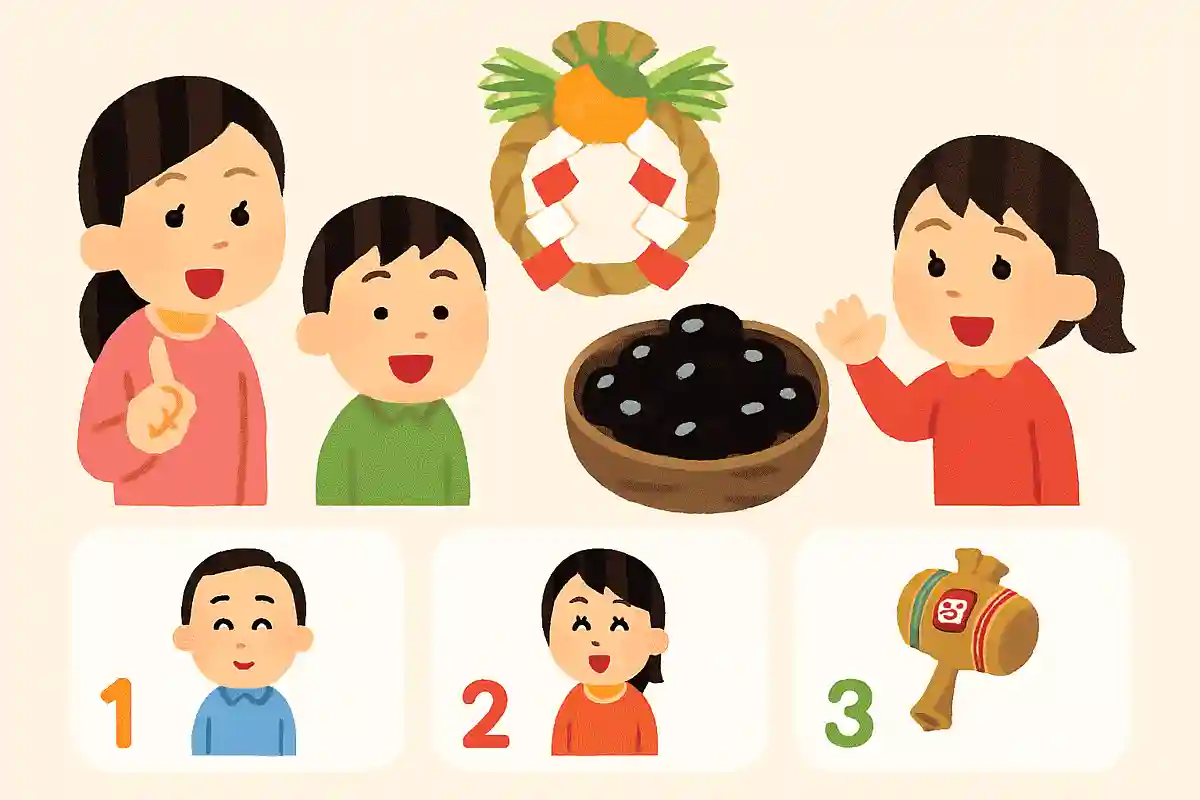
- so that a lot of money will come in
- So that one can work diligently and stay healthy
- So that I become good at studying
See the answer
So that one can work diligently and stay healthy
“Kuromame” (black soybeans) carry the wish that you will spend the year in good health and vigor. The word mame also means “healthy/energetic” and “diligent.” Since ancient times, black has been considered a color that wards off evil, and because it is believed to dispel misfortune for the year, kuromame has long been valued as an especially auspicious dish in New Year’s cuisine.
What is the actual probability of drawing a “bad fortune” (kyō) in an omikuji?
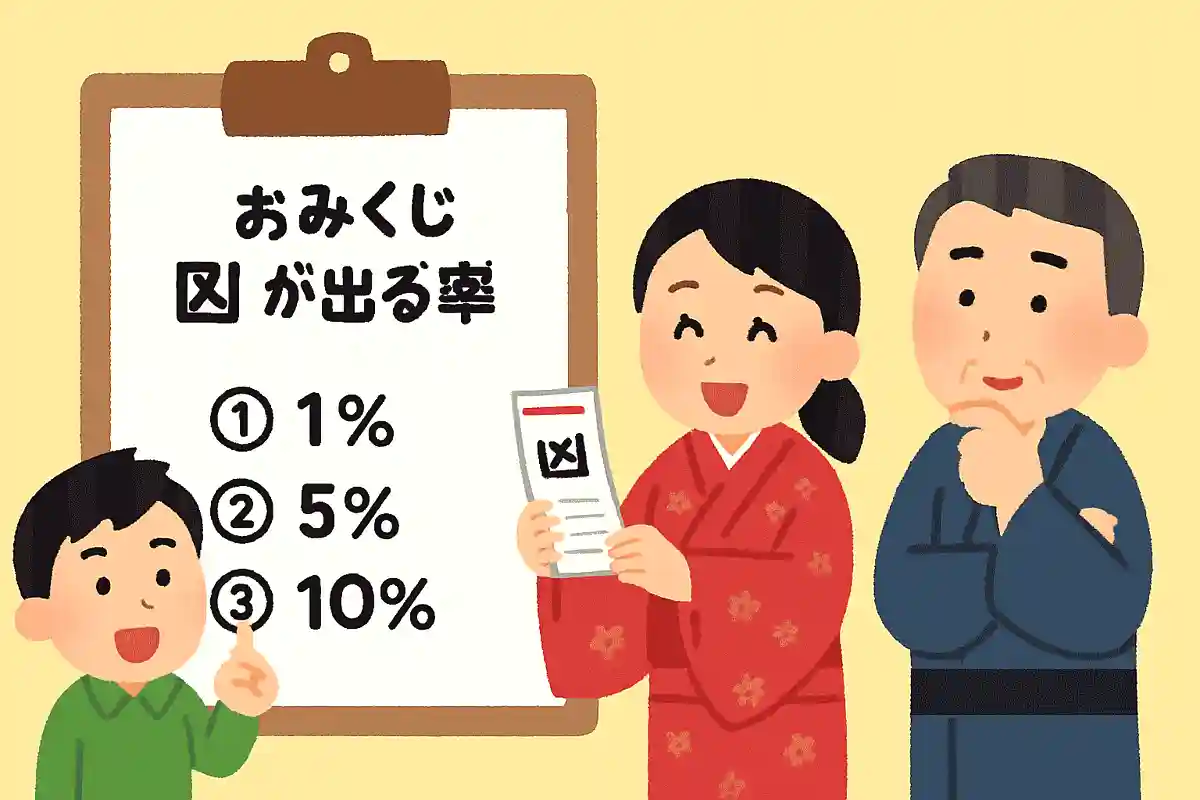
- very high
- very low
- By the shrine
See the answer
By the shrine
In fact, the chance of getting “kyō” (bad fortune) is quite low—at many shrines it’s said to be around 1%. Because only a small number are included, you might not see them very often. Some shrines actually have more “daikichi” (great blessing), while others deliberately include more “kyō” to emphasize caution and self-discipline. With omikuji, what matters more than the result is how you act afterward, so it’s not something to get overly happy or upset about based solely on the luck ranking.