

[For Elementary School Kids] A New Year’s Quiz Everyone Can Enjoy! Learn surprising fun facts with multiple-choice questions


When it comes to New Year’s in Japan, there’s so much to enjoy—osechi cuisine, New Year’s money (otoshidama), and the first shrine visit of the year (hatsumode).
But why is there a mandarin orange placed on top of kagami mochi? And what should you do after drawing an omikuji fortune? Have you ever been stumped when your child asked you about these unexpected New Year’s tidbits? Here, we’ve gathered a collection of New Year-themed quizzes that both kids and adults can enjoy together.
From the New Year deity (Toshigami-sama) to the proper timing of the first dream (hatsuyume) and the origins of ozoni soup, this is full of Japanese traditions you might think you know—but don’t.
Challenge yourselves as a family over the New Year holidays and savor Japanese culture more deeply!
- Let's get excited with a New Year quiz! General questions about the Japanese New Year
- [For Kids] January Trivia Quiz & Fun Facts: Learn About the New Year in a Fun Way
- Fun facts you’ll want to share! January trivia and tidbits special
- Fun quizzes for elementary school kids: a collection of questions everyone can enjoy together
- Easy Riddles for Elementary School Students
- [For Kids] December Trivia Quiz & Fun Facts! Learn about seasonal events and traditions!
- [Simple and Fun] New Year’s Quizzes Recommended for Seniors
- [For Elementary School Students] Exciting Christmas Quiz! Fun and Educational Questions
- [For Kids] Today’s Quiz Roundup. Let’s play quizzes about today! [May 2026]
- [Trick Quiz] Quiz Questions That Excite Everyone from Kids to Adults
- So interesting you’ll want to tell someone! December Trivia & Fun Facts Special
- [For Seniors] Brain-training quizzes for January: Let’s have fun with New Year and winter trivia
- [Fun!] Quizzes to Liven Up a Christmas Party
[For Elementary School Students] A New Year Quiz Everyone Can Enjoy! Learn Fun Little-Known Facts with Multiple-Choice Questions (21–30)
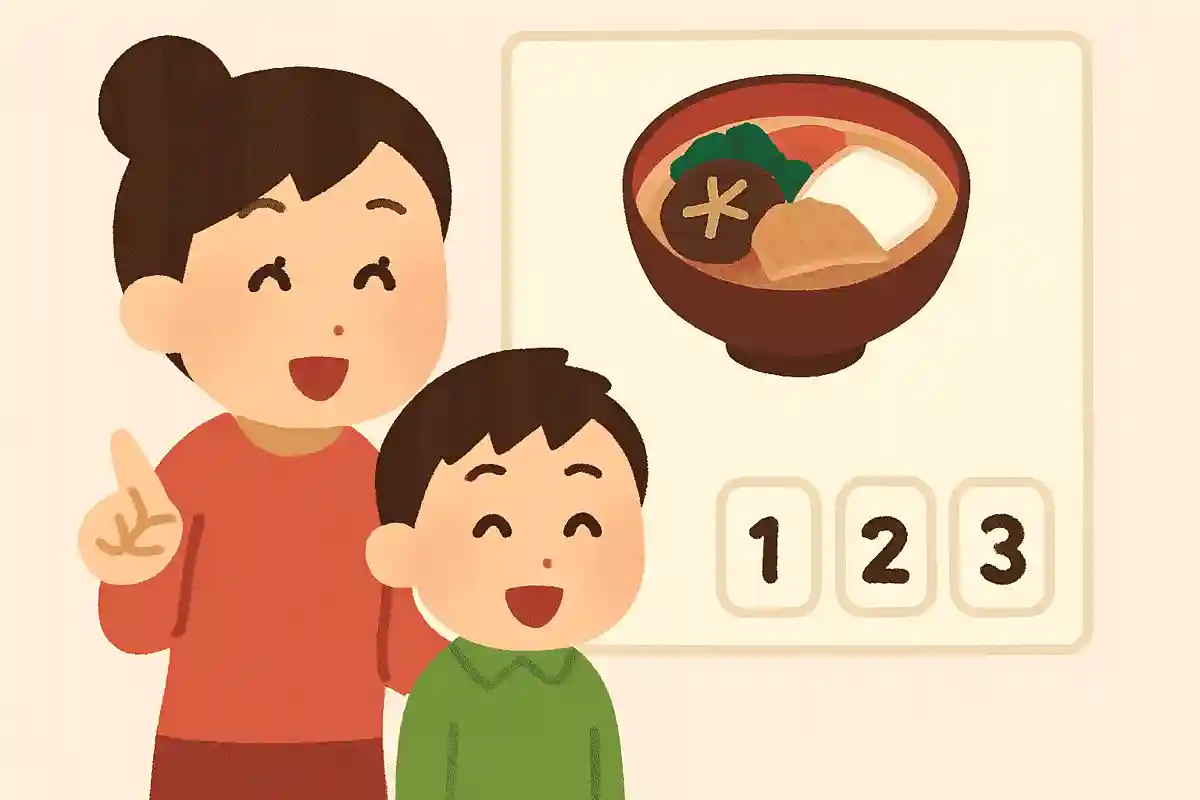
What do you call the soup eaten at New Year that contains vegetables, rice cakes (mochi), and the like?
- sweet red bean soup (oshiruko)
- ozoni (Japanese New Year rice cake soup)
- aka dashi (red miso soup)
See the answer
ozoni (Japanese New Year rice cake soup)
When it comes to dishes unique to the New Year that are said to have become widespread in the Muromachi period, ozōni comes to mind. These days, it’s commonly eaten in many households during the New Year, but did you know there’s a theory that it originally began as a field ration in samurai society, made by simmering mochi and vegetables together? It’s also known for its regional variations—such as clear broth or miso-based soup—so if you spend the New Year away from your hometown, be sure to give the local version a try.

What do you call the decoration with a mandarin orange placed on top of two stacked rice cakes?
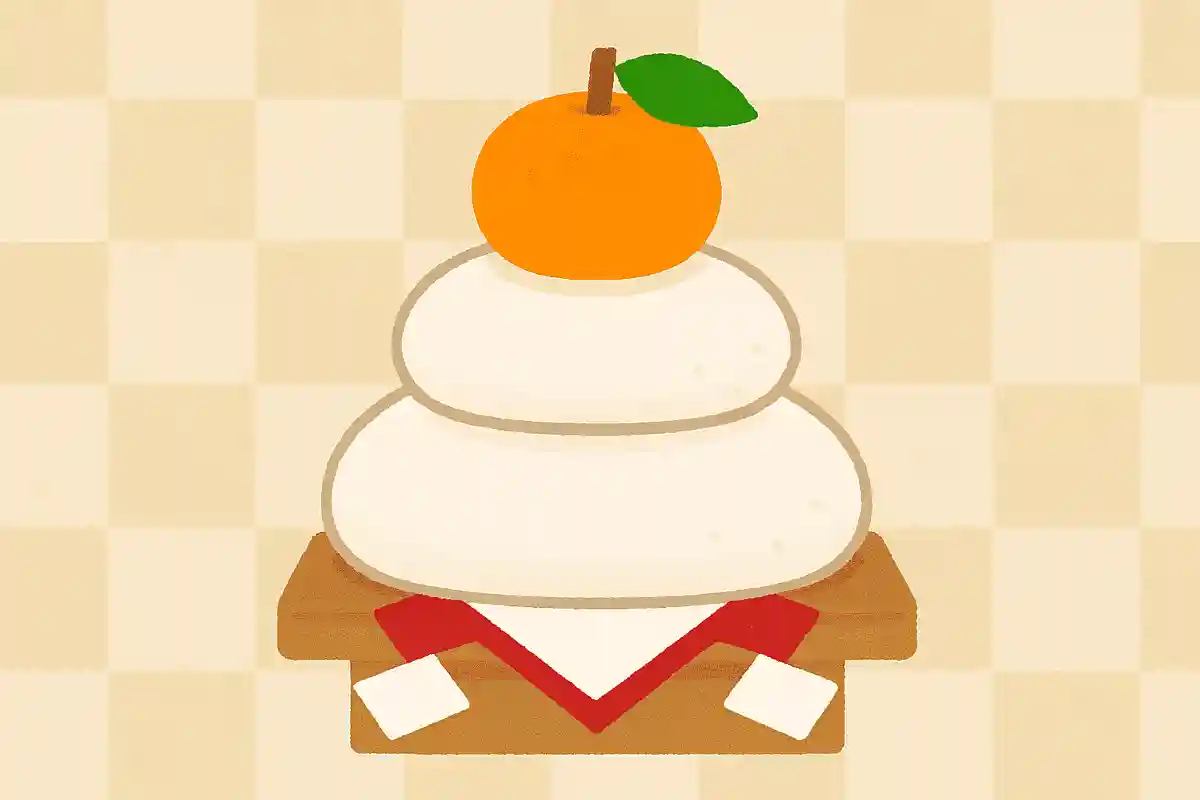
- kagami mochi (traditional Japanese New Year rice cake decoration)
- blessed rice cake
- Golden Mochi
See the answer
kagami mochi (traditional Japanese New Year rice cake decoration)
It is said to be modeled after the Yata no Kagami, one of the Three Sacred Treasures of Japanese mythology, and kagami mochi is displayed as a dwelling place for the Toshigami (the god of the New Year) who is welcomed into the home. Its distinctive layered shape and the citrus placed on top are well known, but did you know that, traditionally, it is not a mikan but a daidai that is used, with the wish that the family line will prosper for generations? Because daidai are quite bitter and sour and not suited to being eaten raw, mikans—which look similar and are about the same size—are said to be used as a substitute.
Until when is it appropriate to greet someone with “Happy New Year”?
- January 3
- January 7 or January 15
- End of January
See the answer
January 7 or January 15
We tend to use it when meeting someone for the first time in the new year, but in Kanto it’s appropriate to say “Akemashite omedetō gozaimasu” (Happy New Year) only up to January 7, and in Kansai up to January 15. This period is called “Matsu-no-uchi,” the time when New Year’s decorations are generally displayed, and using the greeting after that is considered out of season. It’s fine among friends or in casual workplaces, but businesspeople in particular should take care.
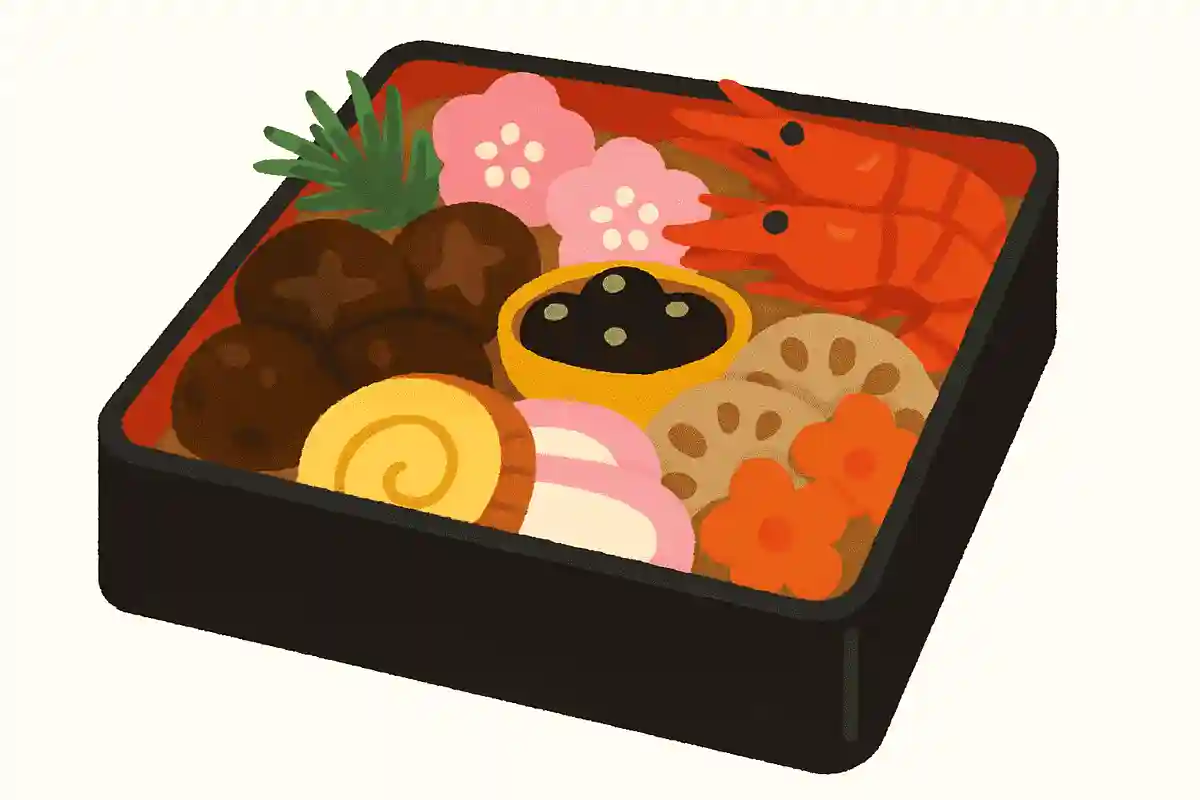
What do you call the box filled with various foods and dishes eaten at New Year? (Answer: osechi or osechi-ryori in a jubako box)
- small individual dining tray; low-legged meal table (ozen)
- specialty (one’s signature song/act); forte
- Osechi (traditional Japanese New Year’s cuisine)
See the answer
Osechi (traditional Japanese New Year’s cuisine)
Osechi, New Year’s cuisine whose name means “offerings for a milestone day,” is said to trace its origins back to the Yayoi period. In recent years, thanks to the diversification of food culture and advances in preservation techniques, there are many varieties of osechi. Traditionally, however, each ingredient carries its own meaning—for example, black soybeans symbolize health and safety, while herring roe expresses wishes for a bountiful harvest and prosperity of descendants. Some say they get tired of eating it for several days in a row, but knowing the original meanings might change how you feel when you sit down to enjoy it.
What is the origin of how the New Year began?
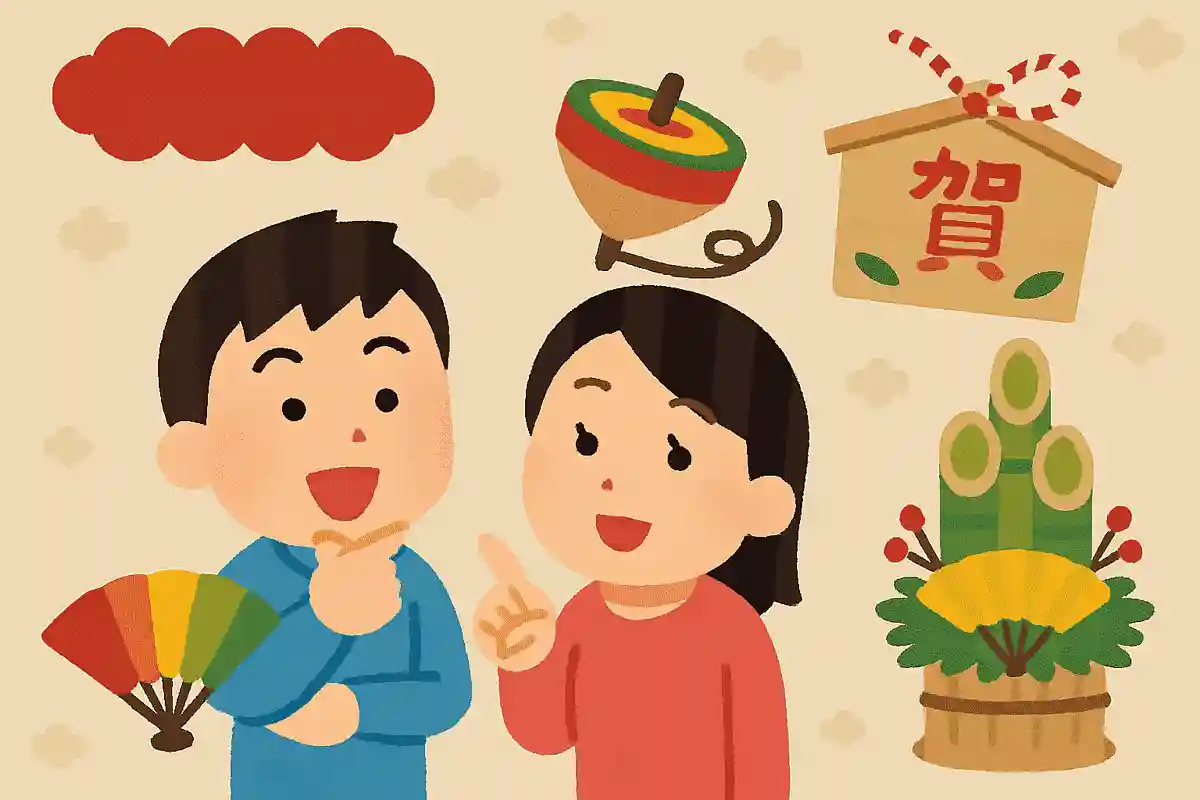
- to welcome and celebrate the New Year deity
- Because family and relatives gather
- To spend the New Year leisurely
See the answer
to welcome and celebrate the New Year deity
Originally, New Year’s was a ritual to honor ancestral spirits, but it later spread as an event to welcome deities of bountiful harvests and household safety. It is said to have already existed by the mid-6th century and is considered Japan’s oldest annual observance. In addition, year-end deep cleaning and decorations such as kadomatsu are done as preparations to welcome the New Year deity, so why not make a solid effort with them to ensure a good year ahead?
What do you call the decorations made of bamboo and pine that are displayed at the entrance or outside of a house?
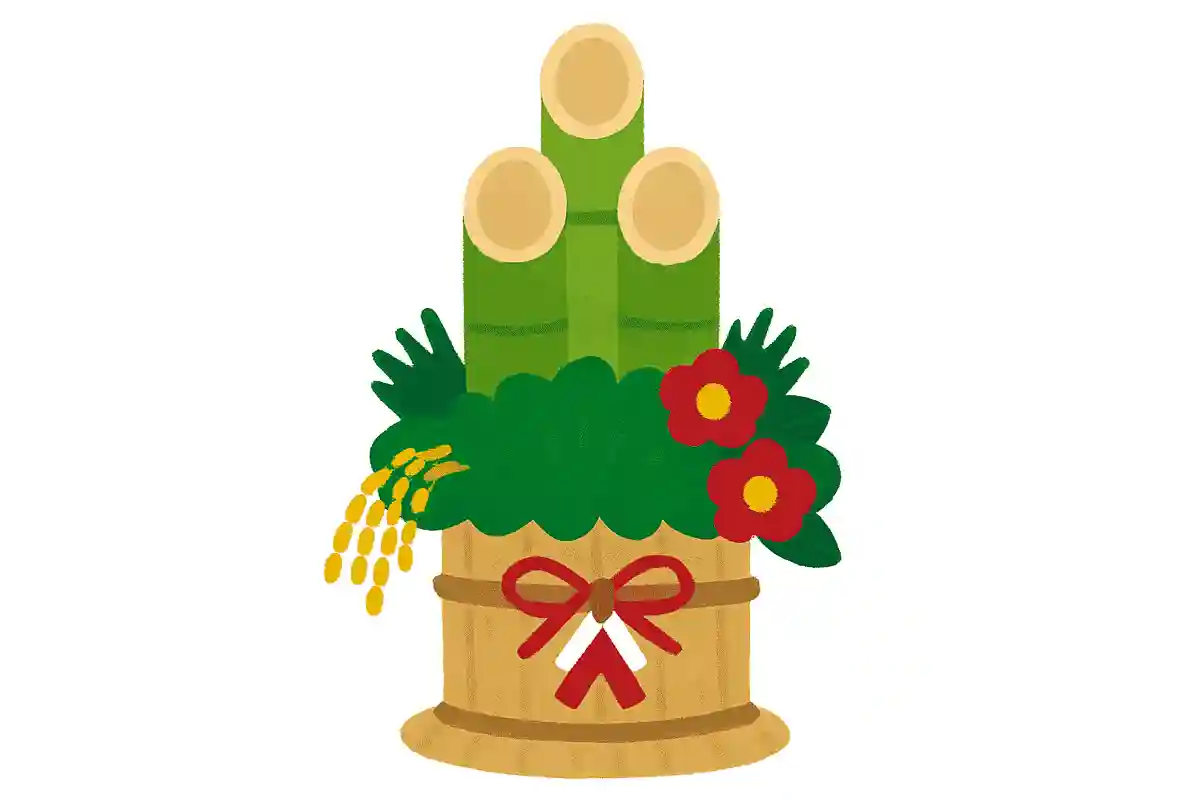
- Jyushimatsu
- Kadomatsu
- Morimatsu
See the answer
Kadomatsu
Known as matsukazari, kazarimatsu, or tatematsu, the quintessential New Year’s decoration placed at the entrance is the kadomatsu. In Japan, it has long been believed that gods dwell in the treetops, and based on the saying “pine pledges a thousand years, bamboo pledges ten thousand,” pine and bamboo have been used to create a vessel for the deities. It is also said that the toshigami (New Year’s deity) uses the kadomatsu as a marker to visit the home, so it’s best to prepare it before the New Year begins.
What do you call “visiting a Shinto shrine or Buddhist temple for the first time of the New Year”?
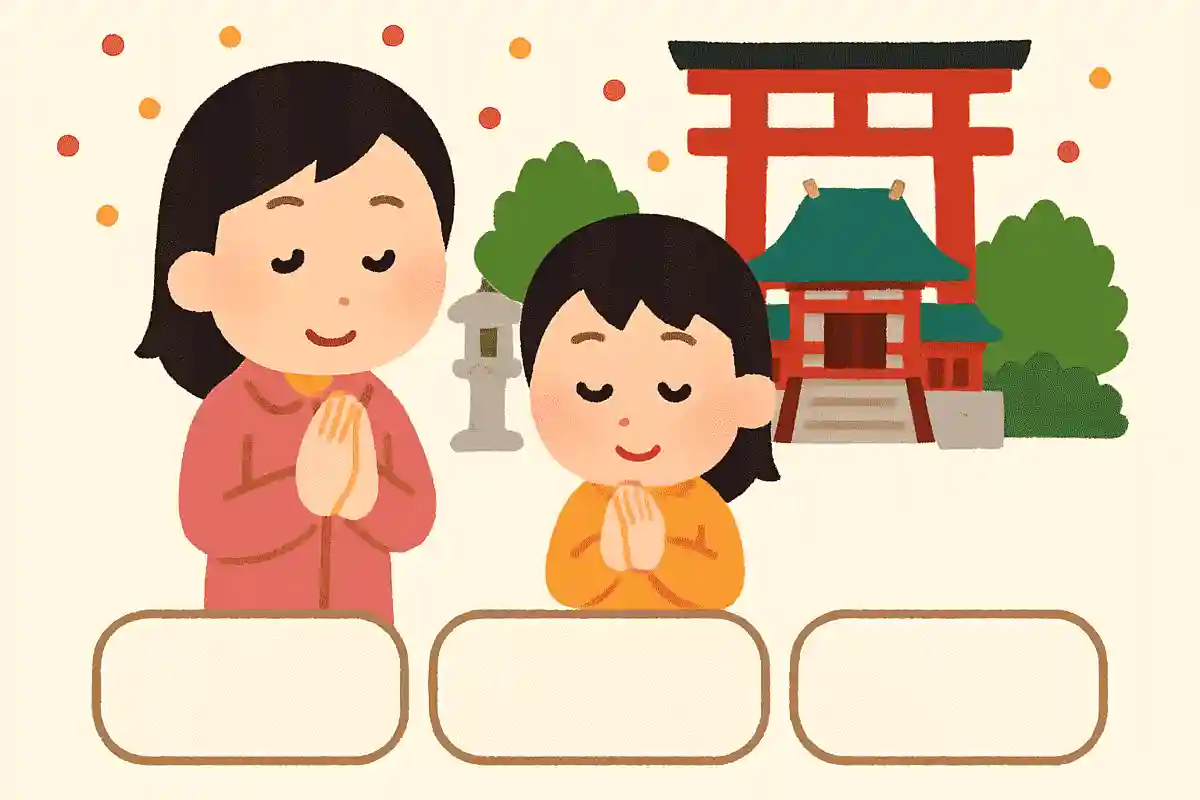
- visiting a shrine/temple (to pray)
- first shrine visit of the New Year
- First shrine visit
See the answer
first shrine visit of the New Year
The custom of visiting a shrine or temple for the first time in the new year is called Hatsumode. Its purpose is to give thanks for having safely made it through the previous year and to pray for peace in the year ahead. Although it is a uniquely Japanese tradition, the sheer number of visitors has led it to be called one of the largest religious events in the world. However, not just any first visit of the year counts as Hatsumode: as a rule, you should go during the first three days of the year (Sanganichi), or at the latest within the Matsunouchi period, so keep that in mind.