

[For Seniors] Brain Training Recommended for Dementia Prevention

In this article, we introduce brain-training activities that can help prevent dementia in older adults.
As we age, memory is something everyone worries about.
For those concerned, we recommend simple, easy-to-do brain training designed for seniors.
Doing brain training activates the brain and can contribute to overall mental and physical well-being.
There are quiz formats, riddles, four-character idioms, and even brain-training activities you can do while moving your body.
Find the brain training that suits you, and enjoy doing it.
If you’re a caregiving professional looking for brain-training ideas, be sure to check these out.
- [For Seniors] Brain Training! Recall Quiz Collection!
- [For Seniors] Challenging but Exciting! Kanji Quiz
- [For Seniors] Find daily brain training. Today’s recommended brain workout.
- [For Seniors] Lively Wordplay Game: Fun Recreation for Elderly Care
- [For Seniors] Fun Brain Training! Prefecture Quiz
- Recommended for seniors. Brain training with an odd-one-out quiz.
- [For Seniors] Popular Brain Training and Recreational Quizzes
- [For Seniors] Fun and Lively! Recommended Quiz Questions
- [For Seniors] Fun Riddles That Stimulate the Brain
- [For Seniors] Enjoyable Brain Training! Finger Exercises That Help Prevent Dementia
- [For Seniors] A Brain-Training, Crowd-Pleasing Word Search Game
- [Brain Training] Lively Word Quiz for Seniors
- [For Seniors] Recreational activities and games that let you have fun while strengthening your legs
[For Seniors] Prevent Dementia! Recommended Brain Training (61–70)
Make vine, hang dayflower
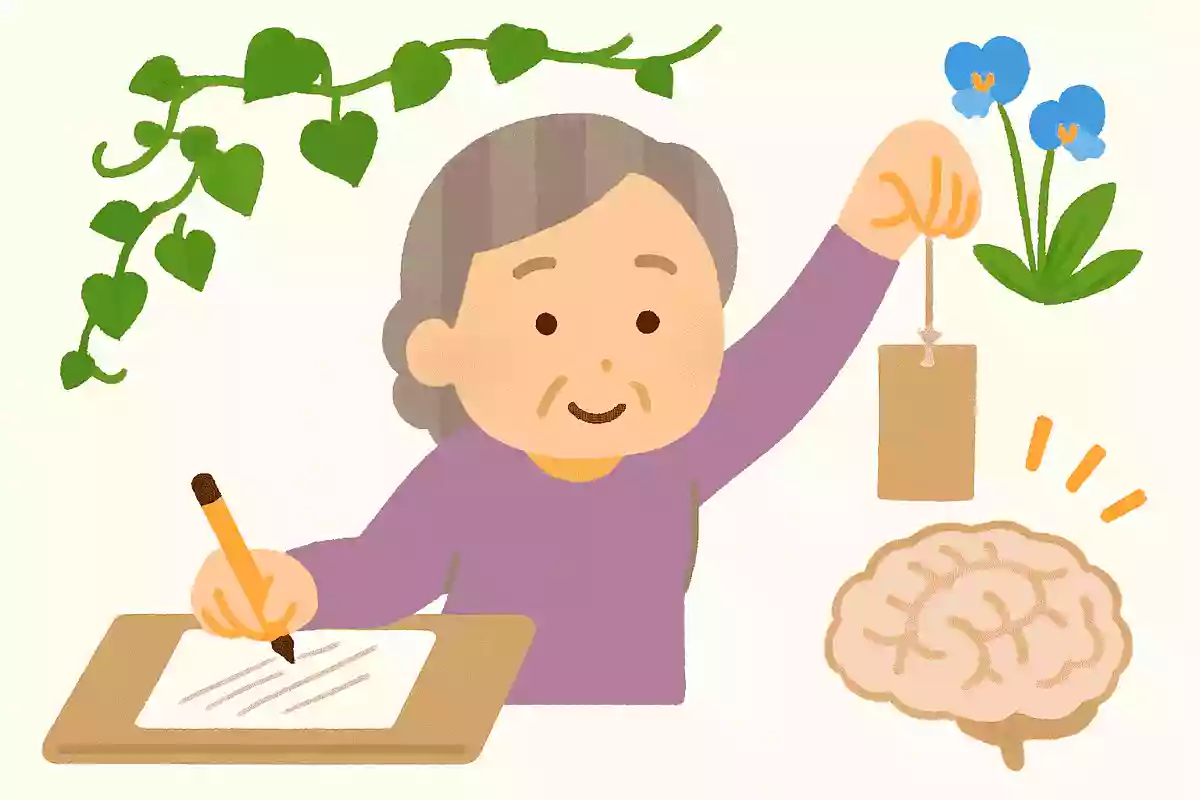
One tongue twister used as a brain-training recreation.
You train your brain by reading awkward sentences that rarely appear in everyday life.
“Tsukuru tsurukusa tsurusu tsuyukusa” is also one of the tongue twisters for older adults.
Various images come to mind from the tongue twister.
You might imagine weaving baskets with climbing vines, and hanging spiderwort as decoration.
In hiragana, it’s “tsukuru,” “tsurukusa,” “tsurusu,” and “tsuyukusa.” They all start with “tsu.” In fact, it’s said that many people—not just older adults—find the ta-row sounds that include “tsu” difficult to pronounce.

Hard-to-pull nails, nails that are difficult to remove, nails pulled out with a nail puller
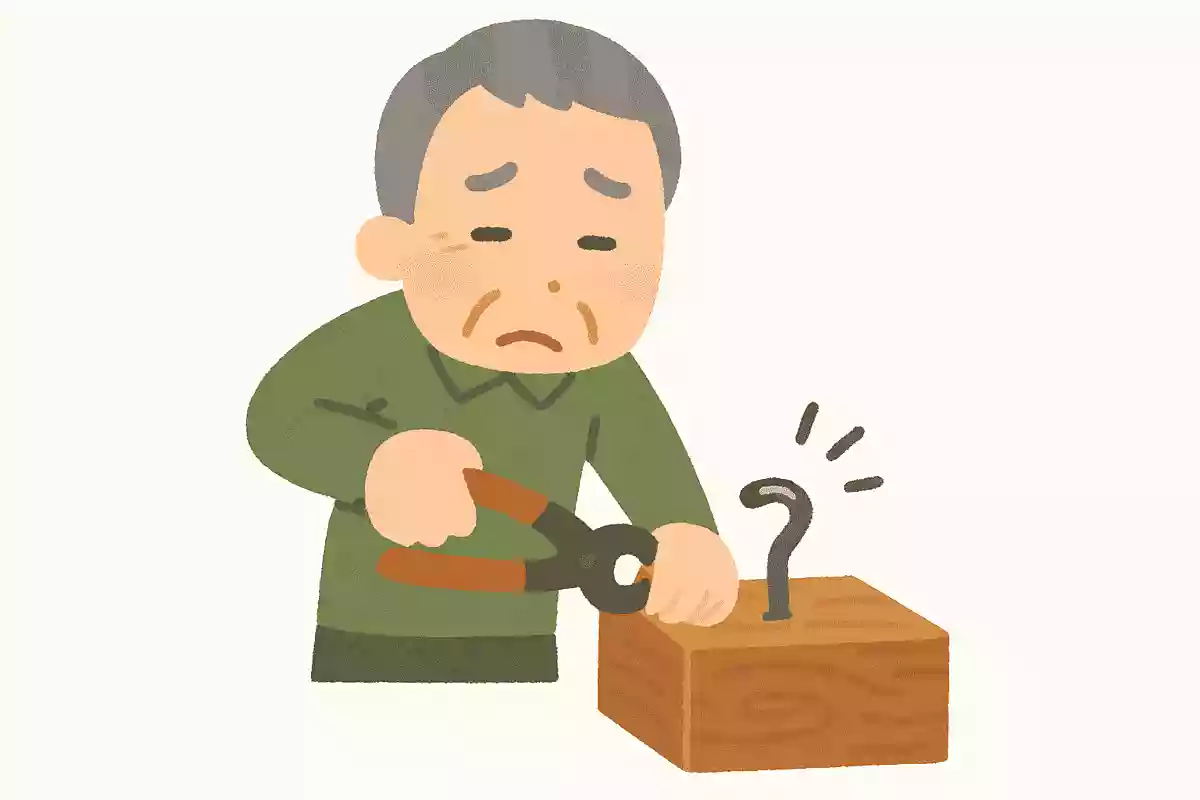
“A nail that’s hard to pull out, a nail that’s difficult to draw out, a nail pulled with a nail puller”—this tongue-twister also brings to mind scenes of carpenters or families doing DIY at home.
You can really picture someone struggling to pull out a stubborn nail.
Because of that, it repeats the same or similar words quite a lot.
It might be easier to say if you consciously break it into words like: hard-to-pull, nail; hard-to-draw-out, nail.
It’s a tongue-twister that may even help older adults recall their own DIY experiences.
Tokyo Patent Approval Bureau
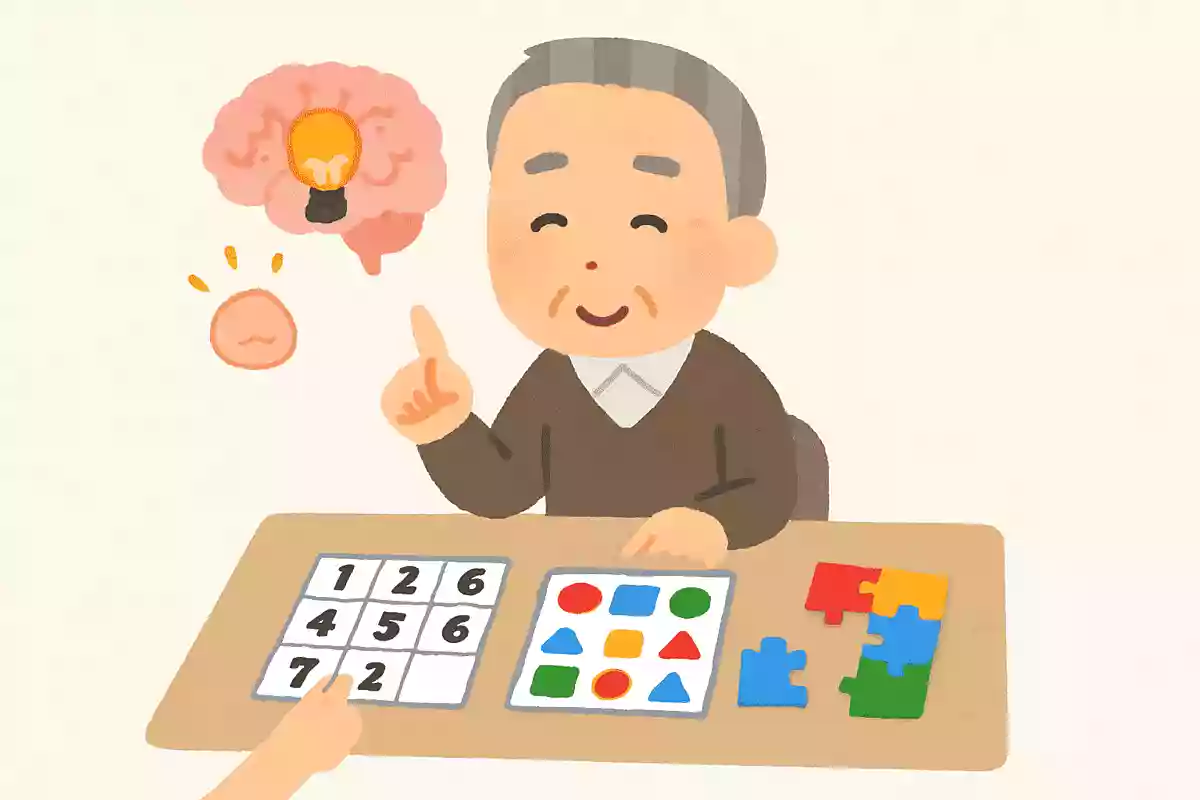
“Tokyo Patent Approval Bureau” is a classic tongue twister.
Some older adults may have heard it or even tried the tongue twister at least once.
However, the Tokyo Patent Approval Bureau doesn’t actually exist.
It never existed in the past either; what does exist is the Japan Patent Office in Chiyoda City, Tokyo.
So where did the TV announcer tongue twister “Tokyo Patent Approval Bureau” come from? As it turns out, it’s said to have been created for use in recruitment exams.
Ultimate luxury aircraft at a deserted Kyushu airport
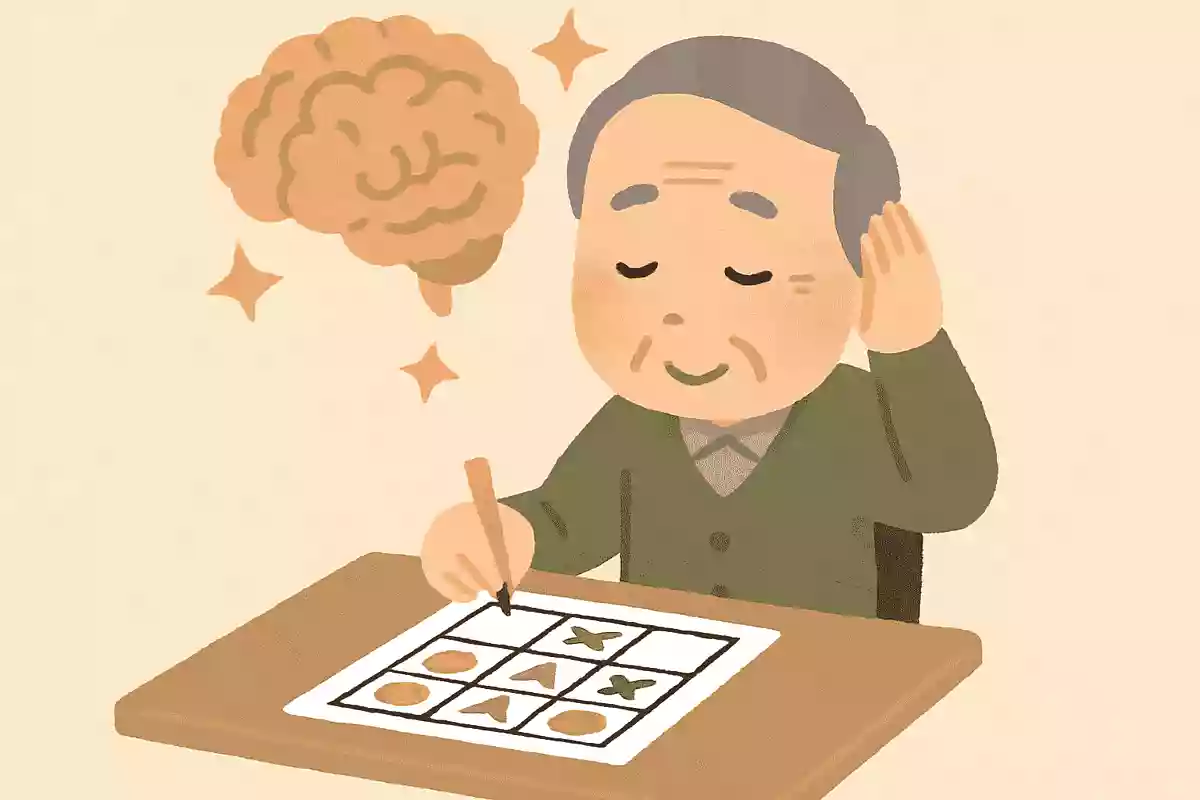
The tongue twister “kuukyo na Kyushu kuukou no kyuukyoku koukyuu koukuuki” (empty Kyushu airport’s ultimate luxury aircraft) feels difficult just by looking at it written down.
The sentence is also on the longer side for a tongue twister, and it’s characterized by a mix of hard k sounds and kya-kyu-kyo clusters.
Because of that, it’s said to be hard to say without tripping up.
To be able to say tongue twisters, the key is to be conscious of each word and pronounce every one clearly and distinctly.
By the way, there is no actual airport called “Kyushu Airport.” If you were to use a real airport in a tongue twister, it would be one of the airports in the Kyushu region, such as Kitakyushu Airport.
red paper roll, blue paper roll, yellow paper roll
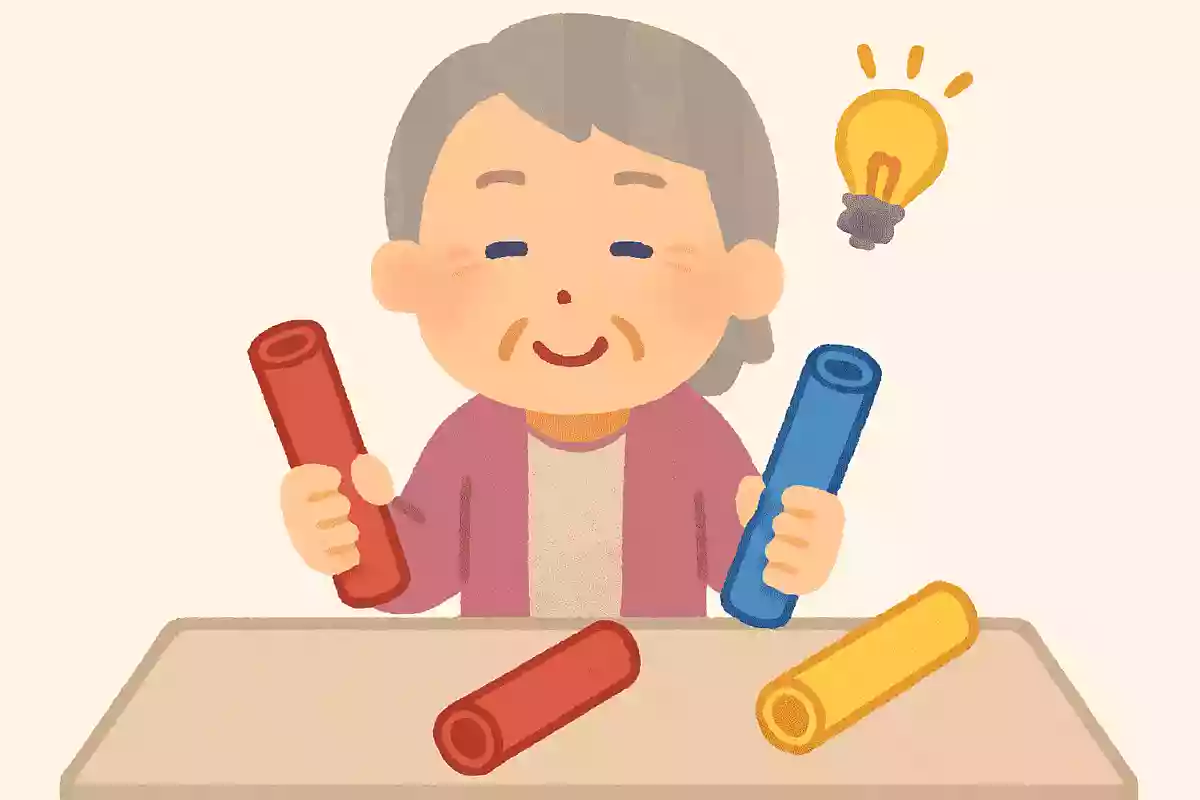
Tongue twisters often consist of strings of hard-to-pronounce words.
“Aka-makigami ao-makigami ki-makigami” (red scroll paper, blue scroll paper, yellow scroll paper) is also a sequence of tricky words.
By the way, makigami refers to paper made by joining together sheets of hansetsu paper (a tall, narrow paper) side by side to make a long roll.
It’s sold in scroll form.
This tongue twister lines up red, blue, and yellow scroll paper.
It looks easy at first glance, but when you try to say it repeatedly, it becomes hard to pronounce.
As a tip, if you pause slightly between the color names—like red or blue—and the word “makigami,” it should be a bit easier to say.
Try it together with older adults.
Brain-training goods from the 100-yen shop!

This is a rehabilitation tool that uses a whiteboard and colored magnets, which you can easily get even at 100-yen shops.
Draw lines on the whiteboard and then place magnets at the intersections—simple, right? By removing magnets that are stuck on and arranging them neatly while paying attention to color, you train the ability to judge colors and order as well as fine finger movements.
Try customizing it depending on what you want to strengthen: for example, increase the number of magnets to make the arranging take more time, or use stronger magnets to require more force to remove them.

Ojami Wobble Game

Many older adults have probably played otedama (beanbag juggling) before, right? Some may have even skillfully used their hands and fingers to juggle two or three beanbags in the air.
Let’s play a fun game that uses familiar otedama to work the fingertips.
Place a paper plate on top of a short piece of a cut plastic wrap or foil core.
Then, place the beanbags on the paper plate one by one.
Since the paper plate is unstable, it wobbles each time you add a beanbag, creating a thrilling, heart-pounding effect.
It seems like older adults can enjoy a bit of tension while engaging in the game.
By the way, “ojami” is what otedama is called in the Kansai region.