

[For Seniors] Perfect Brain Training! Fun Trivia


When working at a senior care facility, you may sometimes need to come up with recreation activities or topics for conversations with older adults.
Do you ever struggle with ending up with similar recreation activities all the time or having the same conversations over and over?
So this time, we’ll introduce some fun trivia for older adults that can liven things up.
As people age and accumulate abundant knowledge and experience, they tend to have fewer opportunities to encounter new things and information.
However, incorporating new information such as trivia can evoke surprise and enjoyment, which is said to stimulate the brain.
After a long time, discovering something new and fun can make them want to share it with other seniors or their family members.
Trivia also helps promote communication by encouraging conversations with others.
- Conversations Made Easy! A Collection of Topics That Elderly People Enjoy
- [For Seniors] Fun and Informative! Trivia and Quizzes Introduced
- [Brain Training] Lively Word Quiz for Seniors
- [For Seniors] Lively two-choice trivia quiz. Handy to know and tidbits you'll want to share with others
- [For Seniors] Guaranteed to Liven Things Up! A Collection of Brain Training Activities That Will Spark Laughter
- [For Seniors] Fun and Informative! Health Trivia Quiz
- [For Seniors] Fun and Informative Trivia Quiz Collection
- Fun, engaging topics for conversations with older adults!
- Hand games that liven things up for seniors—also great brain training
- [For Seniors] Sports Trivia Quiz & Fun Facts. Easy and Entertaining
- [For Seniors] Recommended for Brain Training! Nostalgic Showa-Era Quiz
- [For Seniors] Great for killing time! A fun three-choice trivia quiz
- [For Seniors] Challenging but Exciting! Kanji Quiz
[For Seniors] Perfect for Brain Training! Fun Trivia (71–80)
In which prefecture is the Gujo Odori, a Bon dance also known as the “All-Night Dance,” held?
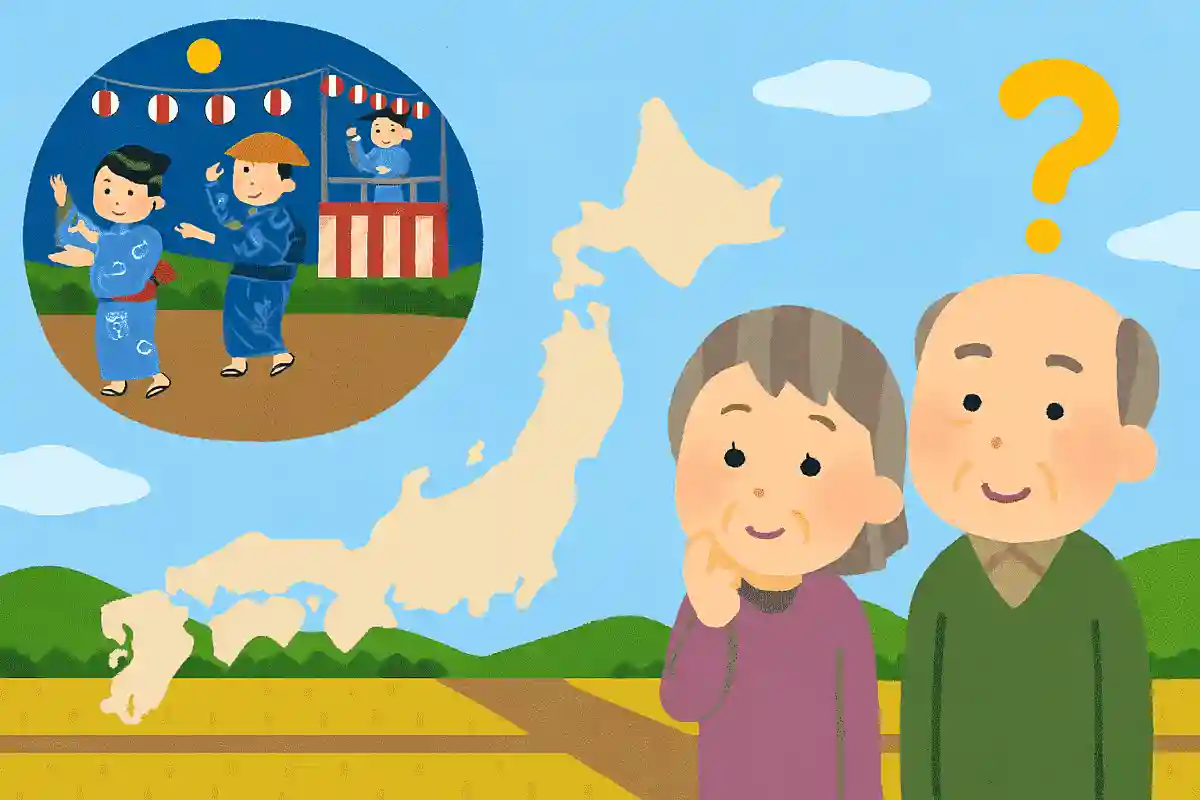
During Obon, when we welcome our ancestors, festivals are sometimes held, and in many cases Bon Odori dances are performed.
Among these dances, there is a special one called Gujo Odori, also known as the All-Night Dance (Tetsuya Odori).
In which prefecture is it held? The answer is Gifu Prefecture.
It is a traditional Bon dance that is also inscribed on UNESCO’s Intangible Cultural Heritage list.
A major feature is that people continue dancing from night until the following morning, and it is said to combine both memorial rites for ancestors and elements of entertainment.

The Arctic is part of the territories of eight countries, but which country does Antarctica belong to?

The Arctic, located at the northern end of the Earth along with its surrounding regions, is considered part of the territories of eight nearby countries.
So what about its opposite, Antarctica—whose territory does it belong to? The answer is “no country’s.” Under the Antarctic Treaty, claims of national sovereignty and military use are prohibited.
Twelve countries were the first to sign the Antarctic Treaty, and the number has gradually increased since then.
Learning about the conflicts over ownership that occurred before it was determined that Antarctica belongs to no nation may also deepen our interest in peace.
In prehistoric times, very few people got cavities. Why was that?
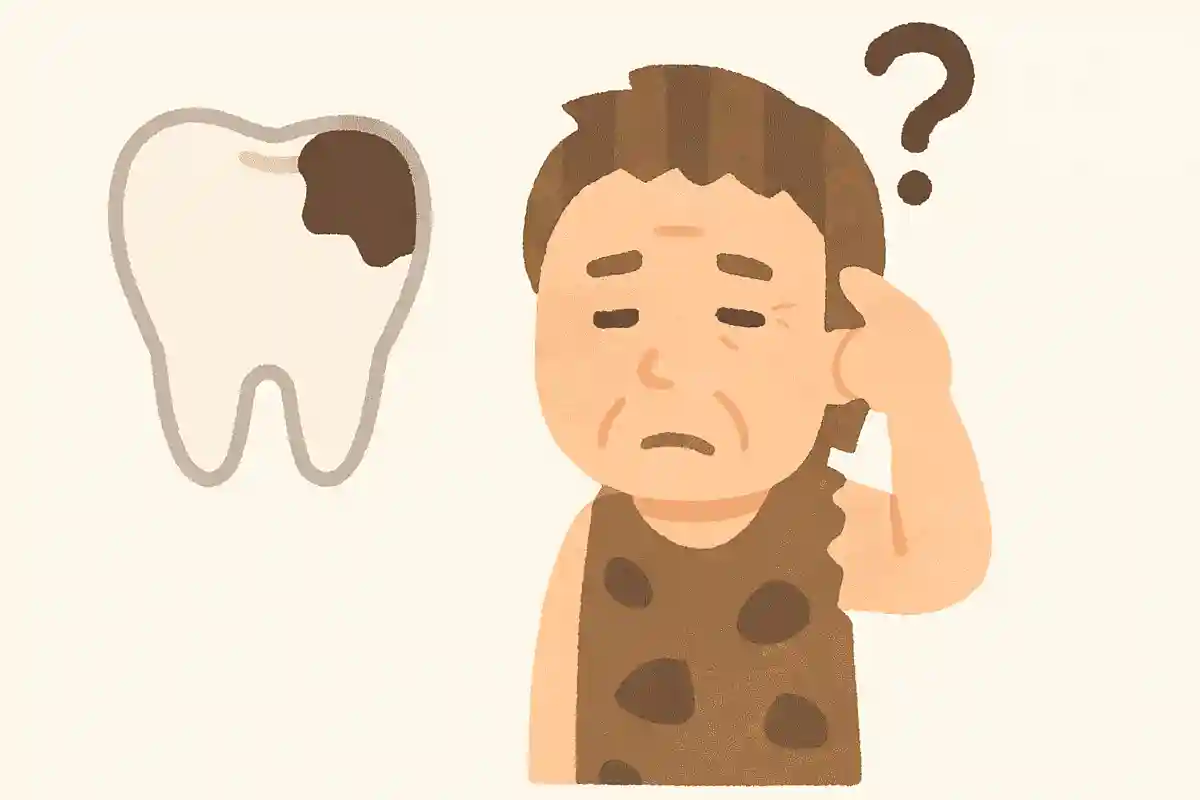
It’s surprising to think that our human ancestors, primitive people, didn’t have cavities, isn’t it? How could that be in a time without toothbrushes or toothpaste? The hint lies in the foods they ate back then.
The answer is that they only had hard foods.
Hard foods naturally increase the number of times you chew, which stimulates plenty of saliva, helping wash away bacteria and the like.
In contrast, in modern times, the increase in soft foods makes it easier for food to get stuck between teeth, and because we chew far fewer times, saliva production has greatly decreased, making us much more prone to cavities.

[For Seniors] Perfect for Brain Training! Lively Trivia (81–90)
If Obon arrives before the 49th day (after the passing), when will the first Obon (shinbon) be?
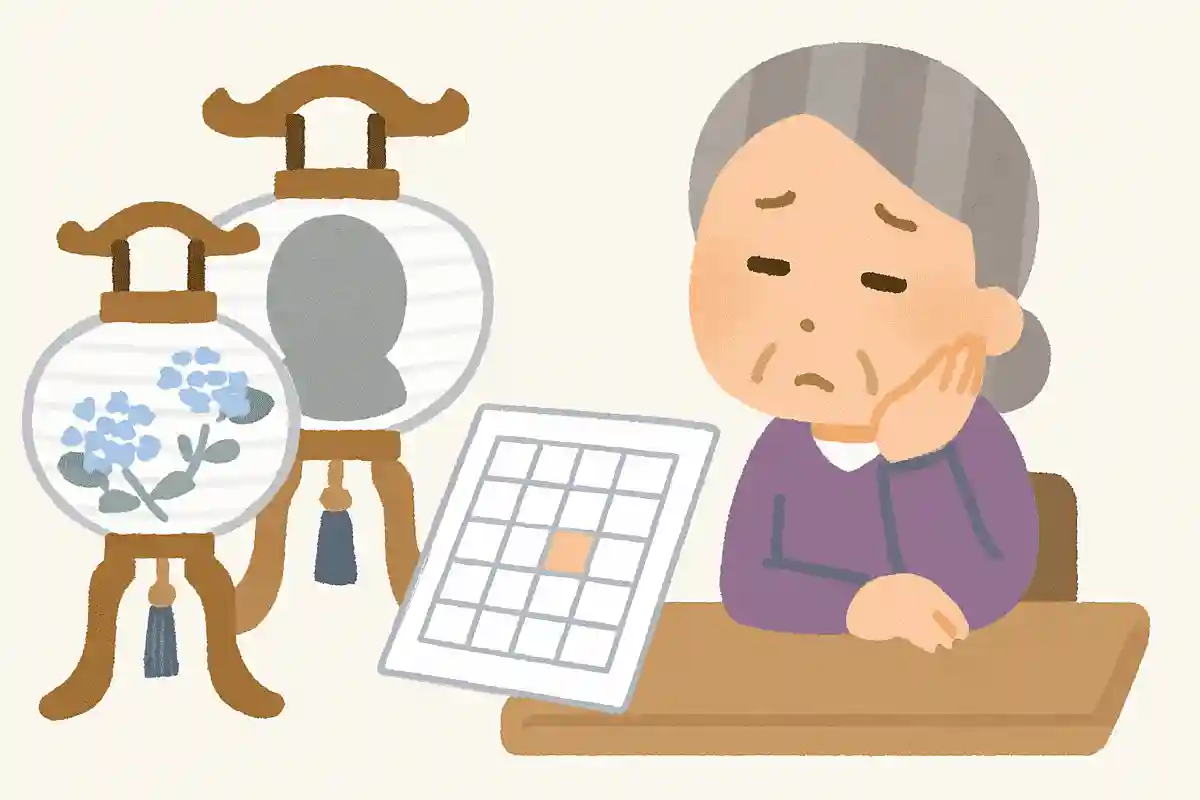
The period from the date of death through the forty-ninth day is called “kicho” (a time of mourning), during which one grieves for the deceased and observes mourning.
If Obon occurs before the forty-ninth day, when this mourning period ends, when is the first Obon (hatsu-bon)? The answer is: during the Obon of the following year after the person’s death.
It is customary not to hold the first-Obon memorial that same year.
If someone brings offerings thinking it is the first Obon, it is generally acceptable to receive the offerings and explain that the first Obon will be held the following year.
This is one of the points of knowledge about Obon, including how to handle such situations.
Besides salt, what seasoning, when sprinkled on a slug, would make it shrink?
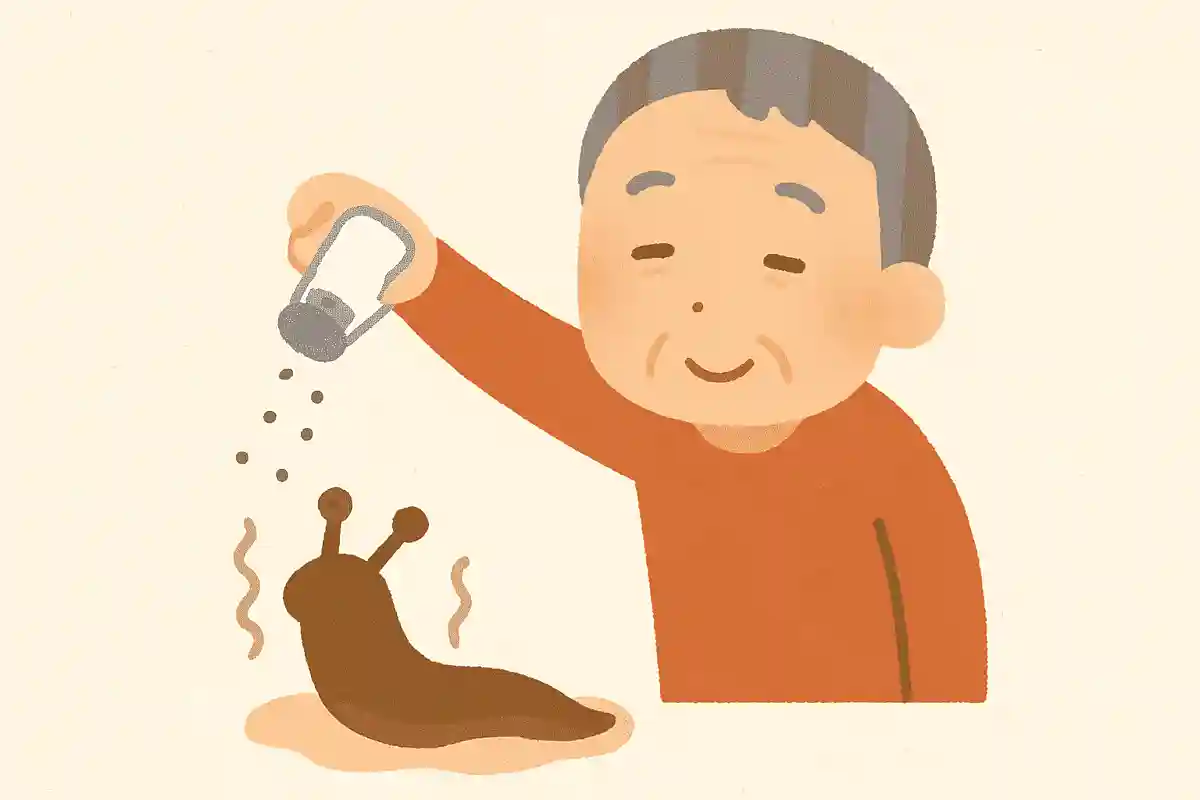
Slugs that appear on rainy days.
Everyone knows they shrivel up when you sprinkle salt on them.
In fact, there’s another seasoning that makes them shrink when sprinkled: sugar.
The mechanism is the same as with salt—water is drawn out of the slug’s body.
However, with sugar it’s said to take about six times longer to fully shrivel than with salt.
If you want to learn more, check out videos of actual experiments.
That said, it does feel a bit sad.

How many hours before going to bed should you eat dinner?
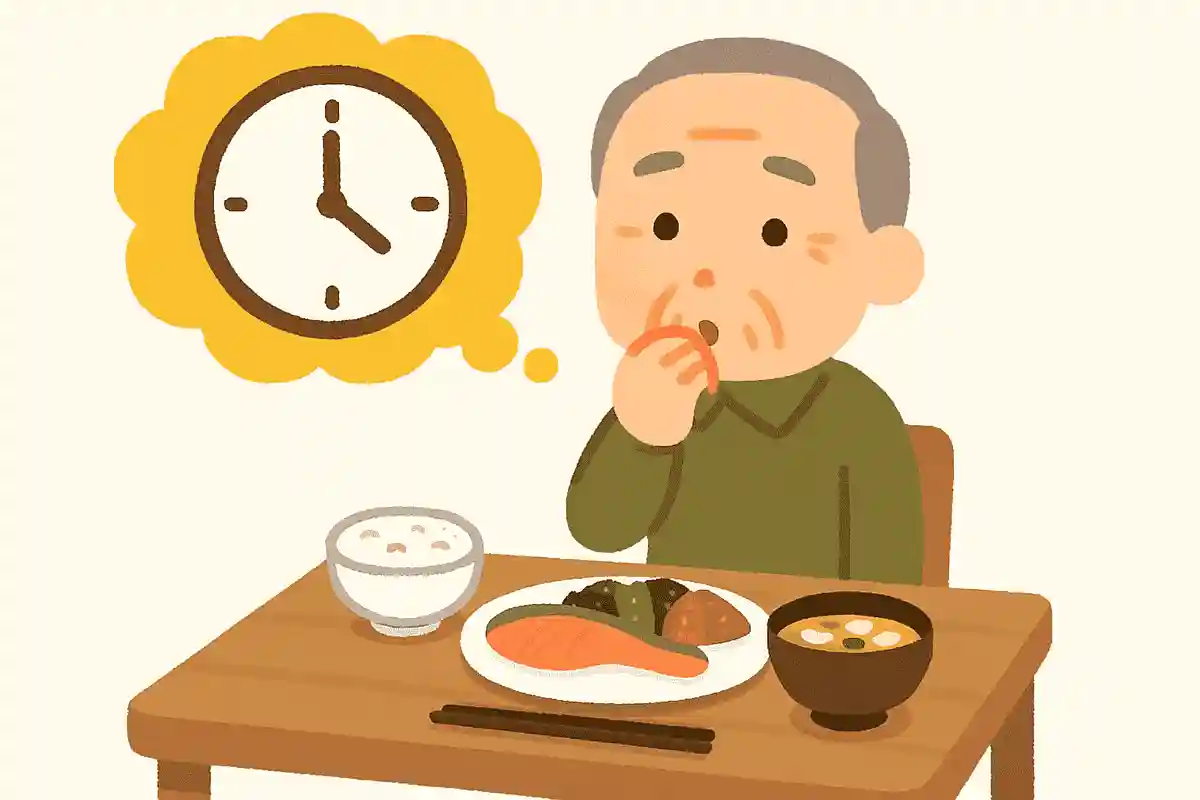
While you may want to lie down right after a delicious dinner, it’s best to wait a bit.
So how long should you wait after dinner? The answer is three hours.
Food takes about two to three hours to digest.
If you go to bed sooner than three hours, it puts a burden on your digestive system as it’s still working, and that activity can also make it harder to fall asleep.
If you have no choice but to eat late, have a small snack in the late afternoon and keep your dinner to about 70% full.
Which vegetable is not commonly eaten abroad because it is associated with the image of a tree root?
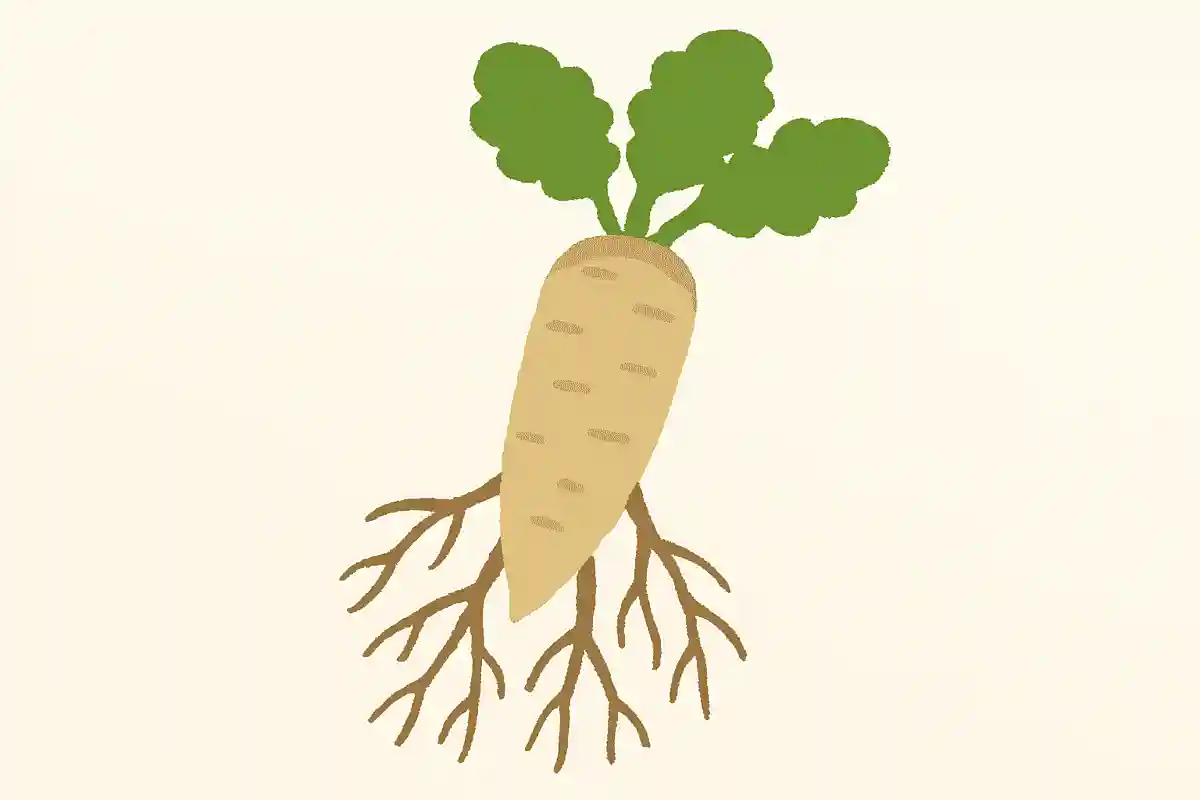
There are many foods that are only eaten in Japan or not particularly liked elsewhere, but what vegetable could “tree roots” be referring to? In Japan, it’s a common ingredient and is often used in cooking.
The phrase “tree roots” reflects the vegetable’s appearance, so that might help you figure it out.
The answer is burdock root (gobo)! Many people overseas find its distinctive smell and astringency off-putting, but gobo is rich in dietary fiber and is very good for your health.