

[For Seniors] Perfect Brain Training! Fun Trivia


When working at a senior care facility, you may sometimes need to come up with recreation activities or topics for conversations with older adults.
Do you ever struggle with ending up with similar recreation activities all the time or having the same conversations over and over?
So this time, we’ll introduce some fun trivia for older adults that can liven things up.
As people age and accumulate abundant knowledge and experience, they tend to have fewer opportunities to encounter new things and information.
However, incorporating new information such as trivia can evoke surprise and enjoyment, which is said to stimulate the brain.
After a long time, discovering something new and fun can make them want to share it with other seniors or their family members.
Trivia also helps promote communication by encouraging conversations with others.
- Conversations Made Easy! A Collection of Topics That Elderly People Enjoy
- [For Seniors] Fun and Informative! Trivia and Quizzes Introduced
- [Brain Training] Lively Word Quiz for Seniors
- [For Seniors] Lively two-choice trivia quiz. Handy to know and tidbits you'll want to share with others
- [For Seniors] Guaranteed to Liven Things Up! A Collection of Brain Training Activities That Will Spark Laughter
- [For Seniors] Fun and Informative! Health Trivia Quiz
- [For Seniors] Fun and Informative Trivia Quiz Collection
- Fun, engaging topics for conversations with older adults!
- Hand games that liven things up for seniors—also great brain training
- [For Seniors] Sports Trivia Quiz & Fun Facts. Easy and Entertaining
- [For Seniors] Recommended for Brain Training! Nostalgic Showa-Era Quiz
- [For Seniors] Great for killing time! A fun three-choice trivia quiz
- [For Seniors] Challenging but Exciting! Kanji Quiz
[For Seniors] Perfect for Brain Training! Lively Trivia (91–100)
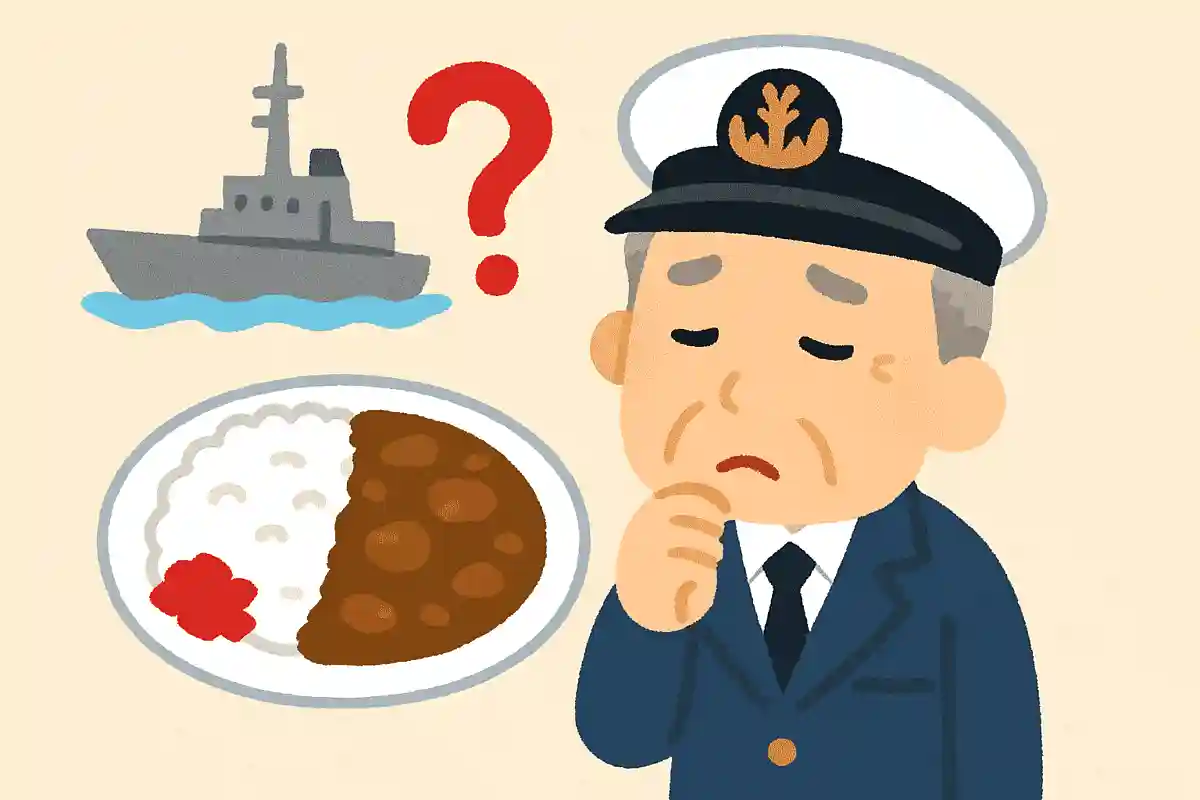
On one specific day each week, the Japan Maritime Self-Defense Force always eats curry. Which day is it?
- Wednesday
- Friday
See the answer
Friday
There are various theories as to why Friday became Curry Day in the Japan Maritime Self-Defense Force, but the most well-known is that it’s to prevent people from losing track of the days of the week. When sailing at sea or working on submarines, the scenery doesn’t change and people can lose their sense of what day it is, so Curry Day was introduced to prevent that.

What is the reason your head gets an intense, sharp pain when you eat cold things like ice or ice cream?
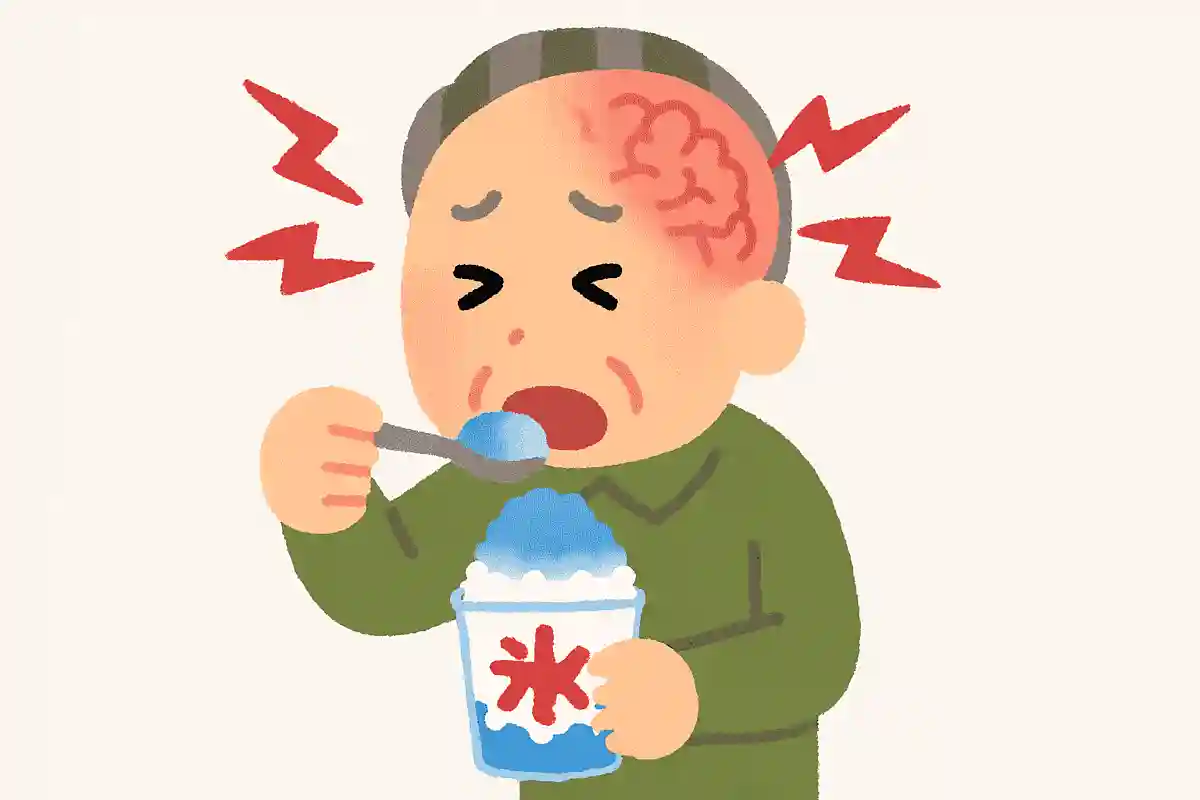
Many older adults have probably experienced that sharp, piercing headache after eating shaved ice or ice cream on a hot summer day.
But why does that happen? It’s puzzling, isn’t it? The short answer is: it’s your brain being fooled! When something cold passes through your throat, the brain mistakes the cold sensation for pain.
This phenomenon even has a name: “ice cream headache.” On hot days you might want to gobble things down to feel the chill quickly, but eating slowly and calmly can help prevent it!

[For Seniors] Perfect for Brain Training! Exciting Trivia (101–110)
In the Edo period, what was bush warbler droppings used for?
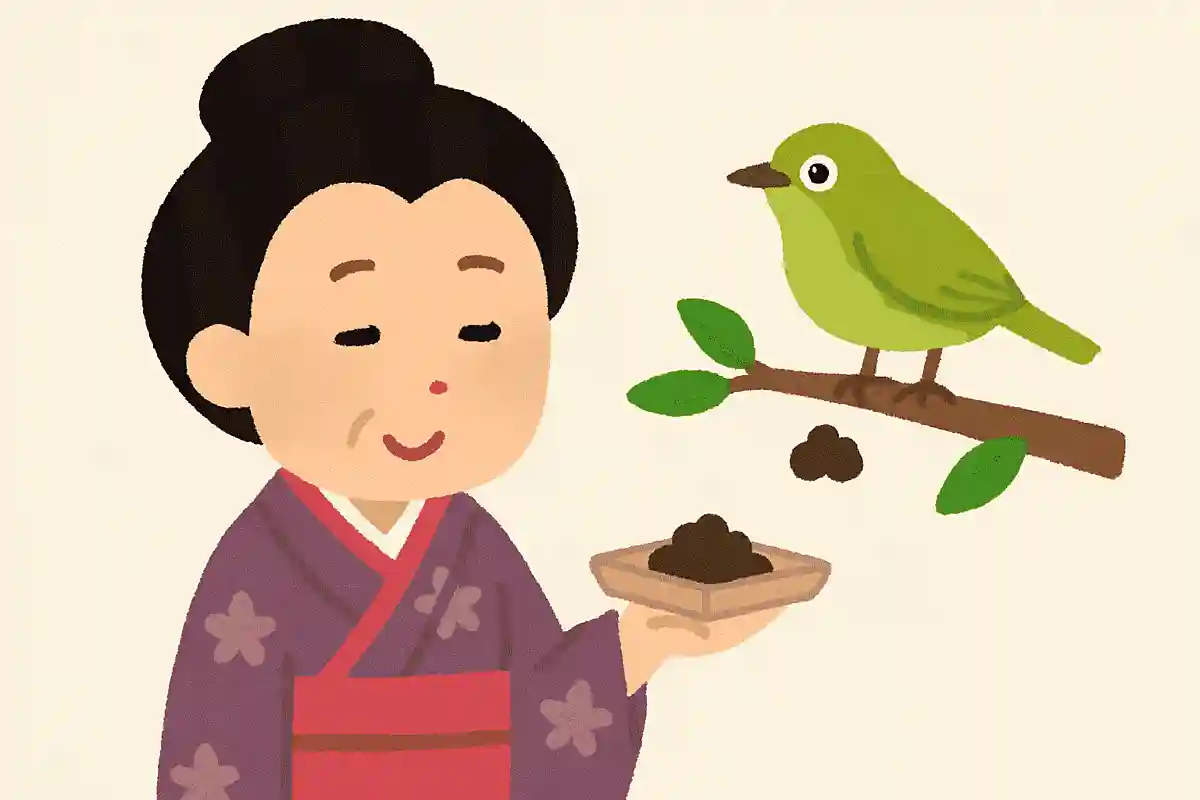
The bush warbler, which sings beautifully with a “hoo-hokekyo,” had its droppings used for something in the Edo period.
The answer is cosmetics.
In Japan, they had long been used to remove stains from silk fabrics, but by the Edo period they were also used for beauty.
Dried and powdered bush warbler droppings were said to reduce fine wrinkles, refine skin texture, and contain skin-brightening enzymes—and are apparently still used today.

Fabric softener used in laundry. It can be substituted with another item found at home—what is it?
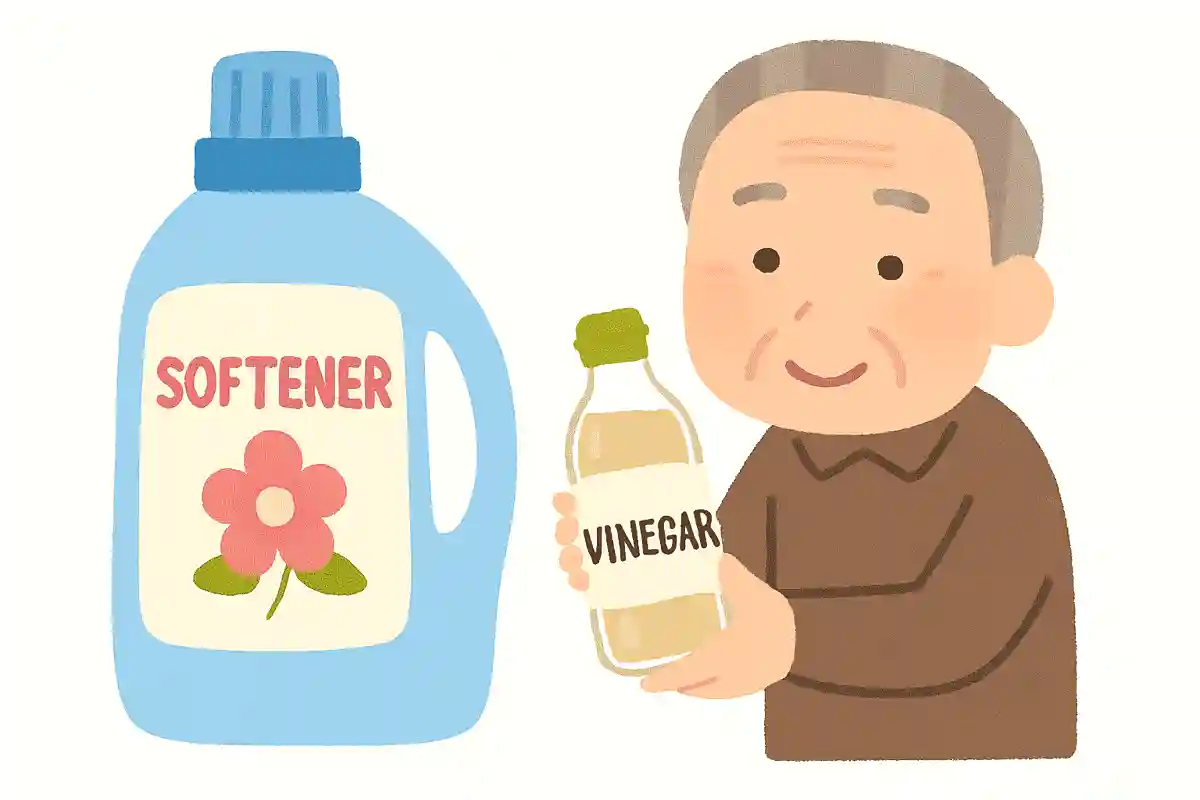
Have you ever realized you ran out of fabric softener after starting the laundry? It can be quite a hassle.
In such cases, you can substitute hair rinse or conditioner.
They contain ingredients that make fabrics feel soft and fluffy.
However, be careful not to pour them directly into the dispenser, as they can clog it.
Dissolve them in hot water before use.
Also note that ingredients and fragrances vary by product.
So, it’s best to avoid running out of fabric softener if possible.

Why do ocean waves occur?
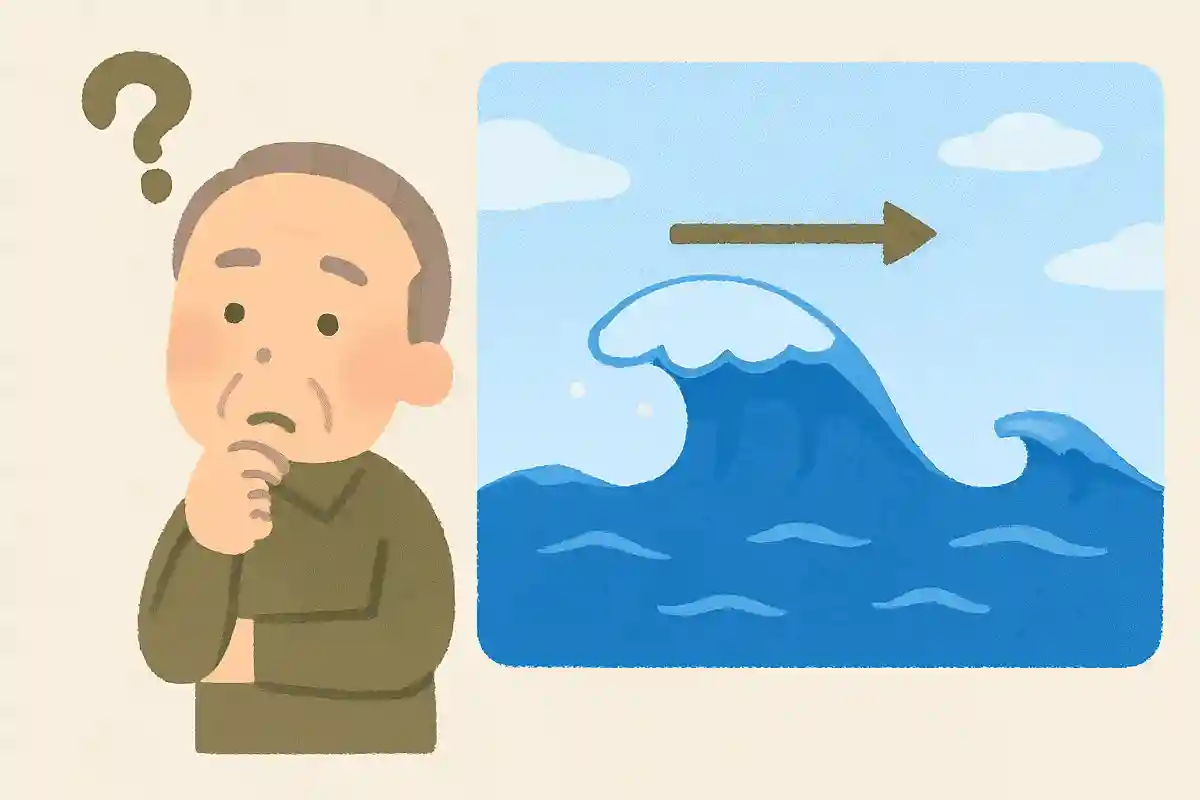
Suddenly, but do you know why ocean waves occur? It’s fascinating that waves keep happening everywhere, all the time.
The answer is surprisingly simple: because the wind blows.
When you blow on water in a bucket, the surface ripples, right? It’s the same principle.
You might be thinking, “But there are waves even when there’s no wind.” That’s because waves generated by winds far away travel to where you are.
A romantic little quiz that lets you feel the vastness of the ocean.
What is the source of tears?
When we’re sad, happy, or deeply moved.
Older adults who have lived long lives have shed all kinds of tears, haven’t they? So what exactly are tears to begin with? Because they look like clear water, we tend to assume they’re just the body’s fluids, but that’s not actually the case.
Here’s a hint: it’s something even older adults have definitely seen before, and it isn’t transparent.
The answer is blood! Tears are said to flow after components like hemoglobin—the red parts—are removed from the blood, which is why they don’t appear red but come out clear.
Nails are part of a certain part of the body. Where on the body are they?
You might think a nail is just a nail, but in fact it’s simply a part of another part of the body.
So, what exactly is it? Rather than overthinking it, it might help to go with the first body part that comes to mind.
The straight answer: skin! Nails are formed when the skin hardens and changes, becoming something harder and different from soft skin.
By the way, if you lose your nails, you may have trouble gripping objects properly, protecting your fingertips, and—in the case of toenails—keeping your body stable.
So take good care of them.