

[For Seniors] Perfect Brain Training! Fun Trivia


When working at a senior care facility, you may sometimes need to come up with recreation activities or topics for conversations with older adults.
Do you ever struggle with ending up with similar recreation activities all the time or having the same conversations over and over?
So this time, we’ll introduce some fun trivia for older adults that can liven things up.
As people age and accumulate abundant knowledge and experience, they tend to have fewer opportunities to encounter new things and information.
However, incorporating new information such as trivia can evoke surprise and enjoyment, which is said to stimulate the brain.
After a long time, discovering something new and fun can make them want to share it with other seniors or their family members.
Trivia also helps promote communication by encouraging conversations with others.
- Conversations Made Easy! A Collection of Topics That Elderly People Enjoy
- [For Seniors] Fun and Informative! Trivia and Quizzes Introduced
- [Brain Training] Lively Word Quiz for Seniors
- [For Seniors] Lively two-choice trivia quiz. Handy to know and tidbits you'll want to share with others
- [For Seniors] Guaranteed to Liven Things Up! A Collection of Brain Training Activities That Will Spark Laughter
- [For Seniors] Fun and Informative! Health Trivia Quiz
- [For Seniors] Fun and Informative Trivia Quiz Collection
- Fun, engaging topics for conversations with older adults!
- Hand games that liven things up for seniors—also great brain training
- [For Seniors] Sports Trivia Quiz & Fun Facts. Easy and Entertaining
- [For Seniors] Recommended for Brain Training! Nostalgic Showa-Era Quiz
- [For Seniors] Great for killing time! A fun three-choice trivia quiz
- [For Seniors] Challenging but Exciting! Kanji Quiz
[For Seniors] Perfect for Brain Training! Exciting Trivia (41–50)
Natto is said to have a blood-thinning effect. What time of day is best to eat it to achieve a greater effect?

Natto is one of the foods that embody Japanese tradition and is strongly associated with being healthy.
In fact, natto is good for your health and contains components that help thin the blood.
Did you know there’s a recommended time of day to eat it to draw out its health benefits even more? Considering the times when blood vessels are said to be more prone to clogging, you can figure out the timing that may help prevent that.
The answer is “at night.” Blood vessels are considered more likely to clog while you sleep, so the idea is that consuming the beneficial components about four hours before bedtime is best to help prevent it.

[For Seniors] Perfect for Brain Training! Exciting Trivia (51–60)
In sukiyaki, which ingredient is considered better not to place next to the meat?
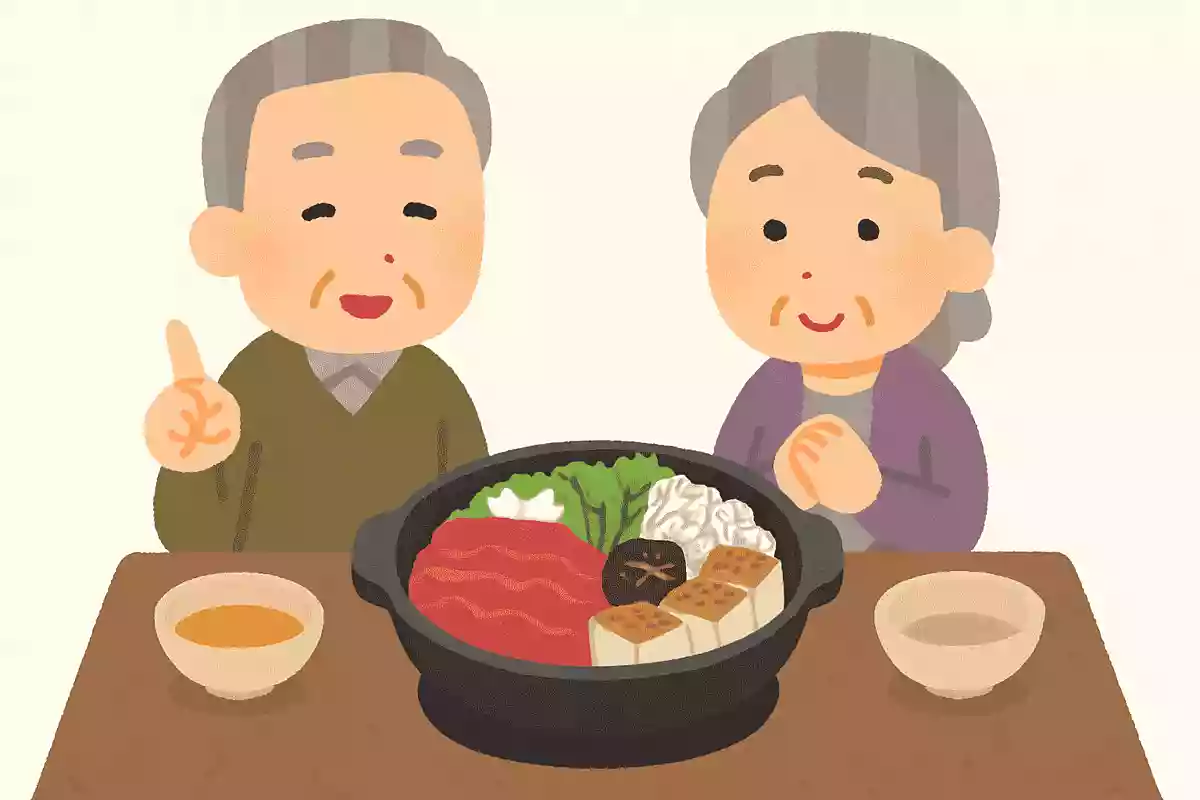
A quiz many people might already know! In sukiyaki, which ingredient is said to be better not placed next to the meat? Here’s a bit of trivia for you.
The correct answer is shirataki (konjac noodles).
Shirataki contains calcium, and when it comes into contact with protein, heat coagulation occurs, which causes the meat to toughen more quickly.
Some of you may have unknowingly placed them side by side in the pot.
To enjoy delicious, tender meat, it’s important to be a little mindful of how you arrange the ingredients.
Japan’s first moving walkway debuted in 1967 (Showa 42). Do you know where it made its first appearance?
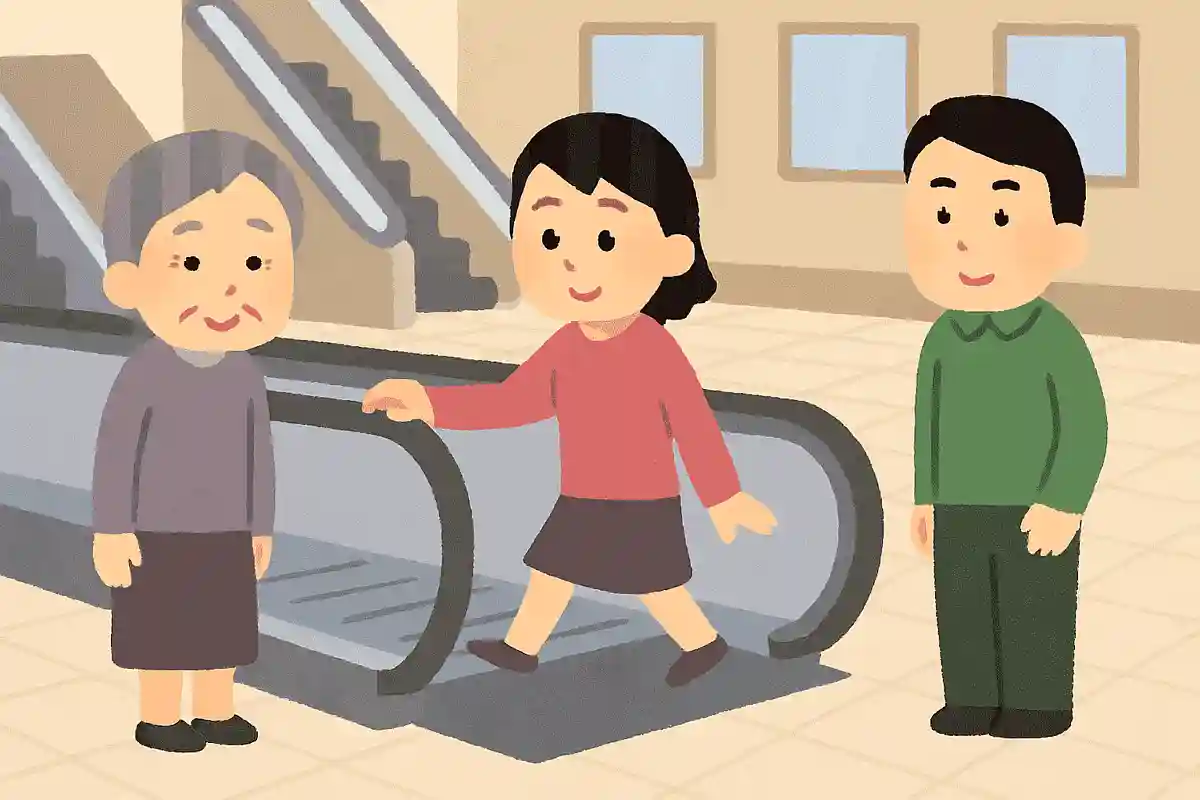
Moving walkways found in airports and large train stations look like escalators, but instead of taking you up or down a floor, they carry you straight ahead.
They’re faster than walking and let you glide smoothly to your destination, making them very convenient.
So, where did moving walkways first appear in Japan? Here’s a hint: it’s in Kansai, in a place known for people who are often in a hurry.
The answer is Osaka! The first one was installed at Hankyu Umeda Station.
At the time, the station was undergoing expansion, and the walkway was built to improve access from platform to platform.
By the way, you often see people walking on moving walkways, but it’s dangerous, so once you step on, stand still and ride it to your destination.

What is the fire called that is burned when sending ancestors back on August 16?
During Obon, there is a custom of burning ogara (hemp stalks).
On the first day, August 13, they are burned as a guide for the ancestors.
This is called mukaebi, or “welcoming fire.” Do you know what the fire burned on August 16, at the end of Obon, to send the ancestors back is called? The answer is okuribi, or “sending-off fire.” It may feel a little sad—after all, they’ve just come back—but let’s see them off properly.
The time for lighting the sending-off fire varies by region, but it is generally done in the evening.

How many days are there in a leap year?

- 366 days
- 364 days
See the answer
366 days
A leap year comes around once every four years. In an ordinary year, February ends on the 28th, but only in a leap year does February 29th exist. Since that year has one extra day, the answer is 366 days. You might be momentarily confused—Which is it?—but if you think about it carefully, it makes sense!

“Bow-wow” represents the sound made by a dog in English. What animal is it?

How animals’ sounds are represented varies from country to country.
Among them, which animal is expressed with the sound “bow-wow” in English? Even if you’re not familiar with “bow-wow,” it’s such a classic animal that you’d quickly get the answer just by listing animals one by one.
The answer is “dog.” If you also look into how other animals’ sounds are expressed in English, and how they change in languages other than English, you’ll deepen your knowledge—and it might make for a lively conversation, too.
What vegetable was once grown for ornamental purposes because it was considered ‘poisonous’?
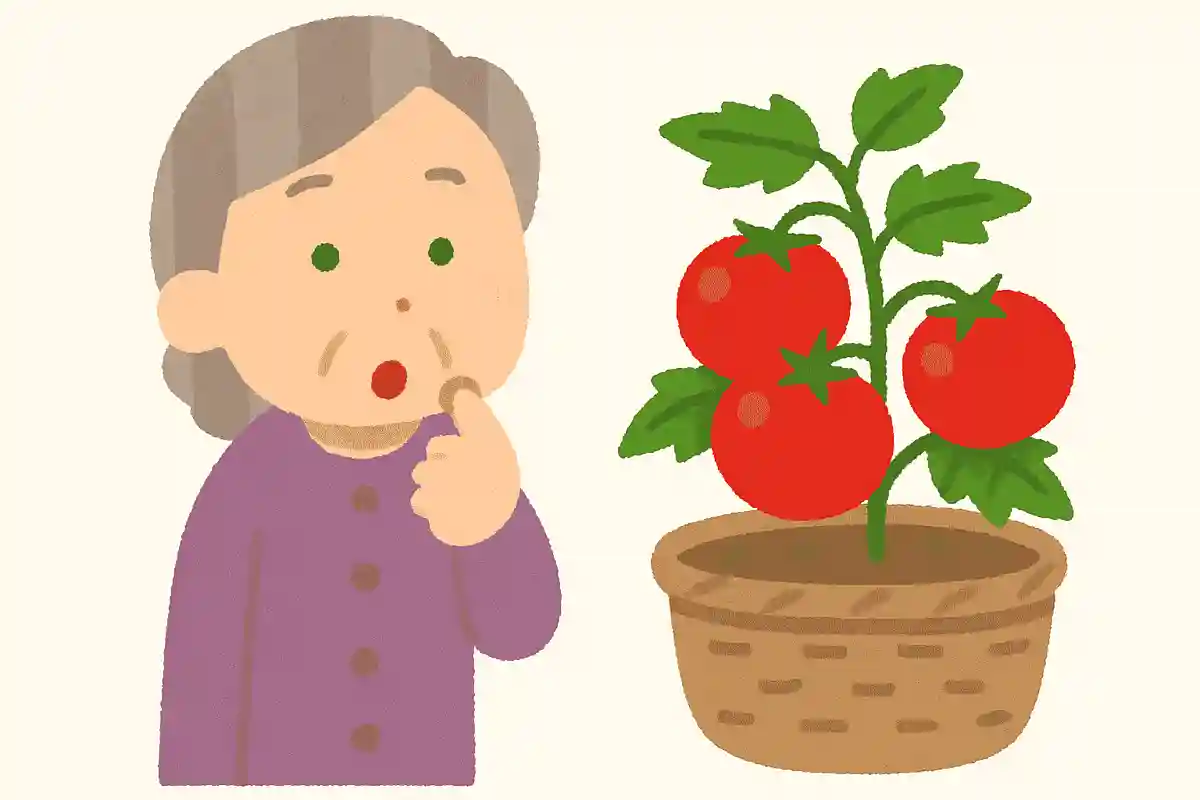
This answer would surprise even older folks! Nowadays, it’s an extremely common food that just about everyone, young and old, has eaten at least once.
Hints include that it’s a vegetable, it can be sweet or sour, and it contains lycopene, which helps improve lifestyle-related health issues and is great for beauty.
The answer is—tomatoes! The issue stemmed from toxins contained in tomatoes, but thanks to selective breeding, those toxic components have been greatly reduced today.
Still, the non-fruit parts like the stems and leaves are dangerous, so please be careful.