

[For Seniors] Perfect Brain Training! Fun Trivia


When working at a senior care facility, you may sometimes need to come up with recreation activities or topics for conversations with older adults.
Do you ever struggle with ending up with similar recreation activities all the time or having the same conversations over and over?
So this time, we’ll introduce some fun trivia for older adults that can liven things up.
As people age and accumulate abundant knowledge and experience, they tend to have fewer opportunities to encounter new things and information.
However, incorporating new information such as trivia can evoke surprise and enjoyment, which is said to stimulate the brain.
After a long time, discovering something new and fun can make them want to share it with other seniors or their family members.
Trivia also helps promote communication by encouraging conversations with others.
- Conversations Made Easy! A Collection of Topics That Elderly People Enjoy
- [For Seniors] Fun and Informative! Trivia and Quizzes Introduced
- [Brain Training] Lively Word Quiz for Seniors
- [For Seniors] Lively two-choice trivia quiz. Handy to know and tidbits you'll want to share with others
- [For Seniors] Guaranteed to Liven Things Up! A Collection of Brain Training Activities That Will Spark Laughter
- [For Seniors] Fun and Informative! Health Trivia Quiz
- [For Seniors] Fun and Informative Trivia Quiz Collection
- Fun, engaging topics for conversations with older adults!
- Hand games that liven things up for seniors—also great brain training
- [For Seniors] Sports Trivia Quiz & Fun Facts. Easy and Entertaining
- [For Seniors] Recommended for Brain Training! Nostalgic Showa-Era Quiz
- [For Seniors] Great for killing time! A fun three-choice trivia quiz
- [For Seniors] Challenging but Exciting! Kanji Quiz
[For Seniors] Perfect for Brain Training! Exciting Trivia (1–10)
What new sports were added to the 2024 Paris Olympics?
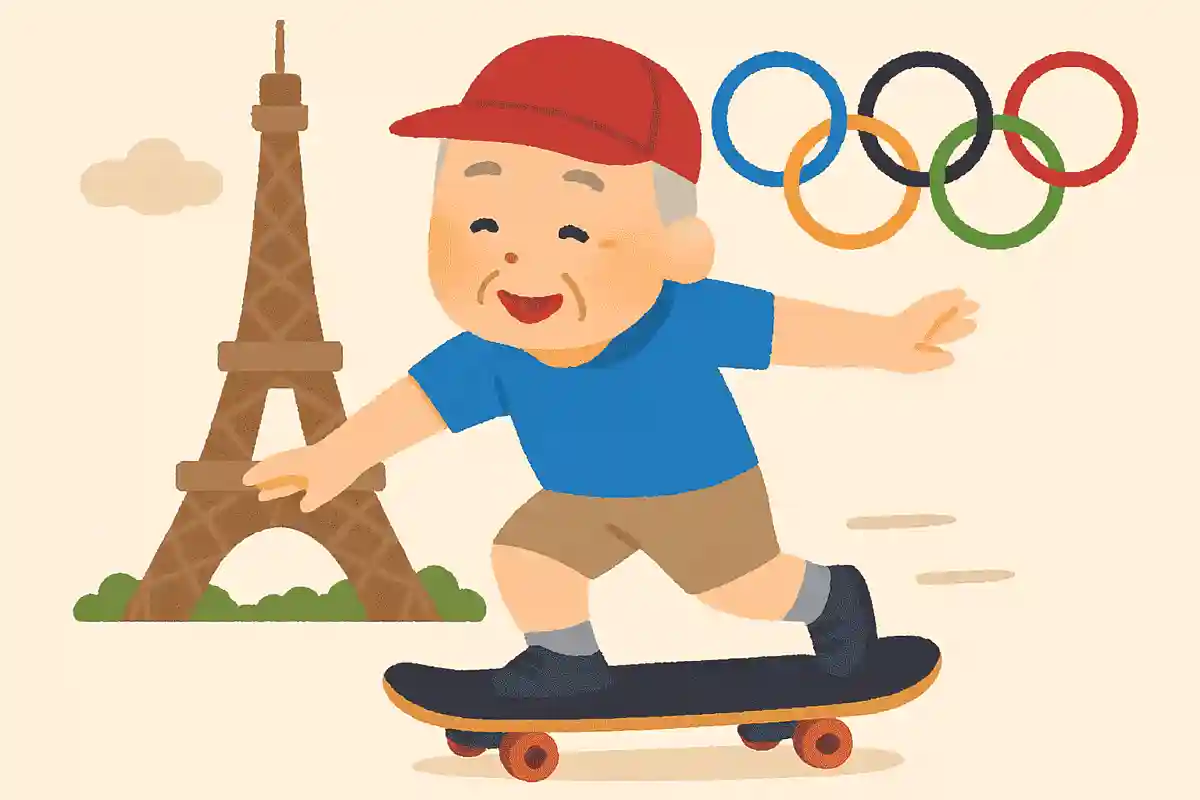
Paris is a tourist city known for famous historic landmarks such as the Eiffel Tower and the Louvre Museum, and is also called the “City of Flowers.” The 2024 Olympics marked the third time the Games were held in Paris.
Many people were likely excited to see how art and sports would merge.
A new event added to the Paris Olympics was breaking, a dance sport.
In breaking, Japan’s Ami Yuasa competed and won a gold medal.

Origin of the name ‘daigaku-imo’ (candied sweet potatoes)
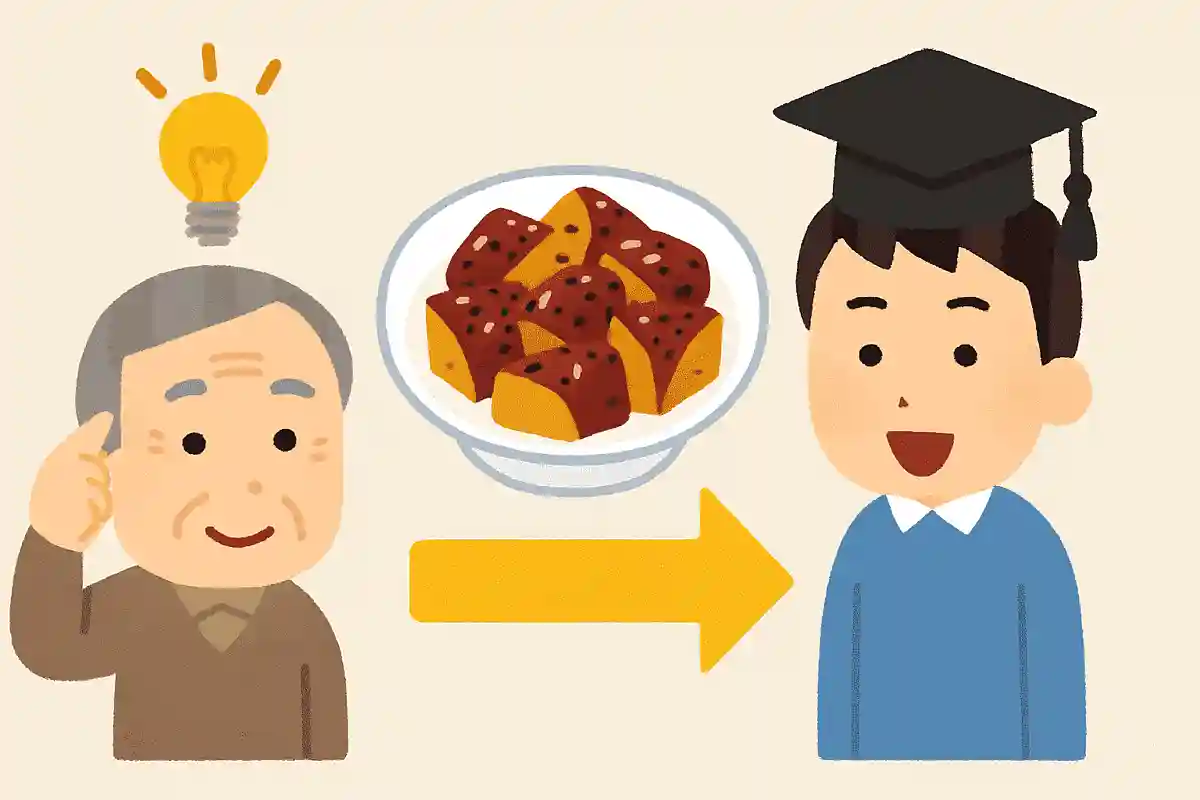
Daigaku-imo is a confection loved by people of all ages: sweet potatoes deep-fried and coated in syrup.
Many have probably wondered why this treat is called “daigaku-imo,” or “university potatoes.” There are several theories about the origin of the name, which has been used since the Taisho era.
Some say university students loved eating them; others say students sold them to pay tuition; still others note that products branded with the word “university” were in vogue.
These stories suggest that people of the time found the term “university student” striking and memorable.

The height of the Pyramid of Khufu is approximately 140 meters.
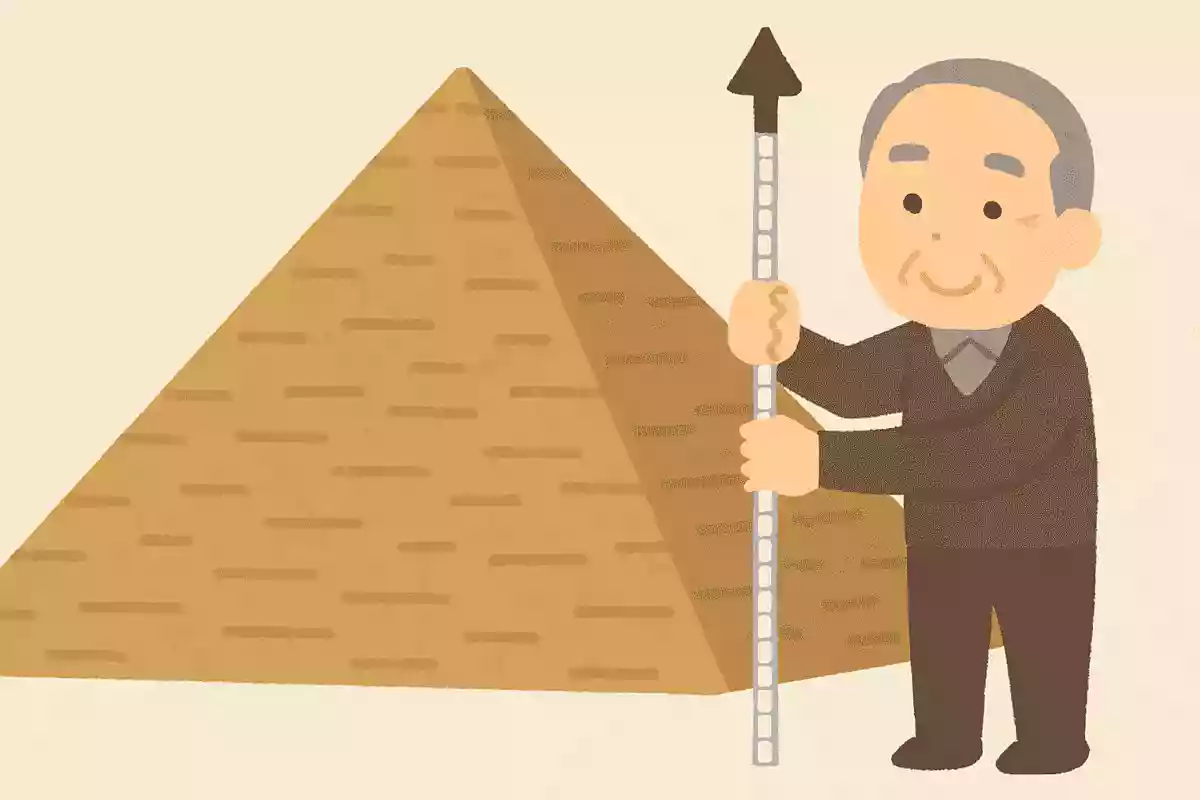
The Great Pyramid of Khufu, the largest of the Giza pyramids and one of the Seven Wonders of the World, is the only wonder that is a man-made structure said to have been built around 2600 BCE.
Standing at approximately 140 meters tall, it held the title of the tallest structure in the world for over 4,000 years.
Constructed from more than two million stones weighing between 2 and 30 tons, it is almost perfectly symmetrical.
Yet, because it was built in an era without modern heavy machinery, its construction methods remain shrouded in many mysteries.

[For Seniors] Perfect for Brain Training! Lively Trivia (11–20)
It is considered best to perform Setsubun bean throwing at night.
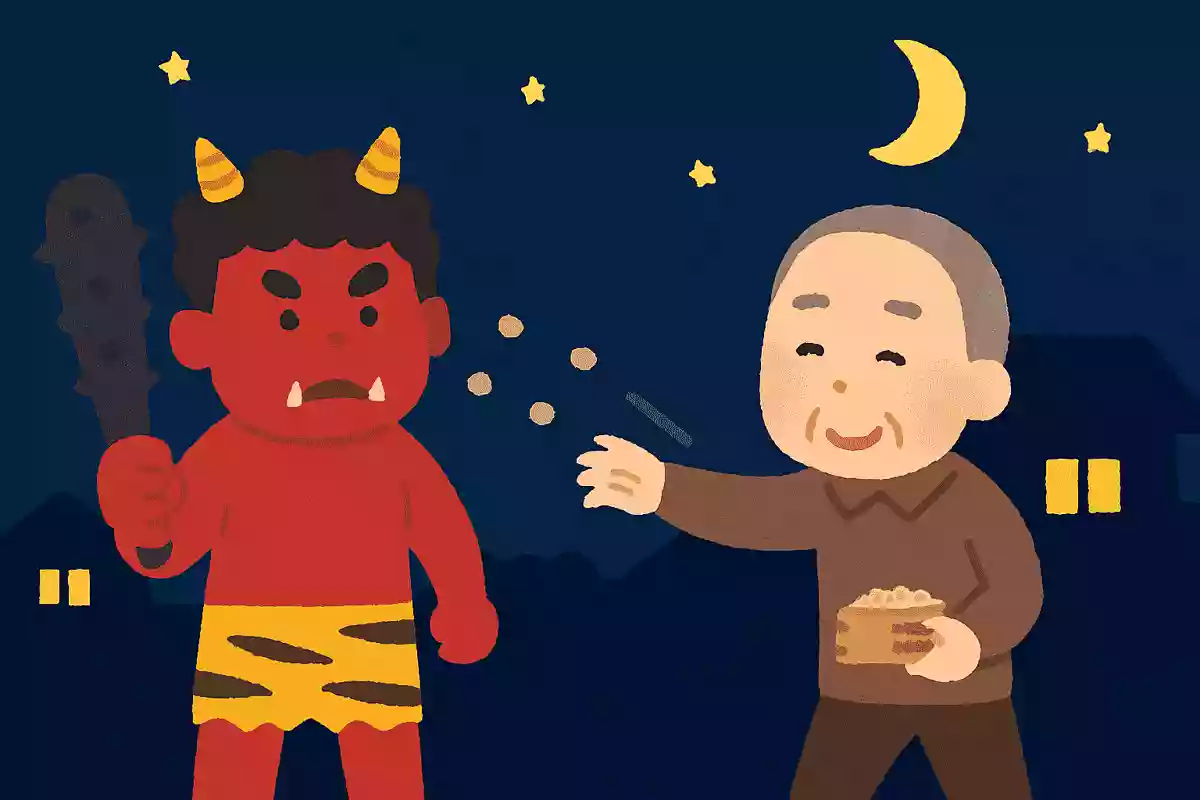
Setsubun is a traditional Japanese event.
In households with children, there are many opportunities to do mamemaki (bean throwing).
Although it’s something we often do without much thought, do you know what time of day it’s considered best to perform mamemaki? The answer is “at night.” Since ancient times, it has been believed that oni (demons) come at midnight.
It was also recommended to do it at night when the whole family is gathered, to drive away worldly desires from the heart and welcome the new season in purity.
Today, however, holding it at midnight can cause noise issues and make cleaning difficult, so it is generally done in the early evening to nighttime.
Not only the first spring storm exists, but there are also the second and third.
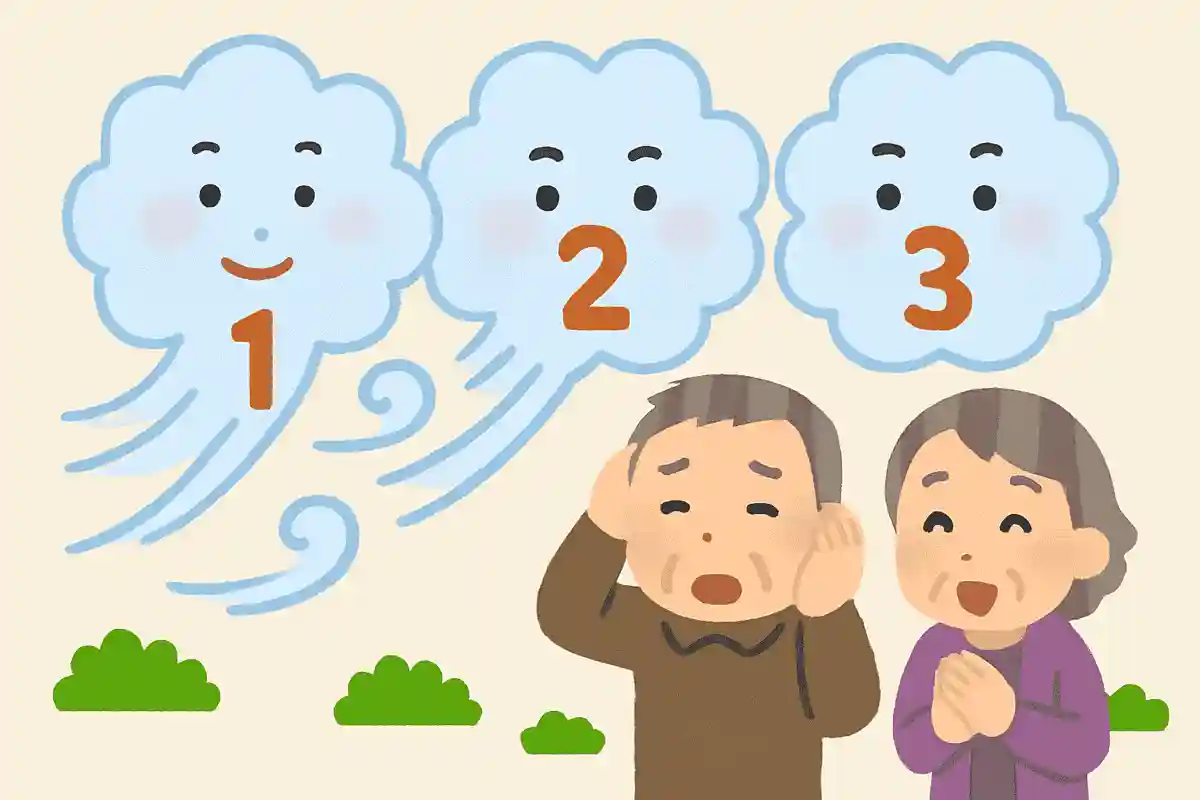
Personally, I have the impression that strong gusts often blow in spring—how about you? The so-called “haru ichiban” is, in my vague understanding, something like “a strong wind that blows in spring,” but borrowing the Japan Meteorological Agency’s wording, it’s defined as “a warm, somewhat strong southerly wind observed over a wide area between Risshun (the start of spring) and the spring equinox.” Apparently, this “first spring gale” can also be followed by “second spring gale,” “third spring gale,” and so on.
However, these are not official terms of the JMA; they’re more at the level of expressions used in news programs.
I mean, if someone said “the 50th spring gale,” that’d be a bit much, right?
The story of how butter long ago wasn’t used as food
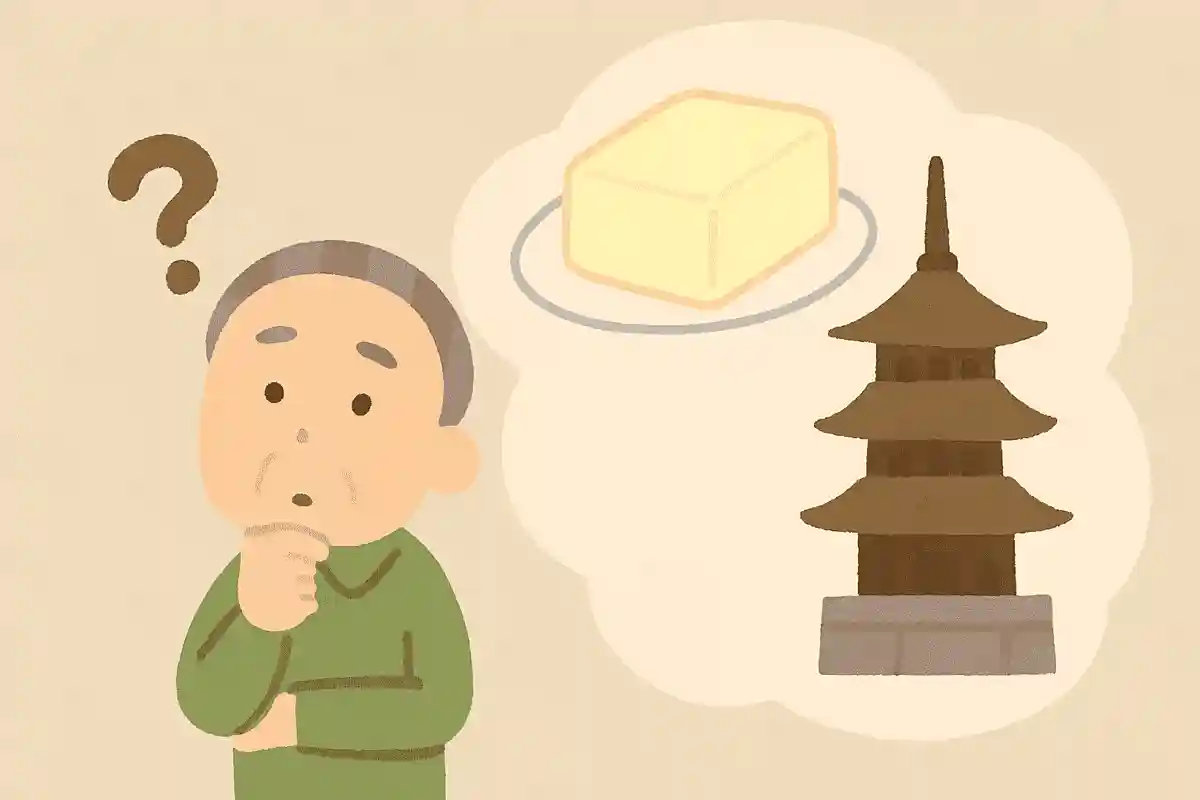
We often use butter in familiar ways, like spreading it on bread or as an ingredient in cooking and baking.
But here’s a fun fact: butter wasn’t originally used for eating, and it had some surprising applications.
Butter is said to have appeared around 2000 BCE and spread from ancient Greece and Rome throughout Europe.
It’s reported that butter was used as an ointment and a beauty cream.
When it was formally introduced to Japan in the Meiji era, it had already become established as a food, which makes those earlier uses seem hard to believe.
The reason Momotaro’s companions are a dog, a monkey, and a pheasant
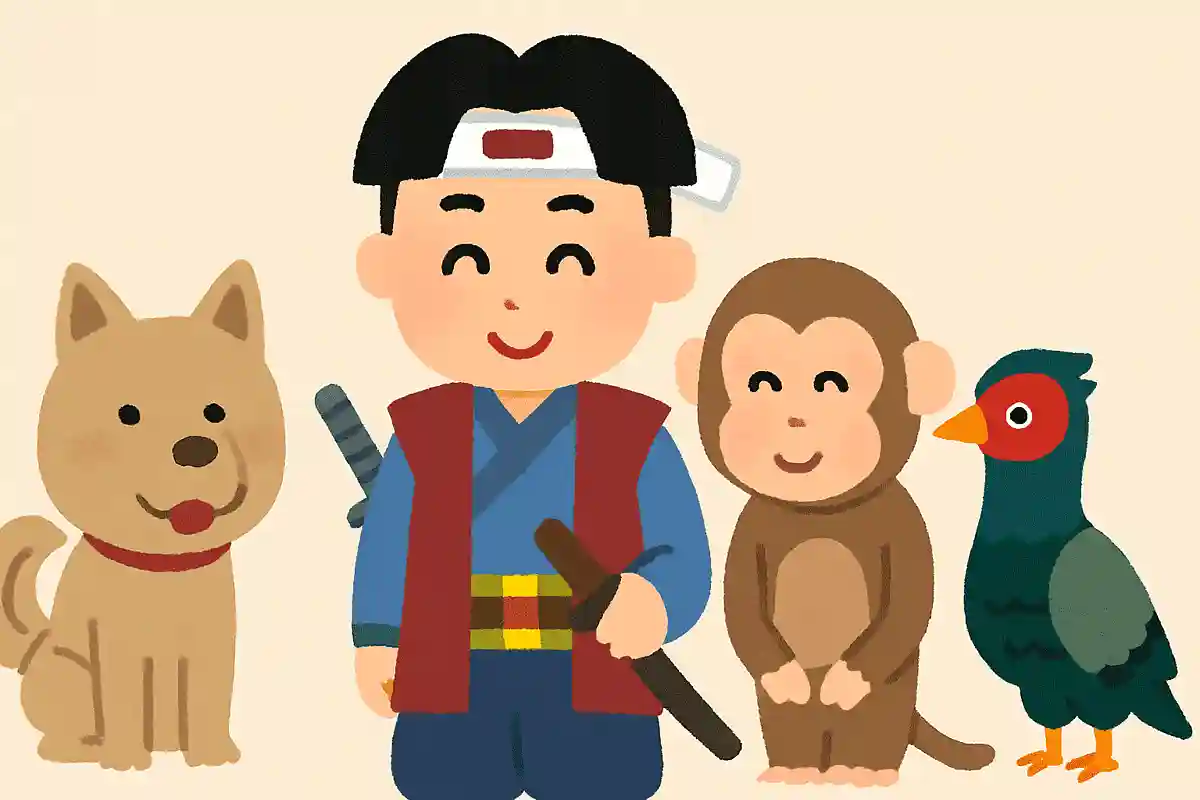
Momotaro, a staple of classic folktales that everyone knows, may strike some as a children’s story, but it’s actually a profound tale that also contains elements of Japanese mythology.
One common question about Momotaro is why his companions are a dog, a monkey, and a pheasant.
The reason has to do with the fact that his enemies are oni (demons) and with the symbolism of those who oppose them.
In relation to the direction known as the kimon—the “demon gate,” from which oni and malevolent energies are said to enter—the zodiac signs positioned in the opposite direction, the ura-kimon, are the Dog (Inu), Monkey (Saru), and Rooster (Tori).
Because of this, they are used as symbols of forces that stand against the oni.
It’s a bit of trivia that shows how knowing myths and legends can make folktales even more interesting.