

[For Seniors] Perfect Brain Training! Fun Trivia


When working at a senior care facility, you may sometimes need to come up with recreation activities or topics for conversations with older adults.
Do you ever struggle with ending up with similar recreation activities all the time or having the same conversations over and over?
So this time, we’ll introduce some fun trivia for older adults that can liven things up.
As people age and accumulate abundant knowledge and experience, they tend to have fewer opportunities to encounter new things and information.
However, incorporating new information such as trivia can evoke surprise and enjoyment, which is said to stimulate the brain.
After a long time, discovering something new and fun can make them want to share it with other seniors or their family members.
Trivia also helps promote communication by encouraging conversations with others.
- Conversations Made Easy! A Collection of Topics That Elderly People Enjoy
- [For Seniors] Fun and Informative! Trivia and Quizzes Introduced
- [Brain Training] Lively Word Quiz for Seniors
- [For Seniors] Lively two-choice trivia quiz. Handy to know and tidbits you'll want to share with others
- [For Seniors] Guaranteed to Liven Things Up! A Collection of Brain Training Activities That Will Spark Laughter
- [For Seniors] Fun and Informative! Health Trivia Quiz
- [For Seniors] Fun and Informative Trivia Quiz Collection
- Fun, engaging topics for conversations with older adults!
- Hand games that liven things up for seniors—also great brain training
- [For Seniors] Sports Trivia Quiz & Fun Facts. Easy and Entertaining
- [For Seniors] Recommended for Brain Training! Nostalgic Showa-Era Quiz
- [For Seniors] Great for killing time! A fun three-choice trivia quiz
- [For Seniors] Challenging but Exciting! Kanji Quiz
[For Seniors] Perfect for Brain Training! Lively Trivia (11–20)
A model of an Asian giant dragonfly (oni-yanma) has an insect-repellent effect.
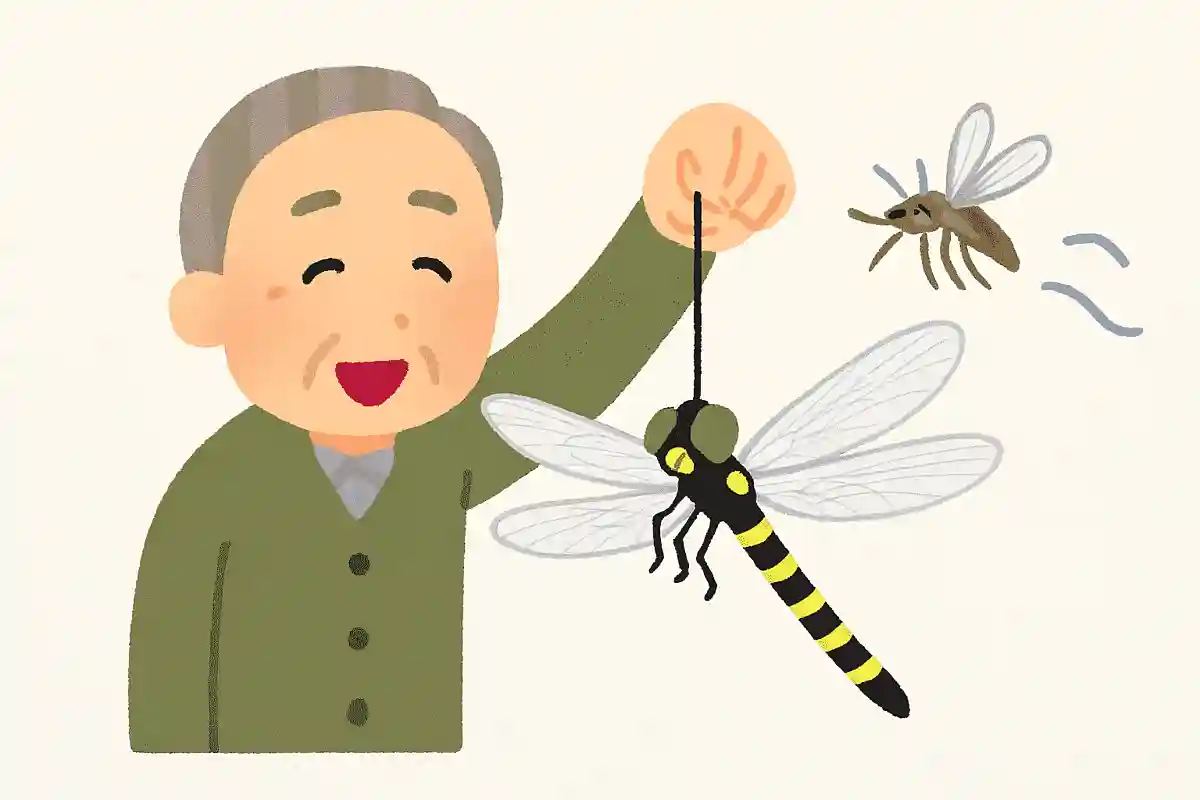
The Oniyanma (Golden-ringed dragonfly) is known as the largest dragonfly in Japan, characterized by its black body with distinctive yellow stripes.
Preying on moths, flies, horseflies, and wasps, the Oniyanma is considered a king of the insect world, and its prey are said to instinctively fear it and flee at the sight of it.
In fact, repellent decoys that leverage the Oniyanma’s deterrent effect are already on the market and are reportedly so popular that they frequently sell out.
Wearing one during outdoor activities or leisure outings may help you avoid insect troubles.

When eating an Ehomaki on Setsubun, what you must not do is talk.
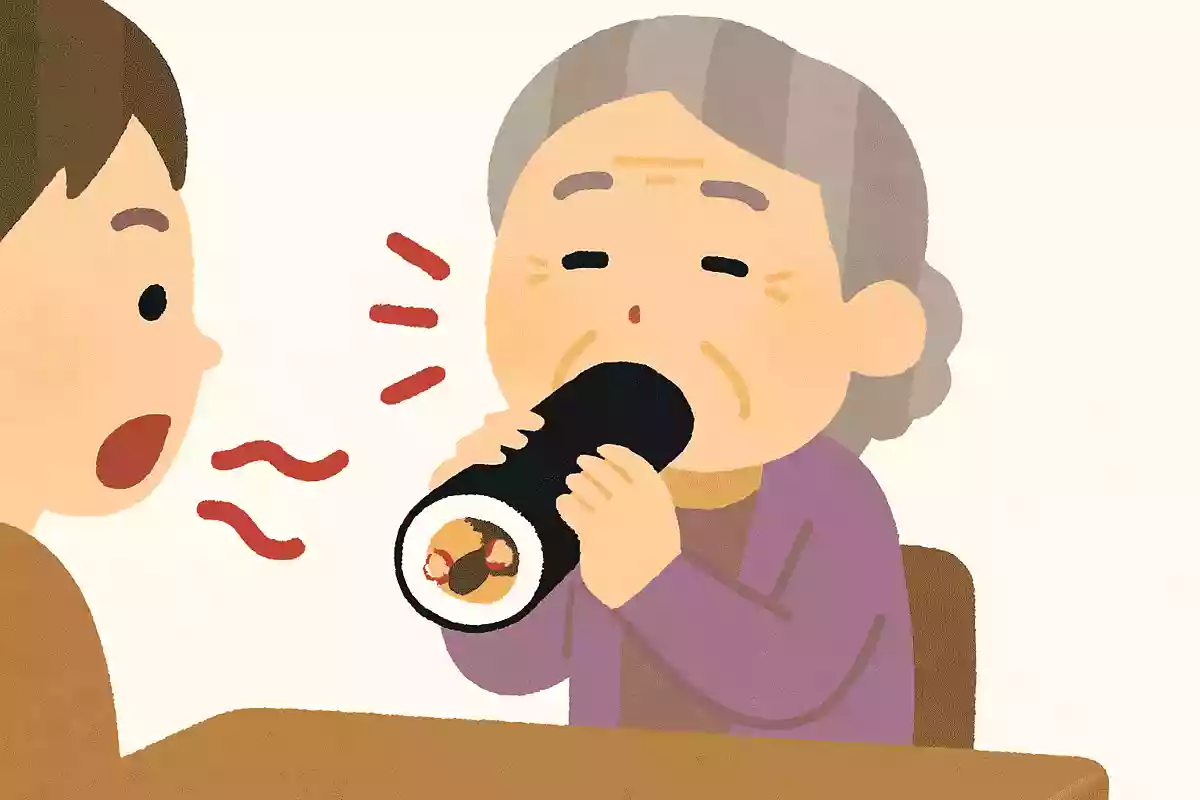
When it comes to must-eat foods for Setsubun, ehomaki definitely tops the list.
It originally started as a culinary custom in the Kansai region, but is said to have spread nationwide after convenience store chains and supermarkets began selling it.
In fact, there’s something you shouldn’t do when eating ehomaki: talk.
Proper etiquette is to eat it silently while facing the year’s lucky direction for Setsubun.
On Setsubun, keep this custom in mind as you eat to invite good fortune.
The number of ridges on a bottle beer crown cap is 21.

Beer—often called the water of life for adults—is beloved by many.
While everyone has their favorite brewery, label, and style, we can all agree on that irresistible refreshing sensation.
Here’s a bit of trivia about beer: the crimped edge on a bottle cap.
Do you know how many ridges it has? The answer is 21.
The reason is that when the cap is crimped onto the bottle, securing it at three points provides the most stable support, and using 21 points—a multiple of three—proved to be the most effective.
Next time, before you have a drink, why not take a moment to check the ridges on the cap?
About 20% of elementary school students wear uniforms.
It’s said that about 20% of elementary school students wear uniforms.
The wearing rate varies by region, with higher rates in western Japan, Shikoku, and the Chugoku region.
Some parents point out benefits of having uniforms, such as not having to worry about what to wear and avoiding differences caused by casual clothes.
However, since elementary school children are in a period of rapid growth, uniforms can quickly become too small.
Replacing them can also be costly.
Incidentally, uniforms were introduced in elementary schools during the Meiji era.
The topic of uniforms also seems likely to lead into discussions with older adults about what they wore in their own elementary school days.

Caterpillars eat cabbage, but they don’t eat lettuce.
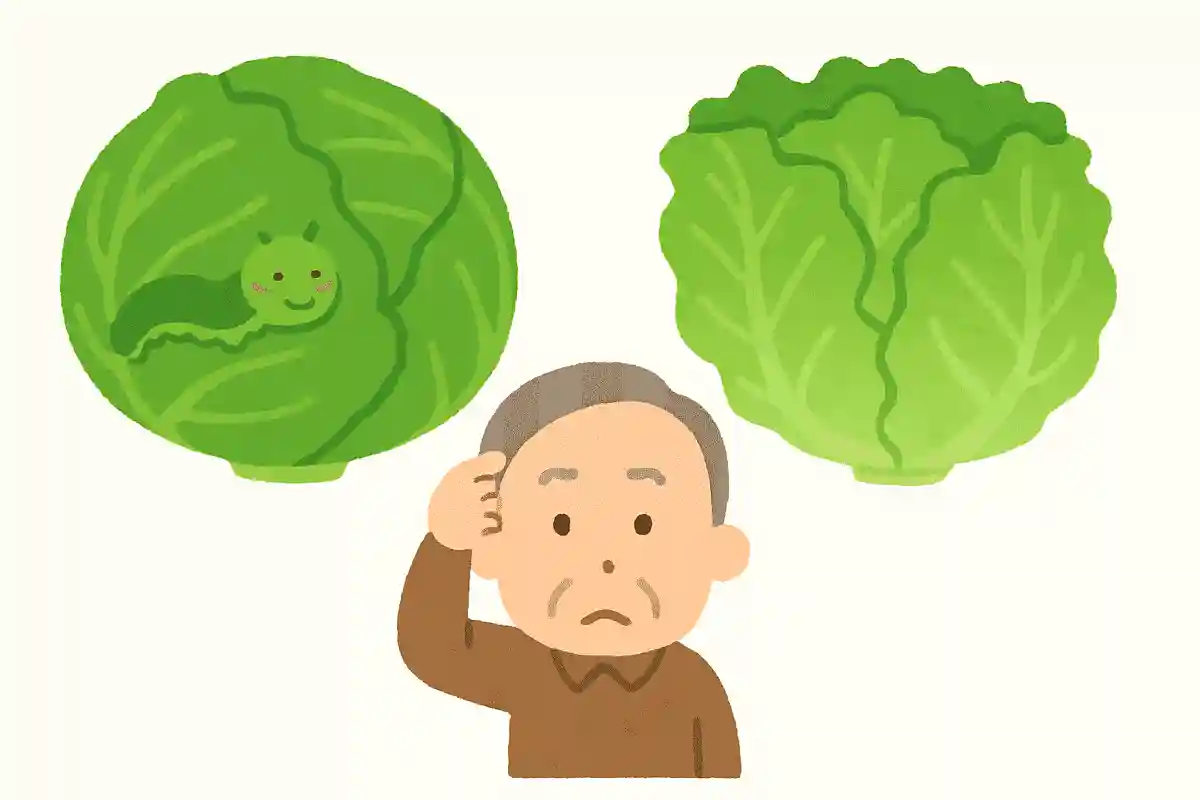
When the topic turns to vegetables, the age-old question pops up: “Team cabbage or team lettuce?” Which do you prefer? People who cook often tend to favor cabbage, since it’s handy whether you stir-fry it or simmer it.
Still, that fresh, crisp crunch of lettuce is hard to resist.
By the way, did you know that green caterpillars eat cabbage but not lettuce? That’s because cabbage contains lots of sinigrin, one of their favorite compounds.
Sinigrin is very bitter… There really are some peculiar bugs out there, aren’t there?
Why it’s written as “tofu” even though it doesn’t mean “rotten”
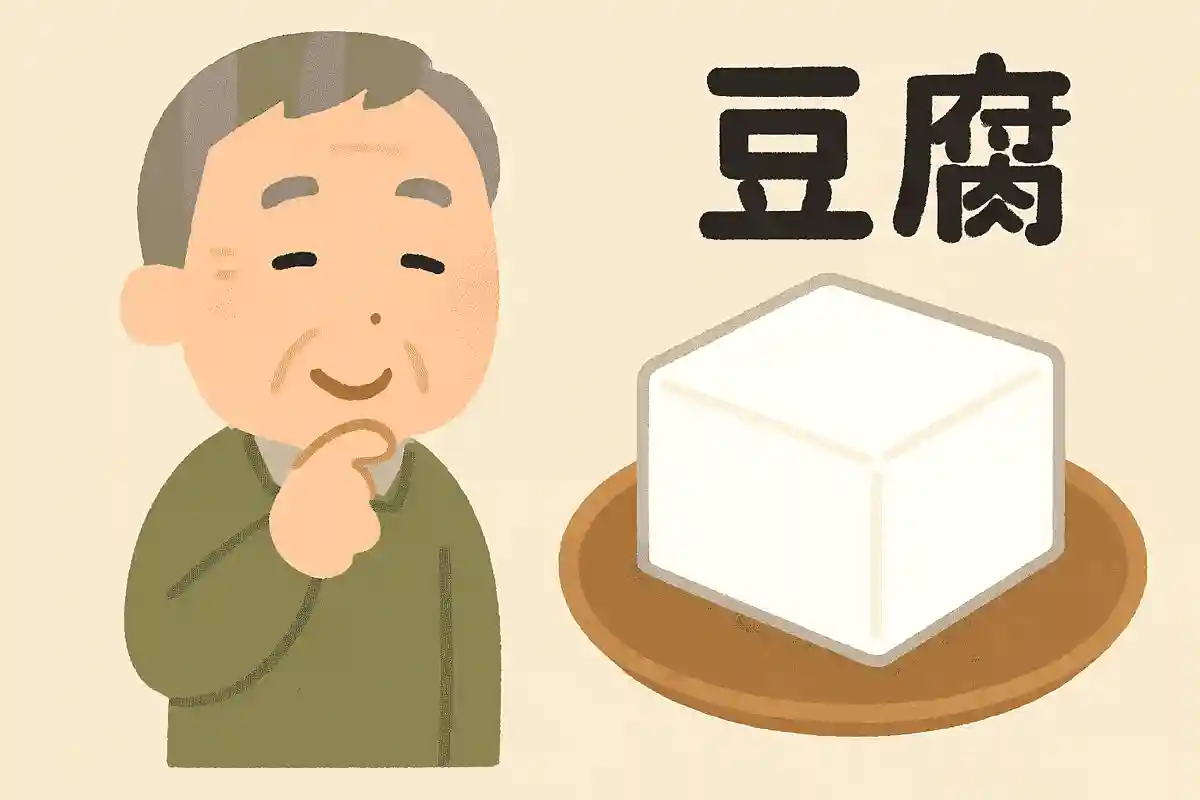
Tofu is an indispensable ingredient for Japanese people, and its smooth, white, beautiful appearance is important too.
その上品な見た目から、漢字で書くと文字通り「腐った豆」を意味する字が使われるのはなぜだろうと、多くの人が不思議に思ったことがあるでしょう。その謎を解く鍵は、漢字の「腐」が本来持つ意味にあります。
The character 府 carries the sense of a storehouse, and when the “meat” radical is added, it evokes the state of meat that has softened over time; from this, 腐 came to include the meaning “soft.” In other words, the kanji 豆腐 came to be used to express “soft beans.”

[For Seniors] Perfect for Brain Training! Fun Trivia (21–30)
What became widespread in Japan as a result of the 1964 Tokyo Olympics?
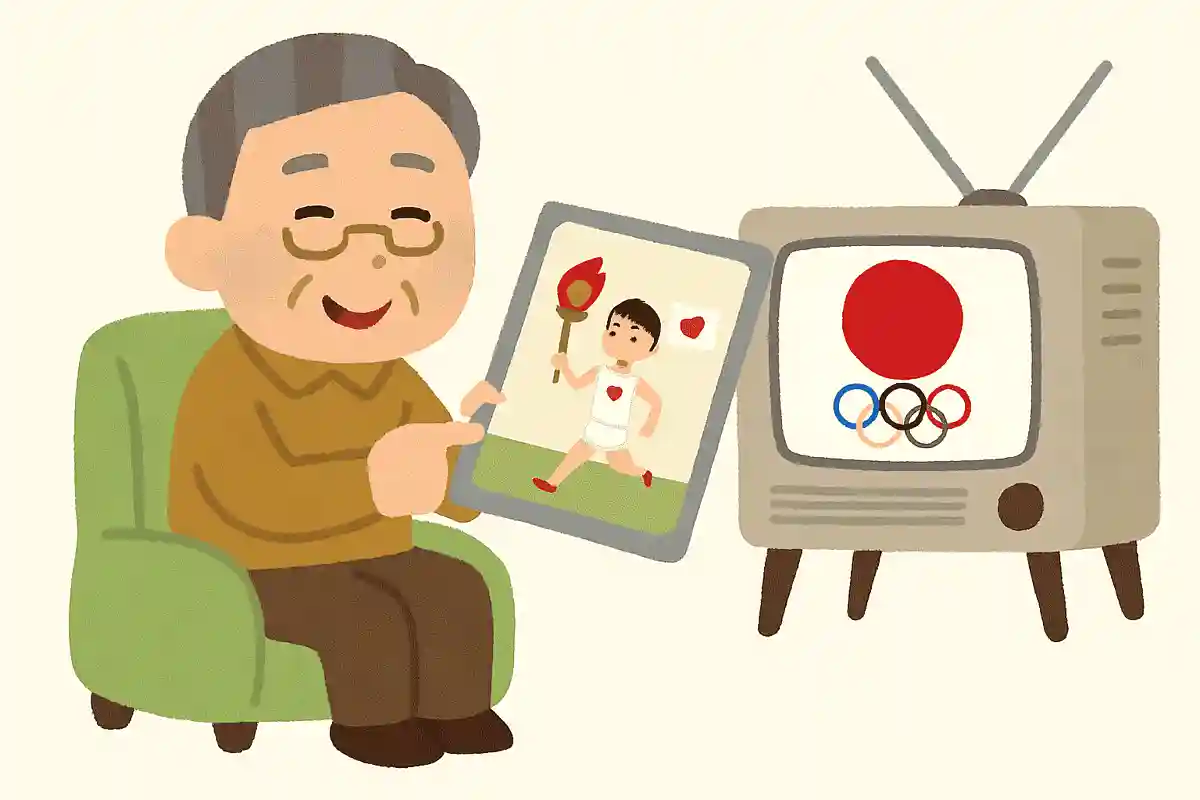
In 1964, the 18th Summer Olympics were held in Tokyo.
Along with that, something became widespread in Japan.
What was it? The answer is pictograms.
Simply put, pictograms are symbols that convey meanings or concepts.
They are also called picture words.
Examples include the figures indicating men’s and women’s restrooms, and the emergency exit sign.
For the Tokyo Olympics, pictograms for sports events and facilities were created as part of the hospitality effort.
