RAG Mus...reation Recreation game [For Seniors] ...Fun Trivia [For Seniors] Perfect Brain Training! Fun Trivia When working at a senior care facility, you may sometimes need to come up with recreation activities or topics for conversations with older adults.

Do you ever struggle with ending up with similar recreation activities all the time or having the same conversations over and over?
So this time, we’ll introduce some fun trivia for older adults that can liven things up.
As people age and accumulate abundant knowledge and experience, they tend to have fewer opportunities to encounter new things and information.
However, incorporating new information such as trivia can evoke surprise and enjoyment, which is said to stimulate the brain.
After a long time, discovering something new and fun can make them want to share it with other seniors or their family members.
Trivia also helps promote communication by encouraging conversations with others.
Table of Contents [For Seniors] Perfect Brain Training! Fun Trivia The model for the children’s song “Spring Brook” was Tokyo’s Kōbotsu River. The “Sahara” in the Sahara Desert means “desert” in Arabic. Carbonara in Italian means “charcoal burner style.” In Germany, you need a national license to go fishing. What became widespread in Japan as a result of the 1964 Tokyo Olympics? During the 2021 Tokyo Olympics, unused household appliances and mobile phones were collected to make something. What was it? What new sports were added to the 2024 Paris Olympics? What was the event called in which artworks on sports themes competed for rankings, which once used to be an Olympic discipline? What do you call an athlete who has competed in the Olympics? What do the Olympic rings represent? Why not paint a sunset, monkeys, and autumn leaves in a public bathhouse mural? Asparagus was originally used for ornamental purposes. Origin of the name ‘daigaku-imo’ (candied sweet potatoes) The height of the Pyramid of Khufu is approximately 140 meters. It is considered best to perform Setsubun bean throwing at night. What happens if you heat ice in a microwave? A model of an Asian giant dragonfly (oni-yanma) has an insect-repellent effect. When eating an Ehomaki on Setsubun, what you must not do is talk. The number of ridges on a bottle beer crown cap is 21. Not only the first spring storm exists, but there are also the second and third. The story of how butter long ago wasn’t used as food The reason Momotaro’s companions are a dog, a monkey, and a pheasant About 20% of elementary school students wear uniforms. Caterpillars eat cabbage, but they don’t eat lettuce. Why it’s written as “tofu” even though it doesn’t mean “rotten” Green tea, black tea, and oolong tea made from the same tea leaves Trivia quiz about hatsumode (the first shrine visit of the New Year) Who is the only Japanese deity among the Seven Lucky Gods? Why the sweet bean paste in wagashi is sweet What is the reason monks strike a wooden fish (mokugyo) when chanting sutras and the like? What should you do with one hand to sing in a high voice at karaoke? In Japan, which of the following has the greatest number of stores? These days, “ganmodoki” is made with tofu, but in the past a different ingredient was used. What ingredient was it? Hypertension, which can easily lead to serious illnesses. Which of the following are symptoms of high blood pressure? Why home plate changed from a square to a pentagon Quiz about cherry blossoms Sports Quiz What foods are expected to be effective for cancerous eye strain? What are the two nutrients needed for strong bones? What is the tallest animal in the world? What symptoms are likely to appear simultaneously when one becomes malnourished? For maintaining good health, how many grams or more of vegetables is it desirable to consume per day? Where do cats sense temperature? What is the approximate temperature at which the autumn leaves start to change color? Natto is said to have a blood-thinning effect. What time of day is best to eat it to achieve a greater effect? The meaning of rose flowers changes depending on their color and the number you give. Famous cherry blossom spot Is there a difference? Ramen and Chinese soba Differences between udon, hiyamugi, and sōmen In sukiyaki, which ingredient is considered better not to place next to the meat? Nara Park is famous for its deer. How do you think they count the number of deer? Japan’s first moving walkway debuted in 1967 (Showa 42). Do you know where it made its first appearance? What is the fire called that is burned when sending ancestors back on August 16? How many days are there in a leap year? “Bow-wow” represents the sound made by a dog in English. What animal is it? “Nimaime” is a term originating from Kabuki that refers to a gentle, handsome man. What kind of role does “Gomaime” refer to? What vegetable was once grown for ornamental purposes because it was considered ‘poisonous’? If you heat a certain item in the microwave, it will remove unpleasant odors inside. What is that item? One high-end ingredient that represents autumn in Japan is described as having a “smell trapped in leather shoes,” and it isn’t commonly eaten in the West. What is this luxury ingredient? It’s said that when a certain bird flies low, it will rain. Which bird is it? Why is it that we don’t eat eel raw? What unit is used when counting omamori (Japanese protective charms)? What is the plant that is said to be essential for Obon and whose shape resembles a Bon lantern? The shelf used to display ancestral tablets and offerings during Obon is called a “bon-dana.” What is its other name? When did the Obon holiday become established? When you feel a sneeze coming on, you can stop it by using a certain part of your body. How do you use that body part? When you can’t stop coughing, drinking a syrup made by soaking a certain vegetable in honey can calm it. What is that vegetable? Osechi dishes, each ingredient and material carrying auspicious meanings—Which foods are eaten to pray for good financial fortune? Among the many foods, there is only one that does not spoil. What is it? What is the purpose of the groove on the end of a toothpick where you hold it? The calves are also called the “second heart.” Using a part of the body, what is it called as the “second” what? When is the expiration date for the ice cream? What kind of hospitals are there more of than convenience stores? In “cream puff,” the word choux comes from French and means a vegetable. Which vegetable is it? What does the “punch” in a punch perm refer to? What is the name of the event, mainly held in Nagasaki and Saga prefectures, in which the spirits of ancestors and Obon offerings are placed on a boat and floated down a river? Like humans, do dogs also lose their baby teeth and grow permanent teeth? Scissors that have become dull can be revived by cutting something found in a household kitchen. What is that “something?” In which prefecture is the Gujo Odori, a Bon dance also known as the “All-Night Dance,” held? The Arctic is part of the territories of eight countries, but which country does Antarctica belong to? In prehistoric times, very few people got cavities. Why was that? If Obon arrives before the 49th day (after the passing), when will the first Obon (shinbon) be? Besides salt, what seasoning, when sprinkled on a slug, would make it shrink? How many hours before going to bed should you eat dinner? Which vegetable is not commonly eaten abroad because it is associated with the image of a tree root? When do we see dreams while sleeping, and in what state is the body at that time? What are the buttons on the sleeves of school uniforms and suits for? If you adjust the way you sleep, it becomes harder for blood clots to form. What position should you sleep in? Yamagata Prefecture is famous for its high production of cherries. There is also a cherry-themed competition in Yamagata Prefecture—what kind of competition is it? What is the food offering that symbolizes a rope for tying up the belongings that the returned ancestors will take back with them? In what language is the word “pom-pom,” which is used for cheering? What color are the lanterns used during the first Obon (shinbon)? What is the most harvested fruit in Japan? A certain Japanese custom began because it originates from Obon. What is the custom? Where are Japanese coins made? Kendama is often associated with Japan, but where did it originally come from? In Japan’s first curry, meat from a certain animal was used. What kind of meat was it? Spring cabbage refers to cabbage that was sown in autumn. This event, held in Kyoto every year on August 16th, involves lighting fires on the mountains in the sequence of “Daimonji,” “Myoho,” “Funagata,” “Hidari Daimonji,” and “Toriigata.” What is this event called? On one specific day each week, the Japan Maritime Self-Defense Force always eats curry. Which day is it? ...to be continued [For Seniors] Perfect for Brain Training! Fun Trivia (21–30) The reason Momotaro’s companions are a dog, a monkey, and a pheasant Momotaro, a staple of classic folktales that everyone knows, may strike some as a children’s story, but it’s actually a profound tale that also contains elements of Japanese mythology.

One common question about Momotaro is why his companions are a dog, a monkey, and a pheasant.
The reason has to do with the fact that his enemies are oni (demons) and with the symbolism of those who oppose them.
In relation to the direction known as the kimon—the “demon gate,” from which oni and malevolent energies are said to enter—the zodiac signs positioned in the opposite direction, the ura-kimon, are the Dog (Inu), Monkey (Saru), and Rooster (Tori).
Because of this, they are used as symbols of forces that stand against the oni.
It’s a bit of trivia that shows how knowing myths and legends can make folktales even more interesting.
expand_less Raise the rankingexpand_more lower
About 20% of elementary school students wear uniforms. It’s said that about 20% of elementary school students wear uniforms.
The wearing rate varies by region, with higher rates in western Japan, Shikoku, and the Chugoku region.
Some parents point out benefits of having uniforms, such as not having to worry about what to wear and avoiding differences caused by casual clothes.
However, since elementary school children are in a period of rapid growth, uniforms can quickly become too small.
Replacing them can also be costly.
Incidentally, uniforms were introduced in elementary schools during the Meiji era.
The topic of uniforms also seems likely to lead into discussions with older adults about what they wore in their own elementary school days.
expand_less Raise the rankingexpand_more lower
Caterpillars eat cabbage, but they don’t eat lettuce. When the topic turns to vegetables, the age-old question pops up: “Team cabbage or team lettuce?” Which do you prefer? People who cook often tend to favor cabbage, since it’s handy whether you stir-fry it or simmer it.
Still, that fresh, crisp crunch of lettuce is hard to resist.
By the way, did you know that green caterpillars eat cabbage but not lettuce? That’s because cabbage contains lots of sinigrin, one of their favorite compounds.
Sinigrin is very bitter… There really are some peculiar bugs out there, aren’t there?
expand_less Raise the rankingexpand_more lower
Why it’s written as “tofu” even though it doesn’t mean “rotten” Tofu is an indispensable ingredient for Japanese people, and its smooth, white, beautiful appearance is important too.
その上品な見た目から、漢字で書くと文字通り「腐った豆」を意味する字が使われるのはなぜだろうと、多くの人が不思議に思ったことがあるでしょう。その謎を解く鍵は、漢字の「腐」が本来持つ意味にあります。
The character 府 carries the sense of a storehouse, and when the “meat” radical is added, it evokes the state of meat that has softened over time; from this, 腐 came to include the meaning “soft.” In other words, the kanji 豆腐 came to be used to express “soft beans.”
expand_less Raise the rankingexpand_more lower
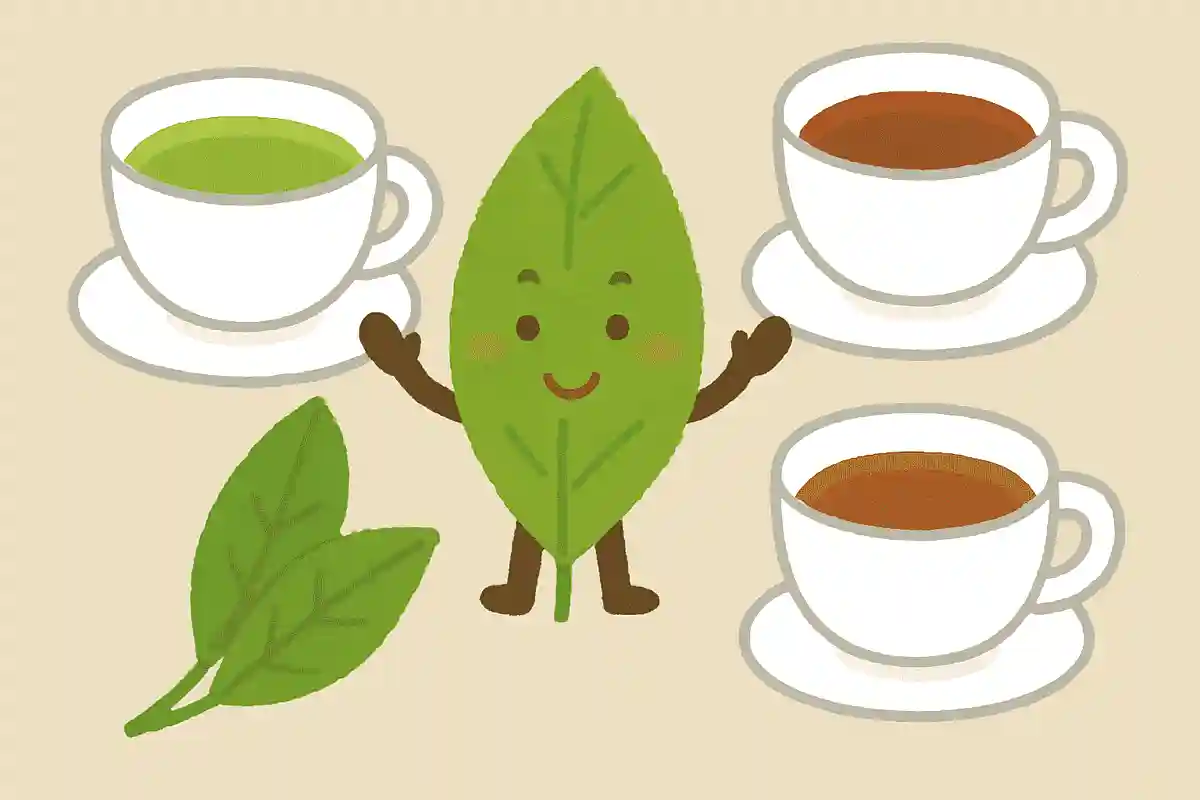
Green tea, black tea, and oolong tea made from the same tea leaves Just as their names differ—green tea, black tea, and oolong tea—each has a distinct flavor, and that variety is part of the joy of drinking tea.
Despite their completely different tastes, these teas are actually made from the same tea leaves.
The degree of fermentation determines how the same leaves produce different flavors.
As fermentation progresses, catechins in the leaves oxidize and turn reddish, which also makes the visual differences interesting.
There are also teas like yellow tea and white tea, and variations in how fermentation is carried out, so it’s worth exploring the many types as well.
expand_less Raise the rankingexpand_more lower
Trivia quiz about hatsumode (the first shrine visit of the New Year) This quiz lets you enjoy learning various facts about hatsumode, the traditional New Year’s shrine visit.
It highlights that customs we often follow without much thought—such as etiquette at a shrine or the meanings of protective amulets—actually carry deep history and heartfelt wishes.
Presented in a quiz format, it’s not too difficult, and your understanding naturally deepens as you answer.
Getting answers right is satisfying, and even when you’re wrong, you’ll enjoy the “I see!” moments as your knowledge grows.
It’s suitable for all ages, and taking on the challenge with family or friends is sure to spark lively conversation.
expand_less Raise the rankingexpand_more lower
Who is the only Japanese deity among the Seven Lucky Gods? The Seven Lucky Gods are revered as deities of fortune.
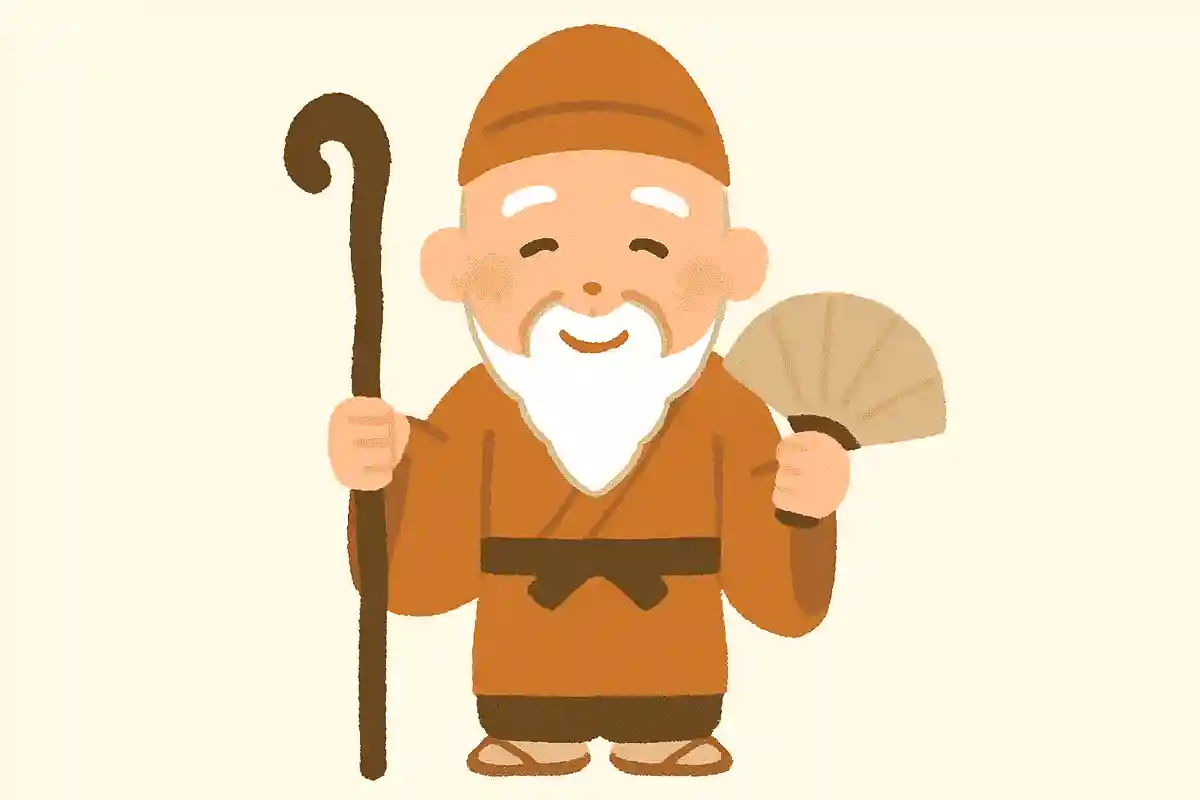
They are a collective term for seven gods: Ebisu, Daikokuten, Fukurokuju, Bishamonten, Hotei, Jurōjin, and Benzaiten.
But which one is the only Japanese god among them? The answer is Ebisu.
Worshiped as the god of fishing, prosperous business, and bountiful harvests, Ebisu is said to be the third child of the deities Izanami and Izanagi.
Incidentally, Daikokuten and Benzaiten have roots in Hinduism; Bishamonten comes from ancient India; and Fukurokuju, Jurōjin, and Hotei are of Chinese origin—surprisingly global, isn’t it?
expand_less Raise the rankingexpand_more lower