

[For Seniors] Perfect Brain Training! Fun Trivia


When working at a senior care facility, you may sometimes need to come up with recreation activities or topics for conversations with older adults.
Do you ever struggle with ending up with similar recreation activities all the time or having the same conversations over and over?
So this time, we’ll introduce some fun trivia for older adults that can liven things up.
As people age and accumulate abundant knowledge and experience, they tend to have fewer opportunities to encounter new things and information.
However, incorporating new information such as trivia can evoke surprise and enjoyment, which is said to stimulate the brain.
After a long time, discovering something new and fun can make them want to share it with other seniors or their family members.
Trivia also helps promote communication by encouraging conversations with others.
- Conversations Made Easy! A Collection of Topics That Elderly People Enjoy
- [For Seniors] Fun and Informative! Trivia and Quizzes Introduced
- [Brain Training] Lively Word Quiz for Seniors
- [For Seniors] Lively two-choice trivia quiz. Handy to know and tidbits you'll want to share with others
- [For Seniors] Guaranteed to Liven Things Up! A Collection of Brain Training Activities That Will Spark Laughter
- [For Seniors] Fun and Informative! Health Trivia Quiz
- [For Seniors] Fun and Informative Trivia Quiz Collection
- Fun, engaging topics for conversations with older adults!
- Hand games that liven things up for seniors—also great brain training
- [For Seniors] Sports Trivia Quiz & Fun Facts. Easy and Entertaining
- [For Seniors] Recommended for Brain Training! Nostalgic Showa-Era Quiz
- [For Seniors] Great for killing time! A fun three-choice trivia quiz
- [For Seniors] Challenging but Exciting! Kanji Quiz
[For Seniors] Perfect for Brain Training! Lively Trivia (91–100)
What is the most harvested fruit in Japan?
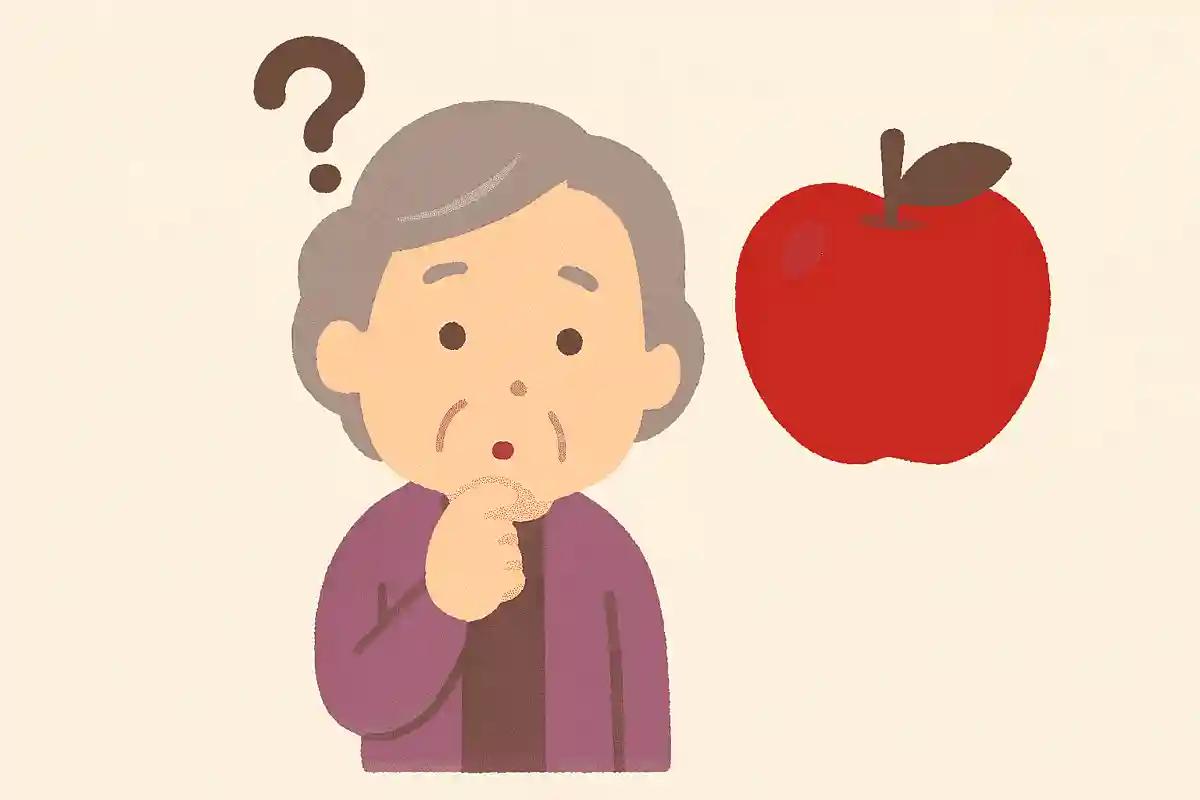
In Japan, you can enjoy a variety of fruits depending on the season.
So here’s a question: What fruit is harvested the most in Japan? Try considering factors like the season and region.
The correct answer is mikan.
More precisely, it’s the satsuma mandarin, with a total weight exceeding 740,000 tons.
By the way, the second most harvested is apples at over 660,000 tons, and third is watermelon at over 330,000 tons.
Comparing them like this really shows just how many mikans are harvested.

A certain Japanese custom began because it originates from Obon. What is the custom?
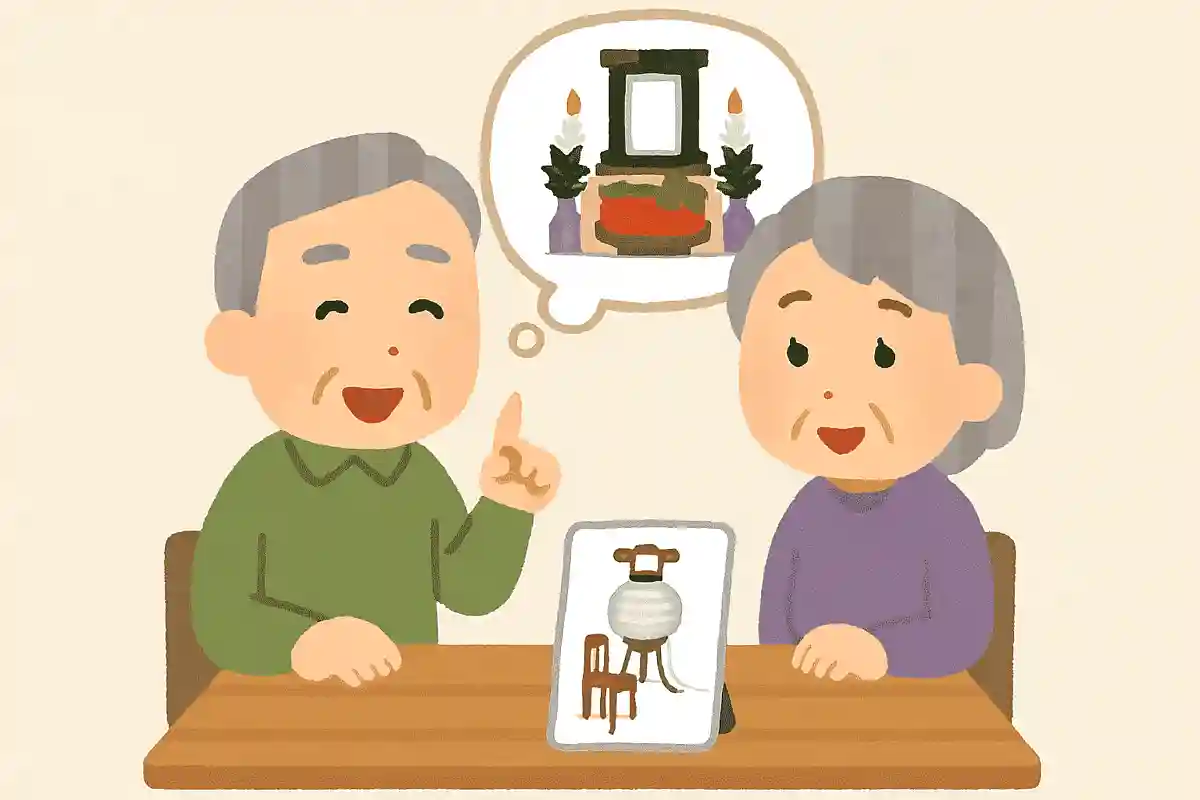
There is a Japanese custom that originates from Obon.
What is this event? The answer is “Ochūgen,” a summer tradition alongside the winter “Oseibo,” in which people send gifts to those who have helped them.
Because Obon carries the meaning of honoring and giving thanks to one’s ancestors, the practice of expressing gratitude to those who have supported you during this season spread as Ochūgen.
It’s a custom that heightens a sense of joy, including the fun of thinking about what kind of gift will best convey your appreciation.

Where are Japanese coins made?

- Bank of Japan
- Mint (Japanese Mint / Mint Bureau)
See the answer
Mint (Japanese Mint / Mint Bureau)
Isn't this also a question that's a bit easy to get wrong? When it comes to money, people tend to think of the Bank of Japan, right? Banknotes are issued by the Bank of Japan, but the “coins” in question are made by the Japan Mint. Was that a bit of a trick question?

Kendama is often associated with Japan, but where did it originally come from?

Many of you probably played with a kendama when you were children.
When you think of kendama, you might picture it as a traditional Japanese pastime.
However, it actually originated in another country.
Which country is that? The answer is France.
It was born in the 16th century, and over there it’s called “bilboquet.” Unlike the Japanese kendama, it doesn’t have the two side cups—a large cup and a small cup.
Its other structural features also differ slightly, so if you’re curious, try looking it up and comparing them.
In Japan’s first curry, meat from a certain animal was used. What kind of meat was it?
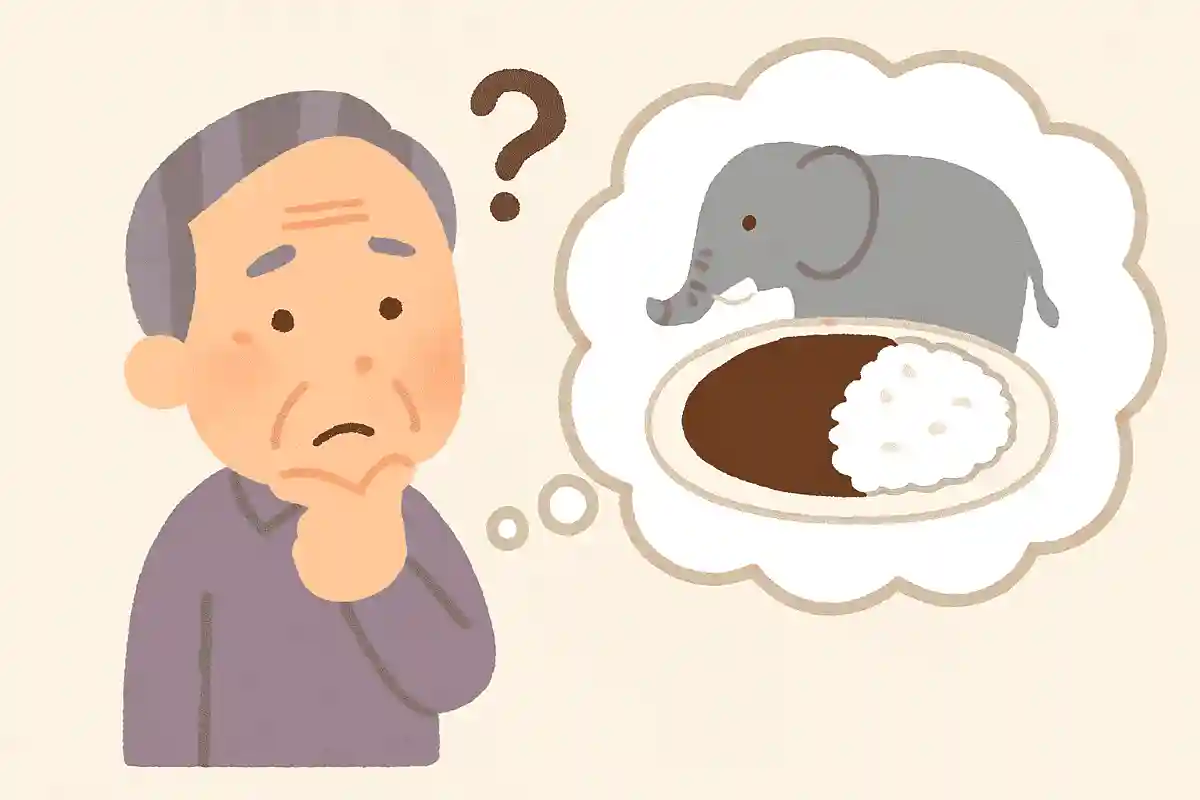
Speaking of curry, beef, chicken, and pork are the major choices, but what exactly are the other kinds of meat? Here are some hints: it’s something that would be unthinkable nowadays—some people might feel disgusted when they hear the answer; it’s a creature whose calls you often hear during the rainy season; and it looks completely different as a child than it does as an adult.
The answer is: frog! In fact, from a global perspective, frogs are eaten in many regions as food, and their taste is said to be similar to chicken.

Spring cabbage refers to cabbage that was sown in autumn.
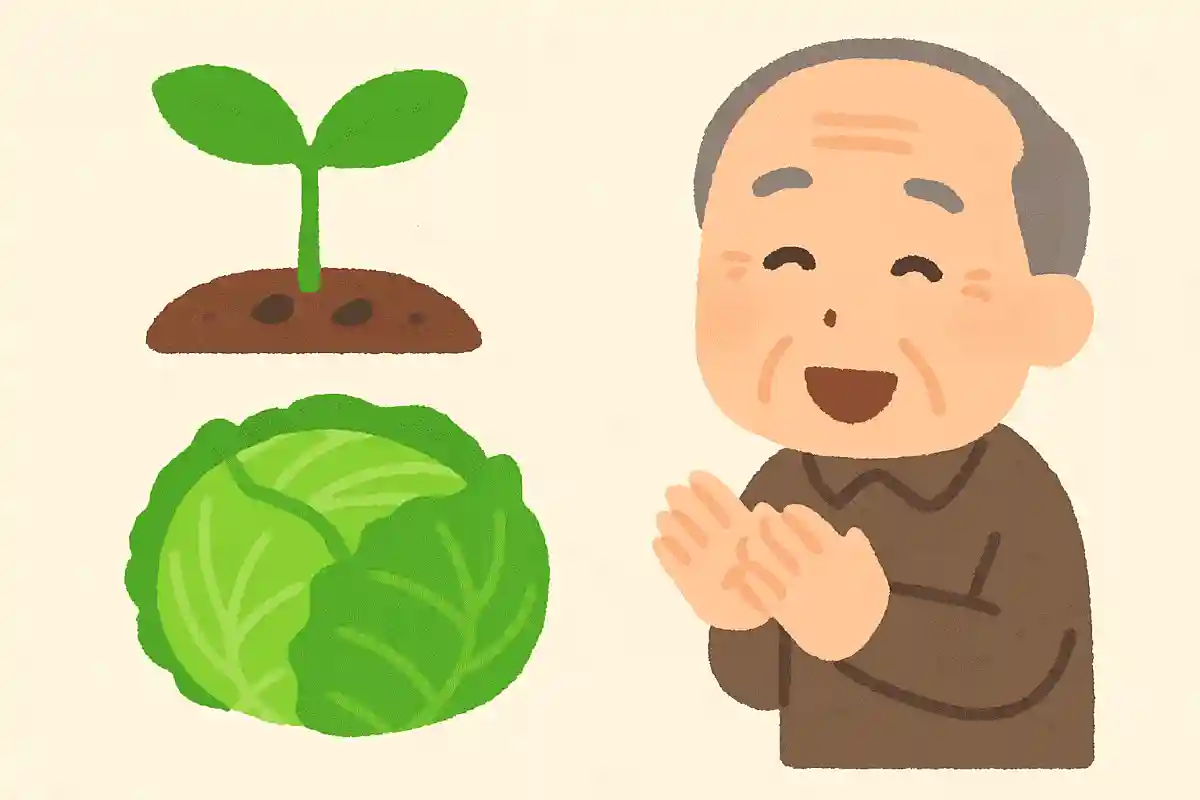
Neoruby SP, Suzusora, Ayari, Okina SP—do you know what they refer to? The answer is cabbage.
If you’ve always thought “Aren’t all cabbages the same?”, try looking them up and check out their colors and shapes.
What we commonly call “spring cabbage” actually refers to cabbage sown in autumn and grown over the winter.
Instead of a vivid green, it tends to be more yellowish-green, and its leaves are tender.
Stir-fry it with ham and cheese and it becomes a main-worthy side dish.
It’s also delicious raw with dressing!
This event, held in Kyoto every year on August 16th, involves lighting fires on the mountains in the sequence of “Daimonji,” “Myoho,” “Funagata,” “Hidari Daimonji,” and “Toriigata.” What is this event called?
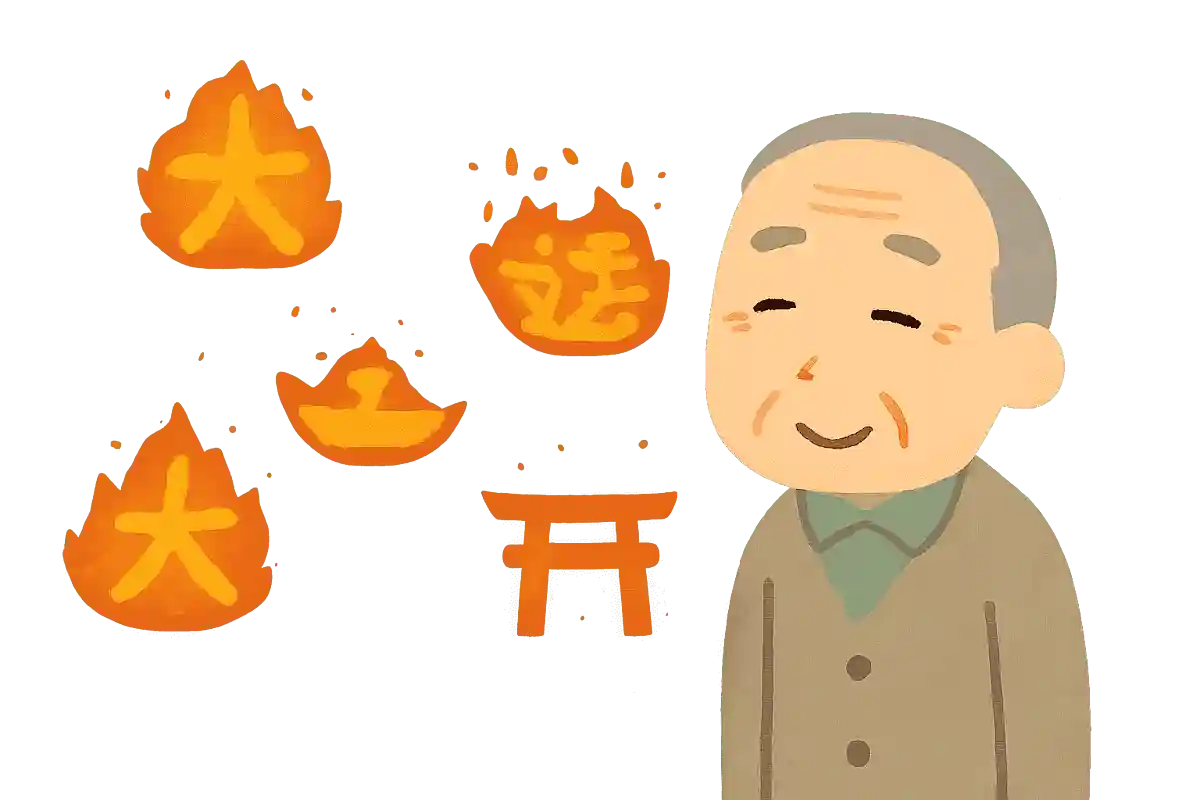
What is the name of the event in which fires are lit on the mountains in Kyoto every year on August 16, in the order of “Daimonji,” “Myōhō,” “Funagata,” “Hidari Daimonji,” and “Toriigata”? The answer is “Gozan no Okuribi.” It is a famous traditional summer event in Kyoto, held to send off the spirits of Obon.
Every year, many people visit Kyoto as tourists to see this event.
It is often broadcast on television, and the characters of fire flickering in the darkness are beautiful and feel very powerful.
It’s an Obon event that many would want to see at least once.
