

[For Seniors] Perfect Brain Training! Fun Trivia


When working at a senior care facility, you may sometimes need to come up with recreation activities or topics for conversations with older adults.
Do you ever struggle with ending up with similar recreation activities all the time or having the same conversations over and over?
So this time, we’ll introduce some fun trivia for older adults that can liven things up.
As people age and accumulate abundant knowledge and experience, they tend to have fewer opportunities to encounter new things and information.
However, incorporating new information such as trivia can evoke surprise and enjoyment, which is said to stimulate the brain.
After a long time, discovering something new and fun can make them want to share it with other seniors or their family members.
Trivia also helps promote communication by encouraging conversations with others.
- Conversations Made Easy! A Collection of Topics That Elderly People Enjoy
- [For Seniors] Fun and Informative! Trivia and Quizzes Introduced
- [Brain Training] Lively Word Quiz for Seniors
- [For Seniors] Lively two-choice trivia quiz. Handy to know and tidbits you'll want to share with others
- [For Seniors] Guaranteed to Liven Things Up! A Collection of Brain Training Activities That Will Spark Laughter
- [For Seniors] Fun and Informative! Health Trivia Quiz
- [For Seniors] Fun and Informative Trivia Quiz Collection
- Fun, engaging topics for conversations with older adults!
- Hand games that liven things up for seniors—also great brain training
- [For Seniors] Sports Trivia Quiz & Fun Facts. Easy and Entertaining
- [For Seniors] Recommended for Brain Training! Nostalgic Showa-Era Quiz
- [For Seniors] Great for killing time! A fun three-choice trivia quiz
- [For Seniors] Challenging but Exciting! Kanji Quiz
[For Seniors] Perfect for Brain Training! Exciting Trivia (41–50)
What foods are expected to be effective for cancerous eye strain?
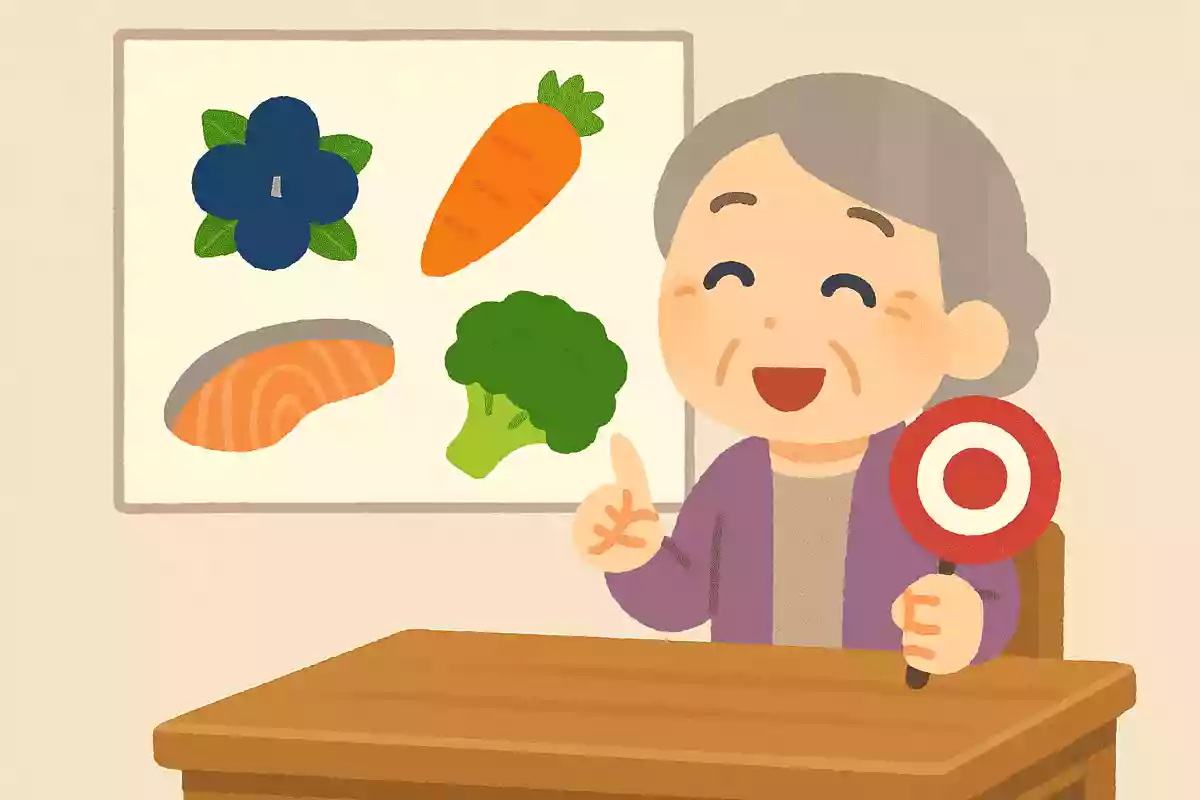
Blueberries are a food that may help relieve eye strain.
Eye strain occurs when the muscles around the eyes become tense.
Blueberries are rich in a pigment called anthocyanin, which supports eye movement.
The eyes contain a pigment called rhodopsin that is necessary for capturing light; when the eyes are overused, the resynthesis of rhodopsin can’t keep up, leading to eye fatigue.
The anthocyanins in blueberries help promote the resynthesis of rhodopsin and can alleviate eye fatigue.

What are the two nutrients needed for strong bones?

As we get older, we tend to become more concerned about bone strength, and many people want to keep their bones as strong as possible.
So, what are the two nutrients needed to strengthen bones? One of them is obvious because it always comes up in discussions about bones, but the other might be less straightforward.
It’s easier to think of it not so much as a component of bones, but as something essential for overall health.
The answer is calcium and vitamin D—vitamin D helps the body absorb calcium into the bones.

What is the tallest animal in the world?
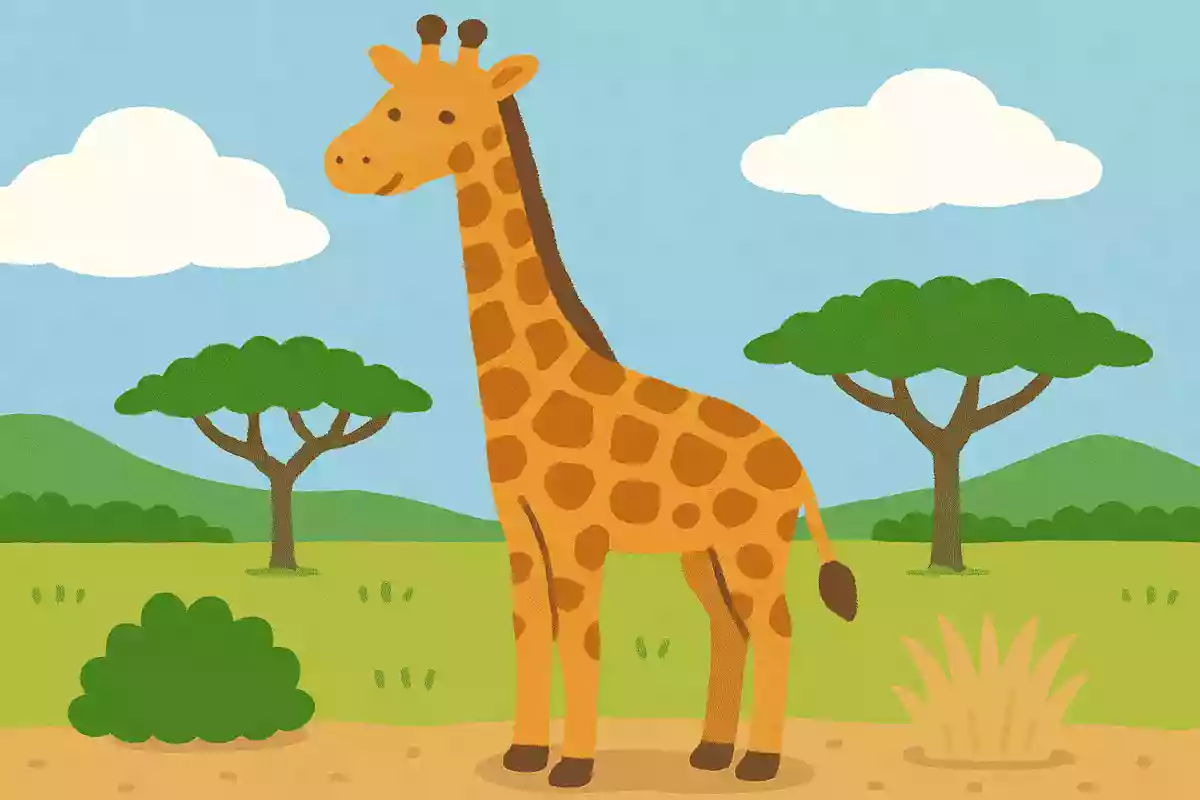
There are many different animals living in the world, and their appearances and forms often have characteristics different from humans.
Focusing on such animal forms, what would you say is the tallest animal in the world? How many animals you know is also an important clue; just picturing the natural landscapes where animals live might lead you to the answer.
The answer is the giraffe, with its long neck and legs.
Males can reach up to 5 meters, making it a towering animal that’s also popular in zoos.
What symptoms are likely to appear simultaneously when one becomes malnourished?

Eating is essential for living, and being mindful of nutrition leads to health and happiness.
When you fall into a state where this vital nutrition is lacking—so-called undernutrition—what symptom is said to commonly appear at the same time? Ideally, it’s best to have knowledge rather than experience, but some people may recall it from personal experience, such as having an unbalanced diet.
The answer is dehydration.
Knowing that a lack of nutrition can cause various adverse effects can help you pay closer attention to your nutrition.
For maintaining good health, how many grams or more of vegetables is it desirable to consume per day?

Although vegetables are strongly associated with being healthy, it can be hard to know how much you should actually eat if you’re just going about your day.
Let’s find out how much vegetable intake is recommended per day and use that to plan healthier daily meals.
First, think about how many vegetables you’re eating in your regular meals, then check the required amount.
By comparing whether you’re eating too much or too little, you’ll get a concrete picture of what you need—highly recommended.
The answer is “350 grams per day,” but that doesn’t mean anything goes as long as you hit that number.
In addition to how you reach that amount, be mindful of nutritional balance as well.
Where do cats sense temperature?
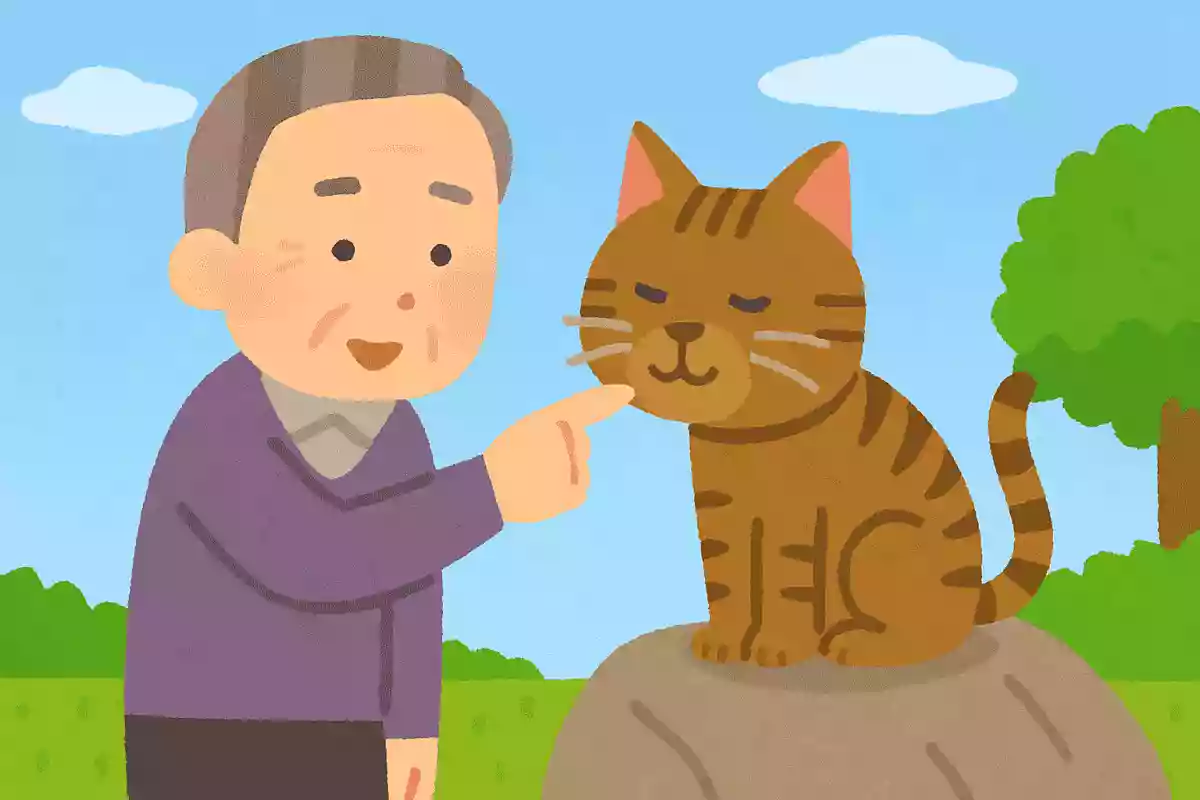
Cats, beloved by many as classic pets, are known for being sensitive to temperature changes and for roaming around in search of a comfortable spot.
Given how important comfort seems to be for them, which part of their bodies senses these temperature changes? It helps to clearly picture their faces—you might find a hint in something humans don’t have.
The answer is their whiskers: the long, sturdy hairs not only on the sides of their faces but also above their eyes, which are said to detect changes in air temperature and airflow.
What is the approximate temperature at which the autumn leaves start to change color?
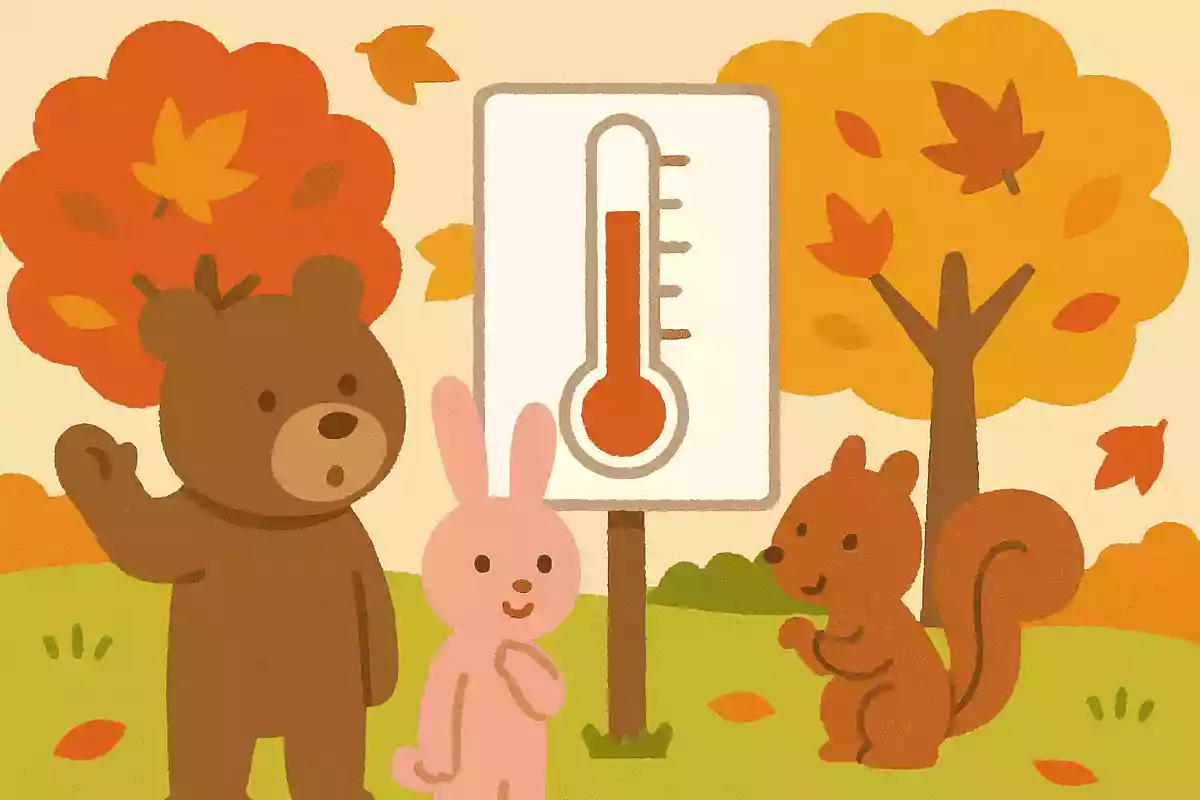
When it comes to autumn, viewing the changing leaves is an essential event, and seeing the mountains turn vivid colors really makes you feel the change of seasons.
So, what temperatures are required for the leaves to start changing? We tend to picture autumn foliage as occurring right before winter—maybe not quite winter, but during a chilly period—so you might be able to guess.
The answer is 8°C.
It’s said that foliage begins when the minimum temperature starts to fall below this level, and once it starts dipping below 5 to 6°C, the coloring progresses rapidly.