

[For Seniors] Perfect Brain Training! Fun Trivia


When working at a senior care facility, you may sometimes need to come up with recreation activities or topics for conversations with older adults.
Do you ever struggle with ending up with similar recreation activities all the time or having the same conversations over and over?
So this time, we’ll introduce some fun trivia for older adults that can liven things up.
As people age and accumulate abundant knowledge and experience, they tend to have fewer opportunities to encounter new things and information.
However, incorporating new information such as trivia can evoke surprise and enjoyment, which is said to stimulate the brain.
After a long time, discovering something new and fun can make them want to share it with other seniors or their family members.
Trivia also helps promote communication by encouraging conversations with others.
- Conversations Made Easy! A Collection of Topics That Elderly People Enjoy
- [For Seniors] Fun and Informative! Trivia and Quizzes Introduced
- [Brain Training] Lively Word Quiz for Seniors
- [For Seniors] Lively two-choice trivia quiz. Handy to know and tidbits you'll want to share with others
- [For Seniors] Guaranteed to Liven Things Up! A Collection of Brain Training Activities That Will Spark Laughter
- [For Seniors] Fun and Informative! Health Trivia Quiz
- [For Seniors] Fun and Informative Trivia Quiz Collection
- Fun, engaging topics for conversations with older adults!
- Hand games that liven things up for seniors—also great brain training
- [For Seniors] Sports Trivia Quiz & Fun Facts. Easy and Entertaining
- [For Seniors] Recommended for Brain Training! Nostalgic Showa-Era Quiz
- [For Seniors] Great for killing time! A fun three-choice trivia quiz
- [For Seniors] Challenging but Exciting! Kanji Quiz
[For Seniors] Perfect for Brain Training! Lively Trivia (81–90)
When do we see dreams while sleeping, and in what state is the body at that time?
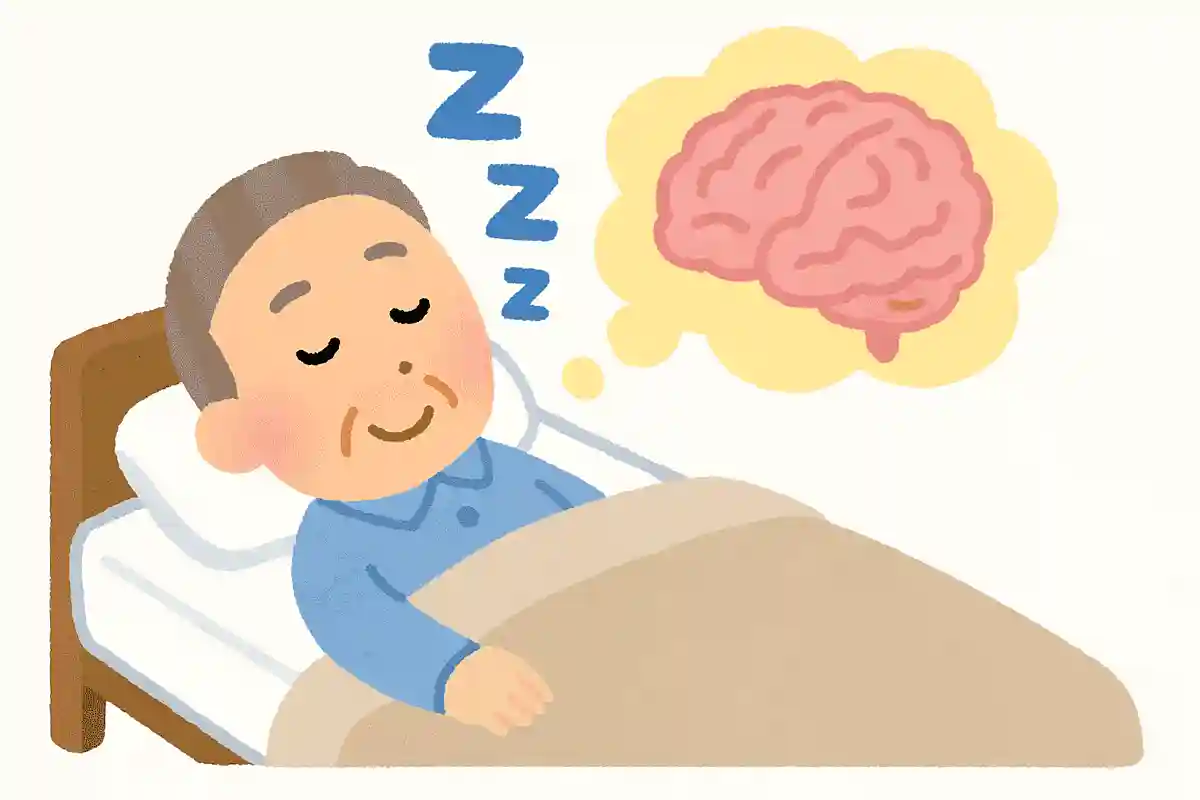
People can have all kinds of dreams while sleeping—whether realistic or fantastical—like dreams of meeting someone you love or being chased by a scary ghost.
What kinds of dreams might older adults have had over the years? Still, there are times when you clearly feel you’ve had a dream, and other times when you feel you didn’t dream at all.
So, when is it that we have dreams? The answer is: when our sleep is light.
That said, it seems that everyone dreams regardless of sleep depth.
It’s just that during deep sleep, the content of dreams can be less striking, so we may feel as though we didn’t dream.

What are the buttons on the sleeves of school uniforms and suits for?
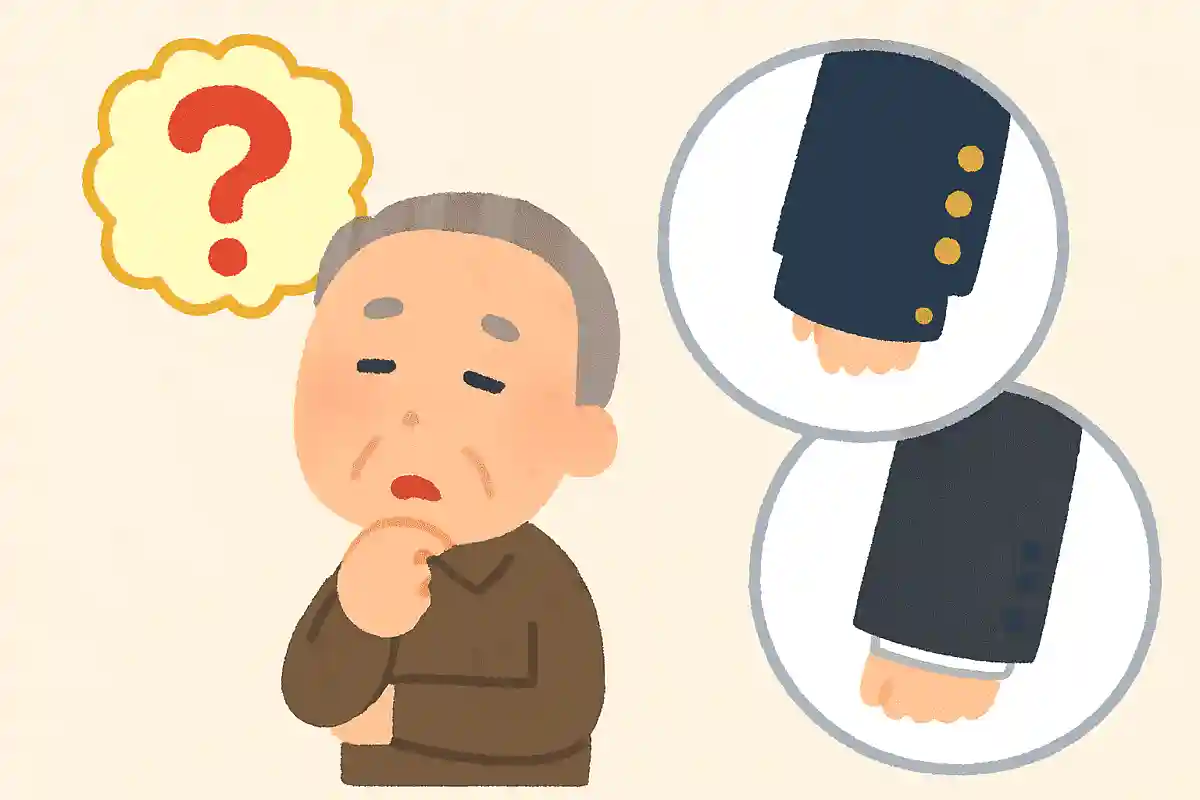
The buttons on the sleeves of jackets, like those on school uniforms and suits, may seem to serve little purpose—but why are they there? The answer is: to keep people from wiping their noses on their sleeves.
One theory says it began during Napoleon’s Russian campaign, when, unable to bear the sight of soldiers shivering in the cold and wiping their noses on their uniform sleeves, buttons were added.
There are also theories that they were meant to make it easier to open the cuffs and roll up the sleeves, or that they serve a purely decorative purpose.
In any case, it’s fun to ponder the history behind them.

If you adjust the way you sleep, it becomes harder for blood clots to form. What position should you sleep in?
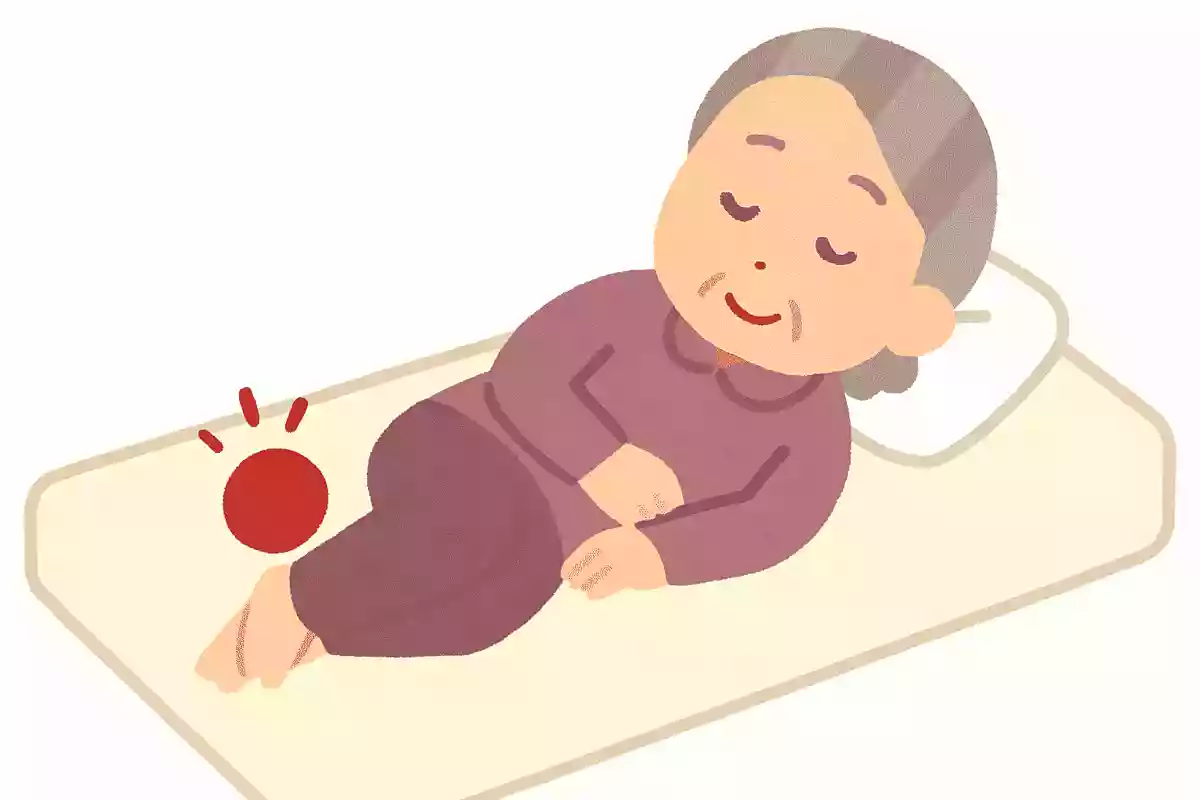
Blood clots that form in the bloodstream can block the vessels that run throughout the body, potentially leading to life-threatening conditions such as heart attacks and strokes.
Older adults tend to have poorer circulation as they age, so they need to be especially careful about blood clots.
If sleeping position can help prevent them even a little, that would be great, right? So, the answer to this quiz is sleeping on your back.
Compared to lying on your side, sleeping flat on your back helps blood circulate smoothly throughout the body, making it the better position.
It also places less strain on the internal organs.
Yamagata Prefecture is famous for its high production of cherries. There is also a cherry-themed competition in Yamagata Prefecture—what kind of competition is it?
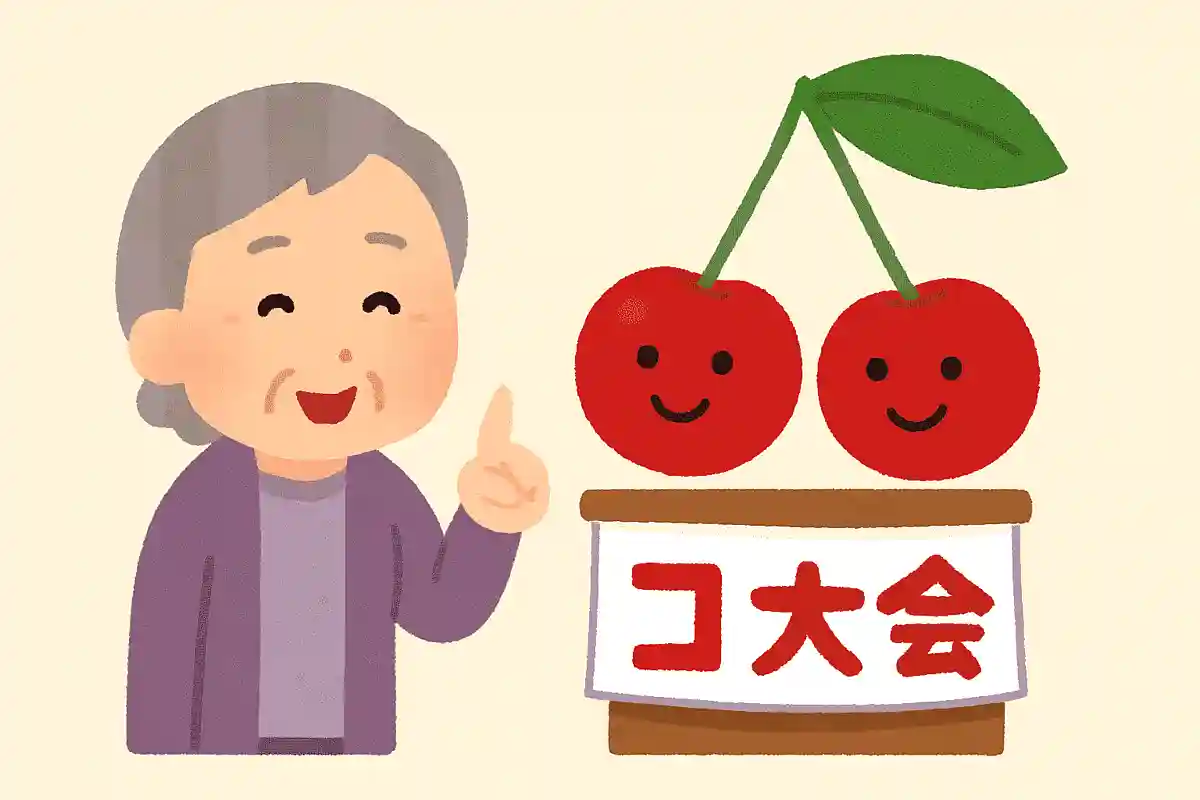
Cherries are a fruit that represents Yamagata Prefecture, and various events are held to promote them.
Among these events, let’s think about those held in a tournament format.
The hint is an action that might seem ill-mannered and is strongly associated with children.
The answer is a cherry pit-spitting contest.
Since it’s a competition conducted under proper rules, it might be interesting to learn about the tournament’s overview as well.

What is the food offering that symbolizes a rope for tying up the belongings that the returned ancestors will take back with them?
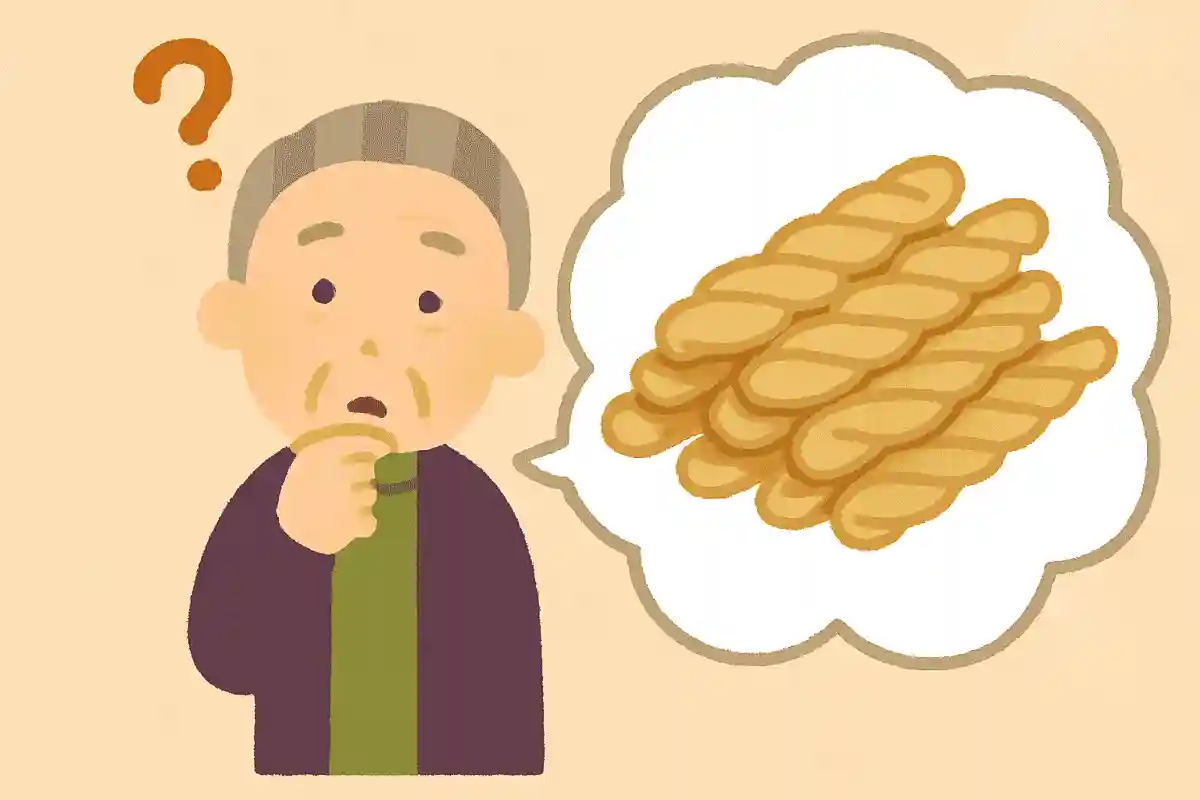
Somen noodles, which we often enjoy in the peak of summer, are connected to an Obon-related custom.
Let’s liven things up with an Obon quiz featuring somen! Please ask: “What food is offered as a symbol of a cord for tying up the luggage that returning ancestors will take back with them?” The surprising answer is somen.
During Obon, ancestors who return to this world receive many offerings.
There’s a legend that somen is used as the cord to bundle those offerings.
With this bit of Obon trivia, you’ll have something to proudly share with your family!

In what language is the word “pom-pom,” which is used for cheering?
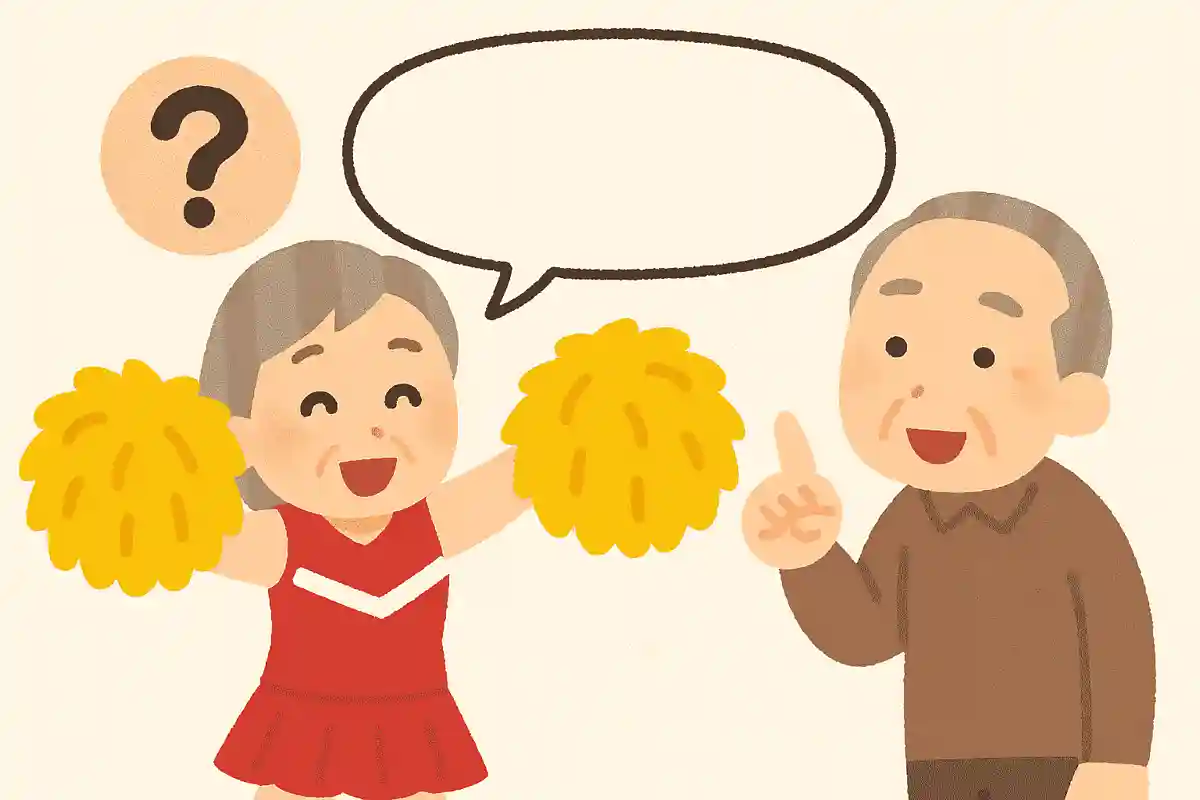
What language is the origin of the word “pom-pom,” used as a cheering item at events like sports days? The answer is French; it is said to derive from “pompon,” meaning a tuft with a rounded end.
Invented as a cheering accessory in the 1930s, pom-poms were made of paper at the time and couldn’t be used in bad weather—details that convey the history they’ve accumulated.
By learning that history properly, we may grow more attached to the everyday items used at events.
[For Seniors] Perfect for Brain Training! Lively Trivia (91–100)
What color are the lanterns used during the first Obon (shinbon)?
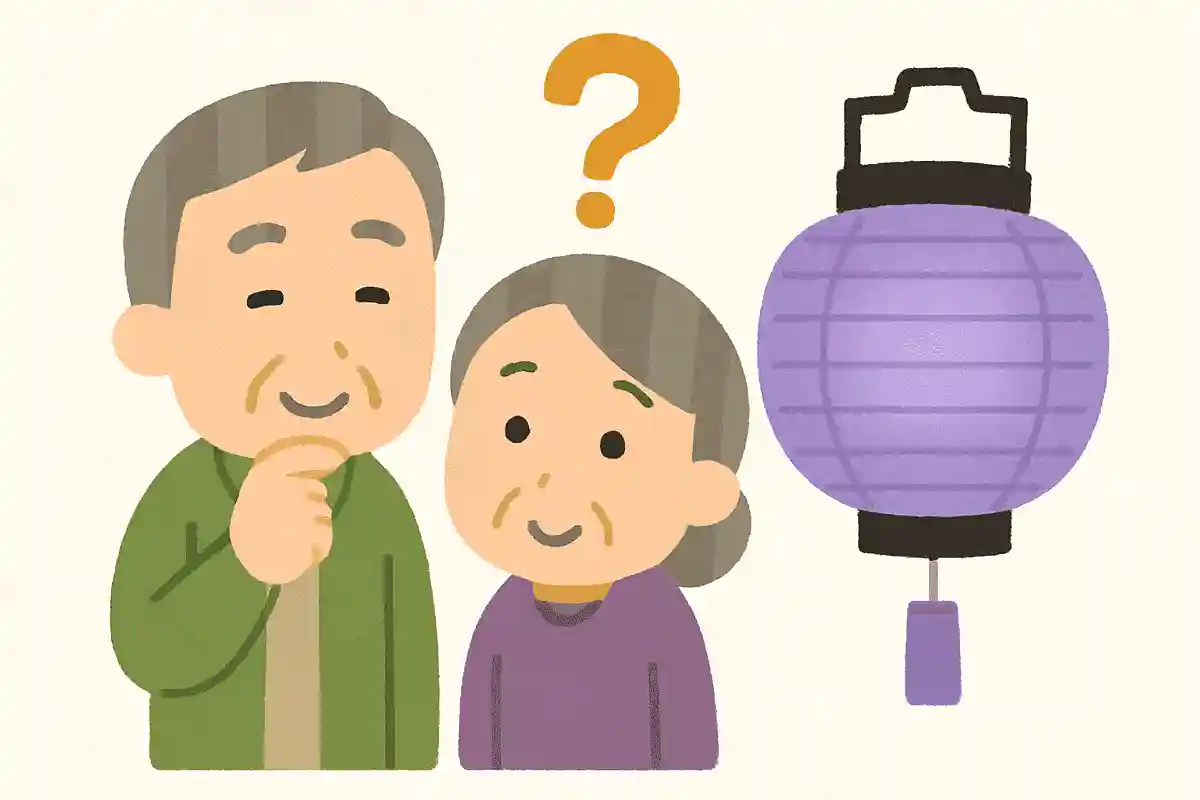
Shinbon (the first Bon) refers to the first Obon observed after a person has passed away.
More precisely, it is the first Obon that comes after the forty-ninth day memorial period has ended, and the name varies by region—such as “shinbon” or “arabon.” During the first Obon only, a white lantern called “hakumonten” is displayed.
The reason is to serve as a marker so that the spirit of the deceased, returning for the first time, does not lose its way.
Some older adults may already know this, but since it’s very informative, why not turn it into a quiz to help people feel the season?