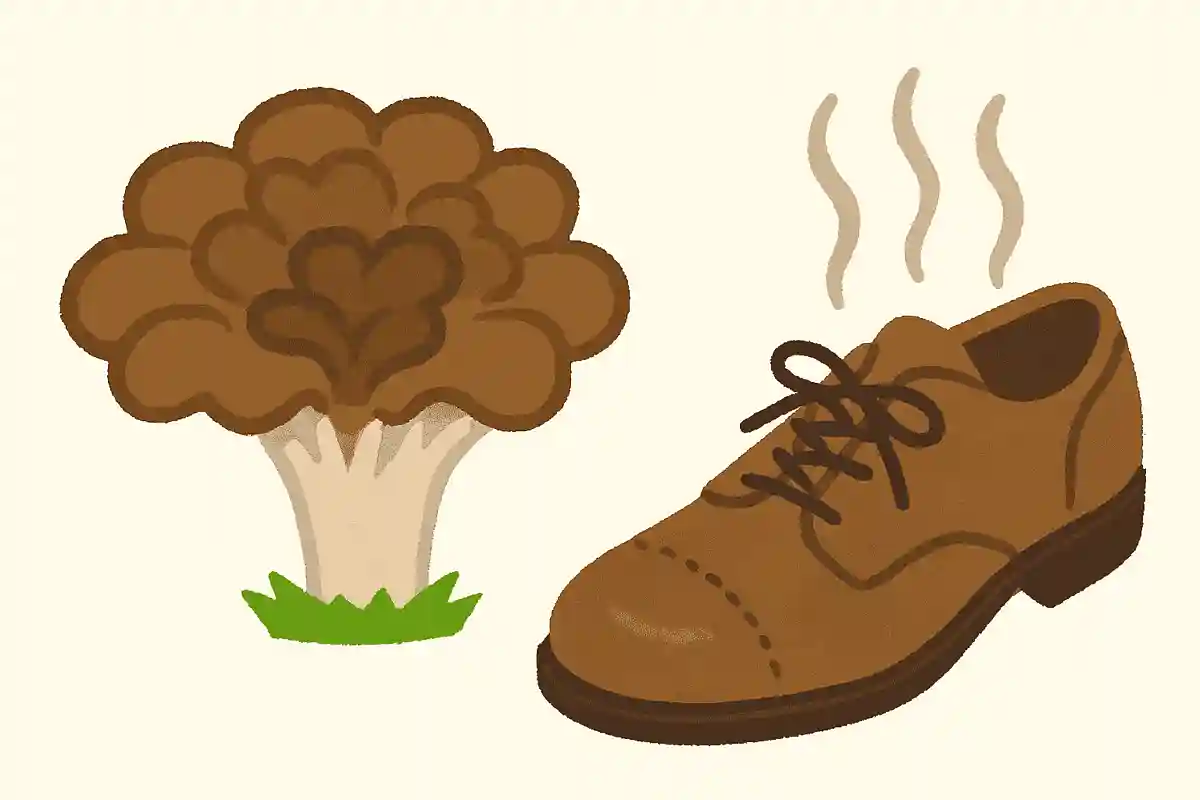
One high-end ingredient that represents autumn in Japan is described as having a “smell trapped in leather shoes,” and it isn’t commonly eaten in the West. What is this luxury ingredient?
As autumn is known for whetting the appetite, many delicious foods that boost our cravings come into season.
Starting with rice, there are also Pacific saury, sweet potatoes, chestnuts, pears, and grapes, but the true king of autumn flavors is undoubtedly matsutake mushrooms.
As a luxury ingredient, matsutake aren’t something we can easily enjoy every day, and their greatest allure lies in their uniquely sweet aroma.
This fragrance is said to stimulate the appetite and have a calming effect, and in recent years, it has reportedly been found to be potentially effective in helping prevent cancer.
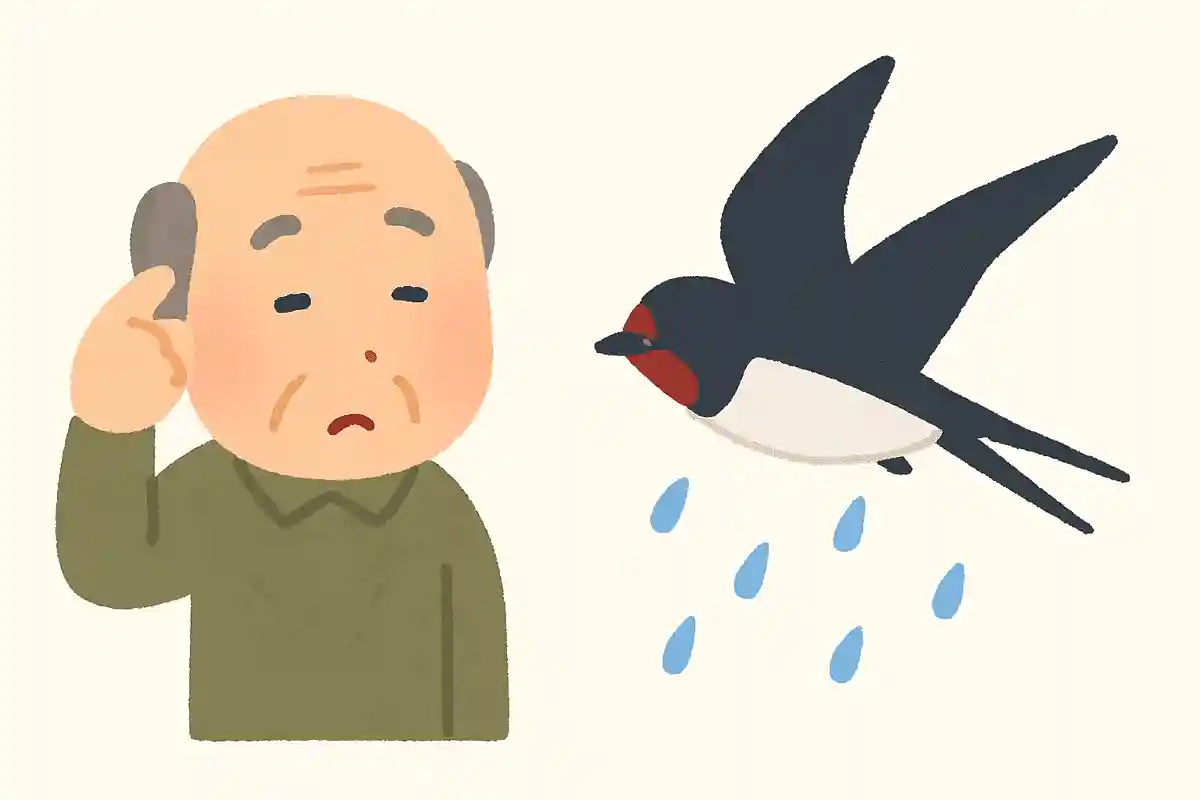
It’s said that when a certain bird flies low, it will rain. Which bird is it?
There’s a weather proverb that says, “When a certain bird flies low, it’s going to rain.” What is that bird? The answer is the swallow.
The reason is that winged insects like flies and mosquitoes, which swallows feed on, have heavier wings when humidity rises as a low-pressure system approaches, so they can’t fly high.
Swallows fly low to chase them.
Although we can now get highly accurate forecasts thanks to the latest technology, it’s nice to occasionally watch animal behavior and the sky to predict the weather.
[For Seniors] Perfect for Brain Training! Lively Trivia (61–70)
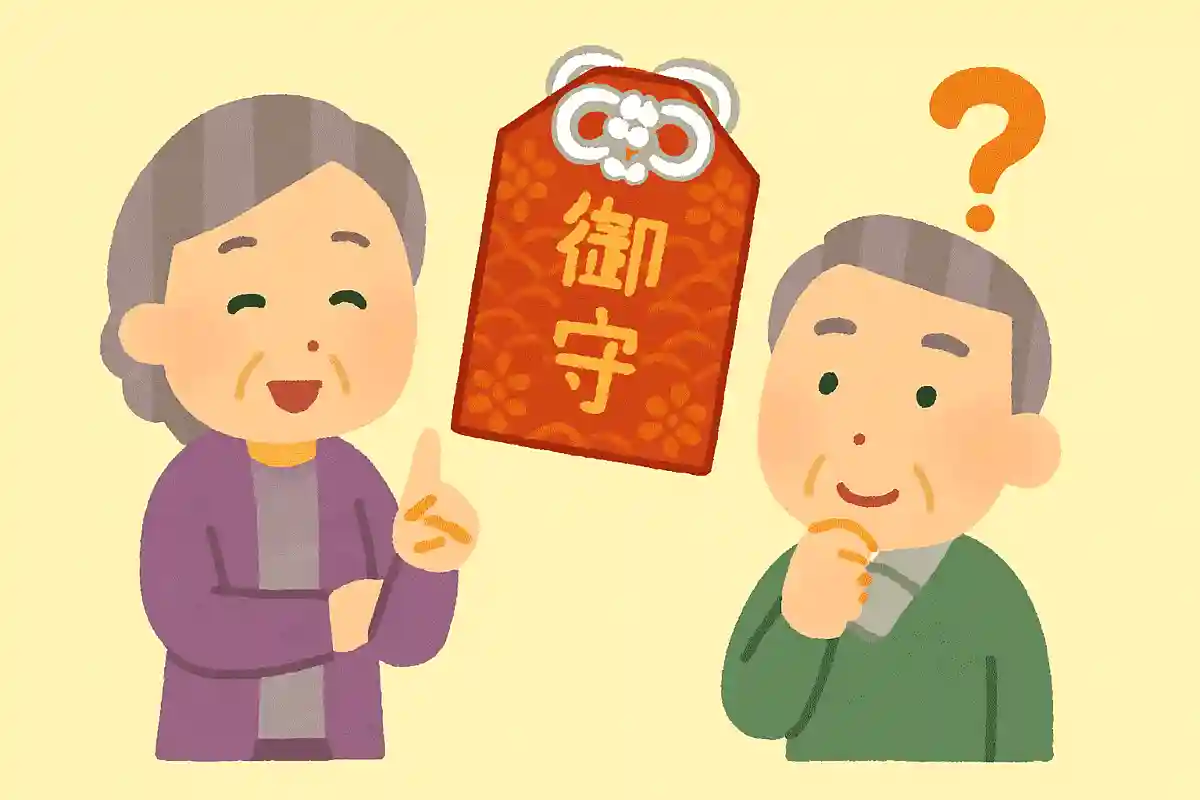
What unit is used when counting omamori (Japanese protective charms)?
When counting omamori (protective charms), what counter do we use? The answer is “tai.” Instead of saying “one piece” or “two,” you read them as “ittai, nitai.” The reason is that omamori are considered embodiments of the deities.
Come to think of it, the places that offer omamori are labeled “juyosho” (place of conferral), not “hanbaisho” (sales counter).
By the way, deities themselves are counted as “hitoshibashira, futashibashira” (1 pillar, 2 pillars), and mikoshi (portable shrines), being the deities’ vehicles, are counted as “ikki, nikki” (1 unit, 2 units).
Knowing these counters can make you feel a solemn, sacred sense that you are being granted a share of the deity’s power.
What is the plant that is said to be essential for Obon and whose shape resembles a Bon lantern?
What is the plant said to be inseparable from Obon and whose shape resembles a Bon lantern? The answer is “hōzuki” (Chinese lantern plant).
Its distinctive look—fruit encased in a soft calyx—is quite striking.
The red or orange color of the calyx and fruit also evokes the light of a lantern, and their gentle hues can even feel a bit eerie.
Beyond being a symbol of Obon, it is also associated with traditional medicinal uses, and its unique colors and shape have long imparted a sense of mystery in historical accounts.
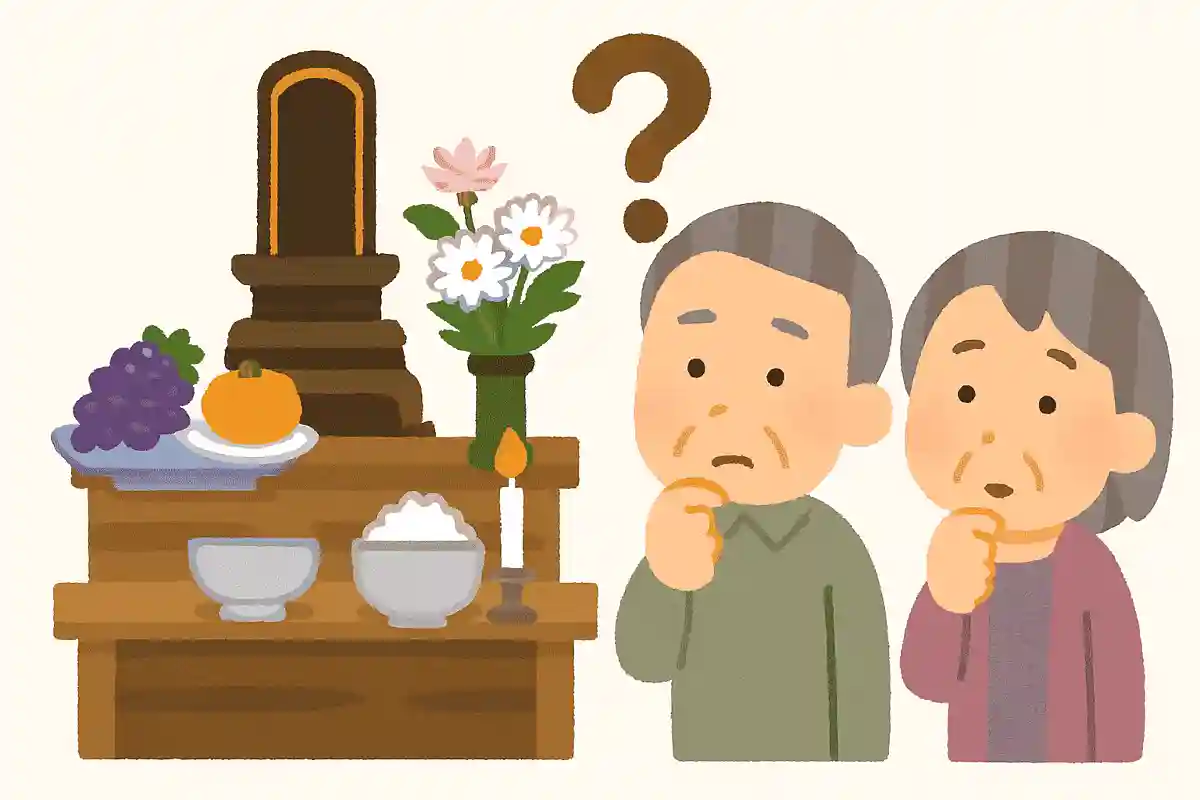
The shelf used to display ancestral tablets and offerings during Obon is called a “bon-dana.” What is its other name?
Obon is a time when we welcome and honor our ancestors, and one of its distinctive features is the various decorations, beginning with the offerings.
The shelf used to display these indispensable Obon offerings is called a “bon-dana,” but what else is it called? The answer is “shōryō-dana.” Since many Obon-related decorations and events include the word “shōryō” (spirit), this name is easy to picture.
From this, you can also sense that ancestors are referred to as “shōryō,” which may deepen the feeling that they are sacred.