

[For Seniors] Hand and finger play roundup: Finger exercises that lead to brain training

For older adults, moving their hands and fingers is very important because it helps stimulate brain activity.
That’s why many senior care facilities incorporate hand and finger play as a way to help prevent dementia.
Among these activities, brain-training style hand and finger games may seem difficult at first, but they allow participants to talk and think together—saying things like “I did it!” or “How do you do this part?”—so they can enjoy the activity while engaging in communication.
There are exercises that involve different movements with the left and right hands, or moving the fingers while singing.
Please choose and adapt activities according to each older adult’s physical and mental condition.
- [For Seniors] Enjoyable Brain Training! Finger Exercises That Help Prevent Dementia
- [For Seniors] Popular Hand-Play Songs: Fun Brain-Training Ideas
- [Brain Training for Seniors] Recommended Hand-Play Recreation for Dementia Prevention
- Hand games that liven things up for seniors—also great brain training
- For Seniors: Fun and Lively Exercise Recreation
- [For Seniors] Extremely Effective Brain Training! A Fun Collection of Hand Games
- [For Seniors] Enjoy Easily! Hand Play 'Shimoshika Meyo' (If If, Tortoise)
- [For Seniors] Recommended Rhythm Play and Exercises
- [For Seniors] Fun and Engaging Brain-Training Recreation
- [For Seniors] DIY Hand Rehabilitation Tools to Strengthen Fingertips: A Collection of Handmade Ideas
- [For Seniors] Liven Things Up With Different Left-Right Movements! Game and Exercise Ideas
- [For Seniors] Recommended Easy Strength Training
- [For Seniors] Recommended Handmade Activities! Simple Ideas
[For Seniors] Collection of Hand and Finger Games: Finger Exercises That Lead to Brain Training (1–10)
Finger exercise making a circle with your fingers

Making finger circles is another recommended hand game.
First, make an OK sign with both hands.
Then connect the circle parts together.
Next, switch to your middle fingers, then ring fingers, then pinkies.
If you clap in between and keep a steady rhythm, you can expect strong brain-training benefits.
By the way, you can also change it up—slow down the rhythm or just make the OK sign with one hand.
Start from whatever level feels comfortable for you.

Finger-focused trainingNEW!
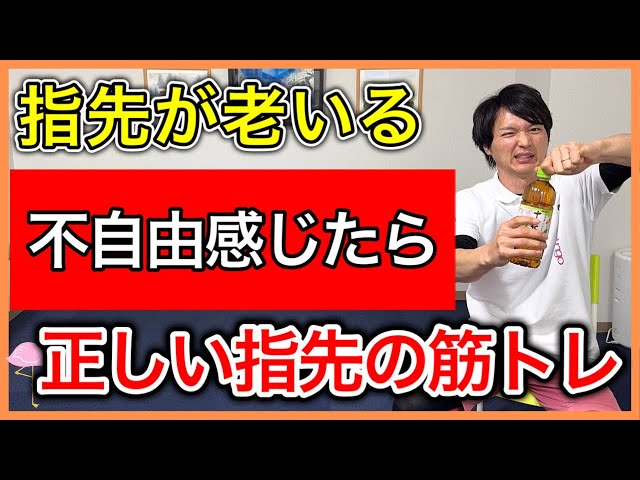
First, open and close your hands into a fist and an open hand (rock and paper) 10 times.
Next, alternate which hand makes a fist and which hand is open, switching left and right in turn.
Once you get used to it, add scissors and try it as well.
Next, press your palms together firmly.
At this time, focus the pressure more on the pads of your fingers than on the wrist side.
Next, repeat rock, scissors, and paper in order, making the same shape with both hands at the same time.
Next, to train your little fingers, from a fist position, extend only your little finger, or touch just your thumb and little finger together.
There are also other movements, such as opening and closing your fingers, and from a fist position opening and closing only your thumb, so be sure to give them a try!

If, if, Mr. Turtle
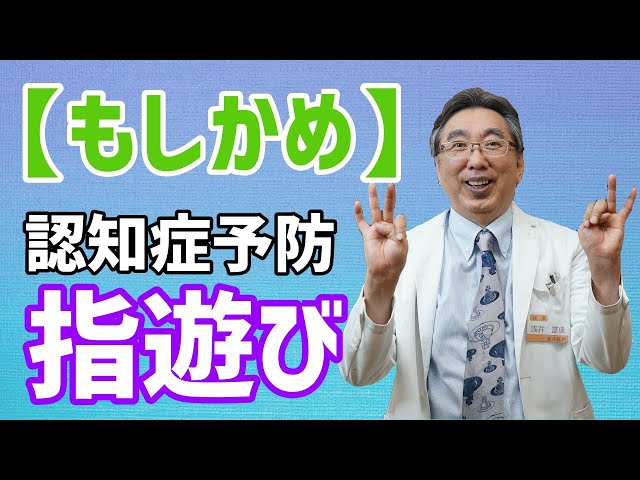
Let’s try some brain training with hand and finger games.
It’s an exercise where you fold down your fingers to the tune of the children’s song “Moshimoshi Kameyo.” There are different ways to fold the fingers, and the difficulty increases.
It’s easy to fold the same fingers on both hands—thumb, index, and middle—at the same time.
But having one hand lag by a beat and folding different fingers on each side—like “index and thumb,” then “middle and index”—is quite tricky even for young people.
You might call it the brain-training world’s version of a round, like “By the Quiet Lakeside.”
[For Seniors] Hand and Finger Play Collection: Finger Exercises That Lead to Brain Training (11–20)
Brain-training hand game with the Frog Song

I think you’ve heard the song “Kaeru no Uta” (The Frog Song).
Using that tune, why not try a fun brain-training exercise? The movement itself is simple: you make a snail by combining a fist and a V-sign.
But whenever the word “kaeru” (frog) appears in the lyrics, you flip your hands upside down.
When you try it, you’ll probably find it surprisingly engaging for your brain.
And if you get tired of the snail, try other movements like a helicopter.
That way, you can avoid getting stuck in a rut.
Funny Clapping Exercise

An exercise where everyone claps in unison following a model can stimulate the brain by requiring you to judge movements from the example.
As you proceed with clapping in various rhythms, it can also help you focus on the speed of your movements and how much force you use.
A recommended flow is to gradually increase the clapping speed and then stop suddenly; the moment of seeing whether everyone can halt cleanly might even spark some laughter.
In addition to concentration on the model and awareness of speed and force, tapping the body can also help promote blood circulation.

Finger exercise with rock-paper-scissors (gu-choki-pa)

The rock-paper-scissors finger exercise is highly recommended for preventing dementia in older adults.
It may seem like an ordinary finger movement we do without thinking, but many people might not realize that fingers are directly connected to the brain.
By moving your fingertips a lot, you also stimulate and activate the brain.
The rock-paper-scissors exercise we’re introducing this time includes lots of fun variations, so it’s likely to spark some laughter too.
Exercising while having fun is great for building a healthy body.
Let’s laugh from the belly and aim to relieve stress.

Finger Separation Exercise

It’s an exercise where you press your palms together and gradually lift each finger away while counting numbers.
Because you count out loud as you go, it also serves as brain training while moving your fingers.
The key is to keep the other fingers pressed to your palm, except for the one you’re counting.
Once you reach the little finger, raise your hands back up while counting to 10 again.
You can adjust the speed of the count or practice by counting beyond 10.
Try this fun finger exercise—it’s also great for encouraging communication among residents.
