

[For Seniors] Fun Food Trivia Quizzes You'll Want to Share


When chatting with older adults, food often comes up as a topic, doesn’t it? Food is one of the subjects that both seniors and staff find easy to talk about.
So this time, we’d like to introduce some trivia quizzes about food.
Food-related topics that naturally expand conversations with seniors can also be used to facilitate communication.
You can use them as everyday conversation starters or as material for recreational activities.
Enjoy these food trivia quizzes we’ve gathered for you.
- A Food Quiz for Seniors to Make Eating More Enjoyable
- [For Seniors] Fun and Informative! Health Trivia Quiz
- [For Seniors] How many can you read? A comprehensive showcase of difficult food kanji
- [For Seniors] Introducing Trivia Quizzes and Fun Facts About December
- [For Seniors] Trivia Multiple-Choice Quiz
- [Brain Training] Lively Word Quiz for Seniors
- [For Seniors] Laugh-Out-Loud, Crowd-Pleasing! Fun Quiz
- [For Seniors] Fun and Lively! Recommended Quiz Questions
- [For Seniors] Brain Training! Recall Quiz Collection!
- [For Seniors] Recommended Trivia Quizzes & Fun Facts for November
- [For Seniors] Lively two-choice trivia quiz. Handy to know and tidbits you'll want to share with others
- [For Seniors] Boost Your Knowledge! Fun Trivia Quiz
- [For Seniors] Sports Trivia Quiz & Fun Facts. Easy and Entertaining
[For Seniors] Trivia about food you’ll want to share: Quiz compilation (71–80)
On one specific day each week, the Japan Maritime Self-Defense Force always eats curry. Which day is it?
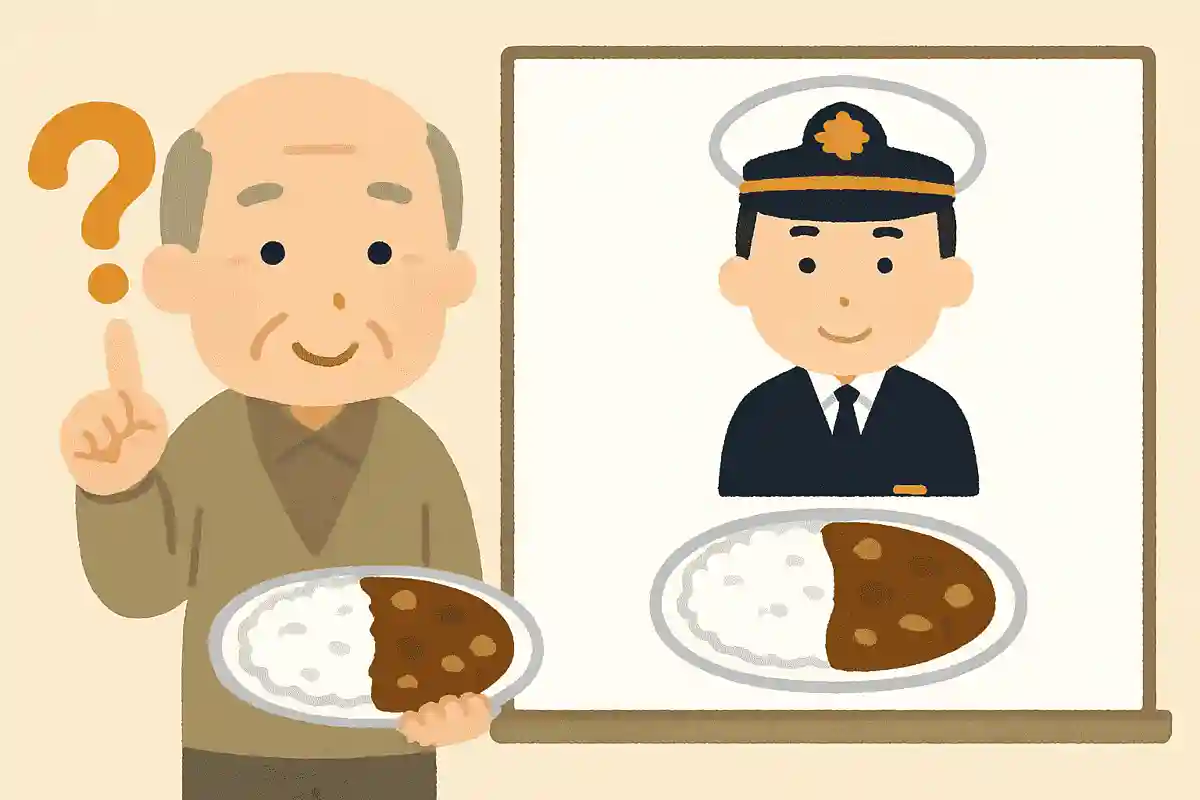
- Wednesday
- Friday
See the answer
Friday
There are various theories as to why Friday became Curry Day in the Japan Maritime Self-Defense Force, but the most well-known is that it’s to prevent people from losing track of the days of the week. When sailing at sea or working on submarines, the scenery doesn’t change and people can lose their sense of what day it is, so Curry Day was introduced to prevent that.

Ginkgo nuts, which are plentiful in autumn, are said to be better not eaten in large quantities. Why is that?
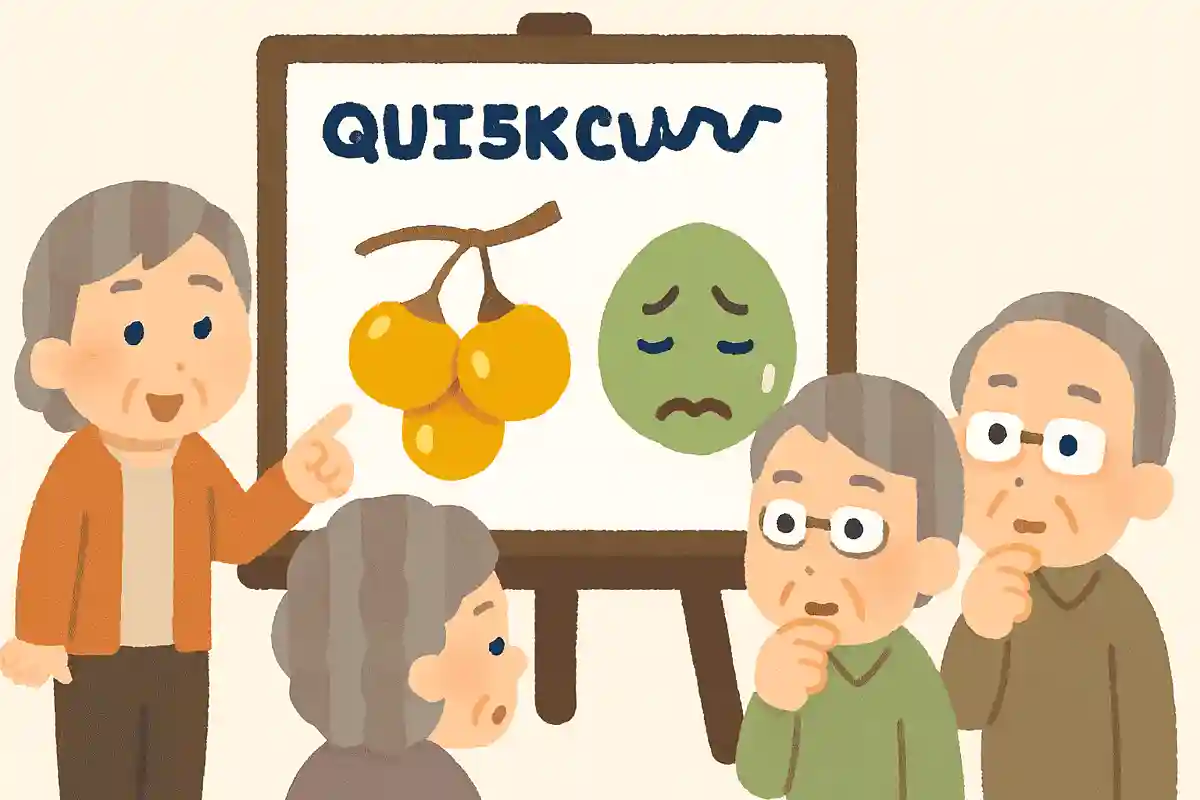
Gingko nuts are harvested in abundance in autumn.
Many people find their distinctive flavor addictive.
Because of that, some may have been warned after almost eating too many.
The reason is that they can cause poisoning.
Specifically, they contain a toxic compound called methoxypyridoxine, which is said to cause vomiting and trembling in the hands and feet.
Eating them raw also carries a risk of food poisoning.
Please be very careful when eating them.
As a guideline, adults should limit themselves to about 10 nuts, and children to about 5.

Mont Blanc, a cake made with chestnuts—one of autumn’s seasonal delights. What is the French “something” it’s named after?
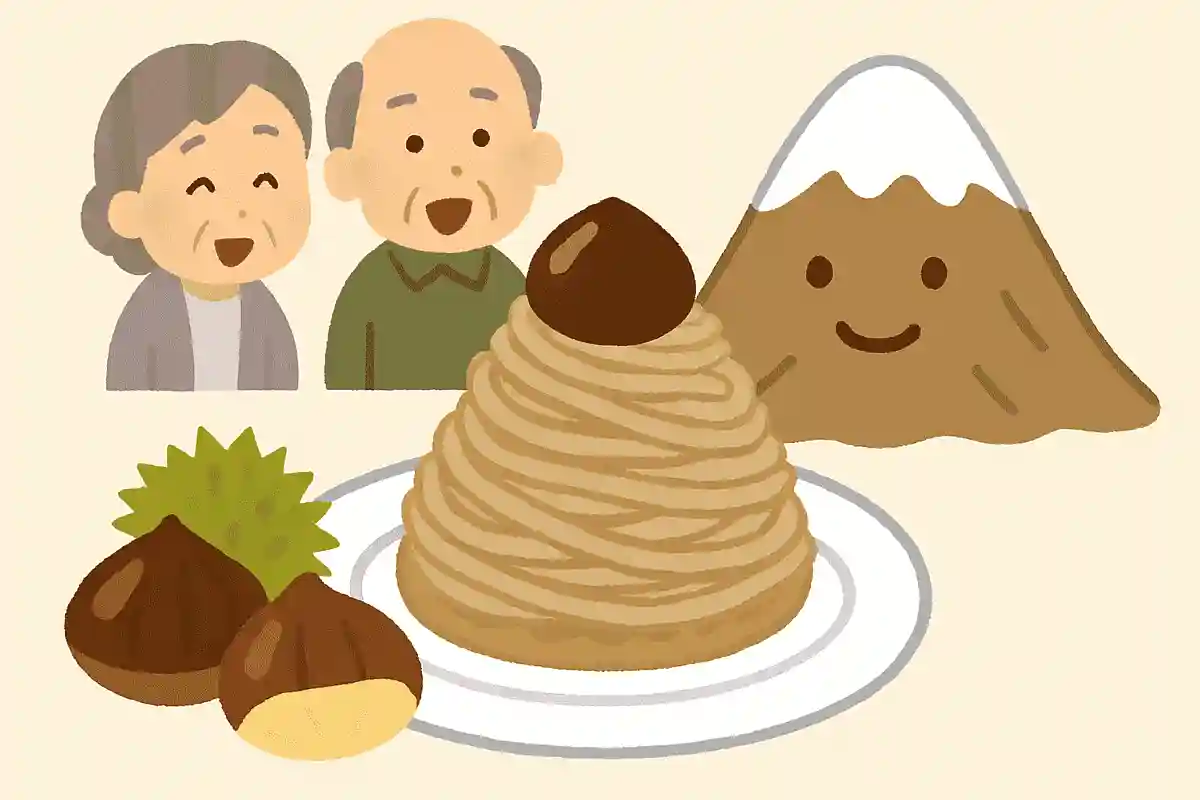
Chestnuts are a quintessential ingredient of autumn.
There are many foods that use chestnuts, but among them, Mont Blanc is especially popular.
Many of you have probably tried it at least once.
However, not many people may know the origin of Mont Blanc.
In fact, it’s named after something in France—Mount Blanc.
By the way, Mount Blanc lies on the border between France and Italy and is also known as a famous destination for mountaineering.
[For Seniors] Fun Food Trivia Quiz Collection You'll Want to Share (81–90)
What kind of sweets did the Jomon people make with pottery?
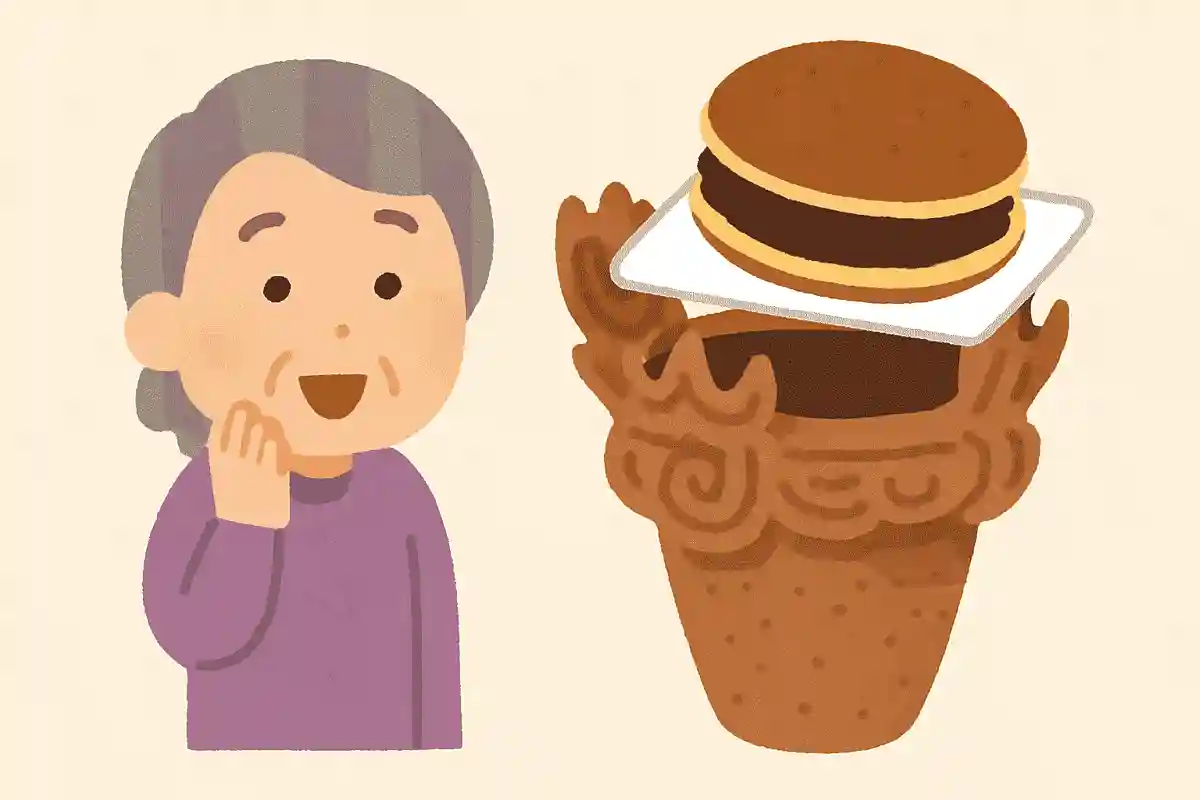
The Jomon period began roughly 12,000 years ago.
We humans lived far more primitive lives than we do today, with acorns as a staple food.
Did you know there was a kind of confectionery made during the Jomon period? In fact, it’s a sweet that’s still widely known today: cookies.
People back then are said to have kneaded dough made from nuts, eggs, and salt.
Incidentally, although there are various theories, it’s also said they used a similar method to knead hamburger patties.
Makes you wonder what they tasted like, doesn’t it?
Caterpillars eat cabbage, but they don’t eat lettuce.
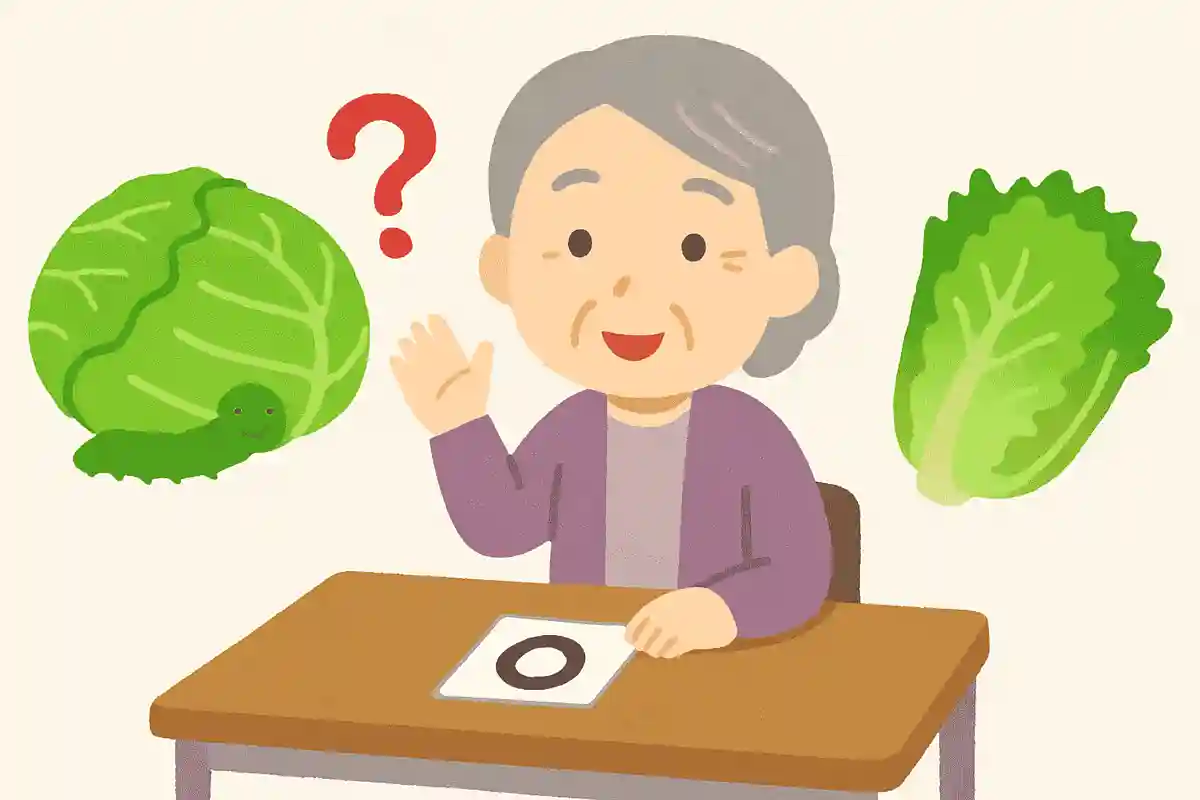
When the topic turns to vegetables, the inevitable debate is “Team cabbage or team lettuce?” Which do you prefer? People who cook often tend to favor cabbage, since it’s handy whether you stir-fry it or simmer it.
But that fresh, crisp crunch of lettuce is irresistible too.
By the way, did you know that green caterpillars eat only cabbage and not lettuce? That’s because cabbage contains a lot of sinigrin, one of their favorite compounds.
Sinigrin is very bitter… There really are some peculiar insects out there, aren’t there?
What is the origin of the crescent shape of gyoza?
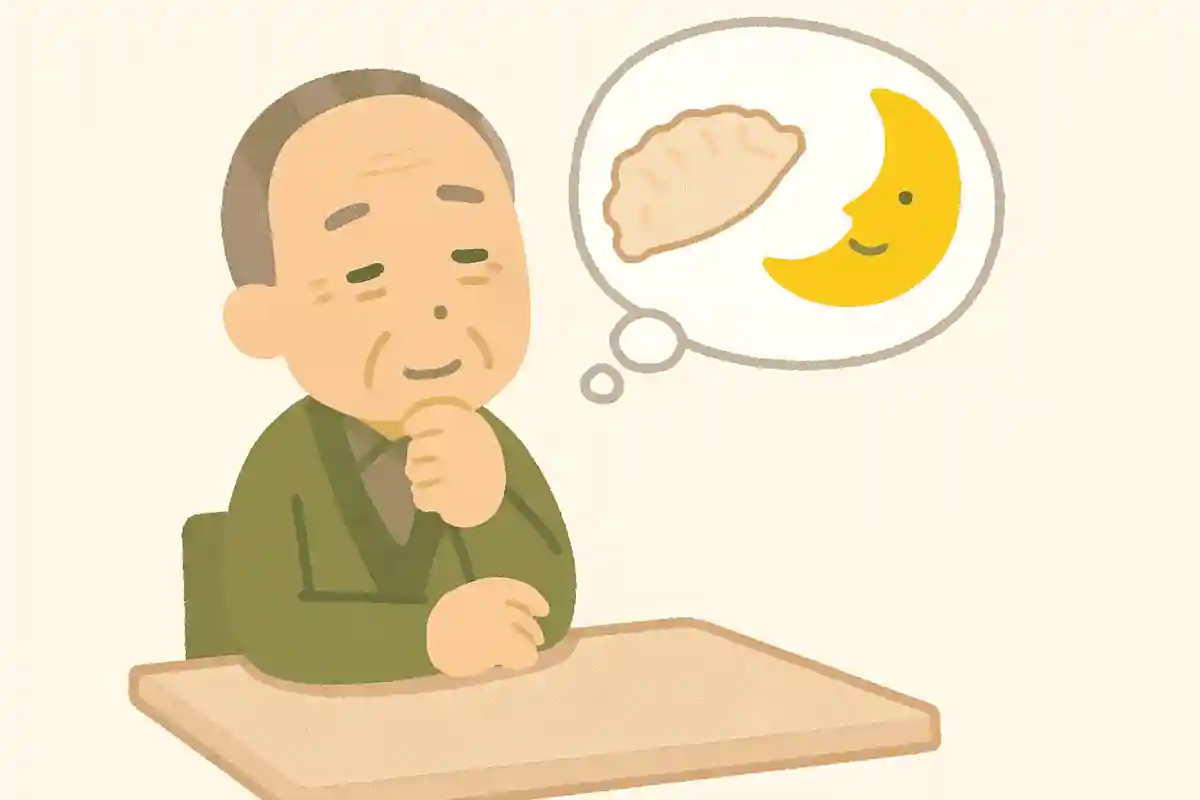
Dumplings are made by wrapping filling in a round piece of dough and shaping it into a crescent.
Where does that shape come from? The answer is: from the shape of Chinese currency.
In China, people eat dumplings around the time of Spring Festival, the Lunar New Year, and at celebratory occasions.
One reason is that their shape resembles the yuanbao—also known as sycee or “horse-hoof silver,” a type of currency used up through the Qing dynasty—so they carry the wish, “May we be blessed with wealth.” If eating lots of delicious dumplings also boosts your good fortune, that’s the best of both worlds!

What kind of meat is “momiji”?
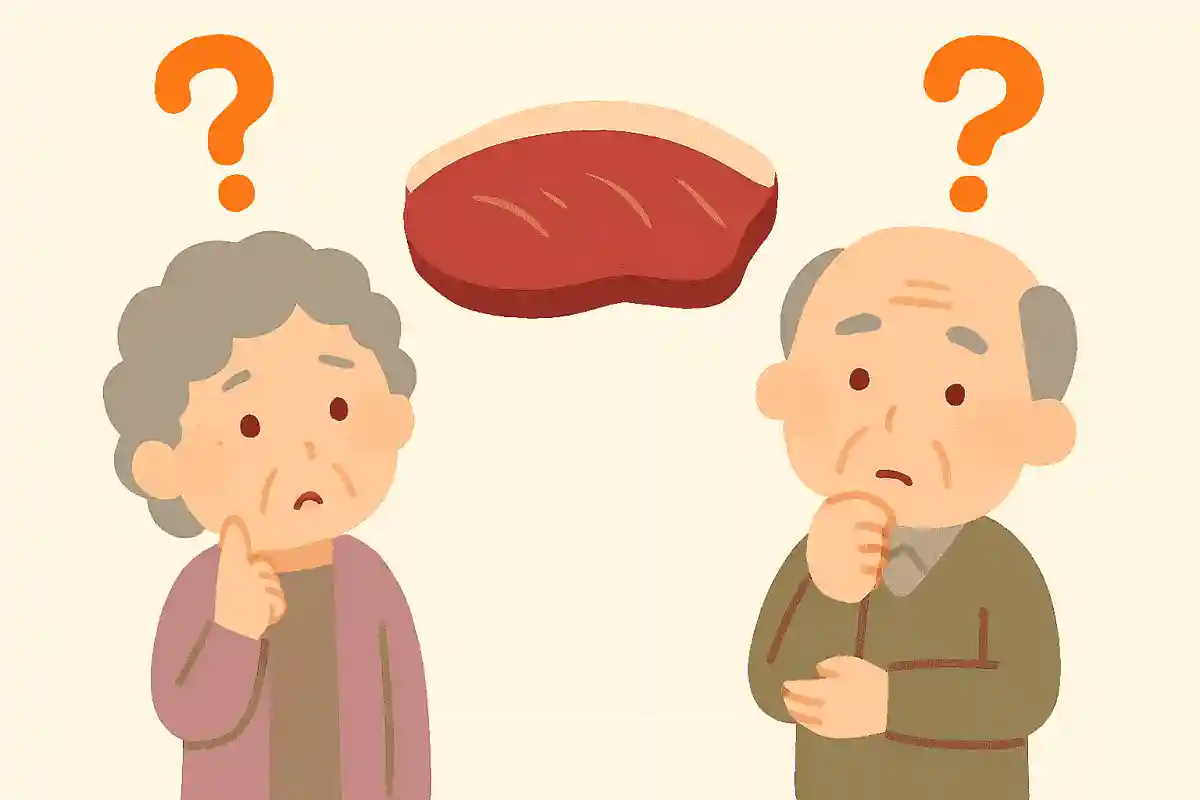
The simplest and clearest way is to state plainly what kind of meat it is, but calling meat by another name can also be interesting—it reflects the history of food culture.
If you hear “momiji” (maple), you might strongly associate it with autumn as a plant, but it’s also an animal you see outside of autumn.
The answer is “deer.” It’s said to come from the October hanafuda card that depicts maple leaves and a deer together.
There are other cases where meats are called by plant names, too, so it could be fun to learn those terms and their origins as well.
