

[For Seniors] Fun Food Trivia Quizzes You'll Want to Share


When chatting with older adults, food often comes up as a topic, doesn’t it? Food is one of the subjects that both seniors and staff find easy to talk about.
So this time, we’d like to introduce some trivia quizzes about food.
Food-related topics that naturally expand conversations with seniors can also be used to facilitate communication.
You can use them as everyday conversation starters or as material for recreational activities.
Enjoy these food trivia quizzes we’ve gathered for you.
- A Food Quiz for Seniors to Make Eating More Enjoyable
- [For Seniors] Fun and Informative! Health Trivia Quiz
- [For Seniors] How many can you read? A comprehensive showcase of difficult food kanji
- [For Seniors] Introducing Trivia Quizzes and Fun Facts About December
- [For Seniors] Trivia Multiple-Choice Quiz
- [Brain Training] Lively Word Quiz for Seniors
- [For Seniors] Laugh-Out-Loud, Crowd-Pleasing! Fun Quiz
- [For Seniors] Fun and Lively! Recommended Quiz Questions
- [For Seniors] Brain Training! Recall Quiz Collection!
- [For Seniors] Recommended Trivia Quizzes & Fun Facts for November
- [For Seniors] Lively two-choice trivia quiz. Handy to know and tidbits you'll want to share with others
- [For Seniors] Boost Your Knowledge! Fun Trivia Quiz
- [For Seniors] Sports Trivia Quiz & Fun Facts. Easy and Entertaining
[For Seniors] Fun Food Trivia Quiz Collection You’ll Want to Share (21–30)
Giving a Baumkuchen on Valentine’s Day carries the meaning “May happiness keep layering up.”

Giving baumkuchen for Valentine’s Day might not be the first option that comes to mind, but it’s said to carry a hidden meaning.
Because of its many layers, it symbolizes happiness building up layer by layer and lasting a long time.
It’s a lovely wish, isn’t it? It’s also recommended for people who don’t like chocolate, for older recipients, or for friends.
On the other hand, it’s considered better to avoid giving it as a hospital gift, as it could suggest misfortune continuing.
Why not try giving baumkuchen at least once?

Giving macarons on Valentine’s Day means “You are someone special.”
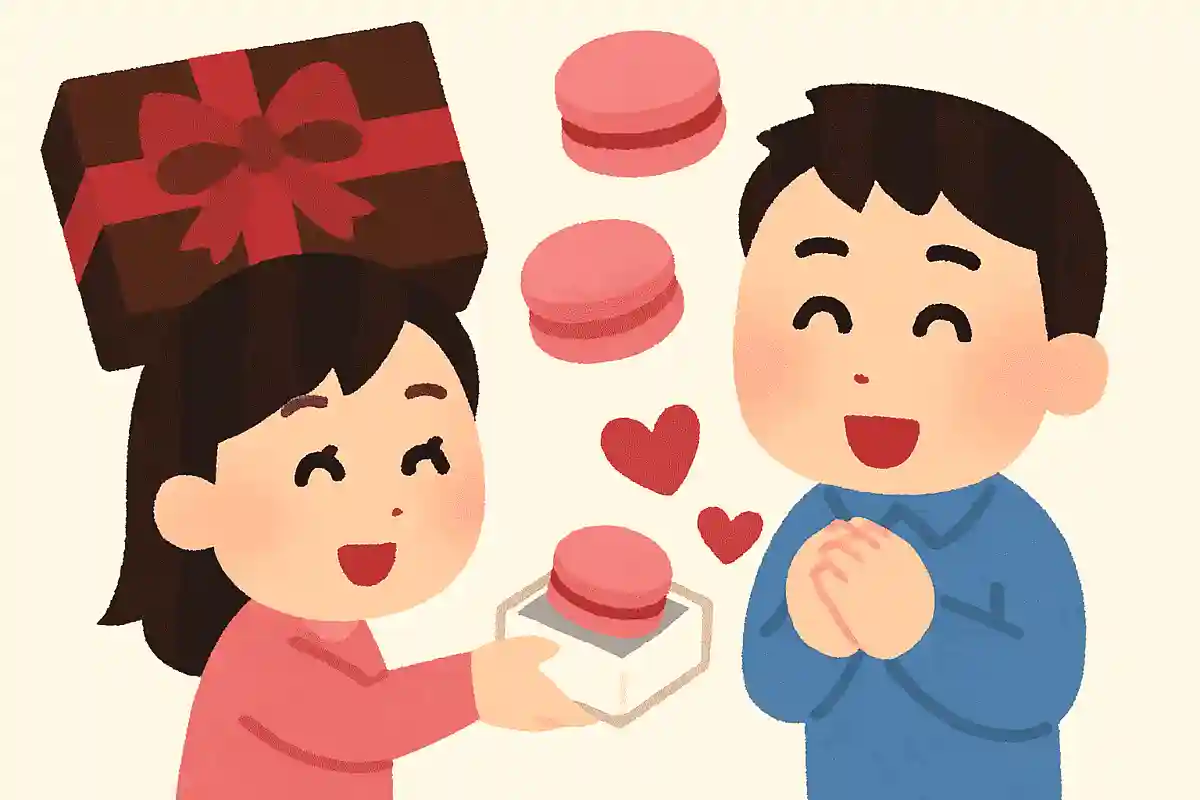
When it comes to Valentine’s Day, many people give chocolate, but I’ve heard that giving macarons is said to mean “you’re someone special.” It’s apparently because they feel luxurious and take effort to make.
Be careful though—the sense of specialness can change depending on the color and flavor.
For example, pink represents eternal love, yellow stands for friendship, and brown signifies comfort and compassion.
Whether or not the recipient knows these meanings, it’s still fun to entrust those feelings to macarons, isn’t it?
[For Seniors] Fun Food Trivia Quizzes You'll Want to Share (31–40)
Giving marshmallows on Valentine’s Day means “I want to forget you quickly.”
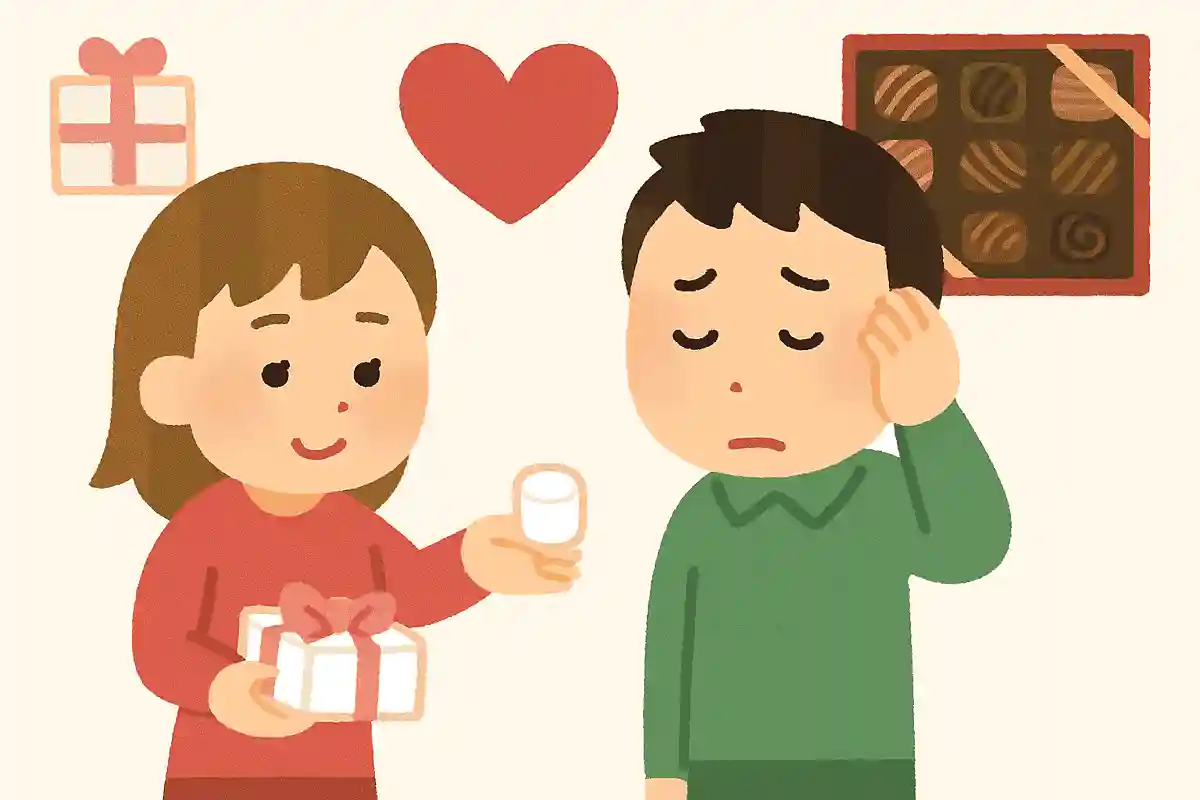
Did you know that giving marshmallows on Valentine’s Day has quite a negative image? Because they melt away quickly in your mouth, they can be taken to mean “I want this to end soon” or “I’m turning you down.” It would be a shock to open a small gift and find that it’s marshmallows, wouldn’t it? By the way, chocolate-covered marshmallows are said to carry a positive meaning—like being wrapped in love—so if the person likes marshmallows, choosing chocolate-covered ones might be a good idea.
In Japan’s first curry, meat from a certain animal was used. What kind of meat was it?
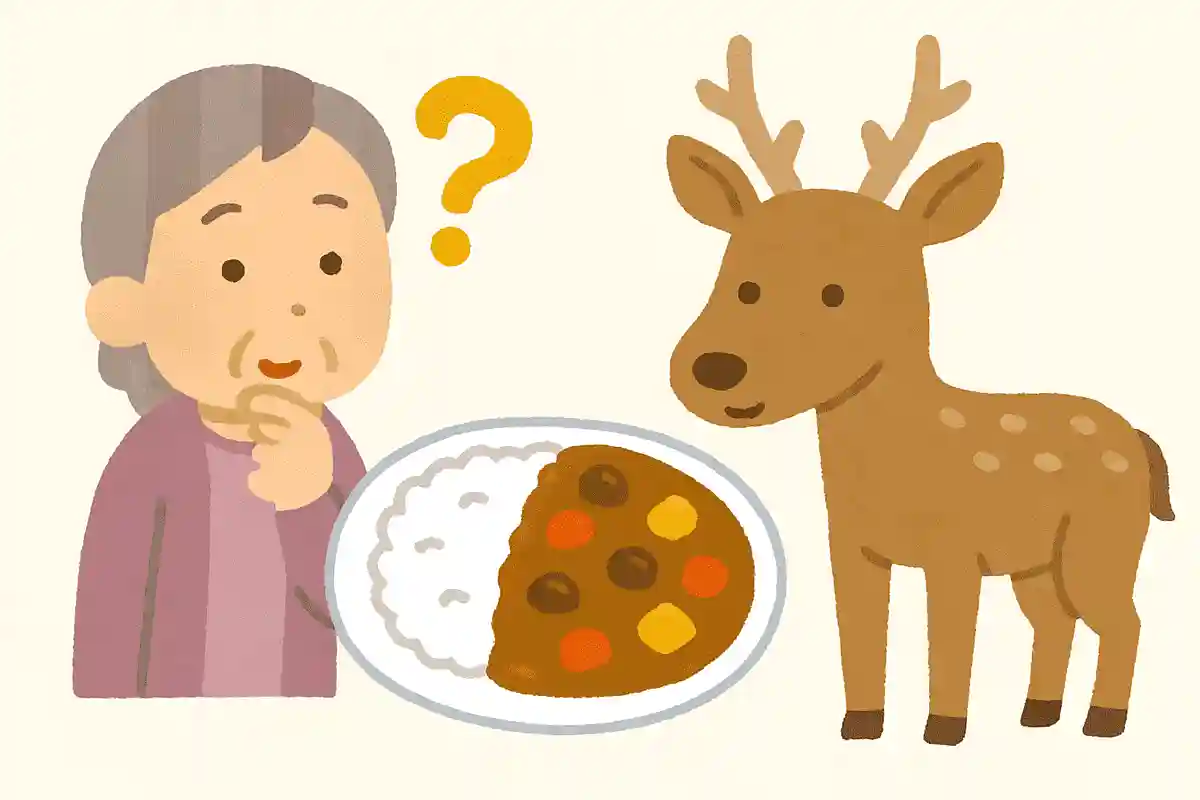
Speaking of curry, beef, chicken, and pork are the major choices, but what exactly are the other kinds of meat? Here are some hints: it’s something that would be unthinkable nowadays—some people might feel disgusted when they hear the answer; it’s a creature whose calls you often hear during the rainy season; and it looks completely different as a child than it does as an adult.
The answer is: frog! In fact, from a global perspective, frogs are eaten in many regions as food, and their taste is said to be similar to chicken.

Among the many foods, there is only one that does not spoil. What is it?
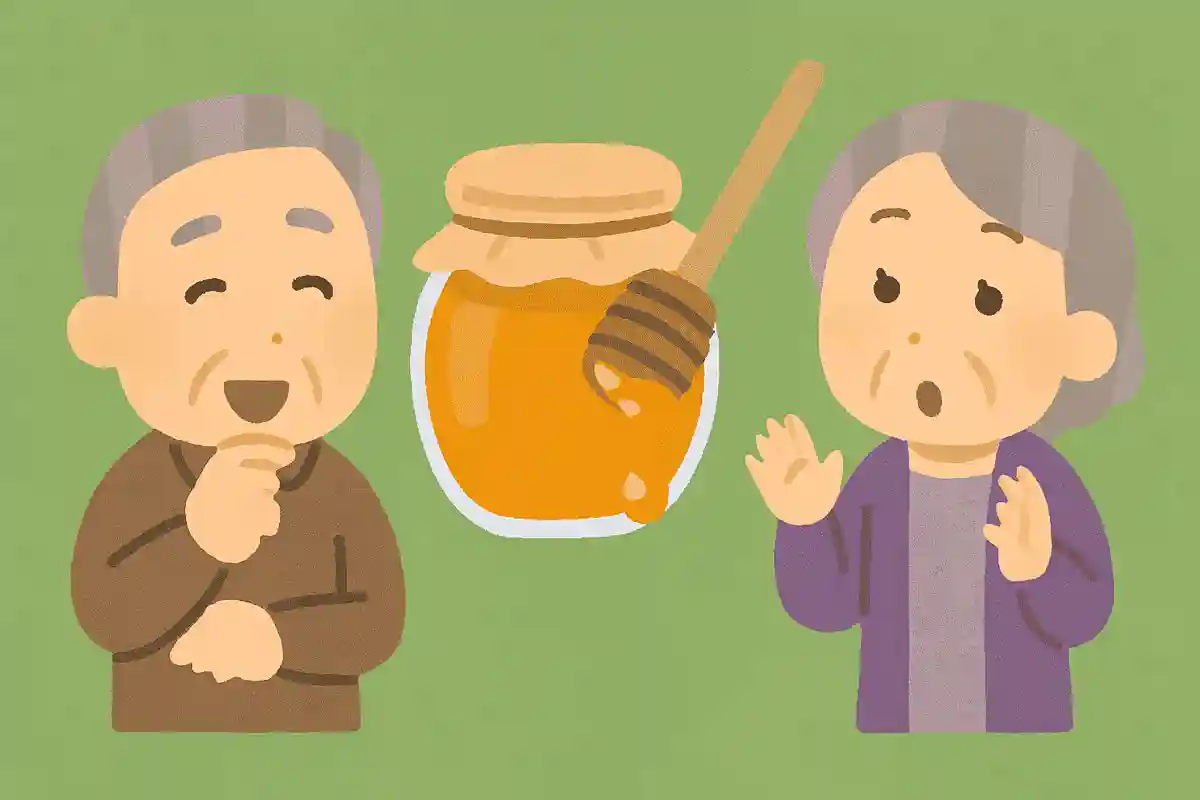
Speaking of food, we often worry about best-before and use-by dates.
But if a food doesn’t spoil, there’s no need to throw it away, which is very eco-friendly.
What do you think this wonderful food is? Here’s a hint: you eat it drizzled over things like bread, pancakes, and yogurt.
It’s diligently gathered by a certain insect, and it’s very sweet.
The answer is—honey! Honey is said not to spoil because it’s high in sugar and low in water content, conditions in which bacteria can’t survive.
What vegetable was once grown for ornamental purposes because it was considered ‘poisonous’?
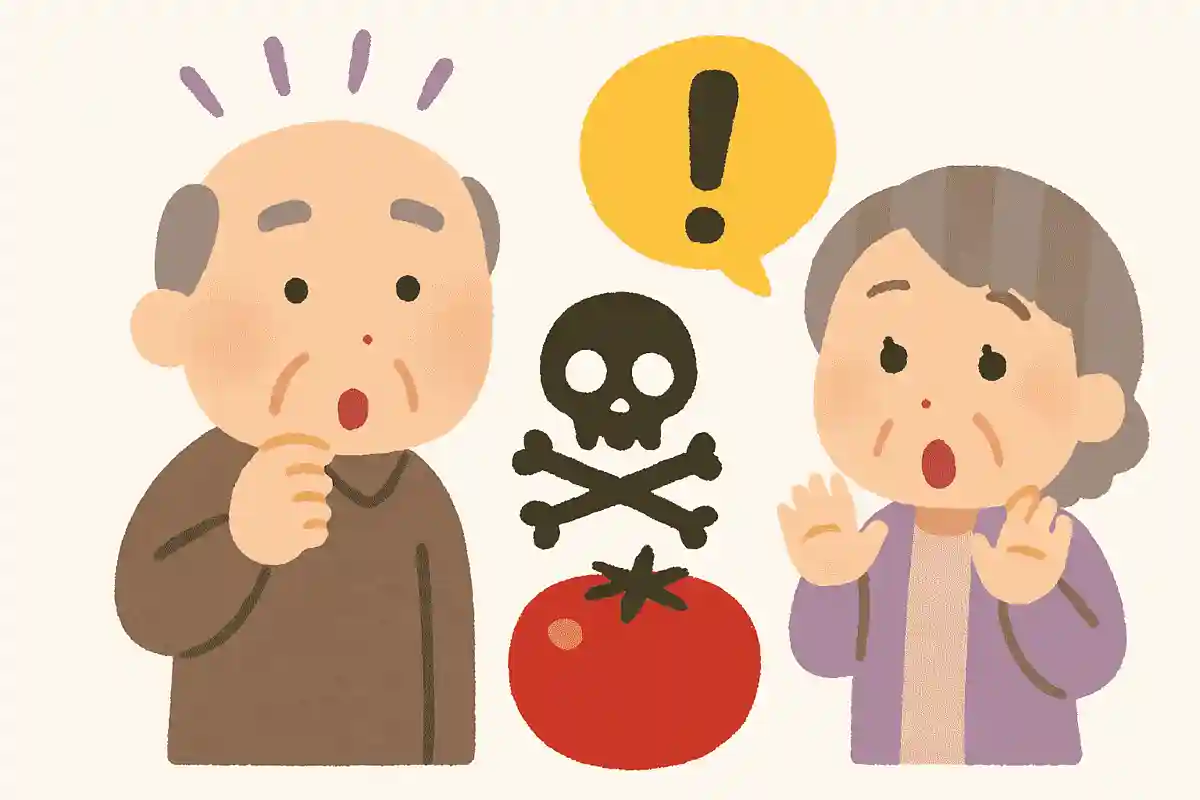
This answer would surprise even older folks! Nowadays, it’s an extremely common food that just about everyone, young and old, has eaten at least once.
Hints include that it’s a vegetable, it can be sweet or sour, and it contains lycopene, which helps improve lifestyle-related health issues and is great for beauty.
The answer is—tomatoes! The issue stemmed from toxins contained in tomatoes, but thanks to selective breeding, those toxic components have been greatly reduced today.
Still, the non-fruit parts like the stems and leaves are dangerous, so please be careful.
What foods become more nutritious when frozen?
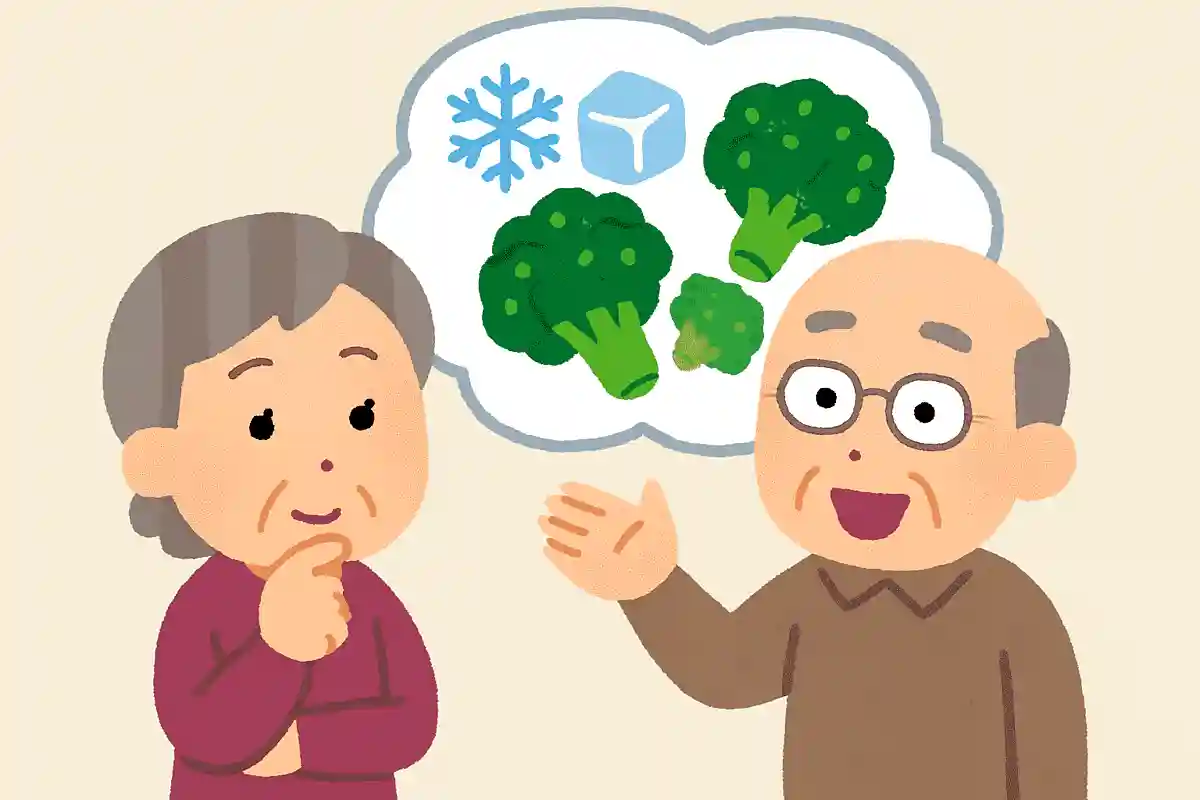
A topic about the nutritional value of ingredients! Here’s a fun fact: Which foods actually become more nutritious when frozen? Just by freezing them, their nutritional value increases compared to when they’re fresh… It sounds almost too good to be true, right? Those familiar with cooking and household chores might already have an idea.
The answer is komatsuna (Japanese mustard spinach).
It’s also said that mushrooms, shijimi clams, and carrots see an increase in nutritional value when frozen.
It’s a handy piece of trivia for everyday life—something you’ll want to share with people around you.