

[For Seniors] Fun Food Trivia Quizzes You'll Want to Share


When chatting with older adults, food often comes up as a topic, doesn’t it? Food is one of the subjects that both seniors and staff find easy to talk about.
So this time, we’d like to introduce some trivia quizzes about food.
Food-related topics that naturally expand conversations with seniors can also be used to facilitate communication.
You can use them as everyday conversation starters or as material for recreational activities.
Enjoy these food trivia quizzes we’ve gathered for you.
- A Food Quiz for Seniors to Make Eating More Enjoyable
- [For Seniors] Fun and Informative! Health Trivia Quiz
- [For Seniors] How many can you read? A comprehensive showcase of difficult food kanji
- [For Seniors] Introducing Trivia Quizzes and Fun Facts About December
- [For Seniors] Trivia Multiple-Choice Quiz
- [Brain Training] Lively Word Quiz for Seniors
- [For Seniors] Laugh-Out-Loud, Crowd-Pleasing! Fun Quiz
- [For Seniors] Fun and Lively! Recommended Quiz Questions
- [For Seniors] Brain Training! Recall Quiz Collection!
- [For Seniors] Recommended Trivia Quizzes & Fun Facts for November
- [For Seniors] Lively two-choice trivia quiz. Handy to know and tidbits you'll want to share with others
- [For Seniors] Boost Your Knowledge! Fun Trivia Quiz
- [For Seniors] Sports Trivia Quiz & Fun Facts. Easy and Entertaining
[For Seniors] Fun Food Trivia Quiz Collection You’ll Want to Share (41–50)
Which vegetable is not commonly eaten abroad because it is associated with the image of a tree root?
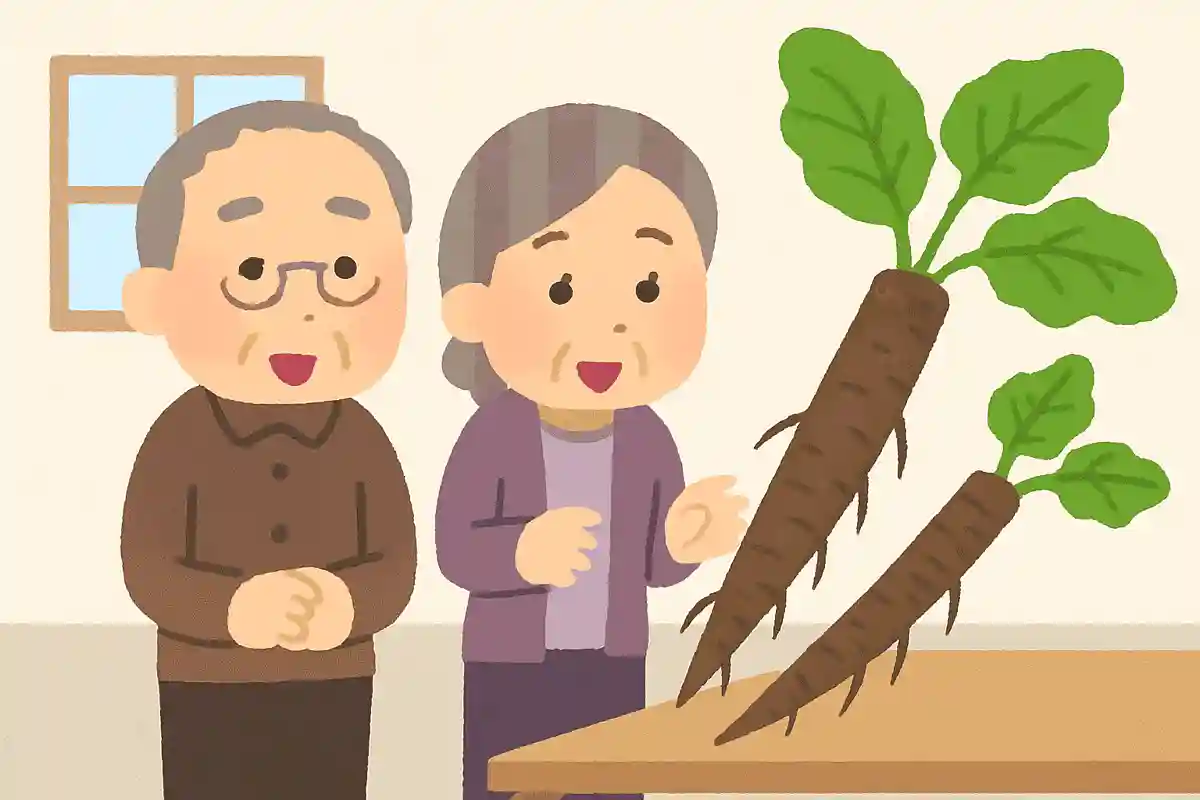
There are many foods that are only eaten in Japan or not particularly liked elsewhere, but what vegetable could “tree roots” be referring to? In Japan, it’s a common ingredient and is often used in cooking.
The phrase “tree roots” reflects the vegetable’s appearance, so that might help you figure it out.
The answer is burdock root (gobo)! Many people overseas find its distinctive smell and astringency off-putting, but gobo is rich in dietary fiber and is very good for your health.

Which has higher nutritional value, fresh daikon or dried daikon (kiriboshi daikon)?
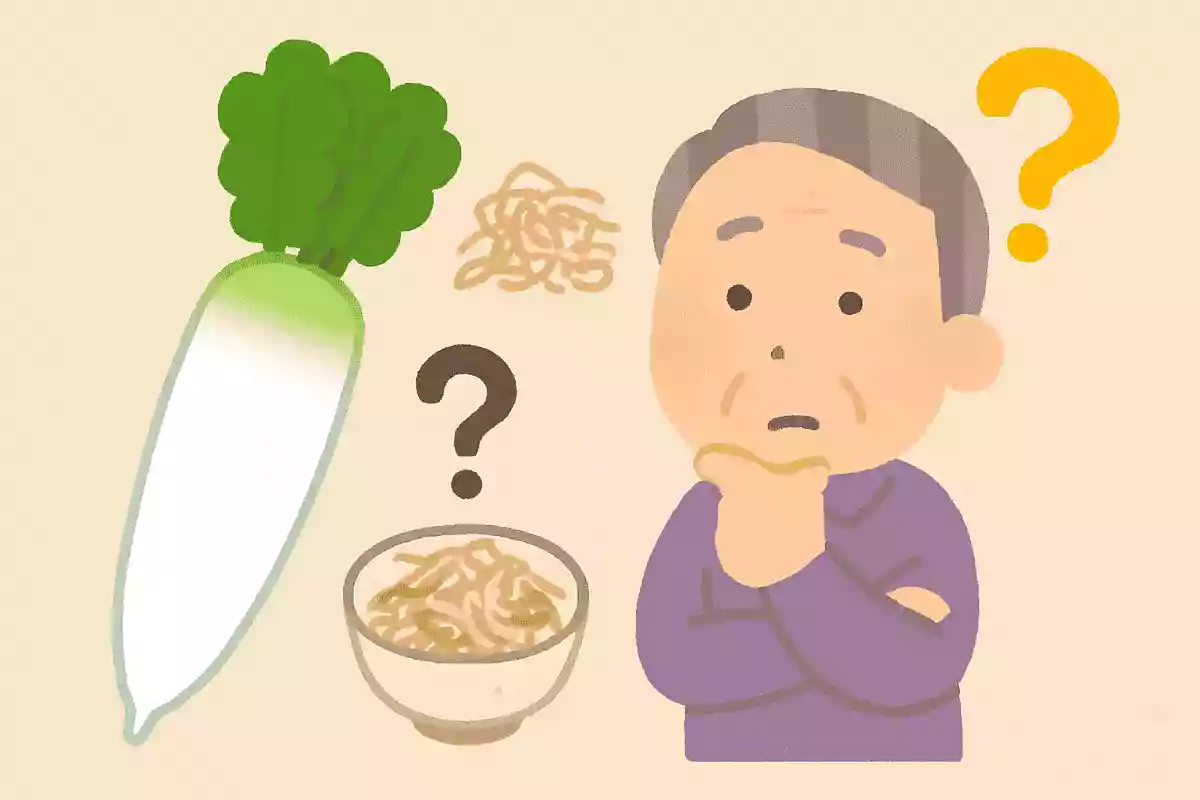
Kiriboshi daikon may seem like a simple processed food—basically just dried daikon—but the ways you use it in cooking are quite different from fresh daikon, right? So which one is more nutritious: kiriboshi daikon or fresh daikon? The key point is that it’s dried.
If you think about how the drying process changes its state, you might arrive at the answer.
The answer is “kiriboshi daikon.” By drying it, the water is removed and the nutrients become concentrated, so even the same amount ends up being more nutritious.
Knowing that drying also increases umami might make you even more eager to try using it.

What foods are expected to be effective for cancerous eye strain?
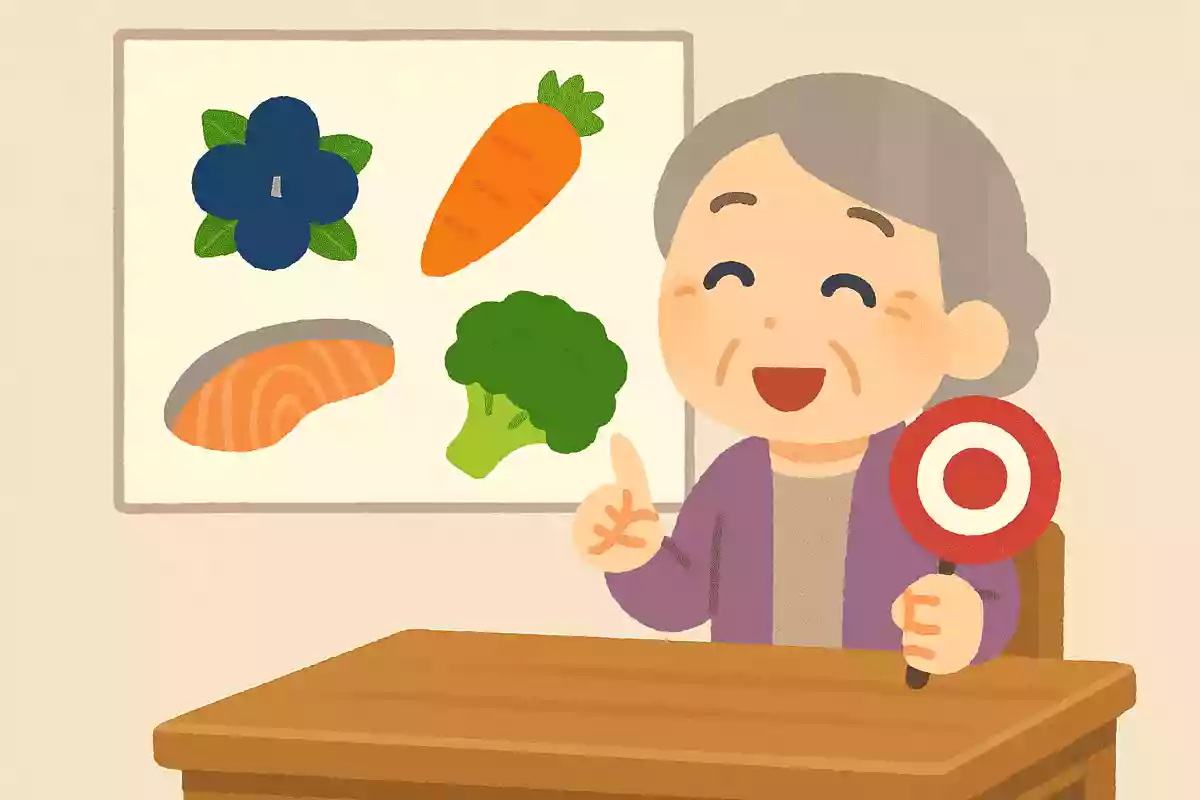
Blueberries are a food that may help relieve eye strain.
Eye strain occurs when the muscles around the eyes become tense.
Blueberries are rich in a pigment called anthocyanin, which supports eye movement.
The eyes contain a pigment called rhodopsin that is necessary for capturing light; when the eyes are overused, the resynthesis of rhodopsin can’t keep up, leading to eye fatigue.
The anthocyanins in blueberries help promote the resynthesis of rhodopsin and can alleviate eye fatigue.

For maintaining good health, how many grams or more of vegetables is it desirable to consume per day?

Although vegetables are strongly associated with being healthy, it can be hard to know how much you should actually eat if you’re just going about your day.
Let’s find out how much vegetable intake is recommended per day and use that to plan healthier daily meals.
First, think about how many vegetables you’re eating in your regular meals, then check the required amount.
By comparing whether you’re eating too much or too little, you’ll get a concrete picture of what you need—highly recommended.
The answer is “350 grams per day,” but that doesn’t mean anything goes as long as you hit that number.
In addition to how you reach that amount, be mindful of nutritional balance as well.
Natto is said to have a blood-thinning effect. What time of day is best to eat it to achieve a greater effect?

Natto is one of the foods that embody Japanese tradition and is strongly associated with being healthy.
In fact, natto is good for your health and contains components that help thin the blood.
Did you know there’s a recommended time of day to eat it to draw out its health benefits even more? Considering the times when blood vessels are said to be more prone to clogging, you can figure out the timing that may help prevent that.
The answer is “at night.” Blood vessels are considered more likely to clog while you sleep, so the idea is that consuming the beneficial components about four hours before bedtime is best to help prevent it.
Ice cream was originally served as a kind of medicine. What was the medicine for?

On hot summer days, you really feel like eating ice cream, don’t you? Many people think of ice cream as a dessert, but it actually wasn’t originally one.
In ancient Greece and Rome, it was reportedly eaten by soldiers for recovery from fatigue and as a health food.
Back then, people would pour honey or fruit syrups over natural ice or snow and eat it.
It seems that ice cream began to be eaten as a dessert like it is today around the 16th to 17th centuries, and it is said to have been introduced to Japan from the late Edo to the Meiji period.

Which country is the origin of Hiyashi Chuka?
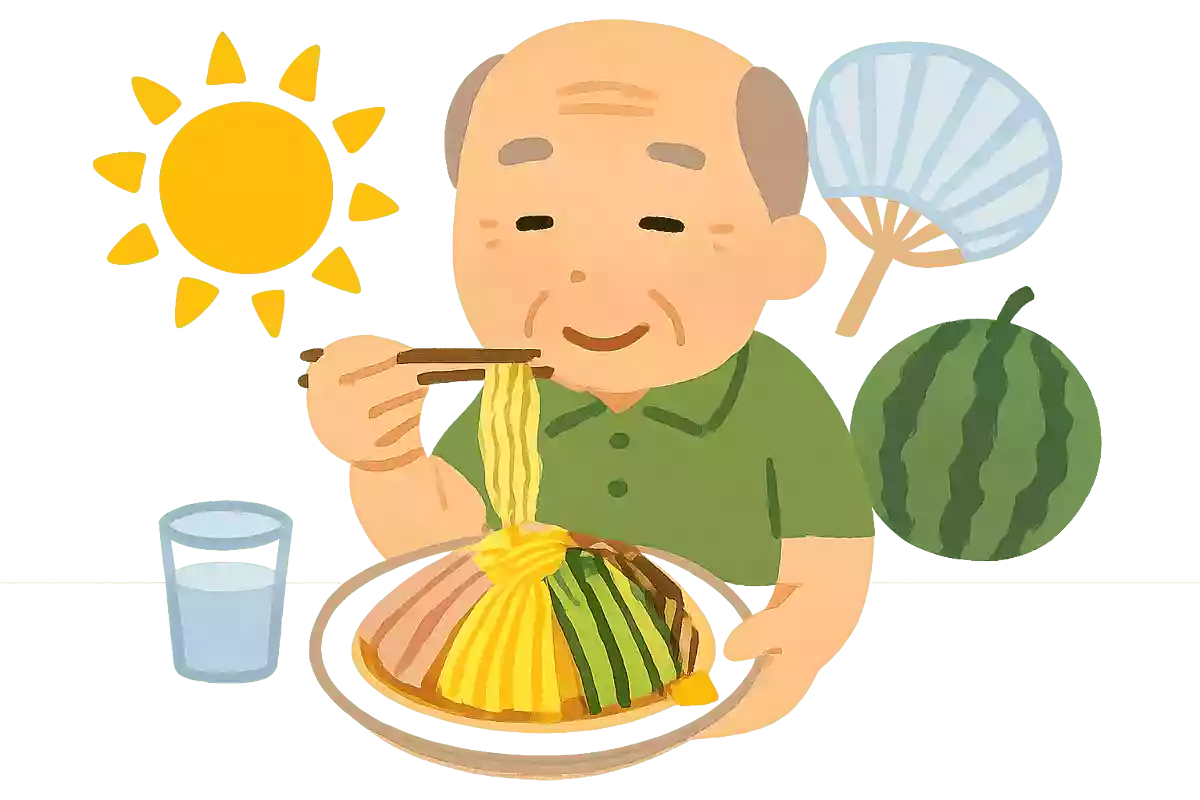
Hiyashi chuka is a refreshing cold noodle dish that’s perfect for hot weather.
It’s a well-known menu item devised to help beat the heat.
So, where did this popular cold noodle dish originate? The answer is… Japan.
The name might make many people think it’s Chinese, but the truth may come as a surprise.
Remembering this when you eat hiyashi chuka might make the flavors of summer feel just a little more special.
