

[For Seniors] Fun Food Trivia Quizzes You'll Want to Share


When chatting with older adults, food often comes up as a topic, doesn’t it? Food is one of the subjects that both seniors and staff find easy to talk about.
So this time, we’d like to introduce some trivia quizzes about food.
Food-related topics that naturally expand conversations with seniors can also be used to facilitate communication.
You can use them as everyday conversation starters or as material for recreational activities.
Enjoy these food trivia quizzes we’ve gathered for you.
- A Food Quiz for Seniors to Make Eating More Enjoyable
- [For Seniors] Fun and Informative! Health Trivia Quiz
- [For Seniors] How many can you read? A comprehensive showcase of difficult food kanji
- [For Seniors] Introducing Trivia Quizzes and Fun Facts About December
- [For Seniors] Trivia Multiple-Choice Quiz
- [Brain Training] Lively Word Quiz for Seniors
- [For Seniors] Laugh-Out-Loud, Crowd-Pleasing! Fun Quiz
- [For Seniors] Fun and Lively! Recommended Quiz Questions
- [For Seniors] Brain Training! Recall Quiz Collection!
- [For Seniors] Recommended Trivia Quizzes & Fun Facts for November
- [For Seniors] Lively two-choice trivia quiz. Handy to know and tidbits you'll want to share with others
- [For Seniors] Boost Your Knowledge! Fun Trivia Quiz
- [For Seniors] Sports Trivia Quiz & Fun Facts. Easy and Entertaining
[For Seniors] Fun Food Trivia Quizzes You’ll Want to Share (11–20)
What kind of fish is in a can of tuna?
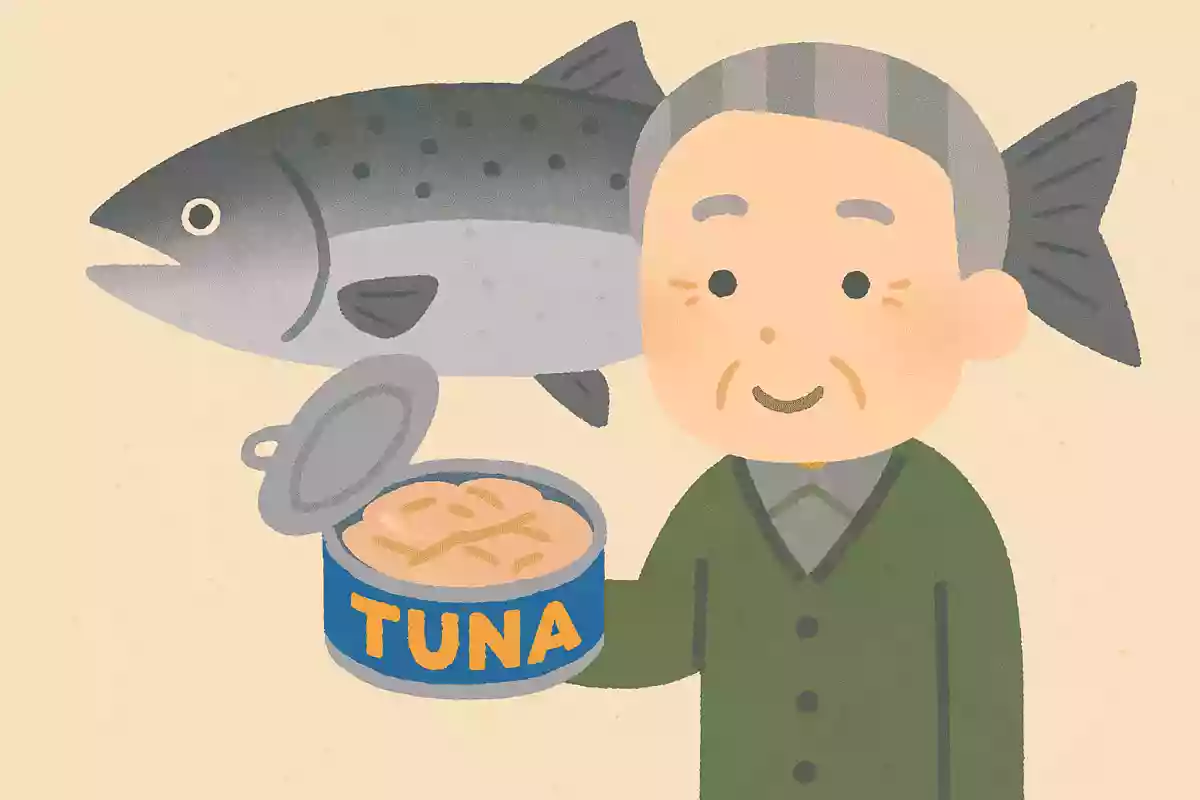
The fish in canned tuna are tuna and bonito.
Canned tuna comes in varieties such as oil-packed and water-packed, and it’s also classified by the shape of the meat.
Flakes are finely shredded pieces that can be used in a variety of dishes like salads, dressed sides, and sandwiches.
Chunks are more coarsely broken pieces that offer a firmer texture than flakes and are great as fillings for sandwiches or rice balls.
By using different types of canned tuna appropriately, you can expand your repertoire and enjoy delicious meals.
Have fun cooking easily with canned tuna!

What do you call the black spots that appear on a banana peel?

The black spots that form on banana peels are called sugar spots.
Sugar spots are a sign that a banana has ripened and become delicious.
When the sugar spots spread all over and the peel becomes slightly soft, it’s said to be the ideal time to eat the banana as is.
You can also peel it, wrap it, and freeze it to enjoy in smoothies, cooking, or as a refreshingly cold banana ice treat.
Give it a try! Knowing the tips for when bananas are at their tastiest will help you enjoy even more delicious bananas.
What is the reason melons develop their net-like patterns?

It’s said that the net-like pattern on melons forms to prevent the skin from cracking.
After pollination, melon fruits grow extremely rapidly from the early to middle stages.
As the flesh expands quickly, cracks appear in the skin, which cannot stretch enough.
This is the beginning of the net pattern.
The cracks do not form all at once; as the fruit continues to enlarge, new cracks appear one after another, and the repeated process of these cracks healing creates the intricate net-like pattern.
What is the largest mandarin orange in the world?
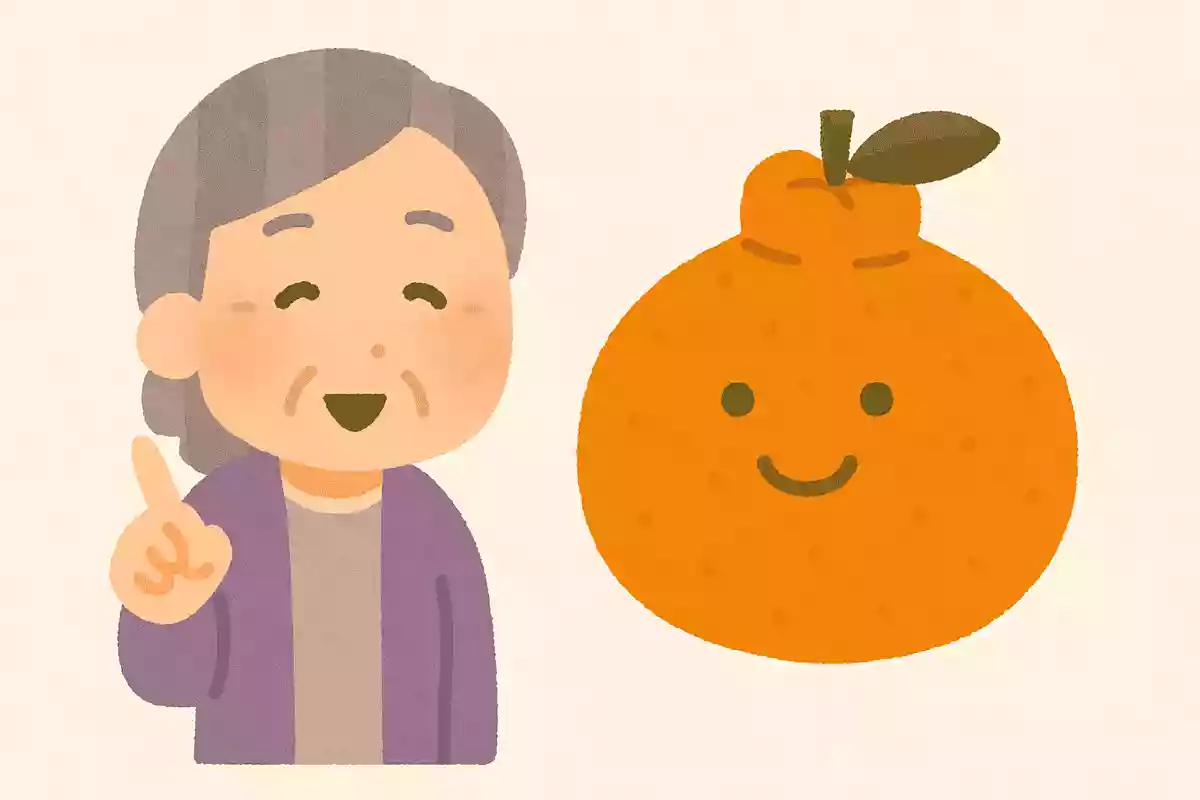
The largest mandarin orange in the world is called Banpeiyu, and it’s registered in the Guinness World Records.
Some fruit reach a diameter of 20–25 cm and weigh an average of 1.5–2.5 kg, making them exceptionally large.
With high sugar content and plenty of juice, they’re also delicious when made into jelly or gelato.
You can enjoy Banpeiyu for its impressive size, aroma, and flavor.
Its peak season is said to be from late December to around March, with the best time to eat it being late January to February.
Which fruit has the highest production volume in the world?

It might be your favorite fruit! Here’s a trivia quiz: Which fruit has the highest harvest volume in the world? Among various fruits, the one with the largest harvest is grapes! This may come as a surprise to many, but grapes are used widely around the world—for wine, juice, raisins, and more.
There are also more varieties you can eat with the skin, and they’re loved by both children and adults.
Not needing to peel them and being able to eat them with one hand is another appealing point.
Which part of a daikon radish is spicier, the top or the bottom?
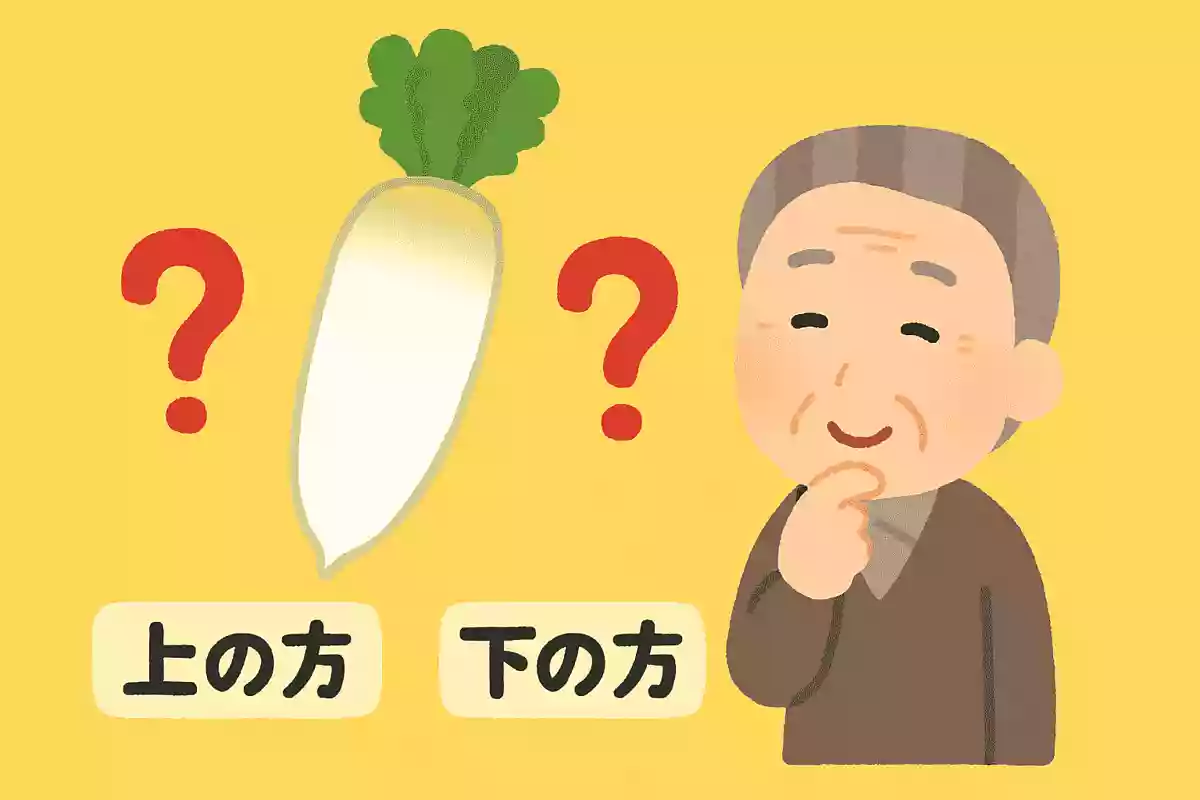
It’s said that daikon radishes are sweeter at the top and spicier toward the bottom.
The upper part is sweeter and juicier, making it ideal for salads and raw preparations.
The lower part is spicier, more fibrous, and firmer, so it’s great for grated daikon or pickles like takuan.
The middle section has a moderate tenderness and can be used in a wide range of dishes such as simmered or stir-fried recipes.
Learn how to use each part of the daikon to make delicious dishes.
By understanding the characteristics of each section, you can add an extra touch to elevate your cooking.
[For Seniors] Fun Food Trivia Quiz Collection You’ll Want to Share (21–30)
What was the original purpose of kombu-jime?
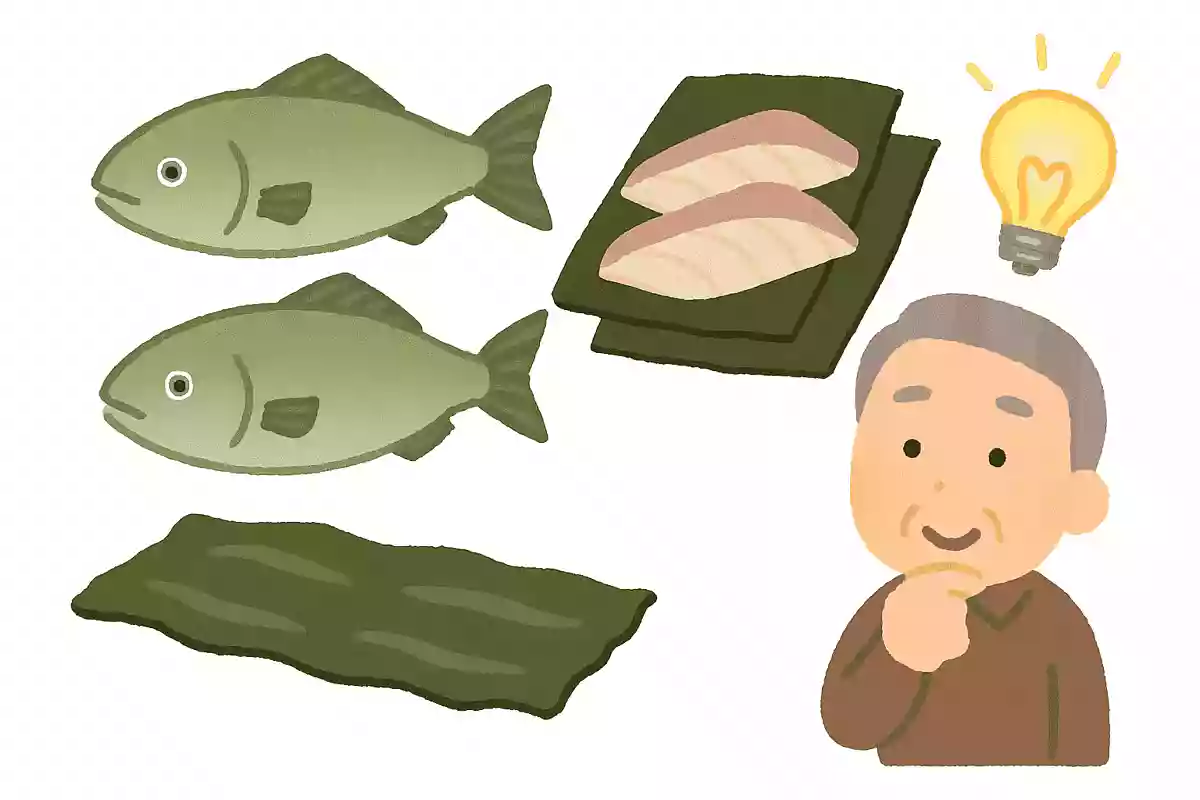
Knowing the origins can change how you see a dish! Here’s a trivia quiz: What was the original purpose of kombu-jime (curing with kelp)? The correct answer is “to make it last longer.” In the days before refrigerators, our predecessors found ways to extend the shelf life of fish and meat by drawing out excess moisture.
Most households now have refrigerators, but this method is still loved today.
Even the dishes we take for granted reflect the ingenuity of those who came before us, inspiring a renewed sense of gratitude.