

[Brain Training for Seniors] Recommended Hand-Play Recreation for Dementia Prevention

Fingerplay recreation that also helps prevent dementia.
Because it can be done while seated, it’s easy for older adults who have difficulty standing or walking to participate, and it’s offered in many senior care facilities.
That said, it’s tough for staff to plan activities by choosing from the many different fingerplay options, isn’t it?
So this time, we’re introducing recommended fingerplay recreation activities that can also help prevent dementia.
We’ve gathered a wide variety—from simple fingertip exercises to activities that involve moving the hands while singing, which can also help strengthen the muscles used for speech.
The fingertips are so rich in nerves that they’re often called the “second brain.”
Let’s have fun together while moving our fingertips and hands a lot to activate the brain!
- [For Seniors] Hand and finger play roundup: Finger exercises that lead to brain training
- [For Seniors] Easy and fun seated activities you can do in your room
- For Seniors: Fun and Lively Exercise Recreation
- Hand games that liven things up for seniors—also great brain training
- [For Seniors] Extremely Effective Brain Training! A Fun Collection of Hand Games
- [For Seniors] Fun and Engaging Brain-Training Recreation
- [For Seniors] Popular Hand-Play Songs: Fun Brain-Training Ideas
- Cognicise you can do while seated. Simple dementia prevention.
- [For Seniors] Enjoy safely even during the COVID-19 pandemic: Seated activities
- [For Seniors] Brain Training Recommended for Dementia Prevention
- [For Seniors] Recommended Even for People with Dementia! Simple Recreational Activities
- Simple games for preventing and improving dementia
- [For Seniors] Liven Things Up With Different Left-Right Movements! Game and Exercise Ideas
[Brain Training for Seniors] Recommended for Dementia Prevention! Hand Play Recreation (111–120)
Foot rock-paper-scissors clapping exercise

This is a game where you make the rock-paper-scissors shapes with your feet in sequence, and make the order more complex by inserting hand claps.
By switching the order of the shapes and where you add the claps, you can turn it into brain training.
Repeat the same movements for a while, then change the order once you’re used to it so you can focus clearly on the sequence.
If movement alone is confusing, saying the steps out loud as you go is an easy-to-follow option I recommend.

[Brain Training for Seniors] Recommended for Dementia Prevention! Hand-Play Recreation (121–130)
Hand exercises that also help prevent falls

Extend one arm forward with the hand open, and place the other hand on your chest and make a fist.
While singing, switch this shape from one side to the other.
If you do this exercise standing, a key point is that it also draws your attention to posture.
It’s important to keep singing as you go; handling two tasks at once helps activate the brain.
If you switch the arm position and hand shape to the opposite in the middle, your attention instantly shifts to your hand shape, which also trains your decision-making.
By staying mindful of your posture and moving your body firmly, you can expect not only brain-training benefits but also muscle-strengthening effects such as fall prevention.
cat’s cradle
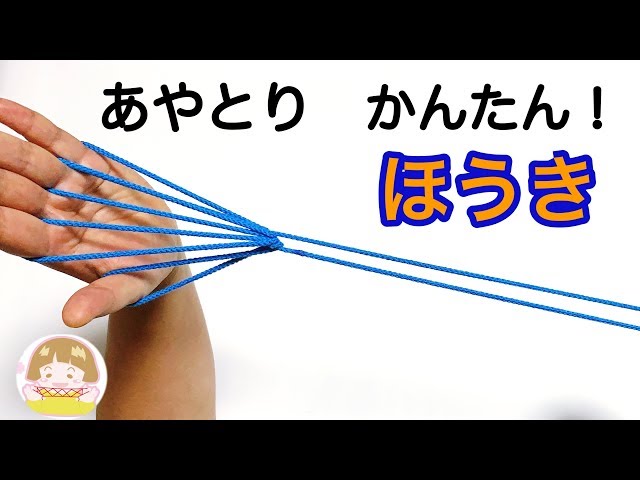
Ayatori is a game where you use a looped string to create various shapes like a broom or a bridge.
Some of you may remember playing it as children.
Ayatori not only stimulates the brain through fine motor movements, but also activates it by evoking nostalgic memories, which can help improve memory.
Simple figures include the broom and the rubber band.
To make the broom, you alternately pick up the string looped over your left and right hands; on one side, add a twist when you pick it up to form the shape.
There are also versions of ayatori that you can play with two or more people, so give them a try!

the temple’s head monk

“Otera no Oshō-san” is also well known as a children’s song sung during rock-paper-scissors play.
It’s said that various lyrics have been given to it depending on the region and era.
Many older adults likely played this hand-game song when they were young.
It may bring back nostalgic childhood memories for some! This hand-play song is done in pairs: you hold hands and play rock-paper-scissors as well.
Because it involves many finger and hand movements, it provides good stimulation for the brain.
Be sure to enjoy it while communicating with each other.

butterfly

Here’s an easy “butterfly” craft you can prepare quickly with just a few simple steps.
First, prepare three sheets of origami paper: two for the wings and one for the body.
On the two sheets for the wings, draw lines freely with colored pencils.
This will make the finished piece much more vibrant.
After drawing the lines, fold the origami paper into an accordion, then fold it into a V shape.
Next, cut the remaining sheet into the shape of a butterfly’s body.
Attach the wings to the body symmetrically, and you’re done.
If you make butterflies in various colors and display them, they can become a fantastical wall decoration.
Because this craft uses fine motor skills, it also provides good stimulation for the brain and is recommended as a recreational activity in senior facilities.

hometown

Let’s use the song “Furusato,” which sings of reminiscing about the nostalgic sights of one’s hometown, to do a hand-play activity! First, think of movements that match the lyrics of “Furusato.” For example, when words like “ni” or “shi” appear, try making those numbers with your fingers; when animals appear, imitate the animals.
Just like choreographing a dance—“Would this movement work here?”—work together with the older adults to decide on the motions first.
Once you’re ready, put it into practice! Don’t play the music; sing while performing each movement slowly, one by one.
Since it requires a lot of thinking, it’s perfect for dementia prevention.
Brain-training exercises with nursery rhymes

When it comes to brain-training exercises set to children’s folk songs, they’re a wonderful way to activate the brain while having fun.
Moving the body to the familiar melodies of nostalgic songs can stimulate cognitive function in older adults.
Coordinating hand and foot movements while memorizing lyrics provides excellent stimulation for the brain.
Plus, singing and exercising together creates opportunities for communication.
Folk songs have the power to evoke memories, so lively conversations about happy times may blossom.
How about spending time with older adults enjoying these activities together, uplifting both mind and body?