


Some older adults may find it difficult to exercise outdoors.
For some, going out is challenging, and weather-related reasons like heat or cold can also be factors.
When physical activity decreases, fitness declines, which can lead to falls or increased susceptibility to illness.
With that in mind, here are recommended exercises for seniors that can be done indoors.
We’ve gathered seated exercises that are easy for anyone to participate in, as well as simple routines you can start right away.
Exercising can help increase muscle strength and bone density, and it’s also said to help relieve stress.
We want older adults to continue enjoying their hobbies and favorite activities and to live vibrantly.
Please make use of indoor exercises to help address lack of physical activity.
- [For Seniors] Refresh Your Mood! Lively, Get-Moving Games
- [For Seniors] Simple Recreational Activities You Can Enjoy While Seated
- [For Seniors] A Collection of Simple Exercise Programs Suitable for Beginners
- [Seated] Fun Health Exercises for Older Adults and Seniors
- [For Seniors] Recreational activities and games that let you have fun while strengthening your legs
- [For Seniors] Balance-Training Exercises: Preventing Falls
- For seniors: Leg-strengthening exercises you can do without overexertion.
- For Seniors: Fun and Lively Exercise Recreation
- Energetic and Lively! Sing-and-Exercise Program for Seniors
- [For Seniors] Let's Enjoy Exercising with a Towel!
- [For Seniors] Build a Healthy Body Indoors! Recommended Exercise Equipment
- [For Seniors] Enjoyable While Seated! Ball Exercises and Recreation
- [For Seniors] Exercises to Walk Again. Fall Prevention
[For Seniors] Recommended Indoor Exercises (1–10)
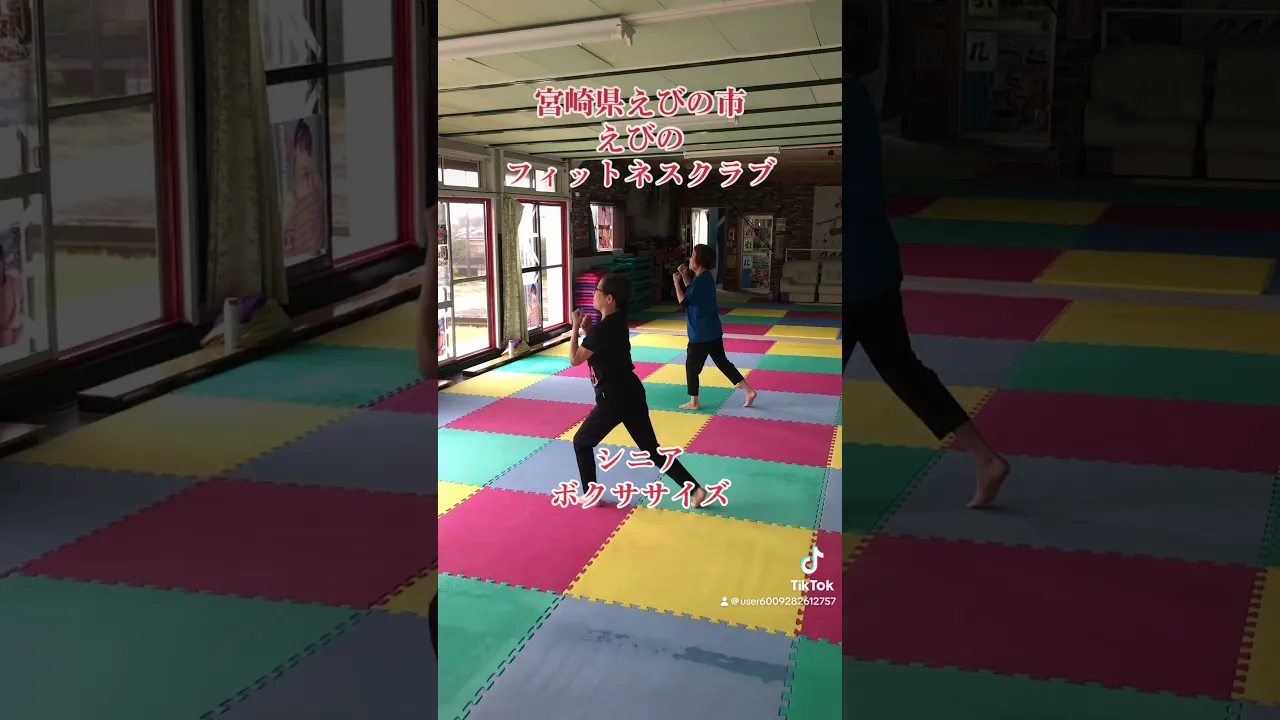
BoxerciseNEW!

Boxercise for seniors is a safe workout you can enjoy even while seated.
Even if walking is difficult or going outside is hard, you can still get your body moving well in your room.
Basically, you repeat punching movements.
Since simply repeating them can get boring, it’s good to do it while listening to your favorite music or by changing up the rhythm.
If you do it standing, be careful to avoid falling.
Punching also offers brain-training benefits!

Towel exercises that strengthen your back
@user8673152313321 [For Seniors] Towel Exercises to Strengthen the Back Muscles
♬ original sound – user8673152313321 – user8673152313321
How about training your back using things you have at home? For this exercise, you’ll use a towel.
Sit on a chair, hold both ends of the towel, and spread it in front of your chest.
Then, lean your upper body forward and move your arms from bottom to top.
This movement effectively works your back muscles.
However, since it engages the entire upper body, please don’t overexert yourself if you have back pain or chronic lower back issues.
This training also serves as aerobic exercise, so it’s recommended for those who want to work out indoors.
Ball hip rotation exercise

As we age, muscle mass decreases, making us more prone to chronic stiff shoulders.
It’s also said that shoulder stiffness can put strain on the lower back and lead to back pain.
So let’s loosen the shoulders and arms with an exercise that circles a ball around the waist.
Releasing muscle tension can help improve shoulder stiffness.
While seated, hold a ball and pass it around your waist at about waist height for one full circle.
Do this five times in each direction, and once you’re used to it, widen your arms to make larger circles.
If you don’t have a ball, you can use a towel instead.

Cognicise to the music

This is “Cognicise,” performed to light, upbeat music.
Adding music makes it easier to move your body and vocalize while enjoying the rhythm.
It’s best to go at the pace of older adults, but this is especially recommended for those who feel the exercises are a bit difficult.
Once they can do the basic exercises, gradually add movements—such as more arm exercises and vocalization.
In fact, once something becomes “doable,” the brain may not be working as hard.
To stimulate the brain, keep increasing the difficulty as you go.
Full-body exercise with ball gymnastics

Here’s an idea that’s great even for those who aren’t very comfortable with calisthenics: a seated routine called “Full-Body Exercise with a Ball.” You don’t need any special equipment—an inexpensive soft ball from a 100-yen shop works just fine.
By pressing with both hands, circling the ball around your body, or moving it side to side, you can activate muscles that are hard to engage in everyday life.
Placing the ball between your thighs helps strengthen the adductor muscles and may also be effective for managing urinary leakage.
It doesn’t take much space and can be done quietly on your own, which is another plus.
It’s a perfect recreational activity for preventive care and everyday health maintenance.

Ball exercises: upper limbs

Here is a seated, upper-limb-focused ball exercise routine.
First, strengthen the muscles of the hands and fingers by firmly squeezing the ball with both hands, as well as by squeezing it using only your fingertips.
Next, while holding the ball, slowly twist your wrists to improve flexibility.
Squeezing the ball tucked against your side engages your core, and slowly rotating the ball with one hand can help increase shoulder range of motion.
These gentle, sustainable movements can enhance function from the fingertips to the shoulders.
Foot muscle training with a towel

An exercise to strengthen the muscles of the feet using a towel.
One appealing point is how easy it is—just prepare a towel.
Sit in a chair, spread the towel at your feet, and move it using your feet.
Focus on toe movements: pulling the towel toward you with your toes and folding the towel with your toes.
By paying attention not only to the overall muscles of the feet but also to the toes, you can improve the power of your walking.
If you’re not used to it, your toes may be hard to move at first, so take your time and get used to it slowly.
