

[For Seniors] Popular Brain Training and Recreational Quizzes

When it comes to brain-training recreation… quizzes! They’re easy to enjoy, which makes them one of the most popular activities.
This time, we’ve gathered brain-training games that seniors can enjoy.
They’re also recommended for those who feel their memory or confidence in numerical calculations has waned a bit lately.
Thinking with your head activates the brain and helps prevent dementia.
If you’re planning quiz-based recreation for a day service or senior facility, be sure to give it a try.
- [For Seniors] Brain Training! Recall Quiz Collection!
- [For Seniors] Lively Wordplay Game: Fun Recreation for Elderly Care
- [For Seniors] Brain Training Recommended for Dementia Prevention
- [For Seniors] Fun Brain Training! Prefecture Quiz
- [For Seniors] Boost Your Knowledge! Fun Trivia Quiz
- [For Seniors] Perfect Brain Training! Fun Trivia
- [Brain Training] Lively Word Quiz for Seniors
- [For Seniors] Find daily brain training. Today’s recommended brain workout.
- [For Seniors] Fun Riddles That Stimulate the Brain
- [For Seniors] Fun and Lively! Recommended Quiz Questions
- [For Seniors] Have Fun with Wordplay Characters! A Collection of Funny Puzzles
- Hand games that liven things up for seniors—also great brain training
- [For Seniors] Brain-training quizzes for January: Let’s have fun with New Year and winter trivia
[For Seniors] Popular Brain Training and Recreational Quizzes (111–120)
What kind of hospitals are there more of than convenience stores?

Convenience stores are everywhere and handy—you probably have one in your neighborhood.
That aside, did you know there’s a type of clinic said to outnumber even convenience stores? The answer is dental clinics.
Their numbers have been increasing year by year, now totaling over 69,000.
For reference, there are about 55,000 convenience stores, which means there are over 10,000 more dental clinics.
Whether that’s true or not, try comparing the number of dental clinics and convenience stores in your area.

Among stew, fried eggs, pan-fried dumplings, and steak, which one is the odd one out?
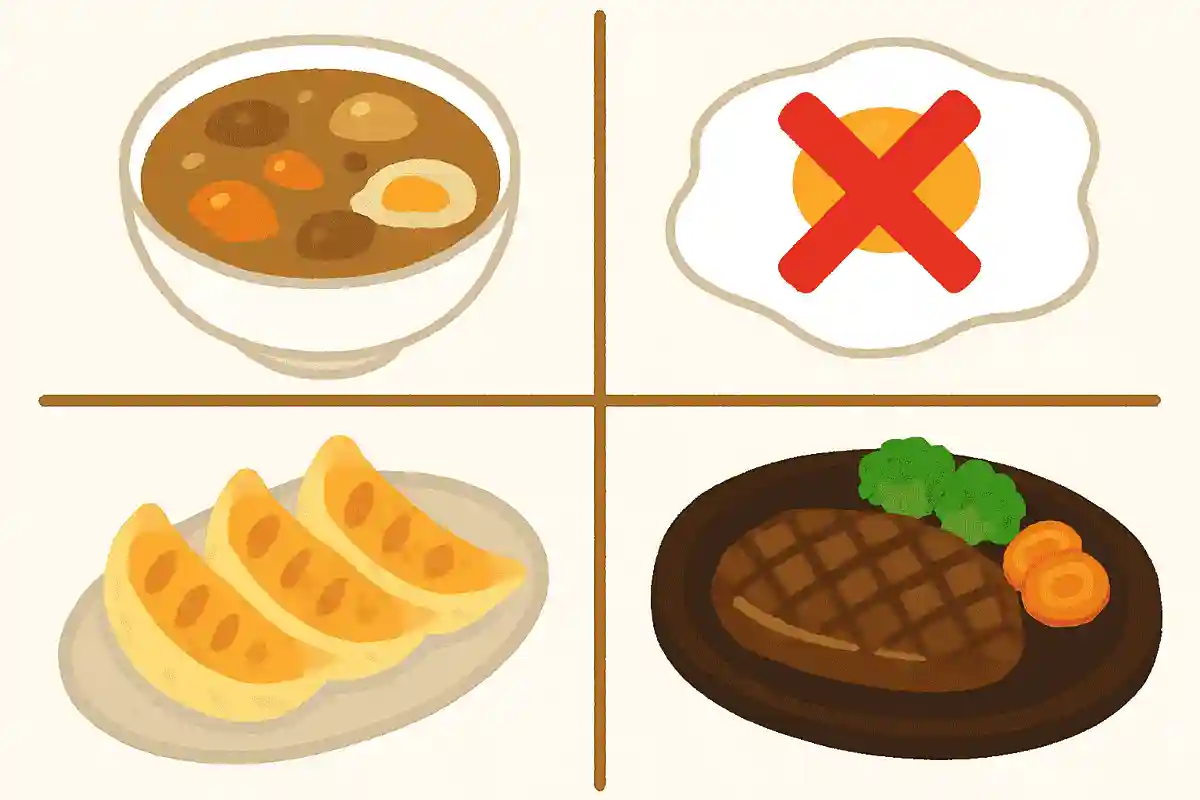
It’s all food, so at first glance it seems like there’s no odd one out! The answer to “Which is the odd one out among stew, fried eggs, pan-fried dumplings, and steak?” is stew, which is a simmered dish.
Whether you can answer might depend on how well you understand the cooking methods for each item on the table.
Some people might choose “fried eggs,” using the criterion of “contains meat,” since fried eggs don’t use meat! The fun of odd-one-out puzzles is that you can think from many different perspectives.

Scissors that have become dull can be revived by cutting something found in a household kitchen. What is that “something?”
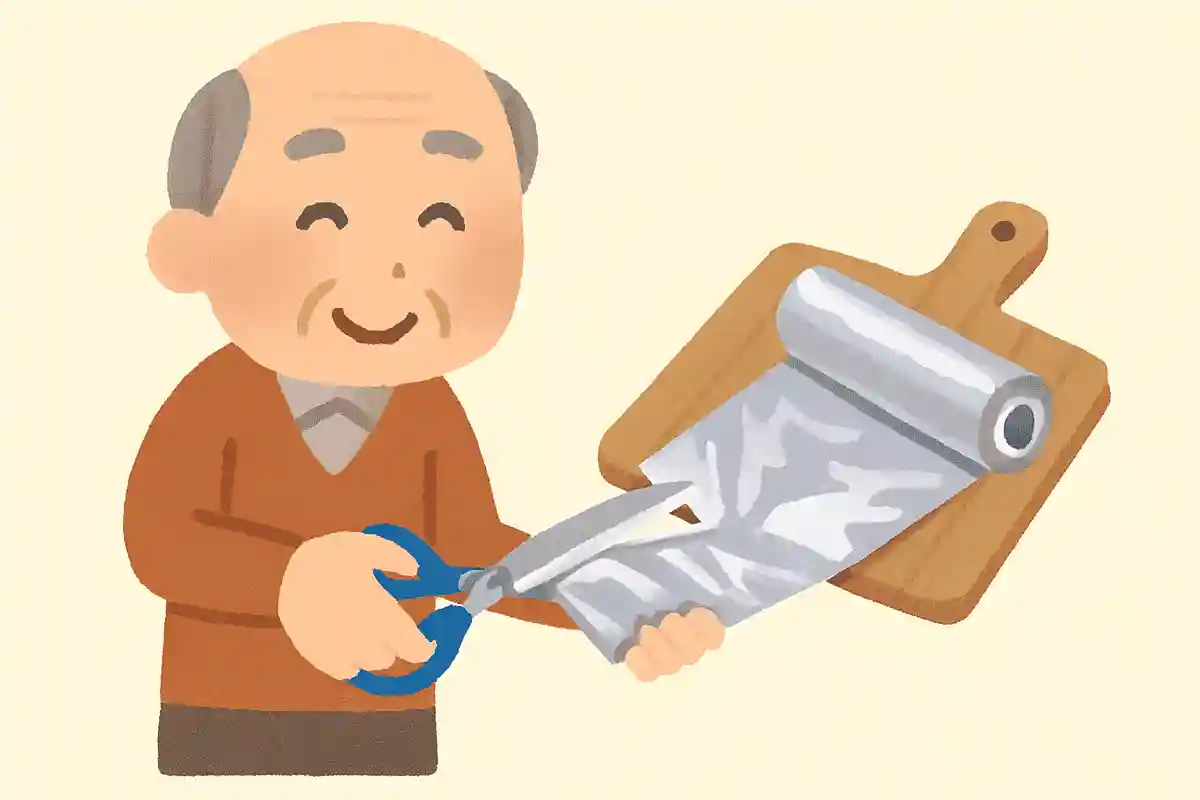
Scissors are stationery that everyone uses daily, but their sharpness inevitably dulls over time.
However, even dulled scissors can be easily revived just by cutting a common household item.
The hint is something from the kitchen: it’s made of metal, yet it can be cut with scissors—this should make it clear.
The answer is aluminum foil.
It’s said that a phenomenon occurs where the aluminum compensates for the worn parts of the scissors.
Since the effect is only temporary, it’s good to remember that properly sharpening them with tools is a more reliable solution.

There are four prefecture names that contain the names of animals. Which ones are they?

This is a simple quiz where you think of prefecture names that include animal names.
You probably know all of these places, so the key is how quickly the prefecture names come to mind.
If you go through them in order, you should be able to arrive at some of them, but if you get stuck, use each area as a hint.
The answers are Gunma, Tottori, Kumamoto, and Kagoshima.
It could be fun to reminisce about your memories of each place as well.
In prehistoric times, very few people got cavities. Why was that?
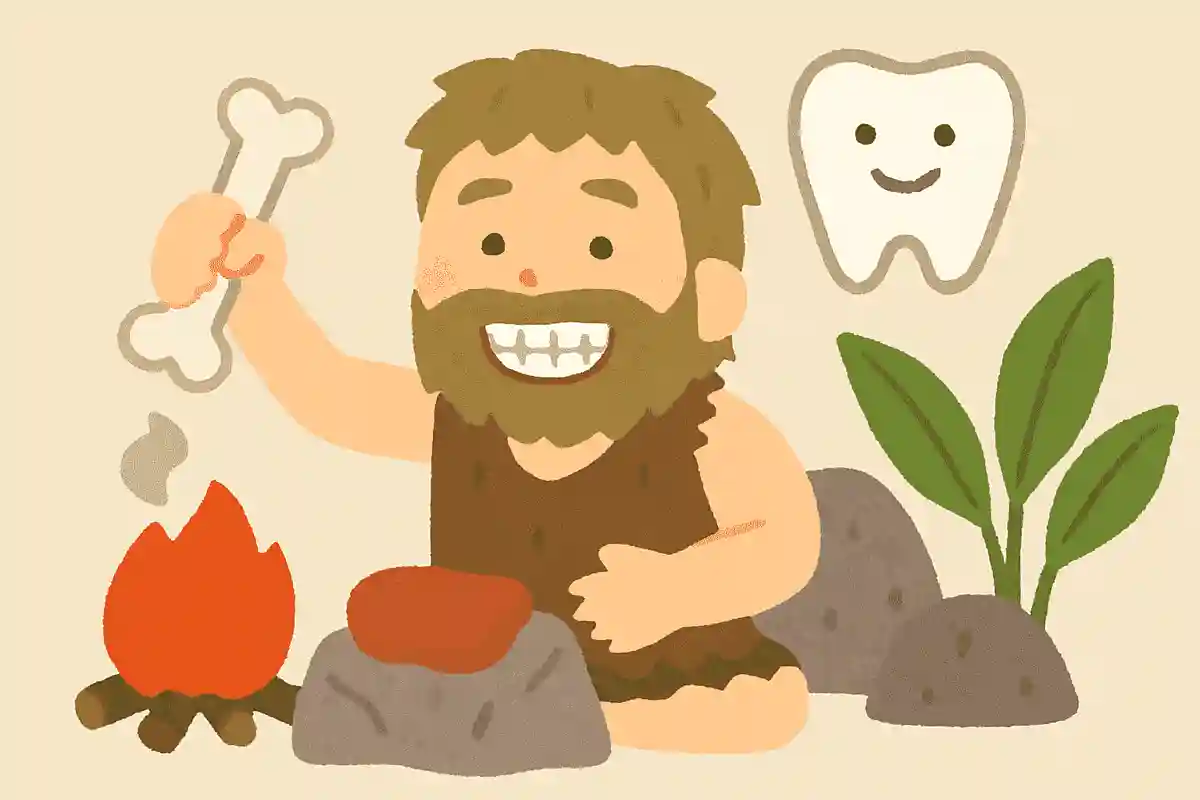
It’s surprising to think that our human ancestors, primitive people, didn’t have cavities, isn’t it? How could that be in a time without toothbrushes or toothpaste? The hint lies in the foods they ate back then.
The answer is that they only had hard foods.
Hard foods naturally increase the number of times you chew, which stimulates plenty of saliva, helping wash away bacteria and the like.
In contrast, in modern times, the increase in soft foods makes it easier for food to get stuck between teeth, and because we chew far fewer times, saliva production has greatly decreased, making us much more prone to cavities.
