

[For Seniors] Popular Brain Training and Recreational Quizzes

When it comes to brain-training recreation… quizzes! They’re easy to enjoy, which makes them one of the most popular activities.
This time, we’ve gathered brain-training games that seniors can enjoy.
They’re also recommended for those who feel their memory or confidence in numerical calculations has waned a bit lately.
Thinking with your head activates the brain and helps prevent dementia.
If you’re planning quiz-based recreation for a day service or senior facility, be sure to give it a try.
- [For Seniors] Brain Training! Recall Quiz Collection!
- [For Seniors] Lively Wordplay Game: Fun Recreation for Elderly Care
- [For Seniors] Brain Training Recommended for Dementia Prevention
- [For Seniors] Fun Brain Training! Prefecture Quiz
- [For Seniors] Boost Your Knowledge! Fun Trivia Quiz
- [For Seniors] Perfect Brain Training! Fun Trivia
- [Brain Training] Lively Word Quiz for Seniors
- [For Seniors] Find daily brain training. Today’s recommended brain workout.
- [For Seniors] Fun Riddles That Stimulate the Brain
- [For Seniors] Fun and Lively! Recommended Quiz Questions
- [For Seniors] Have Fun with Wordplay Characters! A Collection of Funny Puzzles
- Hand games that liven things up for seniors—also great brain training
- [For Seniors] Brain-training quizzes for January: Let’s have fun with New Year and winter trivia
[For Seniors] Popular Brain Training & Recreation Quizzes (131–140)
In addition to sourness, sweetness, and saltiness, the tongue can detect one more taste. What is the other one?
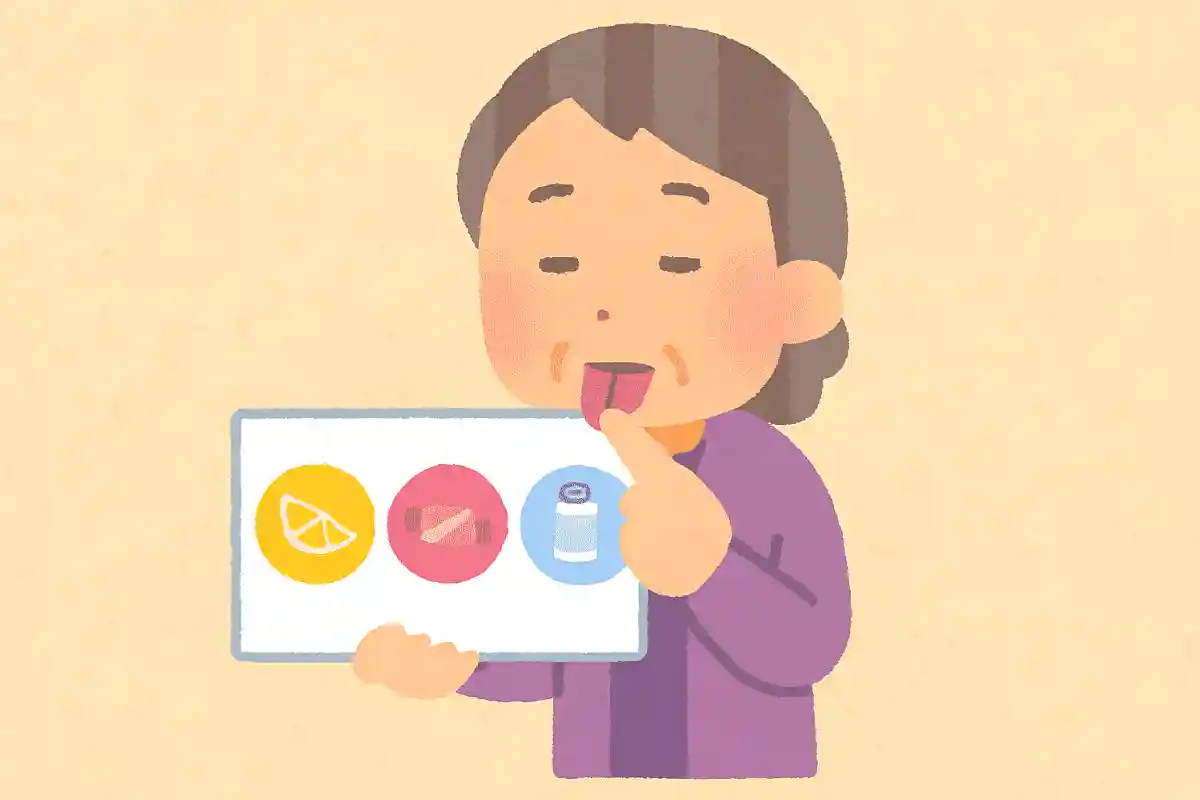
When we eat food, we sense various tastes with our tongues.
So, alongside sourness, sweetness, and saltiness, what is the other taste we actually perceive? Here’s a hint: many children tend to dislike it a bit, and many people come to appreciate its deliciousness more as they grow older.
The answer is bitterness.
The tongue has taste buds—organ-like sensors that detect tastes—that perceive each of these flavors.
Eat plenty and enjoy a wide variety of tastes!

Strawberry Quiz

Strawberries are a familiar food, but you might be surprised by how much we don’t actually know about them.
For instance, trivia questions often point out that strawberries began to be eaten in Japan toward the end of the Edo period, that each tiny seed-like speck on the surface is actually an individual fruit, and that strawberries are technically vegetables rather than fruits.
There are lots of surprising facts.
Try this quiz and expand your strawberry trivia.
Absorbing all kinds of knowledge might help you stay youthful.

When does “between meals” mean in terms of how to take medicine?
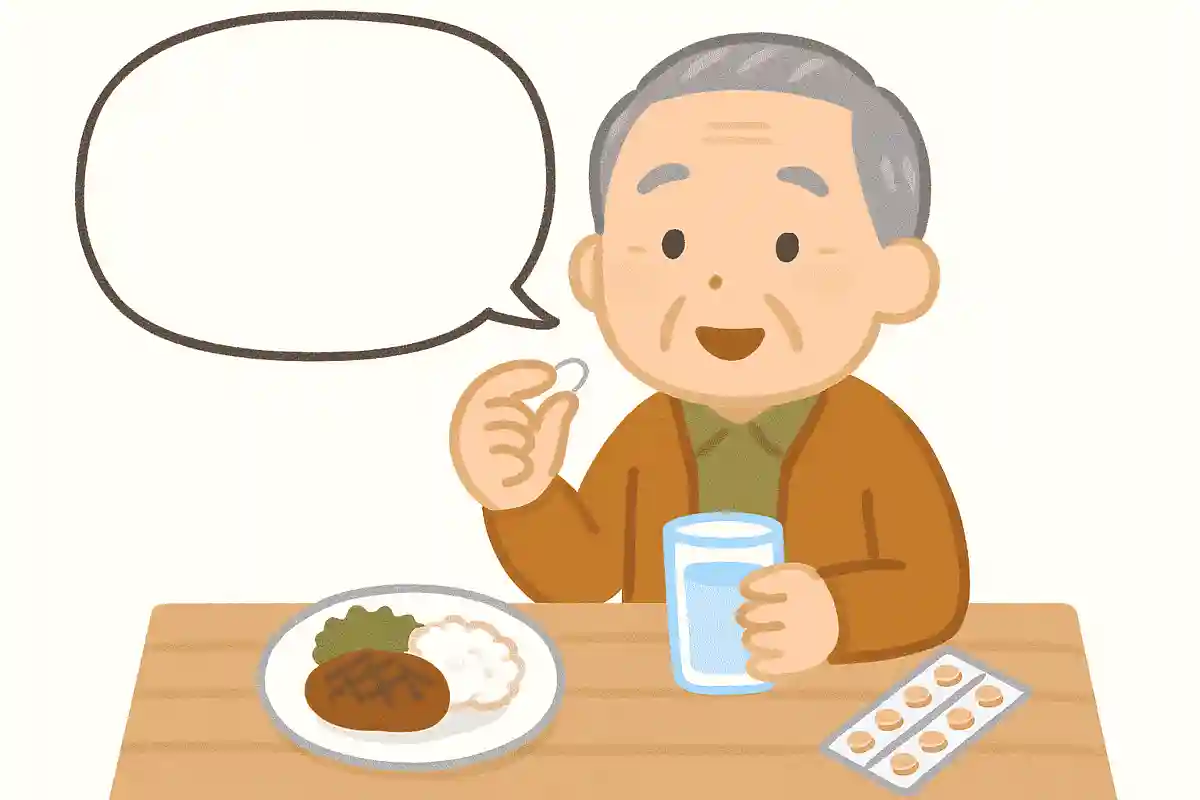
Among older adults, many probably receive medications from the hospital.
Some of you might also have been instructed to take your medicine “between meals.” So, when exactly does “between meals” mean you should take your medicine? Many people think it means during a meal, but that’s incorrect.
The answer is: between one meal and the next—for example, between breakfast and lunch, or between lunch and dinner.
Strictly speaking, the guideline is about 2 to 3 hours after eating.
If you’re an older adult and you’re given medicine with the instruction to take it “between meals,” please be careful to follow this timing.
prickly pear (cactus pear)
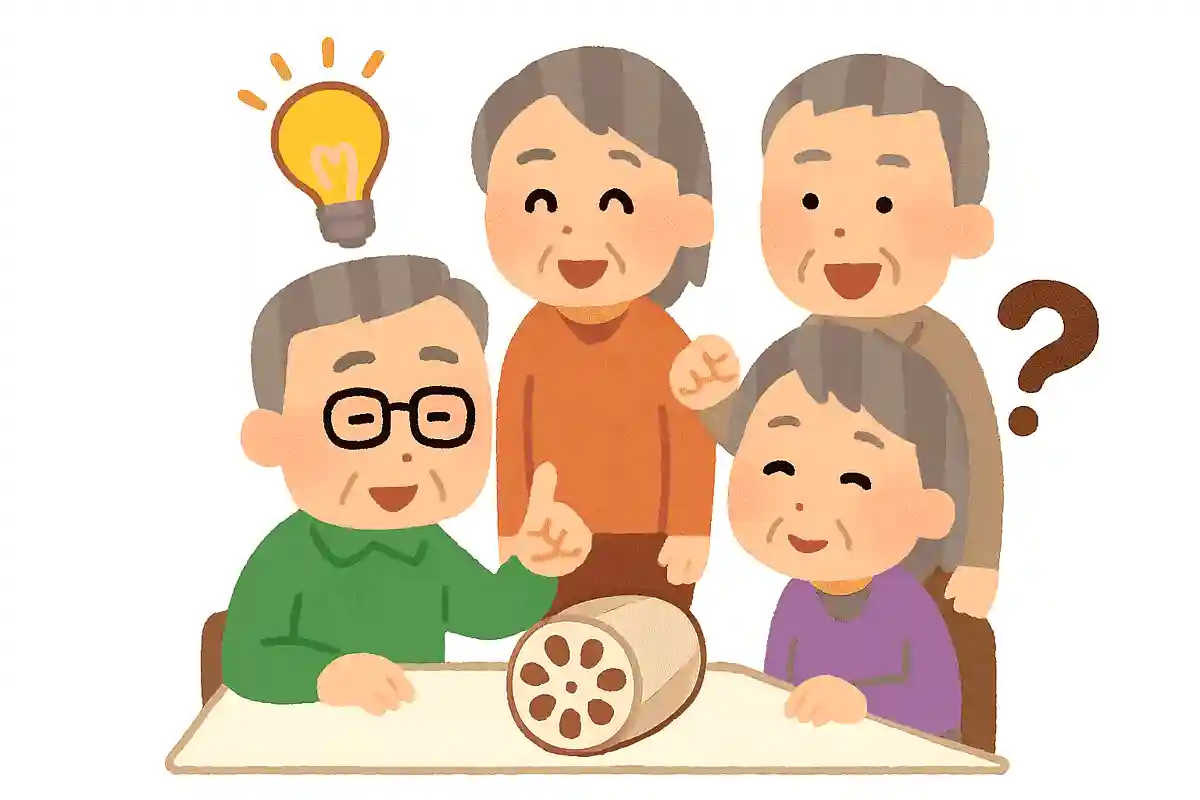
"Rikurenkon" — you might be tempted to read it as 'riku renkon,' but that's incorrect, of course.
The kanji here refers to a summer vegetable.
It’s long and slender, and when you cut it, the cross-section looks like a star.
It’s also sticky and stringy, much like natto.
So, what’s the answer to this kanji? It’s okra! Okra is packed with nutrients that are great for your health: it can help prevent summer fatigue, cool the body, and even aid in preventing high blood pressure.
The sea bream-shaped taiyaki originally had the shape of a different creature. What shape was it?
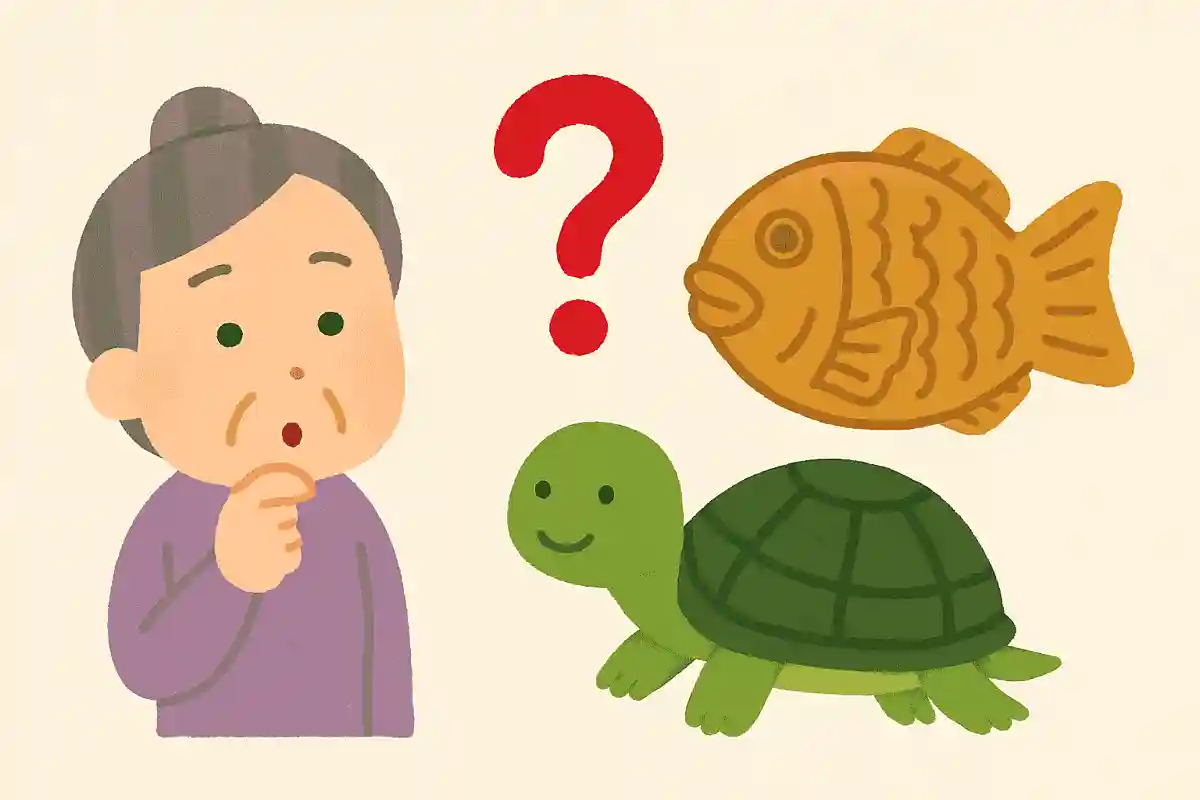
It’s hard to imagine taiyaki being in any shape other than a sea bream, isn’t it? Even for seniors who’ve eaten dozens of them, this might be a tricky question.
Here’s a hint: it’s a creature that comes in large and small sizes and is sometimes kept as a pet.
Some seniors might even have kept one in the past.
And the biggest hint is that it has a hard shell! The answer is, of course, a turtle! It was even called “kameyaki,” meaning turtle-shaped yaki.