

[For Seniors] Summer-Themed Quiz: A Collection of Fun Questions to Liven Up Recreational Activities


How about an indoor quiz that lets you stay comfortable as a recreational activity on hot summer days? In recent years, Japan has been getting hotter year by year.
Quizzes let you train your brain without physical exertion, so they’re a great option for recreation in senior facilities during midsummer.
Since the theme is summer, it might help people feel the season and recall past memories.
For older adults, looking back and talking about the past can promote emotional stability and benefit cognitive function.
It also makes it easier to spark communication with those around them.
Enjoy a fun summer moment while doing brain training with quizzes!
- [For Seniors] Brain Training! Recall Quiz Collection!
- [For Seniors] Fun Brain Training! Prefecture Quiz
- [For Seniors] Boost Your Knowledge! Fun Trivia Quiz
- For Seniors: Lively! Trivia and Fun Facts Quiz for August
- For seniors: Fun, crowd-pleasing word association game ideas
- [For Seniors] Lively Wordplay Game: Fun Recreation for Elderly Care
- August quizzes that seniors can enjoy!
- [Brain Training] Lively Word Quiz for Seniors
- [For Seniors] Enjoy Brain Training with September Trivia Quizzes & Fun Facts
- [For Seniors] Guaranteed to Liven Things Up! A Collection of Brain Training Activities That Will Spark Laughter
- [For Seniors] Fun Riddles That Stimulate the Brain
- [For Seniors] Summer-Themed Trivia Quiz & Fun Facts Collection
- [For Seniors] Summer Festival Trivia Quiz & Fun Facts. Enjoyable Quizzes That Boost Your Knowledge
[For Seniors] Summer-Themed Quiz: A Collection of Fun Questions That Liven Up Recreational Activities (51–60)
The fruit of the moonflower, which blooms with flowers similar to morning glories, becomes a certain food ingredient when processed. What does it become?

You know the moonflower, which blooms with flowers similar to morning glories, right? In fact, when moonflowers are processed, they become a certain food everyone knows.
What is it? The answer is kanpyo (dried gourd strips).
The moonflower bears green fruit, and if you slice it thinly and dry it, you get kanpyo.
By the way, the name “moonflower” (yūgao) comes from the fact that it blooms in the evening and its buds close the next morning.
If you have one blooming nearby, take a look.
It might also be fun to take this opportunity to plant some and try making kanpyo yourself.

How many horns does a rhinoceros beetle have at minimum?
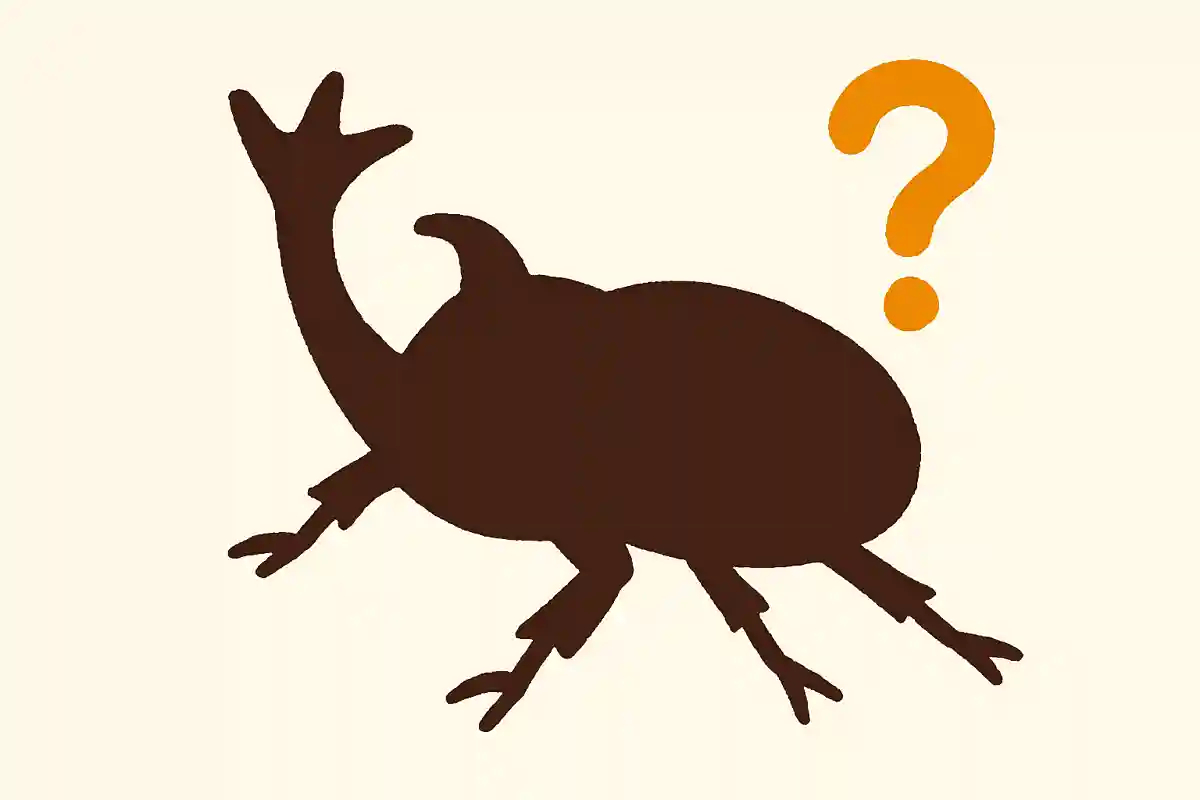
When it comes to insects that symbolize summer, many people would probably think of rhinoceros beetles and remember experimenting with different ways to catch them.
Male beetles in particular have impressive horns that symbolize strength, which is exciting for many boys.
Females don’t have horns, and males do—that’s one key difference.
But let’s think about the number of horns.
While many people picture a single large horn, rhinoceros beetles actually have two horns: one on top and one below, with the lower horn being the iconic large one.
There are also species that have more than two horns, so learning about those as well could be interesting.

The shelf used to display ancestral tablets and offerings during Obon is called a “bon-dana.” What is its other name?
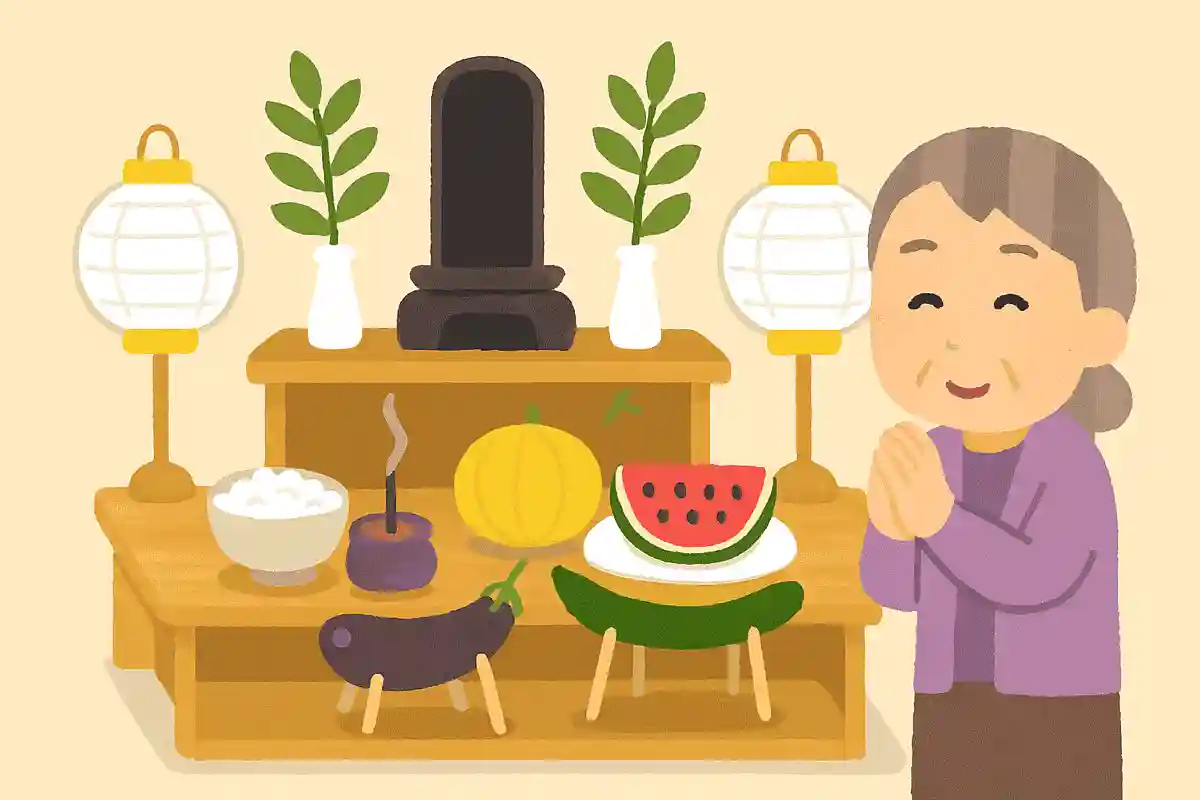
Obon is a time when we welcome and honor our ancestors, and one of its distinctive features is the various decorations, beginning with the offerings.
The shelf used to display these indispensable Obon offerings is called a “bon-dana,” but what else is it called? The answer is “shōryō-dana.” Since many Obon-related decorations and events include the word “shōryō” (spirit), this name is easy to picture.
From this, you can also sense that ancestors are referred to as “shōryō,” which may deepen the feeling that they are sacred.
In which prefecture is the Gujo Odori, a Bon dance also known as the “All-Night Dance,” held?
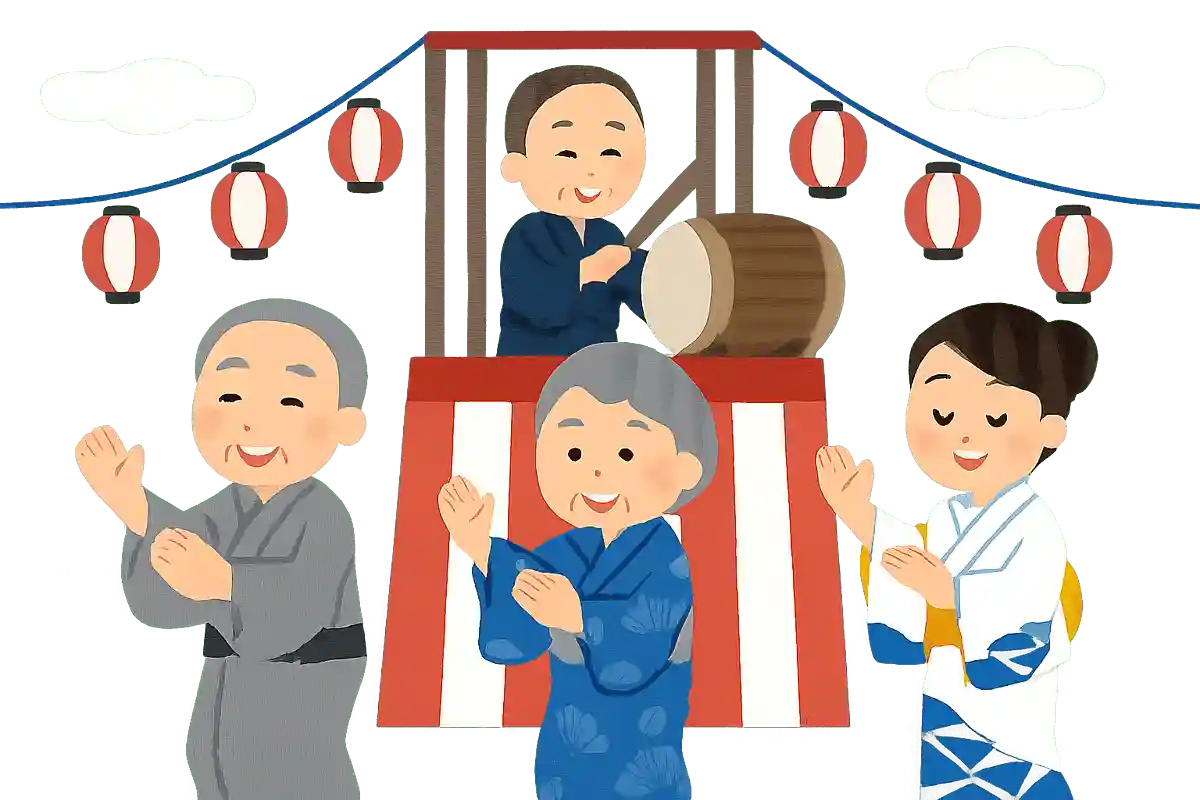
During Obon, when we welcome our ancestors, festivals are sometimes held, and in many cases Bon Odori dances are performed.
Among these dances, there is a special one called Gujo Odori, also known as the All-Night Dance (Tetsuya Odori).
In which prefecture is it held? The answer is Gifu Prefecture.
It is a traditional Bon dance that is also inscribed on UNESCO’s Intangible Cultural Heritage list.
A major feature is that people continue dancing from night until the following morning, and it is said to combine both memorial rites for ancestors and elements of entertainment.
Which prefecture in Japan produces the most uchiwa (traditional handheld fans)?
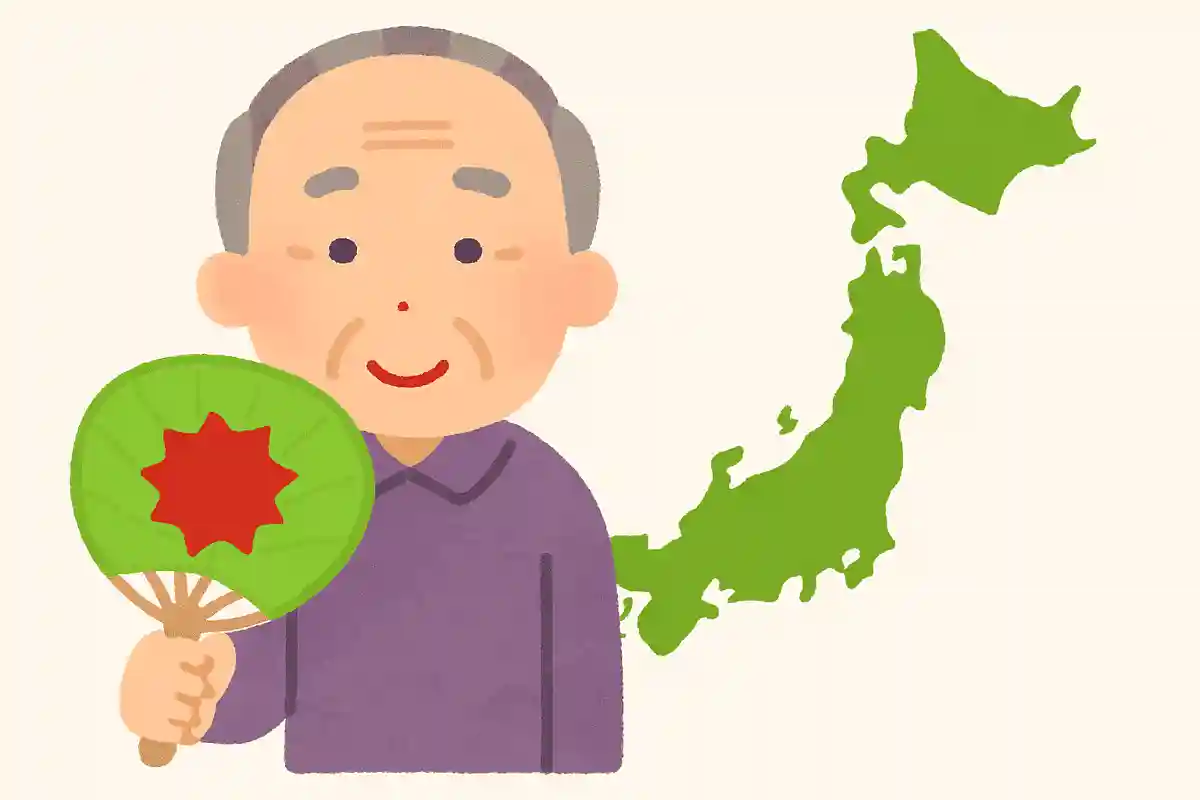
To stay comfortable during the hot summer, creating a cool breeze with a folding fan or a handheld fan (uchiwa) is a familiar sight, isn’t it? How about deepening your knowledge about uchiwa, which we use so naturally? As a traditional craft, uchiwa are made in various regions, but the one said to have the highest production is the “Marugame Uchiwa” from Kagawa Prefecture.
Designated as a traditional craft by the Minister of Economy, Trade and Industry, it reportedly accounts for 90% of the nation’s uchiwa production.
It might be interesting to look into the differences among regional uchiwa and their histories, too.