

[For Seniors] Boost Your Knowledge! Fun Trivia Quiz


“I wonder what this animal is.” “Who could this historical figure be?” There are still many things even older adults may not know, right?
So this time, we’re introducing a set of trivia quizzes we’d like older adults to try.
Even seniors with a wealth of knowledge might come across trivia that makes them say, “I learned that for the first time.”
What’s more, getting the answers right can boost motivation, making these quizzes great for recreational activities at senior facilities.
They’re excellent brain training, of course, and we hope everyone enjoys them together, including sharing stories related to the trivia quizzes.
- [For Seniors] Laugh-Out-Loud, Crowd-Pleasing! Fun Quiz
- [For Seniors] Trivia Multiple-Choice Quiz
- [For Seniors] Fun and Informative Trivia Quiz Collection
- [For Seniors] Fun and Informative! Trivia and Quizzes Introduced
- [Brain Training] Lively Word Quiz for Seniors
- [For Seniors] Fun and Informative! Health Trivia Quiz
- [For Seniors] Surprising Facts! Multiple-Choice Trivia Quiz (4 Options)
- [For Seniors] Fun Food Trivia Quizzes You'll Want to Share
- [For Seniors] Fun! Let’s Get Excited with Japan’s Number One Quiz
- [For Seniors] Fun Riddles That Stimulate the Brain
- [For Seniors] Today’s recommended quiz. Daily brain-training quiz!
- [For Seniors] January Trivia Quiz & Fun Facts. Brain training with quizzes about New Year and winter.
- [For Seniors] Guaranteed to Liven Things Up! A Collection of Brain Training Activities That Will Spark Laughter
[For Seniors] Boost Your Knowledge! Fun Trivia Quiz (121–130)
What is the reason your head gets an intense, sharp pain when you eat cold things like ice or ice cream?

Many older adults have probably experienced that sharp, piercing headache after eating shaved ice or ice cream on a hot summer day.
But why does that happen? It’s puzzling, isn’t it? The short answer is: it’s your brain being fooled! When something cold passes through your throat, the brain mistakes the cold sensation for pain.
This phenomenon even has a name: “ice cream headache.” On hot days you might want to gobble things down to feel the chill quickly, but eating slowly and calmly can help prevent it!

In the Edo period, what was bush warbler droppings used for?

The bush warbler, which sings beautifully with a “hoo-hokekyo,” had its droppings used for something in the Edo period.
The answer is cosmetics.
In Japan, they had long been used to remove stains from silk fabrics, but by the Edo period they were also used for beauty.
Dried and powdered bush warbler droppings were said to reduce fine wrinkles, refine skin texture, and contain skin-brightening enzymes—and are apparently still used today.

What is the source of tears?

When we’re sad, happy, or deeply moved.
Older adults who have lived long lives have shed all kinds of tears, haven’t they? So what exactly are tears to begin with? Because they look like clear water, we tend to assume they’re just the body’s fluids, but that’s not actually the case.
Here’s a hint: it’s something even older adults have definitely seen before, and it isn’t transparent.
The answer is blood! Tears are said to flow after components like hemoglobin—the red parts—are removed from the blood, which is why they don’t appear red but come out clear.
Nails are part of a certain part of the body. Where on the body are they?
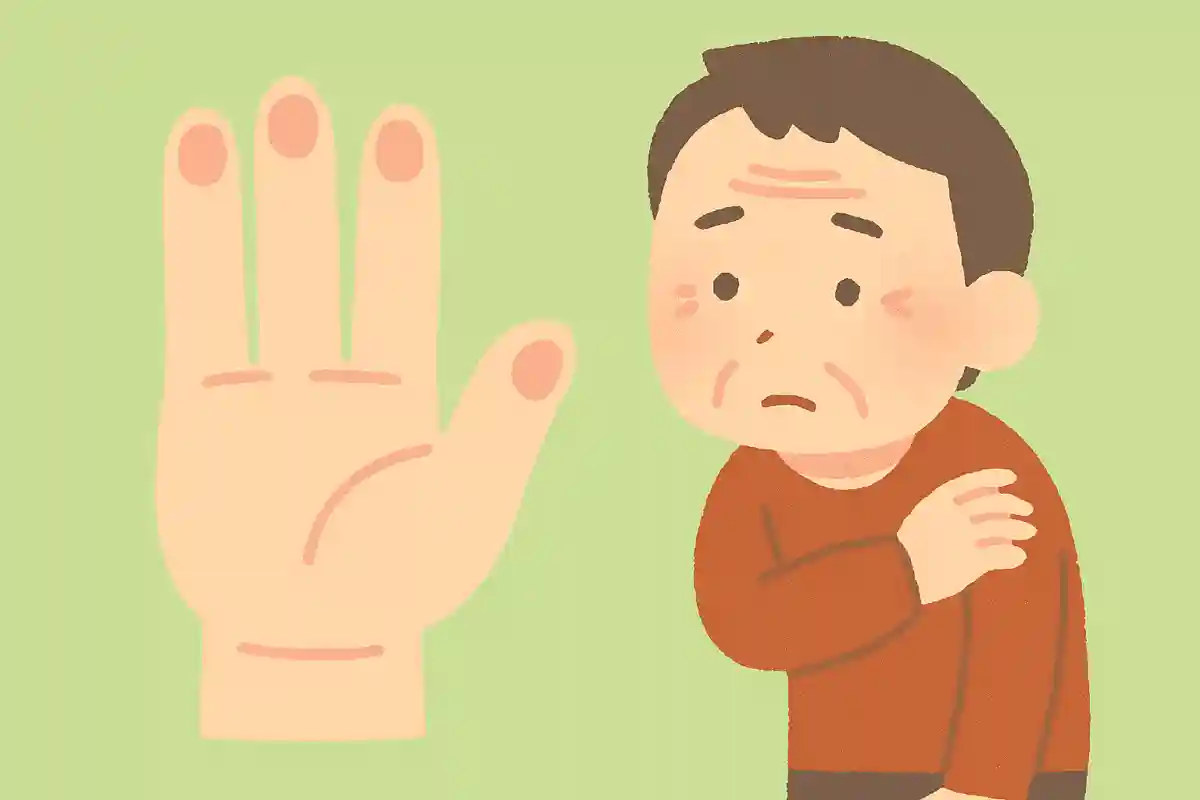
You might think a nail is just a nail, but in fact it’s simply a part of another part of the body.
So, what exactly is it? Rather than overthinking it, it might help to go with the first body part that comes to mind.
The straight answer: skin! Nails are formed when the skin hardens and changes, becoming something harder and different from soft skin.
By the way, if you lose your nails, you may have trouble gripping objects properly, protecting your fingertips, and—in the case of toenails—keeping your body stable.
So take good care of them.
[For Seniors] Boost Your Knowledge! Fun Trivia Quiz (131–140)
These days, “ganmodoki” is made with tofu, but in the past a different ingredient was used. What ingredient was it?
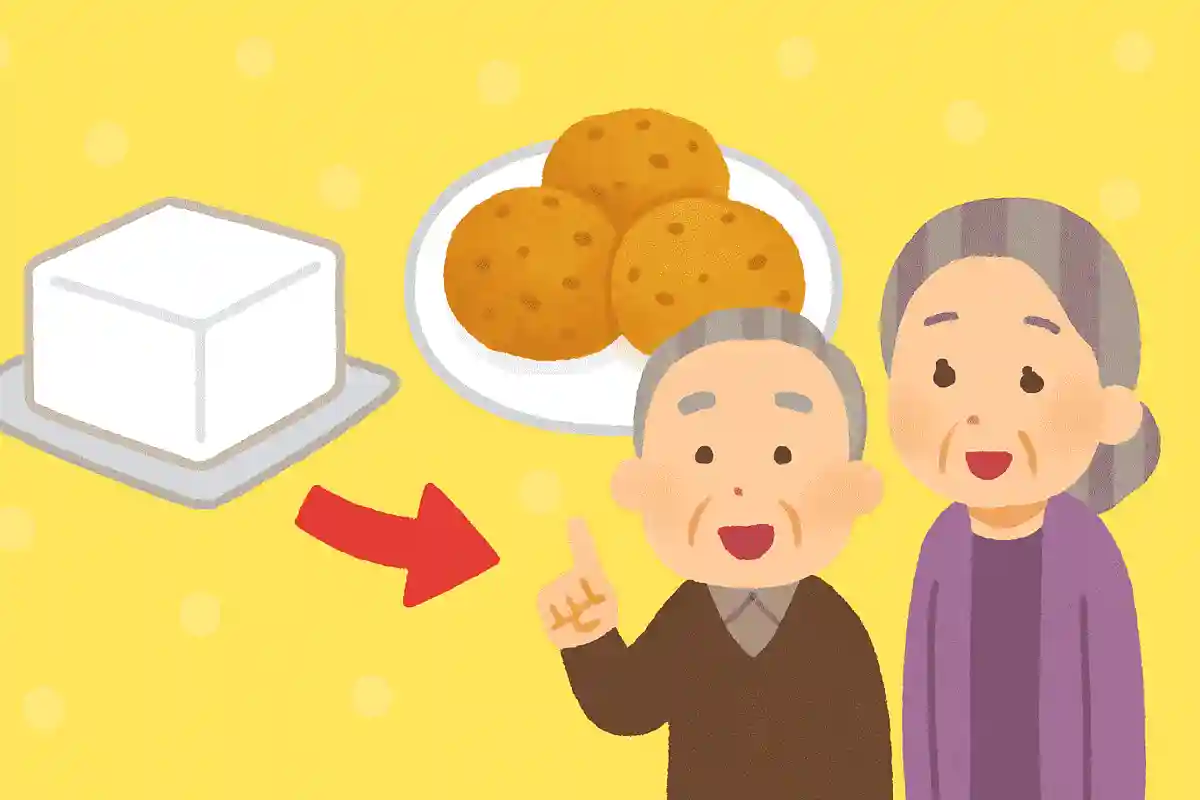
When you hear “ganmodoki,” most people only think of tofu, but what on earth was it originally made from? Here are some hints: it’s a food that’s still commonly eaten today, it’s made from a processed tuber, and it’s often used as a prop for test-of-courage events.
The answer is konnyaku (konjac)! It was originally eaten as part of shojin ryori (Buddhist vegetarian cuisine), and through adding various ingredients and experimenting with seasonings, it eventually evolved into the tofu-based ganmodoki we know today.
The true meaning of “hatenkō”
Yoshimura from the comedy duo Heisei Nobushikobushi is often described as “hatenkō” (unconventional).
No matter what show he appears on, he stirs up the studio in a wild, chaotic way and livens things up.
Because of that image, many people think hatenkō means “rampaging with no regard for rules,” or something like bold or boisterous.
しかし、「破天荒」の本来の意味は「人がしないことをする、いまだ成し遂げられていないことを成し遂げる」です。漢字の「破(やぶる)」「天(てん)」「荒(あら)」からは、必ずしもそういう連想はしにくいですよね。ぜひこの言葉をきっかけに、あなた自身の若い頃の“破天荒”なエピソードを思い出してみてください!
If you press the vending machine’s left and right buttons at the same time, which product will come out?
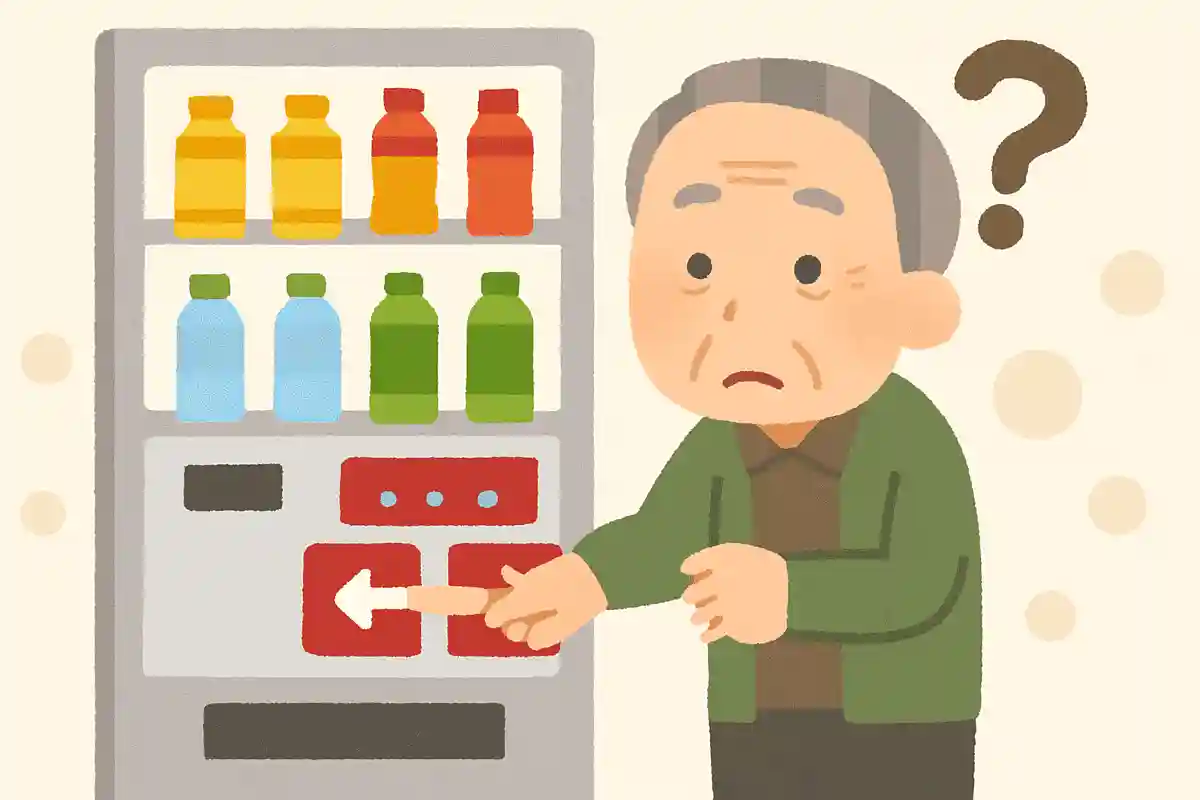
On a vending machine, you put in money and press a lit button to buy an item, right? Have you ever wondered what would happen if you pressed the buttons at the same time? Some people might have even tried it, thinking they could get two items for the price of one.
When you press the left and right buttons simultaneously, you won’t get two products—and in fact, which one comes out is predetermined.
The answer is: the left.
If someone says the right-side item came out, it means the buttons weren’t actually pressed at exactly the same time.
