

[For Seniors] Boost Your Knowledge! Fun Trivia Quiz


“I wonder what this animal is.” “Who could this historical figure be?” There are still many things even older adults may not know, right?
So this time, we’re introducing a set of trivia quizzes we’d like older adults to try.
Even seniors with a wealth of knowledge might come across trivia that makes them say, “I learned that for the first time.”
What’s more, getting the answers right can boost motivation, making these quizzes great for recreational activities at senior facilities.
They’re excellent brain training, of course, and we hope everyone enjoys them together, including sharing stories related to the trivia quizzes.
- [For Seniors] Laugh-Out-Loud, Crowd-Pleasing! Fun Quiz
- [For Seniors] Trivia Multiple-Choice Quiz
- [For Seniors] Fun and Informative Trivia Quiz Collection
- [For Seniors] Fun and Informative! Trivia and Quizzes Introduced
- [Brain Training] Lively Word Quiz for Seniors
- [For Seniors] Fun and Informative! Health Trivia Quiz
- [For Seniors] Surprising Facts! Multiple-Choice Trivia Quiz (4 Options)
- [For Seniors] Fun Food Trivia Quizzes You'll Want to Share
- [For Seniors] Fun! Let’s Get Excited with Japan’s Number One Quiz
- [For Seniors] Fun Riddles That Stimulate the Brain
- [For Seniors] Today’s recommended quiz. Daily brain-training quiz!
- [For Seniors] January Trivia Quiz & Fun Facts. Brain training with quizzes about New Year and winter.
- [For Seniors] Guaranteed to Liven Things Up! A Collection of Brain Training Activities That Will Spark Laughter
[For Seniors] Boost Your Knowledge! Fun Trivia Quiz (131–140)
In addition to sourness, sweetness, and saltiness, the tongue can detect one more taste. What is the other one?
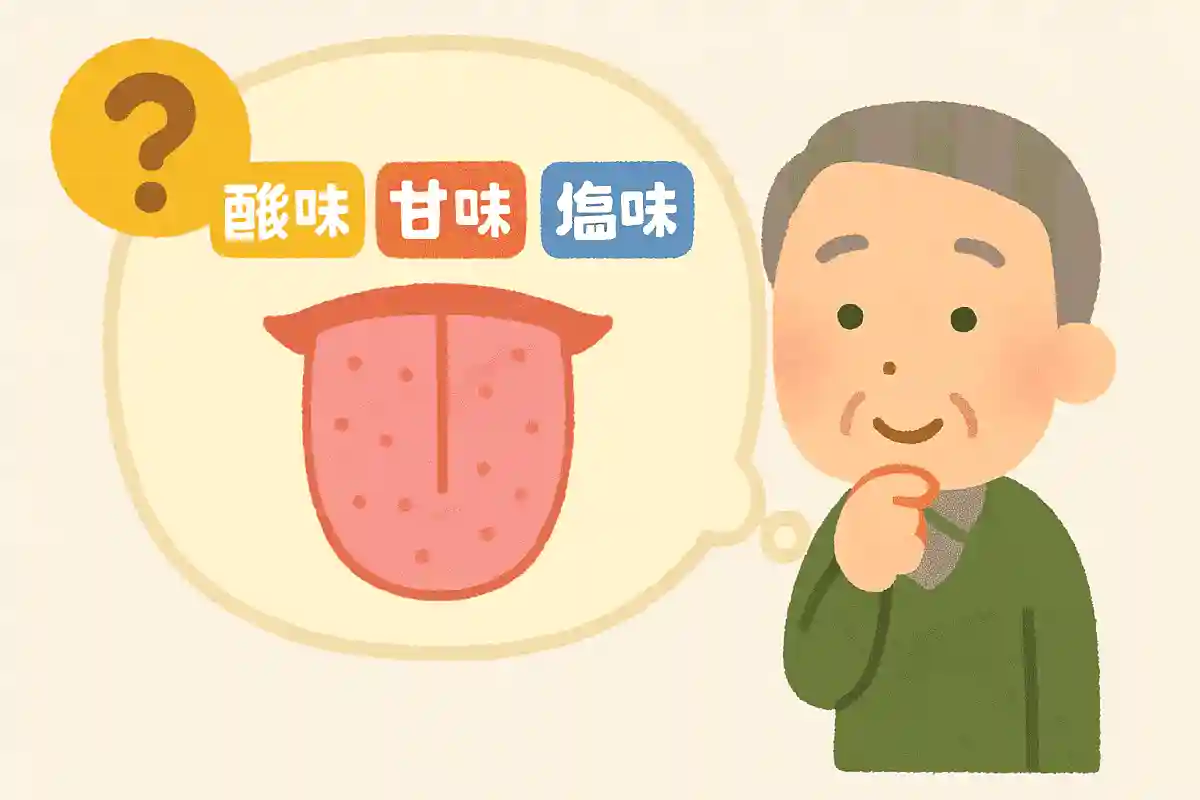
When we eat food, we sense various tastes with our tongues.
So, alongside sourness, sweetness, and saltiness, what is the other taste we actually perceive? Here’s a hint: many children tend to dislike it a bit, and many people come to appreciate its deliciousness more as they grow older.
The answer is bitterness.
The tongue has taste buds—organ-like sensors that detect tastes—that perceive each of these flavors.
Eat plenty and enjoy a wide variety of tastes!

When does “between meals” mean in terms of how to take medicine?
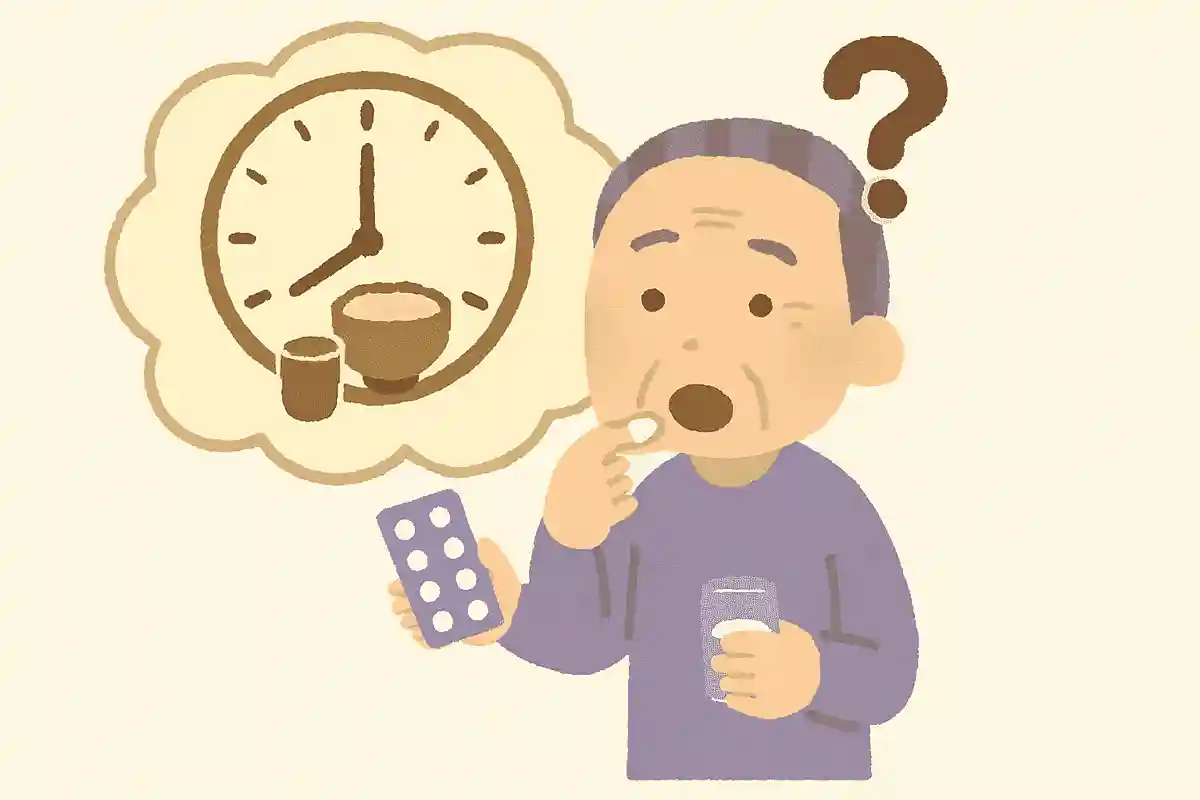
Among older adults, many probably receive medications from the hospital.
Some of you might also have been instructed to take your medicine “between meals.” So, when exactly does “between meals” mean you should take your medicine? Many people think it means during a meal, but that’s incorrect.
The answer is: between one meal and the next—for example, between breakfast and lunch, or between lunch and dinner.
Strictly speaking, the guideline is about 2 to 3 hours after eating.
If you’re an older adult and you’re given medicine with the instruction to take it “between meals,” please be careful to follow this timing.
The black rotary phone has strengths not found in modern landlines or mobile phones. What kind of features does it have?
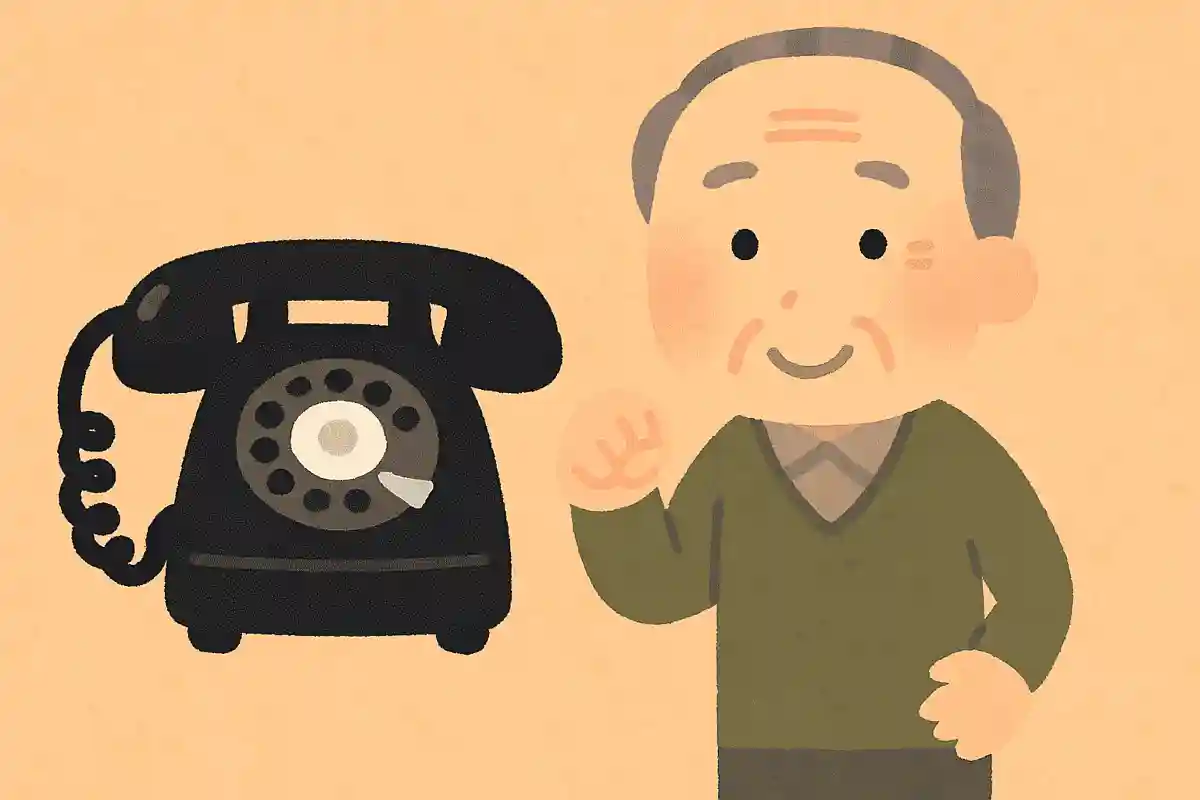
The old black rotary phone that you dial by turning the wheel—many older people probably used one at home.
Those black phones had a certain feature that today’s landlines, cell phones, and smartphones don’t.
Here’s a hint: it’s something essential for landlines and cell phones—without it, they can’t even be used.
The answer is: they don’t need a power source or an outlet! Landline phones won’t work unless they get electricity from a wall outlet, and cell phones and smartphones have to be charged with a charger.
But black rotary phones run solely on power from the telephone line, so you can still use them even during a blackout!
If two or more candidates receive the same number of votes in an election, there is a method used to determine the winner. What is that method?

Elections are major events that decide who will lead a country or region, and each vote—just one vote—is an important opinion.
So how is the winner decided when there’s a tie in the number of votes? A simple method that everyone is familiar with: in the end, the person with the better luck wins.
In other words, a lottery.
The exact form of the lottery isn’t fixed, but there are real examples of it being used, so it could be interesting to look those up as well.

In the late 1980s, it became popular to wear flashy outfits outdoors and dance “step dance” to disco sounds. What were these people called as a ‘tribe’?

Since the Heisei era, many dance-vocal groups have emerged, but even before that, there was a large dance collective! They were reportedly seen near Yoyogi Park in Tokyo, as well as in Kichijoji, Ikebukuro, and even Nagoya.
What were these people called? Here’s a hint: they share their name with a vegetable.
The answer is the Takenoko-zoku! There were many groups among those known as the Takenoko-zoku, and some members were even scouted and made their entertainment industry debut.
Among a bell cricket, a butterfly, a cicada, and a cricket, which one is the odd one out?
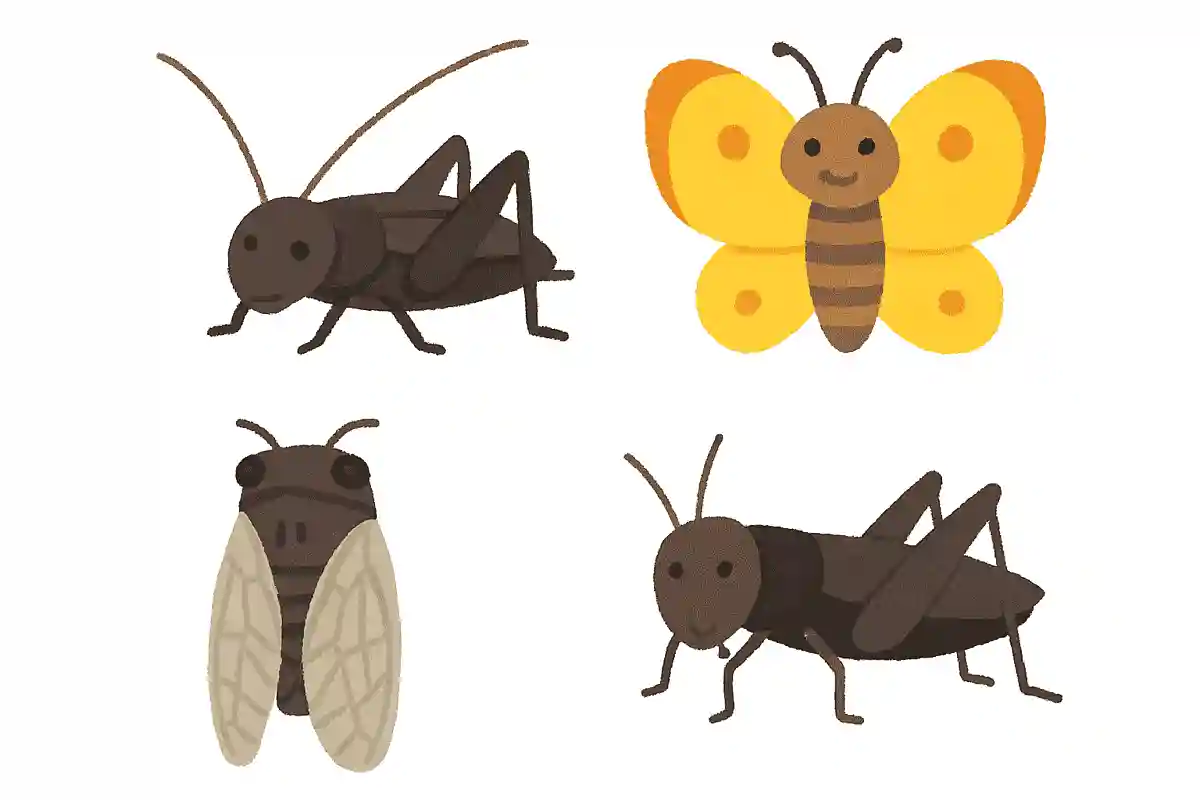
Among bell crickets, butterflies, cicadas, and crickets, which one doesn’t belong? You might think, “They’re all insects!”—it’s the perfect brain teaser.
The correct answer is the butterfly, because it’s the only one that doesn’t make sound.
Once you fixate on ‘they’re all insects,’ it’s hard to break out of that frame, but as soon as you hear the answer, you’ll think, “Ah, that makes sense.” Staff can offer seasonal hints like, “It’s almost the time when cicadas start to sing,” to gently guide them toward the answer.

Why are houseplants displayed in banks?
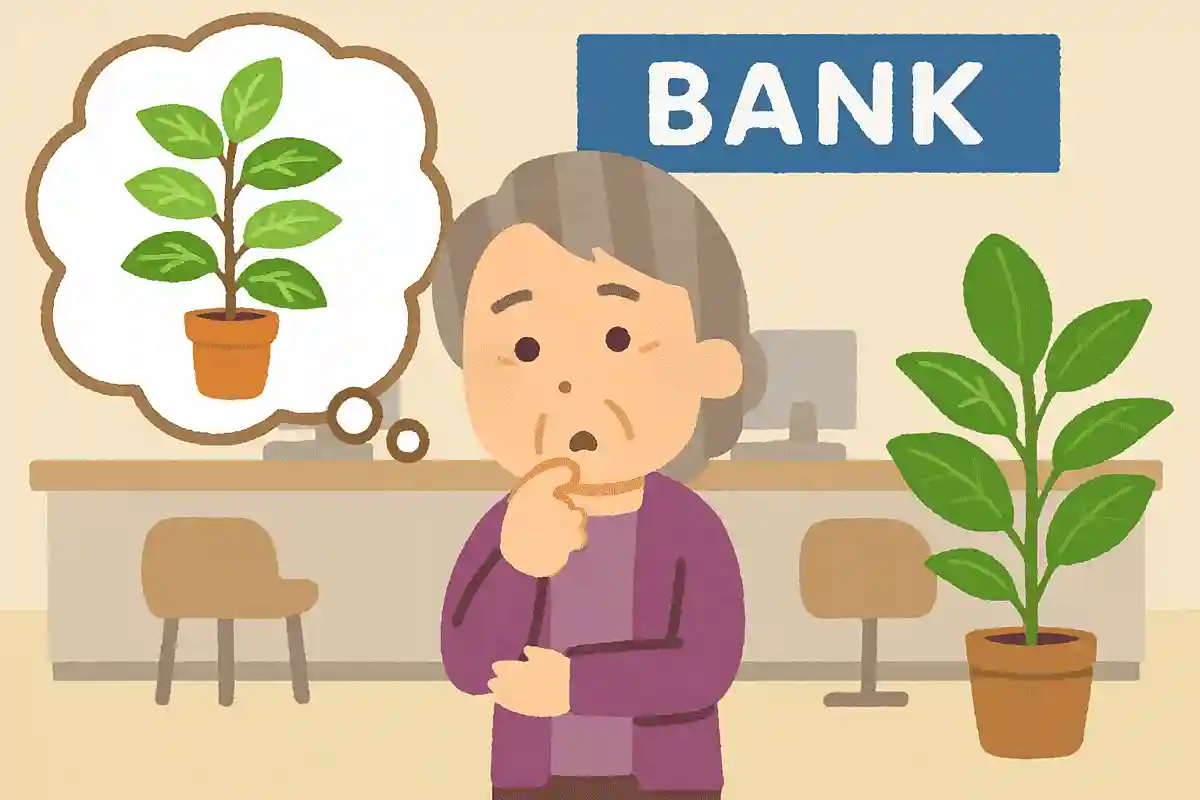
Banks are essential facilities, and for some reason we have a strong image of them being decorated with potted plants.
In fact, the plants placed in banks have a deeper purpose beyond simply creating a fresh, pleasant impression.
Here’s a hint: they help resolve a type of trouble that can occur in banks—though you might rarely encounter it.
The answer is: “to roughly gauge a bank robber’s height.” It’s the kind of reason that makes you hope it’s never actually needed.