

[For Seniors] Boost Your Knowledge! Fun Trivia Quiz

“I wonder what this animal is.” “Who could this historical figure be?” There are still many things even older adults may not know, right?
So this time, we’re introducing a set of trivia quizzes we’d like older adults to try.
Even seniors with a wealth of knowledge might come across trivia that makes them say, “I learned that for the first time.”
What’s more, getting the answers right can boost motivation, making these quizzes great for recreational activities at senior facilities.
They’re excellent brain training, of course, and we hope everyone enjoys them together, including sharing stories related to the trivia quizzes.
- [For Seniors] Laugh-Out-Loud, Crowd-Pleasing! Fun Quiz
- [For Seniors] Trivia Multiple-Choice Quiz
- [For Seniors] Fun and Informative Trivia Quiz Collection
- [For Seniors] Fun and Informative! Trivia and Quizzes Introduced
- [Brain Training] Lively Word Quiz for Seniors
- [For Seniors] Fun and Informative! Health Trivia Quiz
- [For Seniors] Surprising Facts! Multiple-Choice Trivia Quiz (4 Options)
- [For Seniors] Fun Food Trivia Quizzes You'll Want to Share
- [For Seniors] Fun! Let’s Get Excited with Japan’s Number One Quiz
- [For Seniors] Fun Riddles That Stimulate the Brain
- [For Seniors] Today’s recommended quiz. Daily brain-training quiz!
- [For Seniors] January Trivia Quiz & Fun Facts. Brain training with quizzes about New Year and winter.
- [For Seniors] Guaranteed to Liven Things Up! A Collection of Brain Training Activities That Will Spark Laughter
For Seniors: Boost Your Knowledge! Fun Trivia Quiz (141–150)
Why not paint a sunset, monkeys, and autumn leaves in a public bathhouse mural?
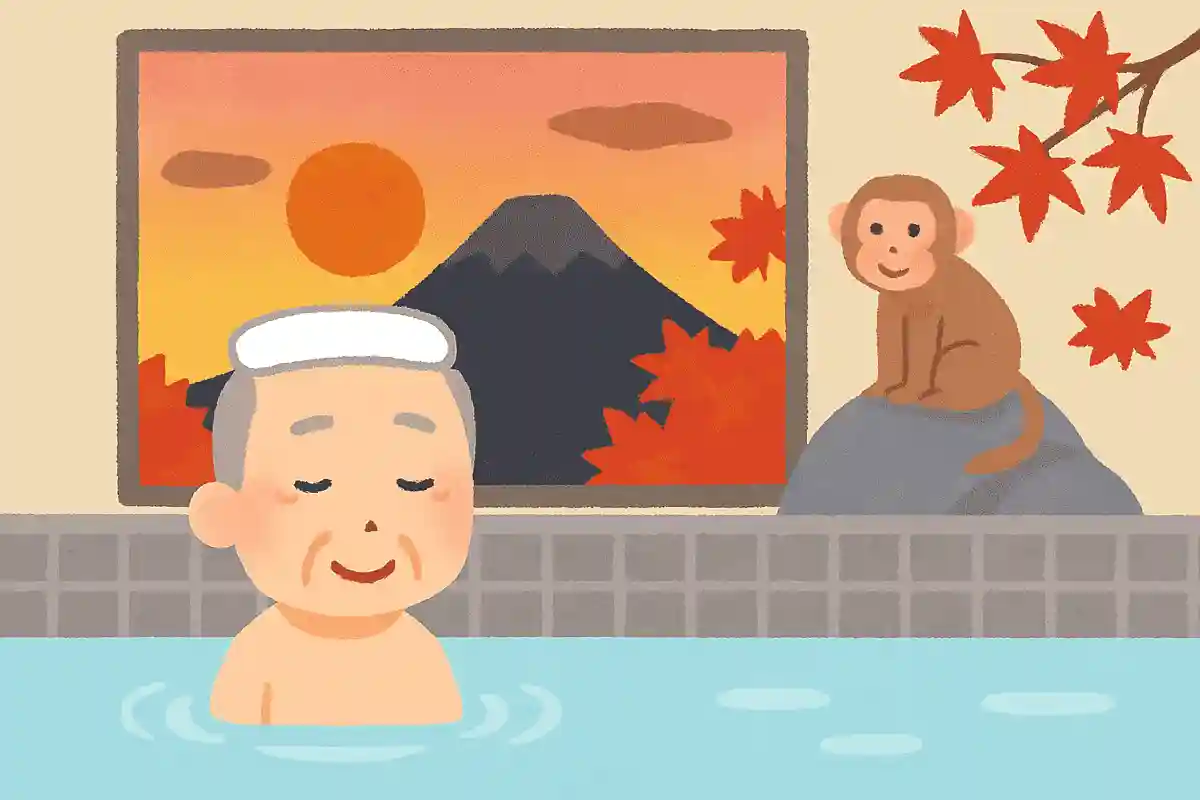
You often see paintings of Mount Fuji on the walls of public bathhouses, but conversely, “sunsets,” “monkeys,” and “autumn leaves” are considered taboo subjects.
A sunset, since the sun is “setting,” evokes the idea of business “declining.” A monkey (saru) is associated by wordplay with customers “leaving” (saru).
Autumn leaves suggest “turning red” and “falling,” which in turn imply “being in the red” and “a drop in customer footfall.” Since bathhouses also hope for prosperous business, they want to avoid anything inauspicious.
What is ‘moshi moshi’ on the phone short for?
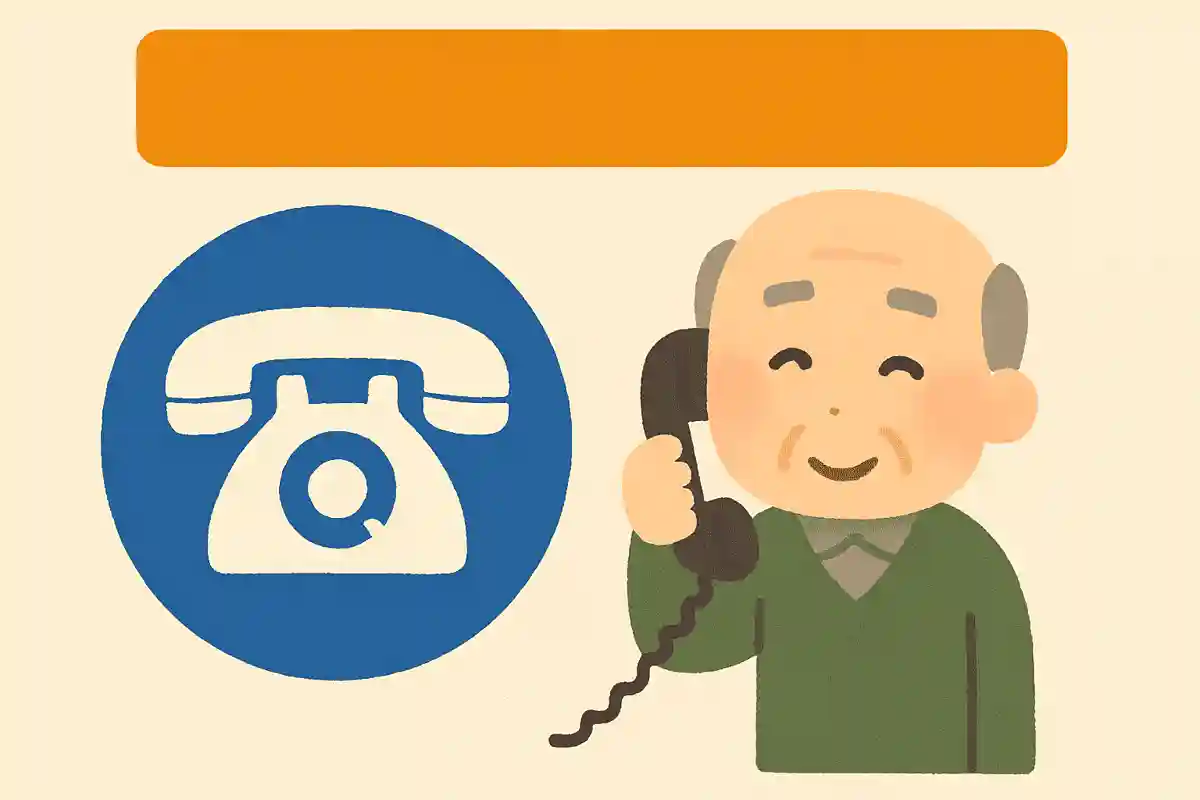
When answering the phone, we casually say “moshi moshi,” but what is it short for? The answer is “moushimasu, moushimasu” (“I speak, I speak”).
When telephones were introduced in Japan in 1890 (Meiji 23), calls were connected by telephone operators.
Many operators were women at the time, and they would say “moushimasu, moushimasu,” meaning “I’m about to speak,” which was shortened to “moshi moshi.” Incidentally, men would call out “oi, oi,” and the conversation would begin with responses like “hai, you gozansu” (“yes, very well”).

What is the origin of the crescent shape of gyoza?
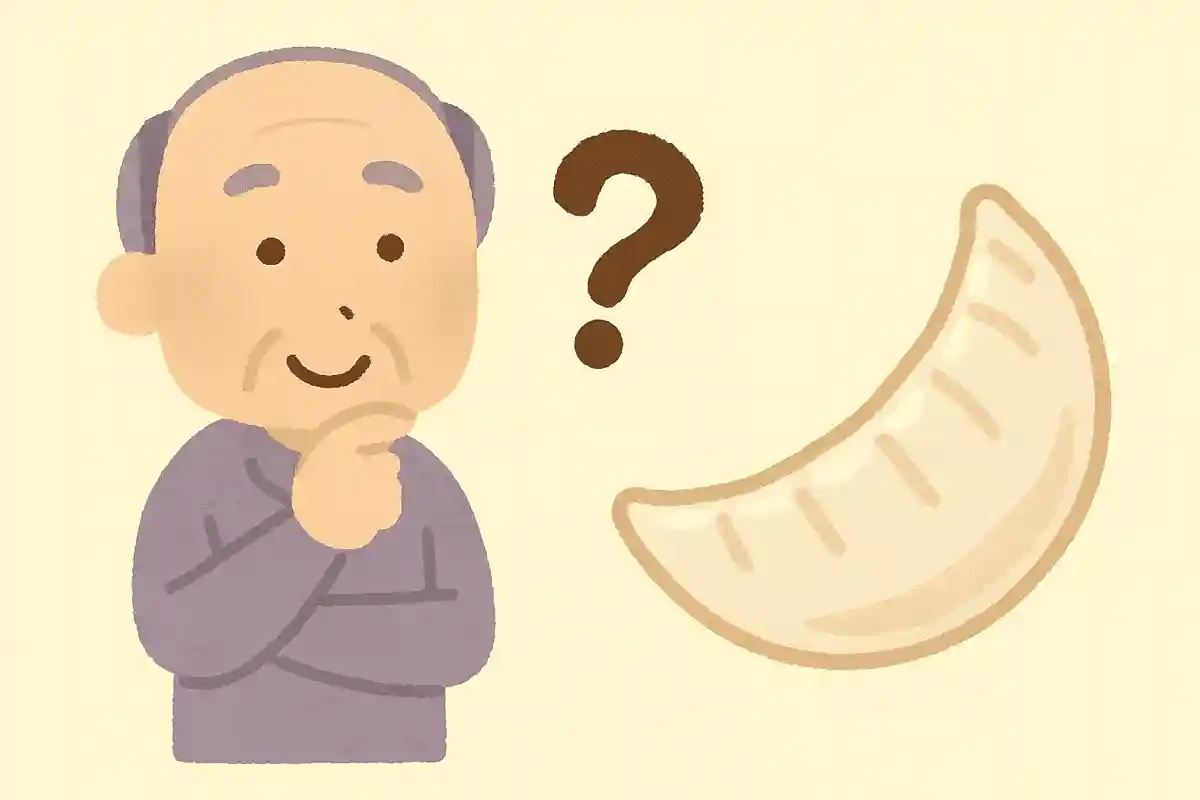
Dumplings are made by wrapping filling in a round piece of dough and shaping it into a crescent.
Where does that shape come from? The answer is: from the shape of Chinese currency.
In China, people eat dumplings around the time of Spring Festival, the Lunar New Year, and at celebratory occasions.
One reason is that their shape resembles the yuanbao—also known as sycee or “horse-hoof silver,” a type of currency used up through the Qing dynasty—so they carry the wish, “May we be blessed with wealth.” If eating lots of delicious dumplings also boosts your good fortune, that’s the best of both worlds!
The sea bream-shaped taiyaki originally had the shape of a different creature. What shape was it?
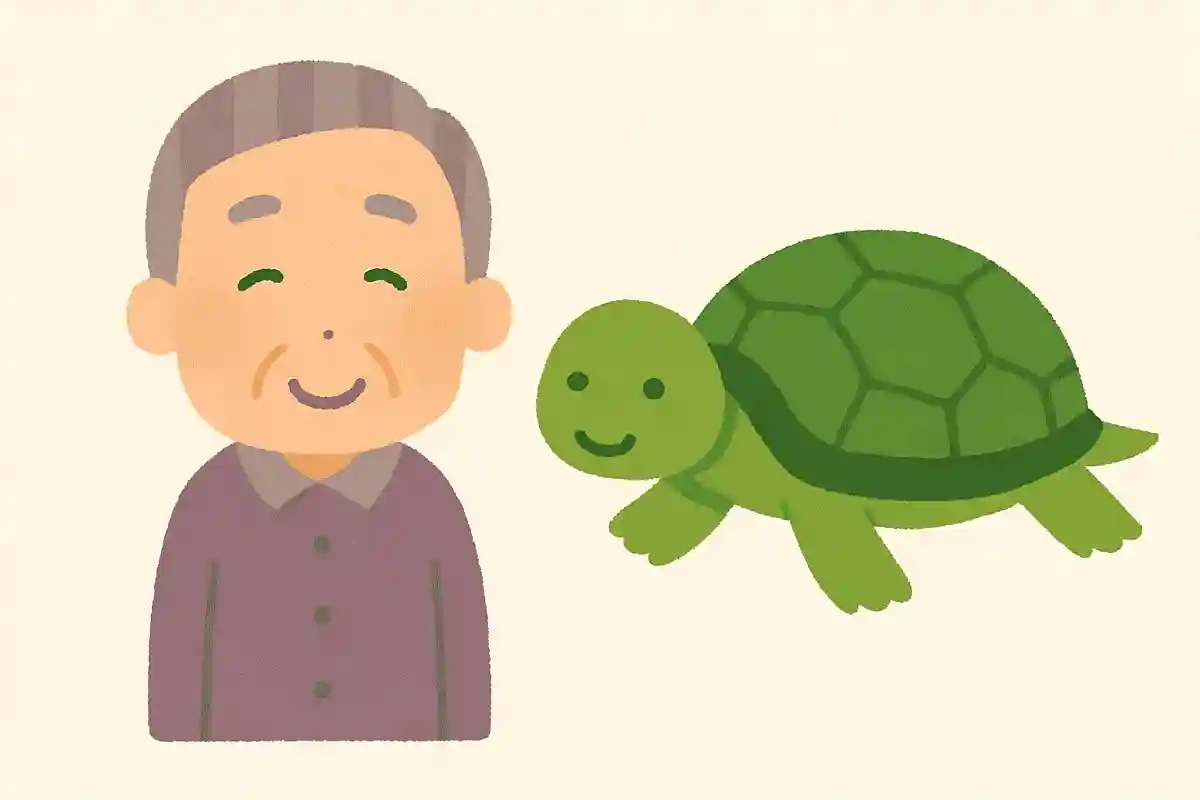
It’s hard to imagine taiyaki being in any shape other than a sea bream, isn’t it? Even for seniors who’ve eaten dozens of them, this might be a tricky question.
Here’s a hint: it’s a creature that comes in large and small sizes and is sometimes kept as a pet.
Some seniors might even have kept one in the past.
And the biggest hint is that it has a hard shell! The answer is, of course, a turtle! It was even called “kameyaki,” meaning turtle-shaped yaki.

In Germany, the birthplace of the cuckoo clock, the bird that pops out isn’t a pigeon. What kind of bird is it?
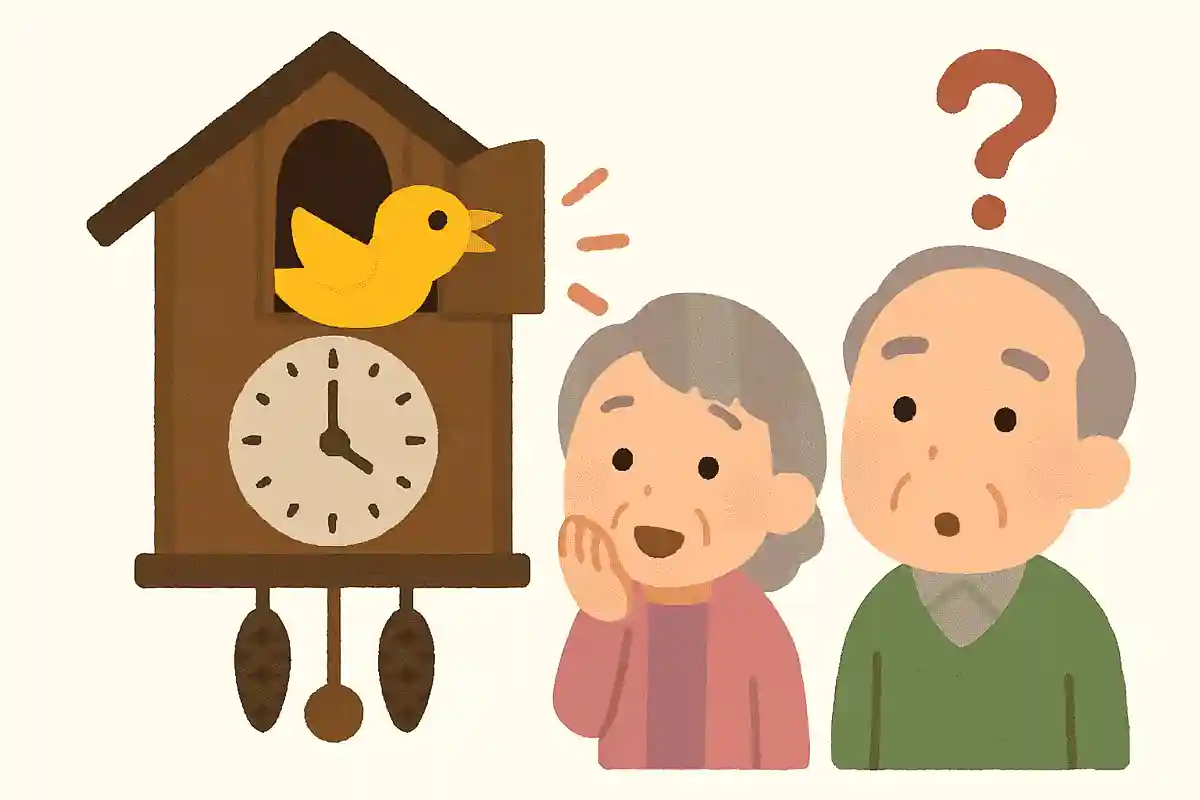
At the top of the hour, a small window opens and a little bird pops out to announce the time—that’s a cuckoo clock.
In Germany, where it originated, the bird that pops out isn’t a dove.
So, what bird is it? The answer is the cuckoo.
The clock originally comes from Germany’s southwestern Black Forest, called Schwarzwald, and around the world it’s known as a “Kuckucksuhr.” Kuckuck means “cuckoo.” In Japan, however, because “cuckoo” evokes the image of an unpopular, deserted place, the bird became a dove, a symbol of peace.
Test your trivia knowledge!

How high is your correct answer rate for questions on TV quiz shows? Whether you’re someone who says, “I’m not good at quizzes,” or someone who’s “pretty confident in trivia,” you can enjoy this: “Test Your Trivia Skills! Three-Choice Trivia Quiz.” There are videos uploaded to video sites that compile quizzes everyone can enjoy—from beginners to experts—such as “How can you stop a sneeze?”, “How do you make old rice taste good?”, and “How can you stop your anger when it’s about to explode?” It also sounds fun to try them together as entertainment at a birthday party!
Unfortunate Creatures Quiz 1

Among the creatures of the world, some have unique ecologies different from humans, and at times those traits can make life harder for them.
This quiz focuses on such unfortunate aspects of animal life: you try to guess, from the choices, just how unfortunate they are.
While we might assume there are profound reasons for animals living with pain, the fun lies in discovering that it can simply be a string of mistakes.
From unlucky lifestyles to behaviors that turn out to have no real reason, the content also brings out the charming side of animals.
