

A masterpiece by Franz Liszt. Popular classical music.

We introduce the masterpieces of Franz Liszt, who was born in Hungary and was active across Europe, including Germany and Austria.
From the works of Liszt—renowned as a pianist and also a composer for famous pieces such as La Campanella and Liebesträume—we present recommended and representative masterpieces, including not only piano works but also symphonic pieces performed by orchestra.
Please enjoy the many wonderful masterpieces by this composer, known as the “Magician of the Piano” for the anecdote that he could sight-read and master any piece.
- Franz Liszt Popular Song Ranking [2026]
- [Masterpiece Classics] A special showcase of gem-like masterpieces so beautiful they’ll move you to tears
- Brahms's masterpieces. Popular classical music.
- Gabriel Fauré | Introduction to His Famous and Representative Works
- Popular classical piano pieces. A collection of masterful performances by Japanese pianists.
- Robert Schumann | Introduction to his famous and representative works
- Dvořák’s masterpiece. Popular classical music.
- [Violin] A curated selection of beloved classic masterpieces and popular pieces that continue to be cherished across eras
- A poignant classic masterpiece. Recommended classical music.
- Sibelius’s famous piece. Popular classical music.
- Jacques Ibert Popular Song Ranking [2026]
- A masterpiece by Richard Strauss. Popular classical music.
- Masterpieces by Franz Schubert: Sparkling classical works left by the King of Song. Recommended classical music.
Franz Liszt’s masterpieces: Popular classical music (41–50)
Reading Dante: Sonata-FantasiaFranz Liszt
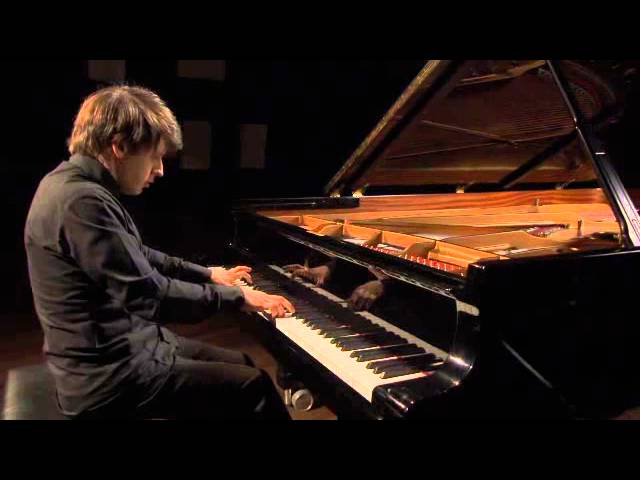
Inspired by depictions of hell in literary works, Franz Liszt’s grand masterpiece is perfect when you want to create a Halloween atmosphere that’s not just scary but profoundly evocative.
From the very beginning, the dissonance known as the “Devil’s interval” resounds, instantly dragging listeners into an unsettling world.
Records show that the work’s prototype was performed in Vienna in November 1839; it was later revised and included in the album Années de pèlerinage, Deuxième année: Italie.
Famous interpretations by Alfred Brendel and Georges Cziffra are well known.
As a piano piece it is extremely challenging, and the key is to bring out the dramatic contrast between infernal torment and heavenly redemption.
Aim to express a grand, story-like world.
Franz Liszt's masterpieces: Popular classical music (51–60)
Spanish Rhapsody, S.254Franz Liszt

Among Franz Liszt’s many works that demand transcendental virtuosity, the Spanish Rhapsody is regarded as one of the most technically challenging.
It is often performed at international competitions, and it is said that not many pianists can truly master it.
Elements that contribute to its high difficulty are scattered throughout—blistering scales, powerful chords, extended passages of octaves—and the frequent arpeggios are one such element.
From fierce arpeggios to soft, shimmering ones, the piece lets you enjoy a wide range of textures within a single work, making it a highly compelling listen.

Spanish Rhapsody, Op. 254Franz Liszt
Franz Liszt, the great composer known for writing devilishly difficult pieces.
Many people are familiar with his high-difficulty works such as La Campanella and Mazeppa.
Among Liszt’s works, however, there is a lesser-known piece of extreme difficulty: the Rhapsodie espagnole.
It not only demands rapid fingerwork and great stamina, but also features fierce leaps throughout every section.
And because it must be performed with lightness at the same time, it can be considered one of the most challenging pieces even among Liszt’s compositions.

Mephisto Waltz No. 1, S.514 “Dance in the Village Inn”Franz Liszt

Beloved as a recital staple, this passionate waltz portrays the romance between a devilish fiddler and a beautiful dancer.
It is a work by Franz Liszt, a pianist emblematic of the 19th-century Romantic era.
Composed between 1856 and 1861, it musically depicts a sensual tale set in a village tavern.
From the opening’s stacked fifths ringing out to the romantic melodies woven into driving rhythms, it irresistibly captivates listeners.
The piece has been used in numerous films and TV dramas, where its dramatic musicality proves highly effective on screen.
It makes full use of pianistic virtuosity—an ideal choice if you want to dazzle the audience at your recital.
Rapsodie espagnoleFranz Liszt

Liszt collected indigenous music such as folk songs and composed based on them.
This piece is structured through a contrast between slow and fast sections.
The first half is based on the folia, a slow-tempo dance that originated on the Iberian Peninsula.
Following the performance practice of the folia—variations built on a standardized bass line and harmonic progression in a minor key—it is written in variation form.
The second half, the jota, is a feverish dance originating in Spain’s Aragon region, characterized by leaps danced with castanets.
Imagining each dance as you listen will allow you to enjoy this work even more.

Poetic and Religious Harmonies No. 7 “Funérailles,” S.173/R.14Franz Liszt

This is a collection of ten piano pieces, composed under the inspiration of the poetry of Alphonse de Lamartine, a French poet with whom the composer had a close friendship.
Among them, the famous “Funérailles” is regarded as a memorial piece dedicated to Liszt’s acquaintances who were executed during the Hungarian Revolution.
La CampanellaFranz Liszt

The delicate melody, modeled after the sound of bells, is striking, with beautiful leaps and ornaments in the high register resonating throughout.
The piano piece, revised in 1851, is characterized by passionate expressiveness that embodies the essence of Romantic music and by virtuosic performance demands.
Inspired by Niccolò Paganini’s playing in 1831, Franz Liszt arranged the theme of a violin concerto for piano.
Frequently used as background music in films and television shows, it has captivated many listeners.
This work is recommended for those who want to study in a quiet environment with focus.
Its bell-like, transparent timbre will calm the mind while maintaining a moderate sense of tension.