

Didn't want to know?! Fascinating and scary trivia & fun facts


Even though we think we don’t want to know scary stories, our curiosity tends to win and we end up watching or listening anyway, right? In this article, we’ve collected general-audience scary trivia and fun facts—the kind that gives you chills but you just can’t stop reading.
Some of it might make a few people regret seeing it a little, but there’s also plenty that’s good to know.
If you’re the type who wants to be informed—about the good and the bad—then follow your curiosity and check it out!
- Not taught in school! A roundup of historical trivia and fun facts
- Actually scary nursery rhymes. Children's songs that give you the chills once you understand their meaning
- Trivia and fun facts about food (summary)
- A quiz of fun trivia: bite-sized knowledge that leads to new insights.
- Useful right away in daily life! Surprising trivia and handy tips
- A compilation of unsettling trivia and fun facts about Earth
- Scary but I want to know! A psychology test that reveals your hidden personality and secret side
- [For Seniors] Introducing Scary Trivia Quizzes & Fun Facts!
- Trivia quiz with useful tips to know: fun facts that come in handy at school or at home [for kids]
- [Dog Biology] Things You Might Not Know? Dog Trivia
- A roundup of insect trivia: fun facts you'll want to share
- A psychological test that reveals your past life! It even diagnoses your likely occupation and how your life ended.
- Trivia you think you know but surprisingly don’t? August trivia and fun facts quiz!
Chilling Trivia and Astonishing Truths (11–20)
If we consider a lifespan of 80 years, subjectively, half of life is already over by age 19.
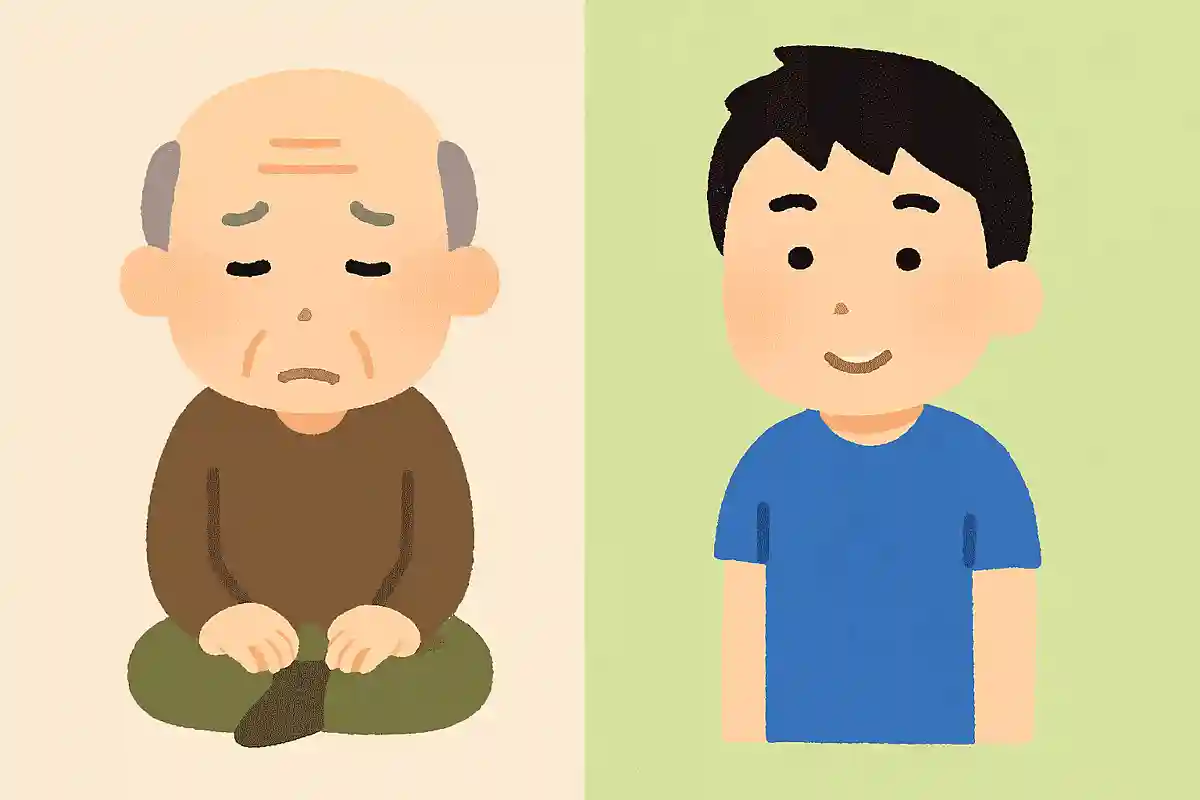
As we get older, I think everyone feels that time seems to pass more quickly.
Here’s a bit of trivia about that sensation of time flying by—one that also evokes the transience of life.
This change in perception is often explained by a theory called the “Janet’s law” (the law of proportionality of time), which says that for a five-year-old, one year is one-fifth of their life, while for a fifty-year-old, one year is one-fiftieth of their life.
Applying this theory, if we assume a lifespan of 80 years, it leads to the conclusion that by age 19, half of one’s life has already passed.
Because we can viscerally feel this change in our sense of time—and it somehow makes intuitive sense—it’s the kind of trivia you’ll wish you had come across sooner.

In pink coloring, such as for strawberry milk, insects are used.
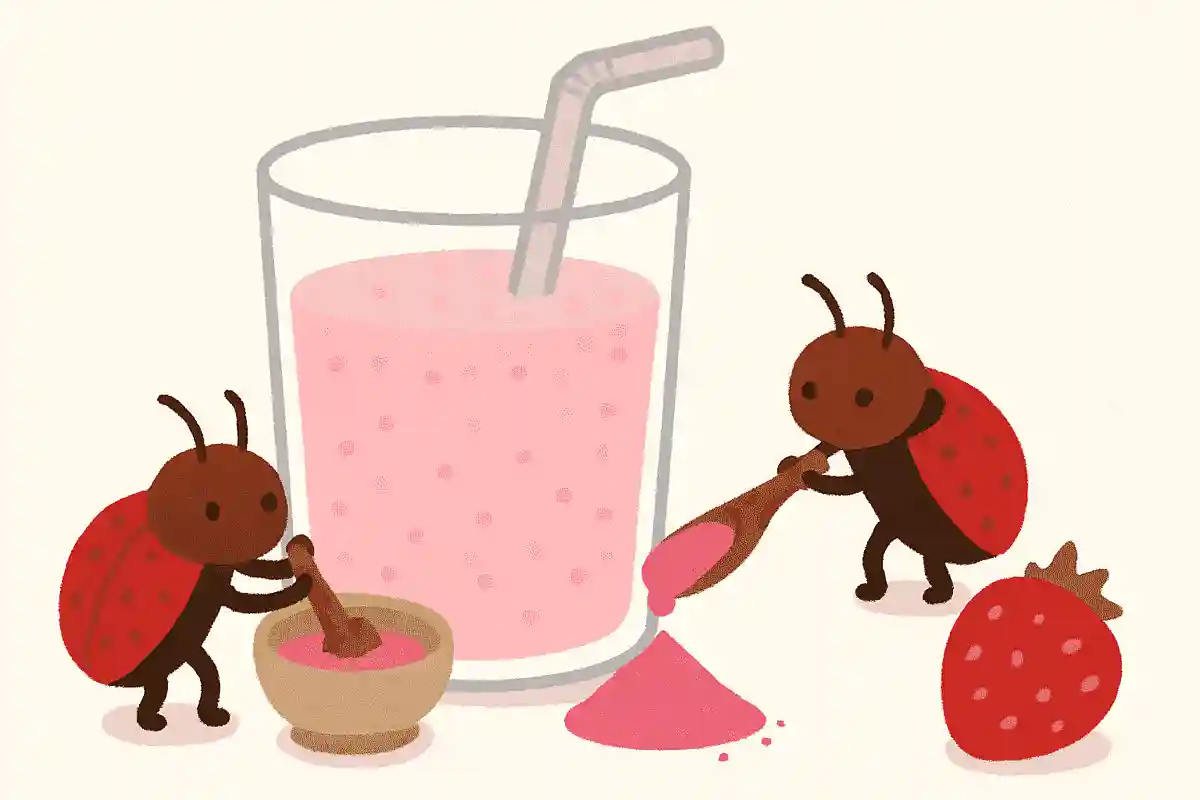
Have you heard of an insect called the cochineal scale? The female is shaped rather like a pill bug, while the male looks like a cross between a wasp and a fly, with even a long tail that gives it a somewhat elaborate form.
As far back as the days of the Maya and Inca empires, it was already being cultivated and used mainly as a dye for coloring.
And today, that insect is used to make the pink coloring that many of you consume regularly.
The strawberry hue in ice cream, the cute pink seen in red-and-white fish cakes—those colors can actually come from insects! That’s a shocking fact for anyone who dislikes bugs.
There’s a study showing that the chance of dying on your birthday is 13.8% higher than on other days.
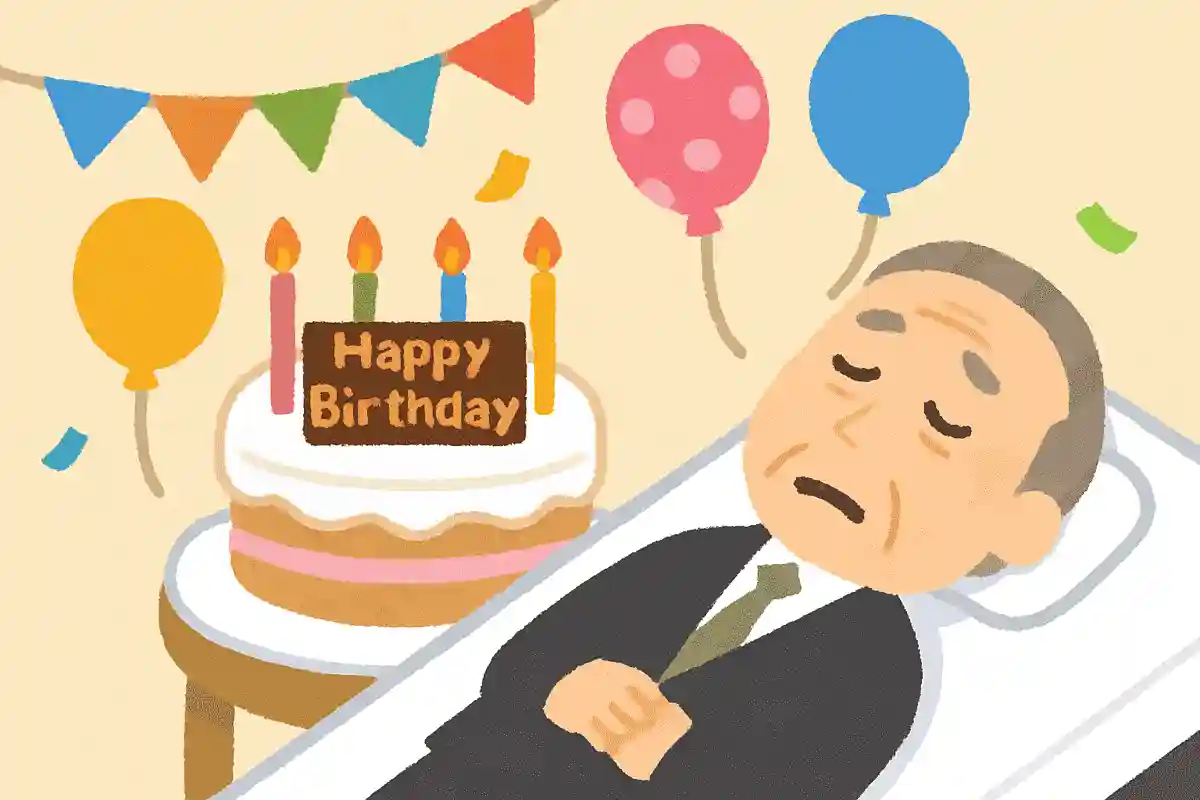
A birthday celebrates the day you were born.
However, there’s research that makes us reflect more deeply on life, showing that the risk of dying is higher on one’s birthday than on other days.
According to the findings, the mortality rate on birthdays is 13.8% higher than on other days, and when broken down by age, an increase in mortality was observed among those aged 60 and over.
While the exact reasons remain unclear, one hypothesis suggests that psychological factors associated with reaching a milestone might play a role.
It’s a bit of trivia that seems to suggest it may be important for our physical and mental well-being not to fixate too much on birthdays and to spend the day as calmly as possible.
Responding to someone’s sleep talk lowers the quality of their sleep.
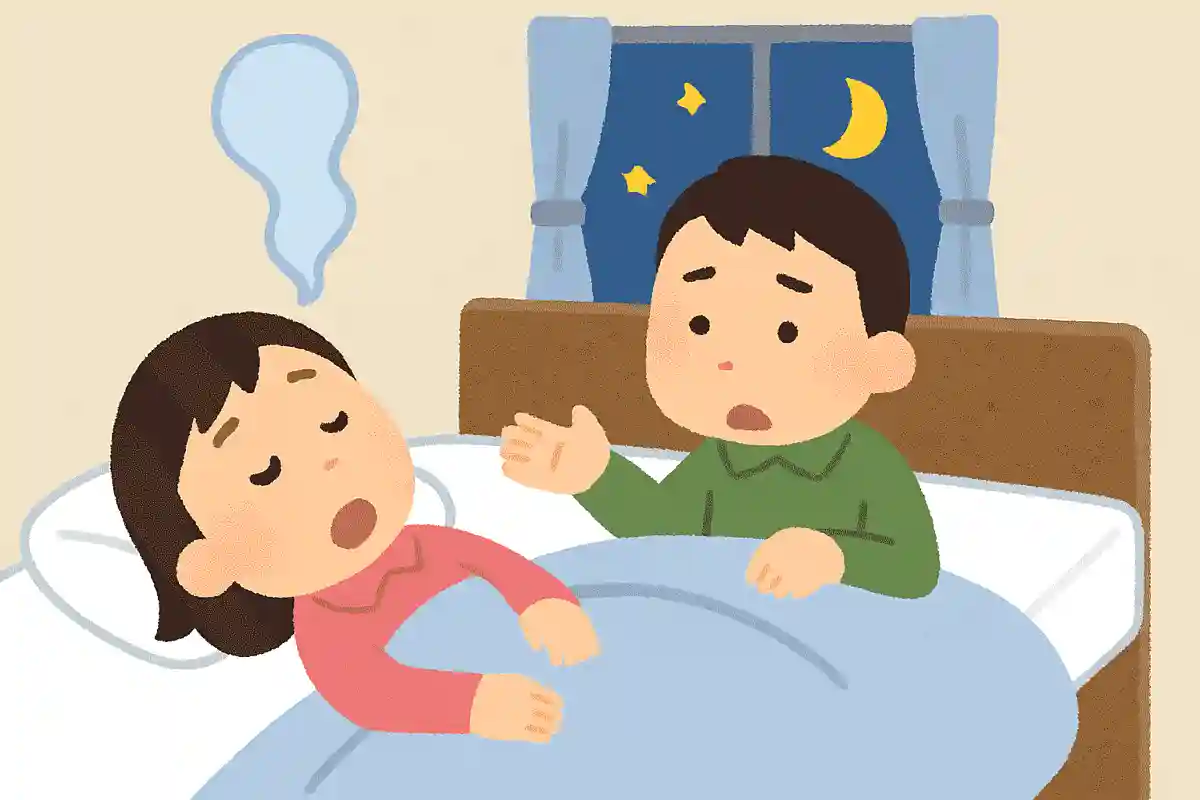
Some people talk in their sleep so clearly that it sounds like a normal conversation, possibly influenced by the dreams they’re having.
It’s said that even if you hear sleep-talking next to you that seems to be calling out to you, you shouldn’t respond.
This might conjure up superstitious, occult-like ideas such as “their soul will be taken to the other side,” but even from a scientific standpoint, it’s better not to answer sleep-talk.
The reason is simple: the moment the sleep-talking turns into a conversation, the brain responds, sleep becomes lighter, and the quality of sleep declines.
In that sense, the superstition isn’t entirely wrong, since poor-quality sleep can affect one’s health.
If there are 35 sheets or fewer of toilet paper, E. coli can pass through and get on your hands.
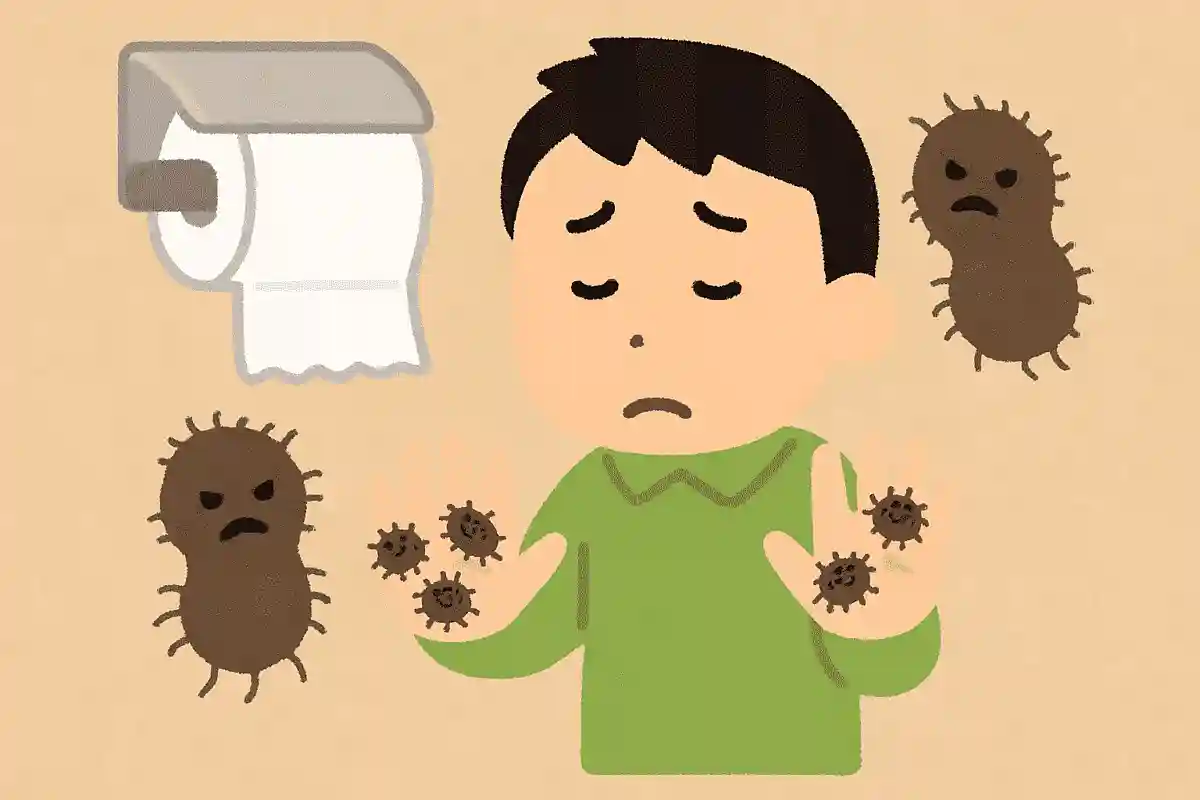
You might choose thick toilet paper or try to layer it as much as possible, using it with hygiene in mind.
Here’s a depressing bit of trivia that undermines those efforts.
It may seem like toilet paper prevents E.
coli from getting on you, but in fact, it would take as many as 36 layers to completely block bacterial transfer.
And it’s not just during wiping—bacteria are present on various parts of the restroom, such as the toilet lid and the flush lever—so it’s essentially impossible to avoid contact with germs in the bathroom.
Along with the unsettling reality that toilet paper doesn’t fully protect you, this also underscores the importance of thoroughly washing your hands after using the restroom.