

Commercial songs from the 70s. Nostalgic TV commercial jingles.

When it comes to music of the 1970s, it was an era that produced countless classic songs—often called Showa Kayō—that are still loved today.
Naturally, many of these timeless hits were used in commercials at the time.
What’s more, numerous 70s tracks that were popular with listeners back then have also been picked up as commercial songs decades after their original release!
In this article, we’ll introduce a wide range of songs: not only those used in real time during the 1970s, but also tracks released in the 70s that were later featured in commercials.
From nostalgic commercials of the era to recently aired spots, enjoy a comprehensive look at 70s masterpieces that continue to be loved across generations.
- [Classic Hits of the 70s] A Compilation of Western Songs Used in Commercials
- Catchy Showa-era commercial jingles. Introducing famous songs recently featured in commercials, too!
- Nescafé commercial songs: timeless classics, both new and nostalgic, that suit a rich aroma
- [Nostalgic Commercials] A compilation of commercials that aired in the Showa era
- 80s commercial songs. A roundup of Japanese songs from the 80s that have been used in commercials.
- Coffee commercial song. Popular commercial jingle.
- Heartwarming nostalgic commercial jingles: a special collection of timeless hits that take you back.
- Catchy commercial jingles. A roundup of those songs grabbing attention in ads!
- Classic enka songs featured in commercials, along with original CM tracks, introduced together!
- A collection of nostalgic hit songs and classics from the 70s
- Cosmetics commercial song. Popular commercial jingle.
- [Going Viral!] A Special Feature on the Cute Songs Used in Commercials
- A must-see for people in their 30s and 40s! A roundup of nostalgic 1990s commercial jingles
Commercial songs from the 1970s: Nostalgic commercial jingles (31–40)
Your eyes are 10,000 voltsHoriuchi Takao

This is one of Takao Horiuchi’s signature solo songs, used in a Shiseido commercial.
The lyrics were written by Shinji Tanimura.
Released in August 1978, it reached number one on the Oricon singles chart and peaked at number two on The Best Ten.
Premonition of Spring -I’ve been mellow-Minami Saori

This is a single by Saori Minami released in January 1978.
The song was written and composed by Ami Ozaki, who later covered it herself.
It peaked at number 25 on the Oricon charts.
It was used as a commercial song for Shiseido and DDI.
The Tree of HitachiAsa Kōtarō, Hide Yuuki, Shingāzu Surī

The Hitachi commercial featuring the big Hitachi tree on Oahu, Hawaii has remained familiar even since the 2000s.
The lyrics are catchy, so many people probably remember it! From when the song was first adopted through the sixth generation of the commercial, the vocals were performed by singers Kotaro Asa and Hide Yūki, along with the female chorus group The Singers Three.
The song was also used at the Hitachi Group Pavilion at Expo 2005 Aichi, Japan, and it plays every day at noon at Tsutenkaku in Osaka.
It’s a number that sings about the joy of watching the tree in front of you grow and imagining what form it will take.

Journey of the Heartchūrippu

This is the third single released by Tulip in April 1973.
Until then, Tulip had not been blessed with any hit songs, but this track became popular and reached number one on the Oricon chart.
It was later used in commercials for Toyota and Kirin.
A café in a student districtGARO
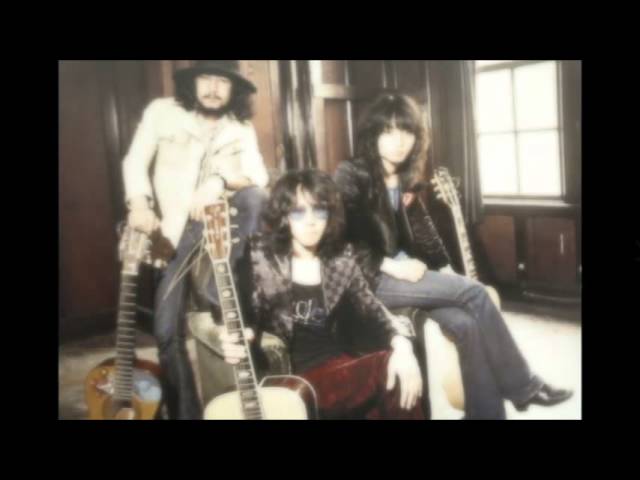
GARO’s “Gakuseigai no Kissaten” (Coffee Shop in the Student District) is a highly popular song included on their 1972 album GARO2, and it was also released as a single.
Although it was initially placed on the B-side at the time of the single’s release, it caught on thanks to radio promotion and went on to become regarded as GARO’s biggest hit.
The song evokes a scene set in a coffee shop in a student neighborhood, and its sound and melody—tinged with a certain darkness—are especially memorable.
When the track is used in commercials, the focus often falls on the “student” aspect, drawing on the lyrics to convey a strong sense of nostalgia.

Commercial songs from the 70s: Nostalgic commercials (41–50)
SuccessDaun Taun Bugiugi Bando

This is a single released in March 1977 by the rock band Down Town Boogie-Woogie Band, which was used as a commercial song for Shiseido Aquea.
The music was composed by Ryudo Uzaki and the lyrics were written by Yoko Aki.
It’s a song about a woman waiting for a man.
Travel Lodgeyoshida takurou

The intro, which begins with harmonica and guitar arpeggios, is striking.
It was released by CBS/Sony in July 1972.
Lyrics by Osami Okamoto, music by Takuro Yoshida.
The previous single was “Let’s Get Married,” and this is the fourth single, which reached No.
1 on the Oricon charts.