

[For Seniors] Perfect Brain Training! Fun Trivia


When working at a senior care facility, you may sometimes need to come up with recreation activities or topics for conversations with older adults.
Do you ever struggle with ending up with similar recreation activities all the time or having the same conversations over and over?
So this time, we’ll introduce some fun trivia for older adults that can liven things up.
As people age and accumulate abundant knowledge and experience, they tend to have fewer opportunities to encounter new things and information.
However, incorporating new information such as trivia can evoke surprise and enjoyment, which is said to stimulate the brain.
After a long time, discovering something new and fun can make them want to share it with other seniors or their family members.
Trivia also helps promote communication by encouraging conversations with others.
- Conversations Made Easy! A Collection of Topics That Elderly People Enjoy
- [For Seniors] Fun and Informative! Trivia and Quizzes Introduced
- [Brain Training] Lively Word Quiz for Seniors
- [For Seniors] Lively two-choice trivia quiz. Handy to know and tidbits you'll want to share with others
- [For Seniors] Guaranteed to Liven Things Up! A Collection of Brain Training Activities That Will Spark Laughter
- [For Seniors] Fun and Informative! Health Trivia Quiz
- [For Seniors] Fun and Informative Trivia Quiz Collection
- Fun, engaging topics for conversations with older adults!
- Hand games that liven things up for seniors—also great brain training
- [For Seniors] Sports Trivia Quiz & Fun Facts. Easy and Entertaining
- [For Seniors] Recommended for Brain Training! Nostalgic Showa-Era Quiz
- [For Seniors] Great for killing time! A fun three-choice trivia quiz
- [For Seniors] Challenging but Exciting! Kanji Quiz
[For Seniors] Perfect for Brain Training! Exciting Trivia (111–120)
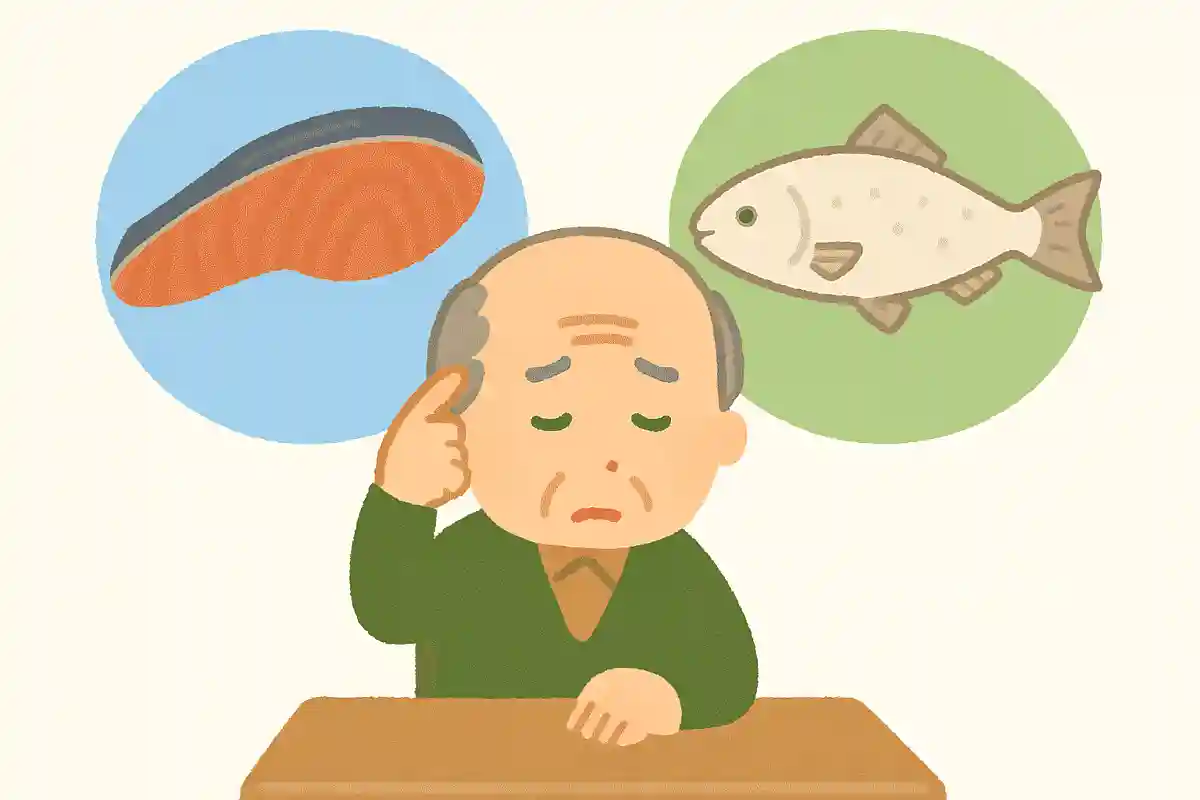
Is salmon a white-fleshed fish or a red-fleshed fish?
- egg white
- lean meat
See the answer
egg white
Because fish with red flesh are called akami (red meat) and those with white flesh are shiromi (white meat), many people will of course answer “red meat!” for salmon based on its appearance—making it a bit of a trick question. Salmon’s lateral muscles are actually composed of white muscle, and when they are fry their flesh is white, but it becomes redder as they grow. They contain astaxanthin—the same pigment found in shrimp and crabs—which makes them look red.

[For Seniors] Perfect for Brain Training! Exciting Trivia (121–130)
The sea bream-shaped taiyaki originally had the shape of a different creature. What shape was it?
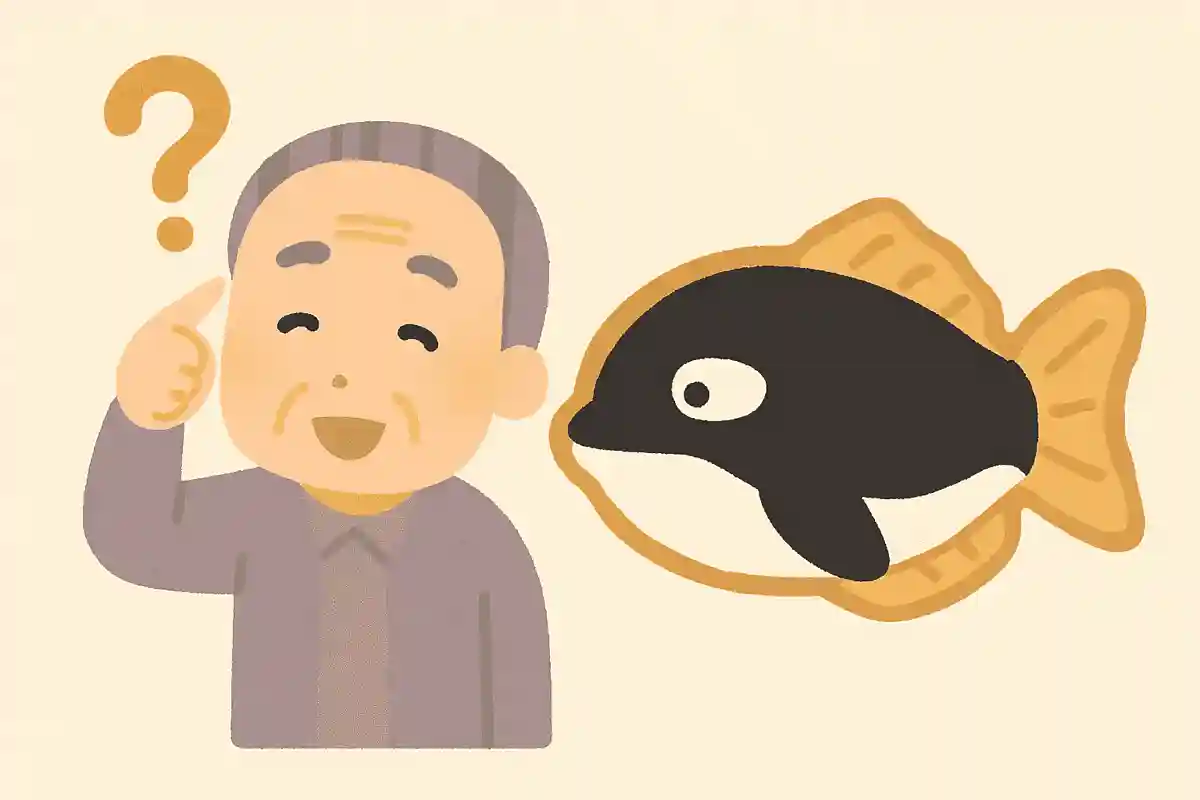
It’s hard to imagine taiyaki being in any shape other than a sea bream, isn’t it? Even for seniors who’ve eaten dozens of them, this might be a tricky question.
Here’s a hint: it’s a creature that comes in large and small sizes and is sometimes kept as a pet.
Some seniors might even have kept one in the past.
And the biggest hint is that it has a hard shell! The answer is, of course, a turtle! It was even called “kameyaki,” meaning turtle-shaped yaki.

In Germany, the birthplace of the cuckoo clock, the bird that pops out isn’t a pigeon. What kind of bird is it?
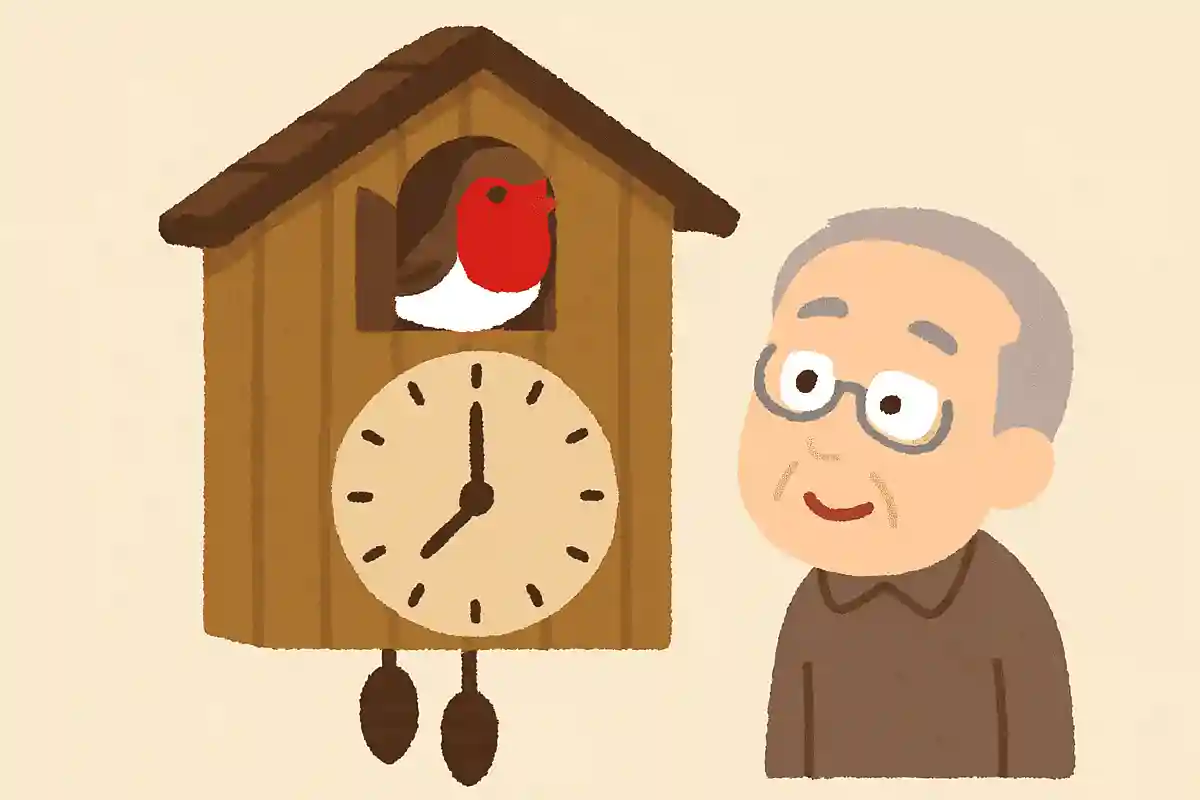
At the top of the hour, a small window opens and a little bird pops out to announce the time—that’s a cuckoo clock.
In Germany, where it originated, the bird that pops out isn’t a dove.
So, what bird is it? The answer is the cuckoo.
The clock originally comes from Germany’s southwestern Black Forest, called Schwarzwald, and around the world it’s known as a “Kuckucksuhr.” Kuckuck means “cuckoo.” In Japan, however, because “cuckoo” evokes the image of an unpopular, deserted place, the bird became a dove, a symbol of peace.

The origin of the 3 o’clock snack
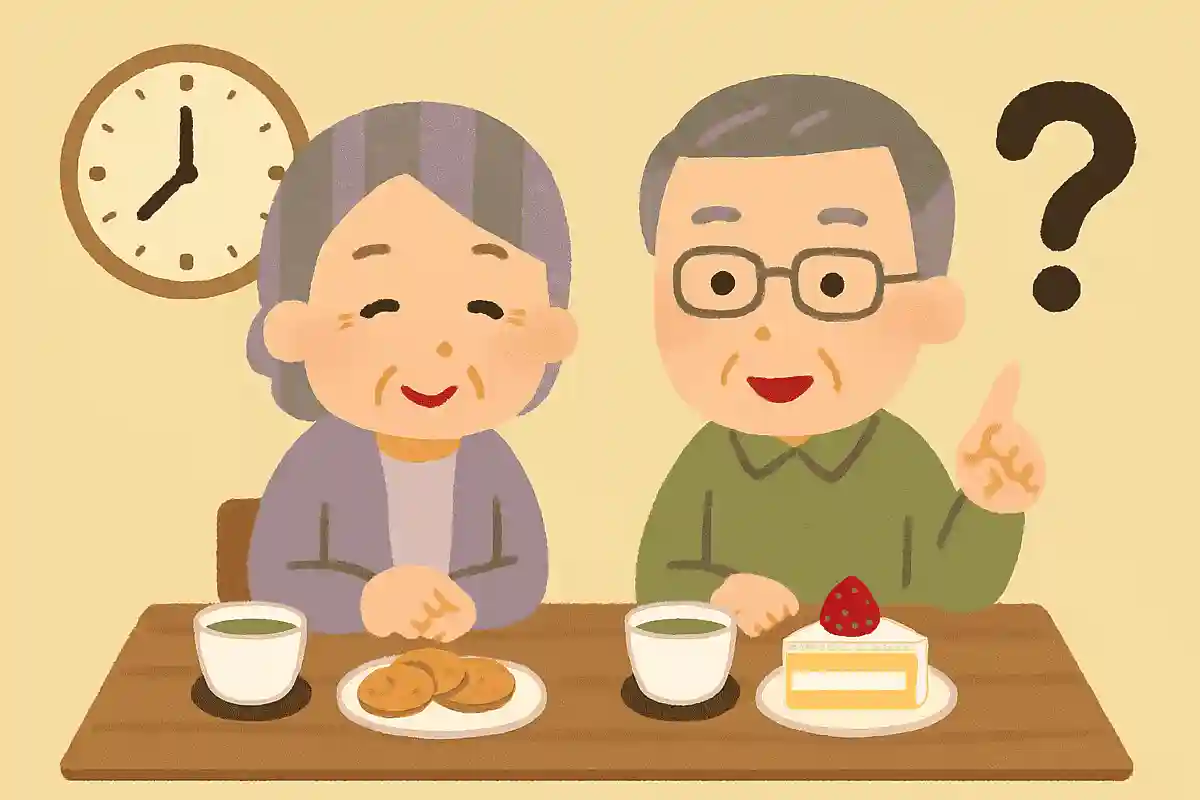
Even if you eat proper meals in your daily life, there are times when you start to feel hungry, right? Snacks help sustain your energy at those times, and for some people, that snack time is something to look forward to.
The phrase associated with snacks, “san-ji no oyatsu” (the 3 o’clock snack), is closely related to the origin of the word oyatsu itself.
In the Edo period, the time between 2 p.m.
and 4 p.m.
was called yatsudoki (the eighth hour), from which the word oyatsu is said to have originated.
It’s interesting that both “3 o’clock” and “oyatsu” point to a similar idea, isn’t it?

Strawberry Quiz

When it comes to fruits that evoke spring, strawberries come to mind.
These days you can find them in supermarkets even in winter, but strawberries are originally in season in spring.
Because they’re sweet and often used in desserts, some older adults may be fond of them as well.
A quiz about strawberries—an iconic spring fruit that’s familiar to older adults—would likely get everyone excited.
Through the quiz, you’ll also have the chance to learn surprising facts about strawberries.
It can be a fun way for older adults to discover things they didn’t know about strawberries.
Enjoy a delightful time with a strawberry quiz!

Why the front and back (belly and butt) parts of a dress shirt are longer
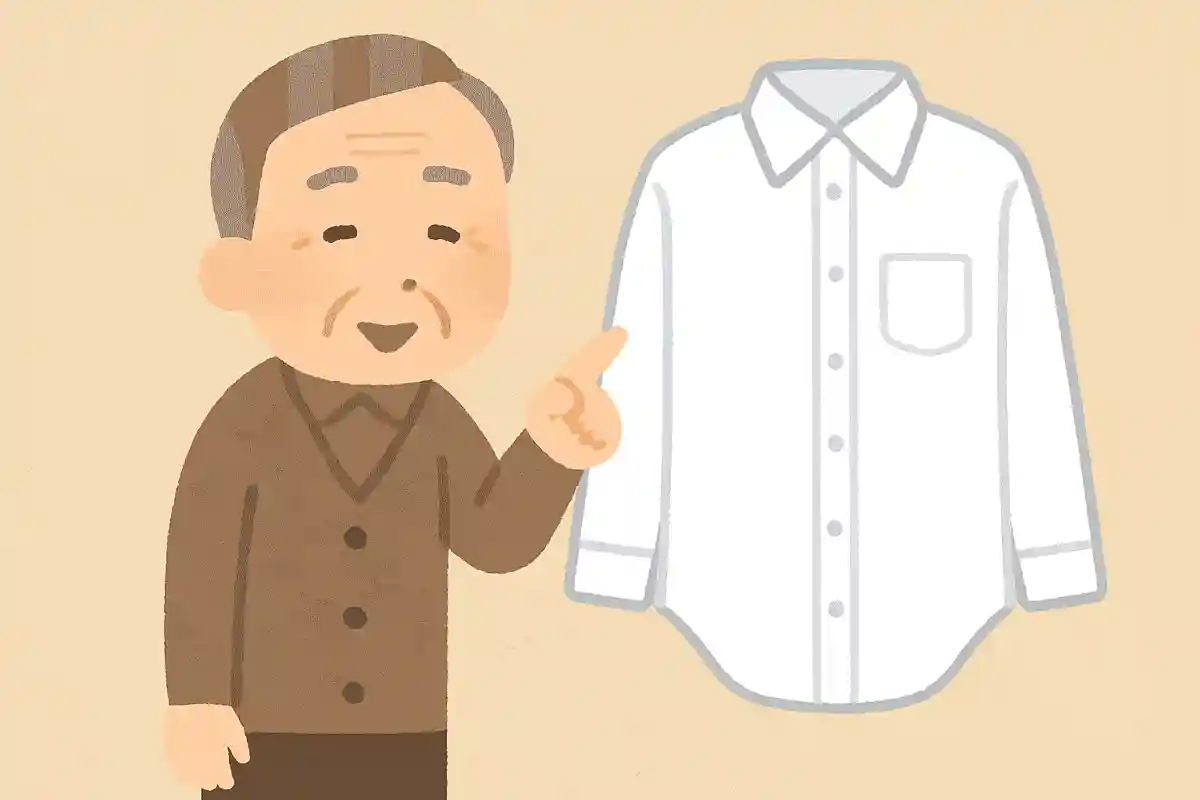
Dress shirts are often worn in formal settings, such as paired with a suit.
A common annoyance with them is that the long front and back tails tend to come untucked as you move.
Those seemingly unnecessary long tails actually come from the history of the dress shirt.
Originally worn under a jacket, the dress shirt was treated as underwear, and people would button the long front and back flaps together and use them in place of trousers.
It’s a bit of trivia that also invites reflection on the cultural differences between Japan and Europe.
The surprising truth: Tokyo Tower was built using materials from American tanks!
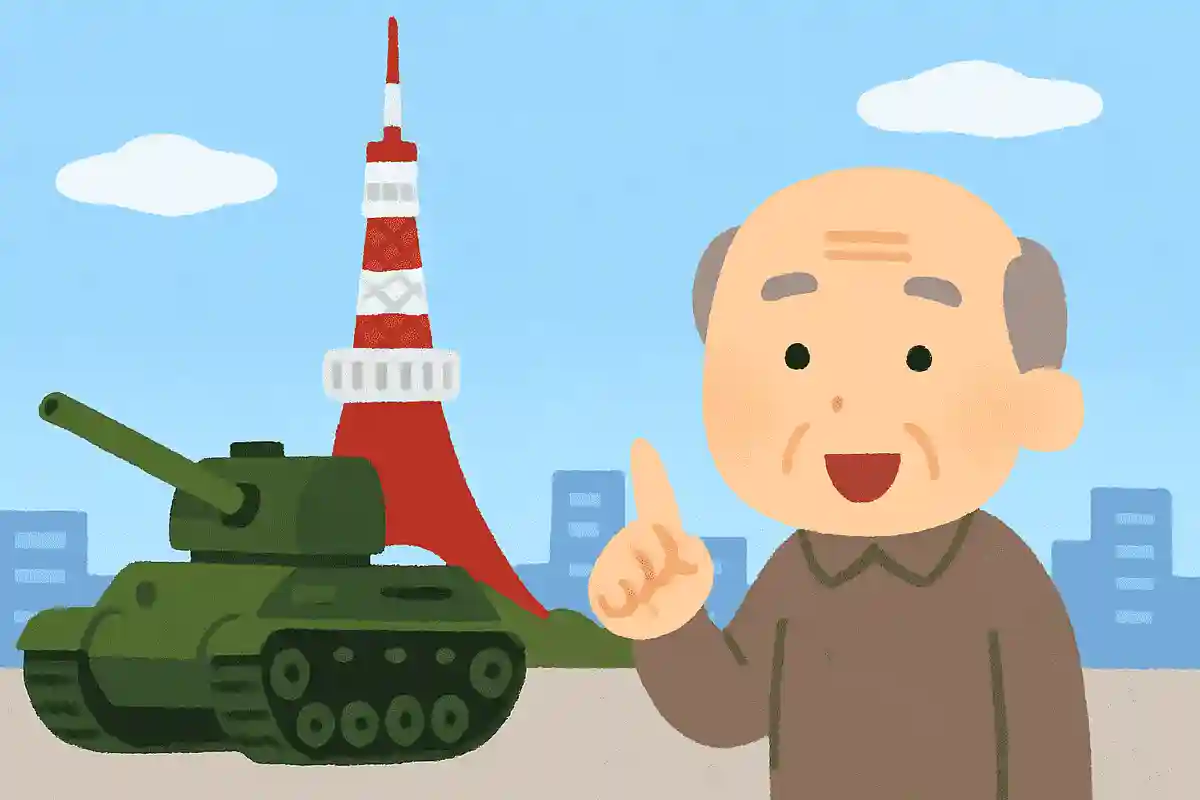
Speaking of Tokyo Tower, it used to be a classic destination for school trips back in the day, but lately it seems that spot has been taken over by Tokyo Skytree.
Still, that vermilion silhouette of Tokyo Tower really feels quintessentially Tokyo, doesn’t it? The name “Tokyo Tower” was chosen through a public naming contest, and apparently one of the candidates was “Showa Tower.” It’s not widely known that steel from American military tanks was used in the construction of Tokyo Tower.
It’s said this happened because America didn’t want to shoulder the high cost of bringing the tanks home after the war, while Japan was struggling with a shortage of steel—interests that aligned.
When you look up at it with that in mind, it feels somehow poignant, doesn’t it?