

[For Seniors] Perfect Brain Training! Fun Trivia


When working at a senior care facility, you may sometimes need to come up with recreation activities or topics for conversations with older adults.
Do you ever struggle with ending up with similar recreation activities all the time or having the same conversations over and over?
So this time, we’ll introduce some fun trivia for older adults that can liven things up.
As people age and accumulate abundant knowledge and experience, they tend to have fewer opportunities to encounter new things and information.
However, incorporating new information such as trivia can evoke surprise and enjoyment, which is said to stimulate the brain.
After a long time, discovering something new and fun can make them want to share it with other seniors or their family members.
Trivia also helps promote communication by encouraging conversations with others.
- Conversations Made Easy! A Collection of Topics That Elderly People Enjoy
- [For Seniors] Fun and Informative! Trivia and Quizzes Introduced
- [Brain Training] Lively Word Quiz for Seniors
- [For Seniors] Lively two-choice trivia quiz. Handy to know and tidbits you'll want to share with others
- [For Seniors] Guaranteed to Liven Things Up! A Collection of Brain Training Activities That Will Spark Laughter
- [For Seniors] Fun and Informative! Health Trivia Quiz
- [For Seniors] Fun and Informative Trivia Quiz Collection
- Fun, engaging topics for conversations with older adults!
- Hand games that liven things up for seniors—also great brain training
- [For Seniors] Sports Trivia Quiz & Fun Facts. Easy and Entertaining
- [For Seniors] Recommended for Brain Training! Nostalgic Showa-Era Quiz
- [For Seniors] Great for killing time! A fun three-choice trivia quiz
- [For Seniors] Challenging but Exciting! Kanji Quiz
[For Seniors] Perfect for Brain Training! Exciting Trivia (131–140)
In 1970 (Showa 45), the local call charge for public telephones became 10 yen for 3 minutes. What had the pricing structure been like before that?

Public telephones used to be essential for making calls while out and about, but as time has gone on, we see them less and less.
Because opportunities to use them have decreased, many of us may no longer have a clear sense of the cost, but the rate is set at 10 yen for three minutes.
That “10 yen for three minutes” rate was introduced in 1970; before that, the pricing was different.
So what was the rate before 1970? The answer is “10 yen per call.” As long as you paid 10 yen, there was no time limit—your call would stay connected without worrying about the duration.
It’s worth noting the anecdote that many people would monopolize the phone for long periods because of this.

What does the term “zenchi” (as used when someone is injured) mean?

- No longer having difficulties in daily life
- That the treatment at the hospital has been completed.
See the answer
That the treatment at the hospital has been completed.
“Zenchi” is written with the characters for ‘everything’ and ‘healed,’ so you might think it means a complete recovery and being able to live your daily life as before. However, the term actually refers to the end of medical treatment at the hospital. Recovering to the point where there is no hindrance to daily life is called “kanchi,” or complete recovery.

Eating tomatoes can help prevent a certain disease. What disease is it?
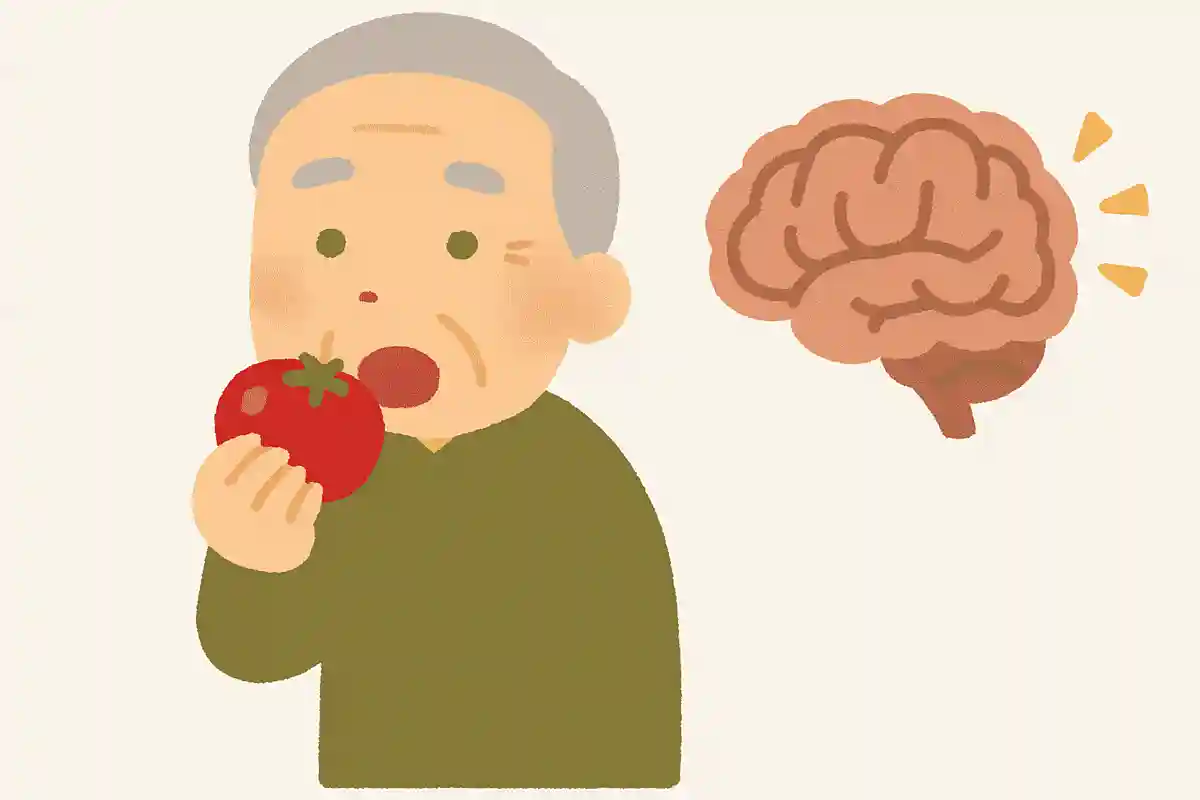
If tomatoes can help easily prevent diseases, you’d want to make sure to include them in your daily meals, right? So what diseases can tomatoes help prevent? Here’s a hint: over 50% of people will develop this disease at some point in their lives, and it can also be prevented by improving lifestyle habits.
The answer is cancer! The vitamins A, C, and E in tomatoes, as well as lycopene—an antioxidant—are said to suppress reactive oxygen species that can cause cancer.
This effect of tomatoes has been supported by many findings around the world.

Until when does New Year’s Day—the first day of the year—refer to?

- Morning of January 1
- All day on January 1
See the answer
Morning of January 1
The character 旦 has the meaning of “morning,” so Gantan refers to the morning of January 1st, specifically the forenoon. Then you might wonder, what word refers to the entire day of January 1st? In that case, you use Ganjitsu. It’s a fun little fact you’ll want to share with others!
The origin of the name of the salad-flavored rice crackers
Do you have a favorite flavor of senbei (rice crackers)? Many people might say “salad” flavor.
However, few probably know the origin of that name.
It dates back to the 1960s.
Kameda Seika, a company that sells senbei, used salad oil—which was expensive at the time—to help the salt adhere to the crackers.
To highlight the use of salad oil and because the term sounded stylish, they decided to call it “salad flavor.”

In conclusion
When you learn trivia about the origins and reasons behind the things you casually use or see in everyday life, it can be quite surprising. The joy of discovering what you didn’t know leads to a more vibrant daily life. During recreation, try making it into a quiz or adding other creative twists, and enjoy it.