

A masterpiece by Franz Liszt. Popular classical music.

We introduce the masterpieces of Franz Liszt, who was born in Hungary and was active across Europe, including Germany and Austria.
From the works of Liszt—renowned as a pianist and also a composer for famous pieces such as La Campanella and Liebesträume—we present recommended and representative masterpieces, including not only piano works but also symphonic pieces performed by orchestra.
Please enjoy the many wonderful masterpieces by this composer, known as the “Magician of the Piano” for the anecdote that he could sight-read and master any piece.
- Franz Liszt Popular Song Ranking [2026]
- [Masterpiece Classics] A special showcase of gem-like masterpieces so beautiful they’ll move you to tears
- Brahms's masterpieces. Popular classical music.
- Gabriel Fauré | Introduction to His Famous and Representative Works
- Popular classical piano pieces. A collection of masterful performances by Japanese pianists.
- Robert Schumann | Introduction to his famous and representative works
- Dvořák’s masterpiece. Popular classical music.
- [Violin] A curated selection of beloved classic masterpieces and popular pieces that continue to be cherished across eras
- Masterpieces by Franz Schubert: Sparkling classical works left by the King of Song. Recommended classical music.
- A masterpiece by Richard Strauss. Popular classical music.
- Mozart: An Introduction to His Signature and Popular Works
- A poignant classic masterpiece. Recommended classical music.
- Sibelius’s famous piece. Popular classical music.
Franz Liszt’s masterpieces. Popular classical music (111–120)
Transcendental Etude No. 7 ‘Heroic’Franz Liszt

Franz Liszt’s representative collection of fiendish pieces, the Transcendental Études.
It includes extremely difficult works like Mazeppa and Feux follets.
This time, I’d like to introduce No.
7, “Heroic,” from the set.
In Japan, it’s also well known by its Italian title, Eroica.
What makes this piece particularly challenging is the sheer abundance of arpeggios.
While it isn’t the most advanced piece in the set overall, its arpeggios are extraordinarily difficult.

Franz Liszt’s masterpieces: Popular classical music (121–130)
“Grandes études de Paganini,” No. 6: “Theme and Variations”Franz Liszt

A masterpiece that fuses a graceful, dignified melody with dazzling piano virtuosity.
It brilliantly arranges Paganini’s violin piece for piano and was released to the world in a revised edition in 1851.
Preserving the elegance of the original while fully drawing out the piano’s unique expressive power, it weaves a magical sound that captivates listeners.
With exquisitely crossed hands, flowing chains of arpeggios, and a seamless execution that belies its technical demands, the performance embodies musical artistry.
Though the playing time is a relatively brief two minutes, this work combines rich musicality with advanced technique, offering a quintessential taste of pianistic delight.
It is an ideal piece for those who wish to command the stage or challenge the possibilities of the piano.
Transcendental Étude “Mazeppa”Franz Liszt

Liszt, who himself became renowned as a pianist possessing exceptional technique and ability worthy of the title “virtuoso,” composed numerous works of transcendental difficulty.
The title “Mazeppa” refers to a real historical figure.
As a teenager, Liszt read and was deeply moved by Victor Hugo’s epic poem about Ivan Mazepa, who is celebrated as a Ukrainian hero.
This piece captivates with its luxurious, heroic music that boldly presses forward, perfectly fitting the word “hero,” interwoven at times with beautifully lyrical melodies.

Consolation (Comfort) No. 3Franz Liszt

One piece from Consolations, a piano collection composed by the piano magician Franz Liszt.
Unlike many of Liszt’s other works that require his signature “transcendental virtuosity,” this set contains more serene pieces and is known for being relatively approachable within his oeuvre.
No.
3 is especially famous and is a popular choice for recitals.
Aim for evenness in the left-hand accompaniment, sing out the elegant melody, and perform with deep expression.

Transcendental Étude No. 1 “Prelude”Franz Liszt

This is a work by Franz Liszt, who was active as a pianist and composer and left behind numerous highly challenging piano pieces.
The Transcendental Études contain twelve studies for piano, and the opening piece, “Prélude,” is brimming with excitement that builds anticipation for the pieces to follow.
Among this collection of notoriously difficult études, it is relatively short and comparatively approachable to play, so if you play the piano and want to experience Liszt’s unique musical world, be sure to give it a try!
List: Années de pèlerinage, Première année “Suisse”, S.160/R.10, A159 No. 3 “Pastorale”. Pf. Mikiko Yamamoto: Yamamoto, MikikoFranz Liszt

This is one of Liszt’s pastoral pieces.
It belongs to the musical genre known as the eclogue and aptly conveys the pastoral mood.
It is as if the countryside and the daily life of shepherds are being communicated through the music.
Grandes études d’après Paganini, S.141 No. 3 in G-sharp minor “La Campanella”Franz Liszt
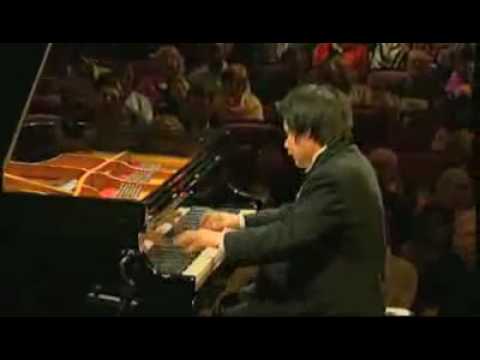

Franz Liszt’s Grandes études de Paganini, S.141 No.
3 in G-sharp minor—one of the pieces many pianists aspire to play—is widely known by its title La Campanella, meaning “the little bell.” This hallmark of Liszt’s demands transcendental technique: it’s a notoriously difficult work packed with passages that torment performers, including rapid, repeated two-octave leaps.
But the sense of fulfillment when you master it is surely exceptional.
While it’s hard to push the tempo like a concert pianist, it might be nice to follow the notes slowly to savor the atmosphere.