

A masterpiece by Franz Liszt. Popular classical music.

We introduce the masterpieces of Franz Liszt, who was born in Hungary and was active across Europe, including Germany and Austria.
From the works of Liszt—renowned as a pianist and also a composer for famous pieces such as La Campanella and Liebesträume—we present recommended and representative masterpieces, including not only piano works but also symphonic pieces performed by orchestra.
Please enjoy the many wonderful masterpieces by this composer, known as the “Magician of the Piano” for the anecdote that he could sight-read and master any piece.
- Franz Liszt Popular Song Ranking [2026]
- [Masterpiece Classics] A special showcase of gem-like masterpieces so beautiful they’ll move you to tears
- Brahms's masterpieces. Popular classical music.
- Gabriel Fauré | Introduction to His Famous and Representative Works
- Popular classical piano pieces. A collection of masterful performances by Japanese pianists.
- Robert Schumann | Introduction to his famous and representative works
- Dvořák’s masterpiece. Popular classical music.
- [Violin] A curated selection of beloved classic masterpieces and popular pieces that continue to be cherished across eras
- Masterpieces by Franz Schubert: Sparkling classical works left by the King of Song. Recommended classical music.
- A masterpiece by Richard Strauss. Popular classical music.
- Mozart: An Introduction to His Signature and Popular Works
- A poignant classic masterpiece. Recommended classical music.
- Sibelius’s famous piece. Popular classical music.
Franz Liszt’s masterpieces. Popular classical music (131–140)
Liebesträume (Three Nocturnes), No. 3 in A-flat majorFranz Liszt
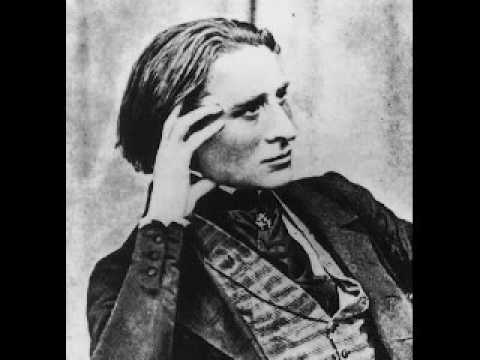
Liszt was a Hungarian composer.
Liebesträume was originally a set of songs that Liszt wrote for soprano and tenor solo around 1845–1850, but he arranged them for solo piano and titled them Nocturnes.
The melodies are sweet and accessible.
“Sigh” from Three Concert ÉtudesFranz Liszt

Among Liszt’s works, this is one of the most beloved.
It is included in Three Concert Etudes, and although it is an etude, it does not merely demand technique and stamina; it possesses the character of a salon piece overflowing with sweet, poetic lyricism.
In addition to its sentimental, luscious melody, the technique of crossing the left and right hands makes for a visually dazzling performance, captivating many listeners.

“Mazeppa,” No. 4 from Transcendental ÉtudesFranz Liszt

A quintessentially Lisztian piece that combines intensity with sweetness—cool and unmistakably his.
“Mazeppa” is a hero who appears in the epic poem Mazeppa by the great French writer Victor Hugo.
It is said to depict the scene from Hugo’s poem in which Mazeppa is tied to a horse and set loose across the wilderness.
In the final chord, Liszt himself wrote, “At last it is over…
yet he rose again and became a king,” expressing the joy of triumph.
Impromptu Waltz (Valse-Impromptu), S.213Franz Liszt

A short piece notable for its improvisational waltz.
At roughly five minutes, it is relatively brief and less well-known than other piano works, but its accessible, elegant character has made it a favorite among many pianists celebrated as virtuosos.
Bagatelle without tonality, S.216a / R.60cFranz Liszt
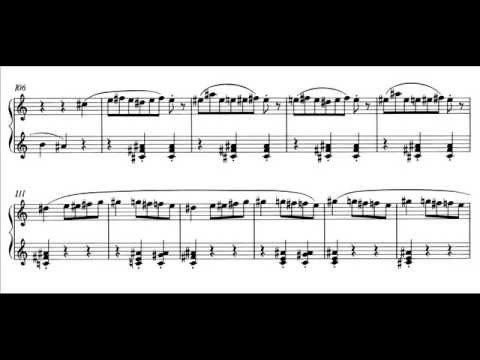
Composed in the final year of his life in 1885, this piece is the first in music history to be explicitly labeled “atonal.” It was originally conceived as “Mephisto Waltz No.
4,” but in the end appears to have been composed as a separate work.
Throughout, beautiful harmonies resonate, yet the piece carries an elusive, hard-to-grasp atmosphere.
Three Concert Études, S.144/R.5: No. 3 “Un Sospiro”Franz Liszt

Franz Liszt’s work captivates with its flowing, mellifluous melody.
Widely beloved as a masterpiece for piano, this piece was composed between 1845 and 1849.
Written around the time Liszt became a court music director, it features an emotionally rich melodic line that reflects Chopin’s influence.
Though it demands advanced technique to carry the melody seamlessly between both hands, its beauty is sure to soothe the listener’s heart.
With a cool, refreshing resonance that makes you forget the summer heat, this piece is recommended for those who wish to relax and listen on a quiet night.
ChristFranz Liszt

It is one of the oratorios composed by Franz Liszt, a composer renowned for his piano works.
Although Liszt was an outstanding pianist, he was also skilled at arrangement, which led him to produce many orchestral works.
Moreover, as a composer deeply committed to his Catholic faith, he devoted himself to composing and reforming sacred choral music, and thus also wrote oratorios.
Christus is a work that incorporates many elements of Gregorian chant chorales, with texts drawn from the Bible and the Catholic liturgy.
Liszt also composed another oratorio titled The Legend of St.
Elizabeth.