

[For Elementary School Kids] A New Year’s Quiz Everyone Can Enjoy! Learn surprising fun facts with multiple-choice questions

When it comes to New Year’s in Japan, there’s so much to enjoy—osechi cuisine, New Year’s money (otoshidama), and the first shrine visit of the year (hatsumode).
But why is there a mandarin orange placed on top of kagami mochi? And what should you do after drawing an omikuji fortune? Have you ever been stumped when your child asked you about these unexpected New Year’s tidbits? Here, we’ve gathered a collection of New Year-themed quizzes that both kids and adults can enjoy together.
From the New Year deity (Toshigami-sama) to the proper timing of the first dream (hatsuyume) and the origins of ozoni soup, this is full of Japanese traditions you might think you know—but don’t.
Challenge yourselves as a family over the New Year holidays and savor Japanese culture more deeply!
- Let's get excited with a New Year quiz! General questions about the Japanese New Year
- [For Kids] January Trivia Quiz & Fun Facts: Learn About the New Year in a Fun Way
- Fun quizzes for elementary school kids: a collection of questions everyone can enjoy together
- Easy Riddles for Elementary School Students
- [Simple and Fun] New Year’s Quizzes Recommended for Seniors
- Fun facts you’ll want to share! January trivia and tidbits special
- [For Elementary School Students] Exciting Christmas Quiz! Fun and Educational Questions
- [For Kids] Today’s Quiz Roundup: Let’s play quizzes about today! [March 2026]
- [Trick Quiz] Quiz Questions That Excite Everyone from Kids to Adults
- [For Kids] December Trivia Quiz & Fun Facts! Learn about seasonal events and traditions!
- So interesting you’ll want to tell someone! December Trivia & Fun Facts Special
- [For Seniors] Brain-training quizzes for January: Let’s have fun with New Year and winter trivia
- [Fun!] Quizzes to Liven Up a Christmas Party
[For Elementary School Students] A New Year’s Quiz Everyone Can Enjoy! Learn fun and surprising trivia with multiple-choice questions (41–50)
Why did the Chinese zodiac come to have twelve animals?
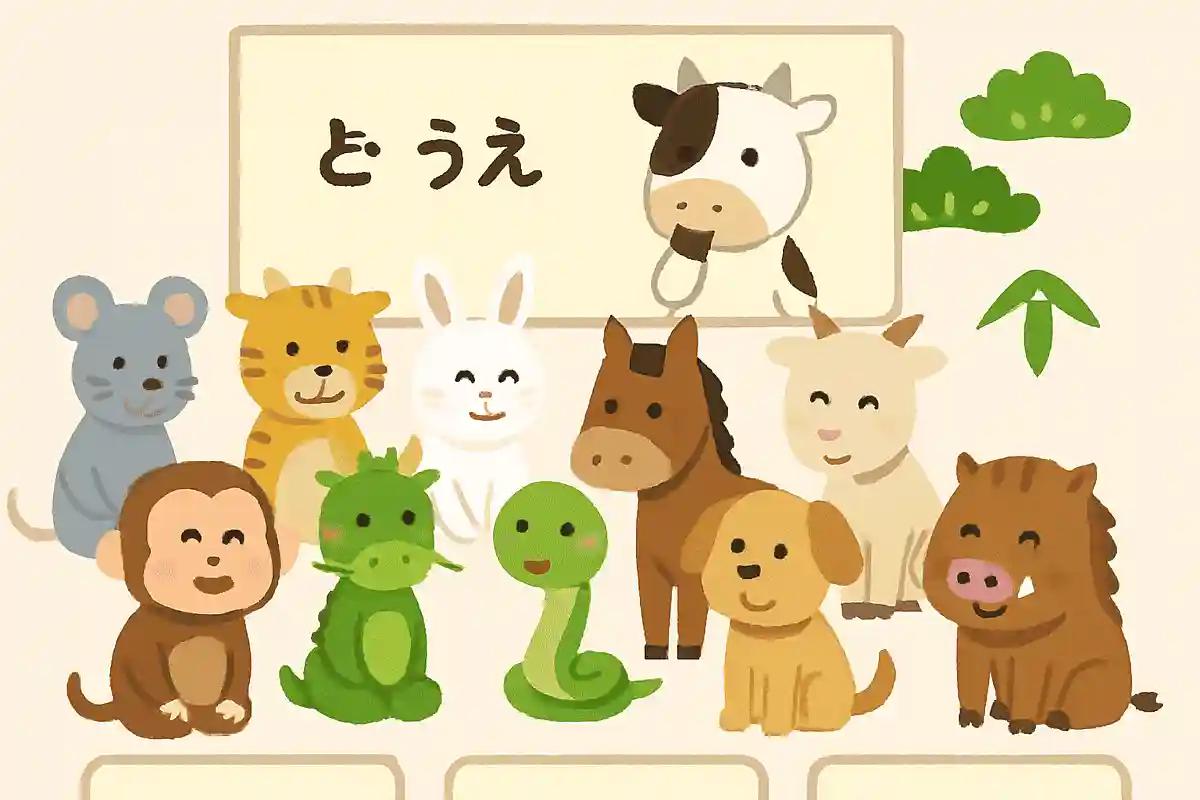
- Because one year has 12 months
- Because 12 animals were chosen for the race.
- Because twelve kinds of feast dishes were served for the celebration.
See the answer
Because one year has 12 months
The fact that there are twelve zodiac signs is related to the old calendar, which counted a year as twelve months. Because of that, one animal was assigned to each month, creating the twelve signs. Later, familiar animals were chosen to make them easier for people to remember, and the system came to be widely used in farming and daily life.

What is the meaning indicated by the New Year’s decoration “shimenawa”?
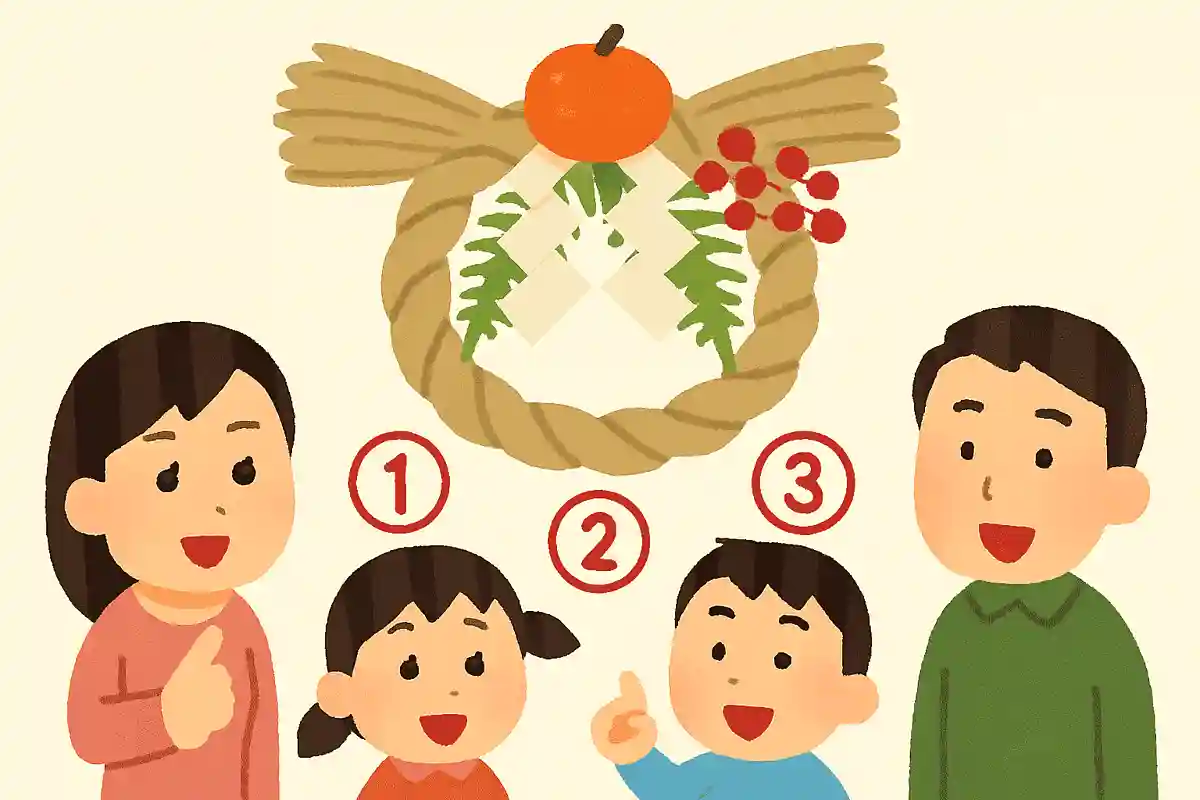
- A wish for the family to spend time together in harmony
- To prevent bad things from coming in
- To pray for a good harvest
See the answer
To prevent bad things from coming in
A shimenawa indicates a pure place where the gods are welcomed and is used to keep evil from entering the home. It is displayed to show that the place is pure so that the Toshigami deity can descend with peace of mind.
What is the black ball attached to the shuttlecock for hanetsuki?
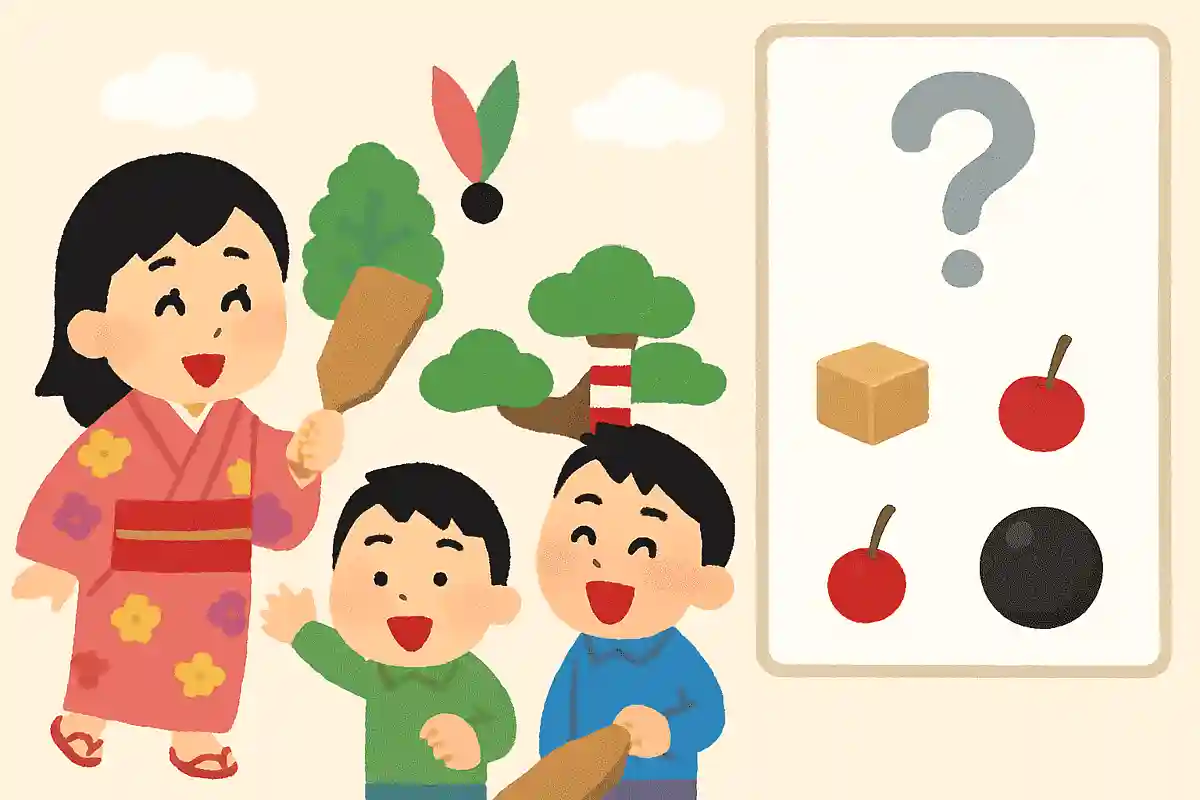
- black soybean
- A rhinoceros beetle ball
- Soapberry seed
See the answer
Soapberry seed
The black bead attached to the shuttlecock in hanetsuki is the seed of a tree called mukuroji (soapberry). Mukuroji seeds are hard and round, making them perfect for hanetsuki shuttlecocks. In the past, hanetsuki was played as a way to ward off evil and was also an event to pray for children’s growth.
Which tool is used for kagami-biraki?
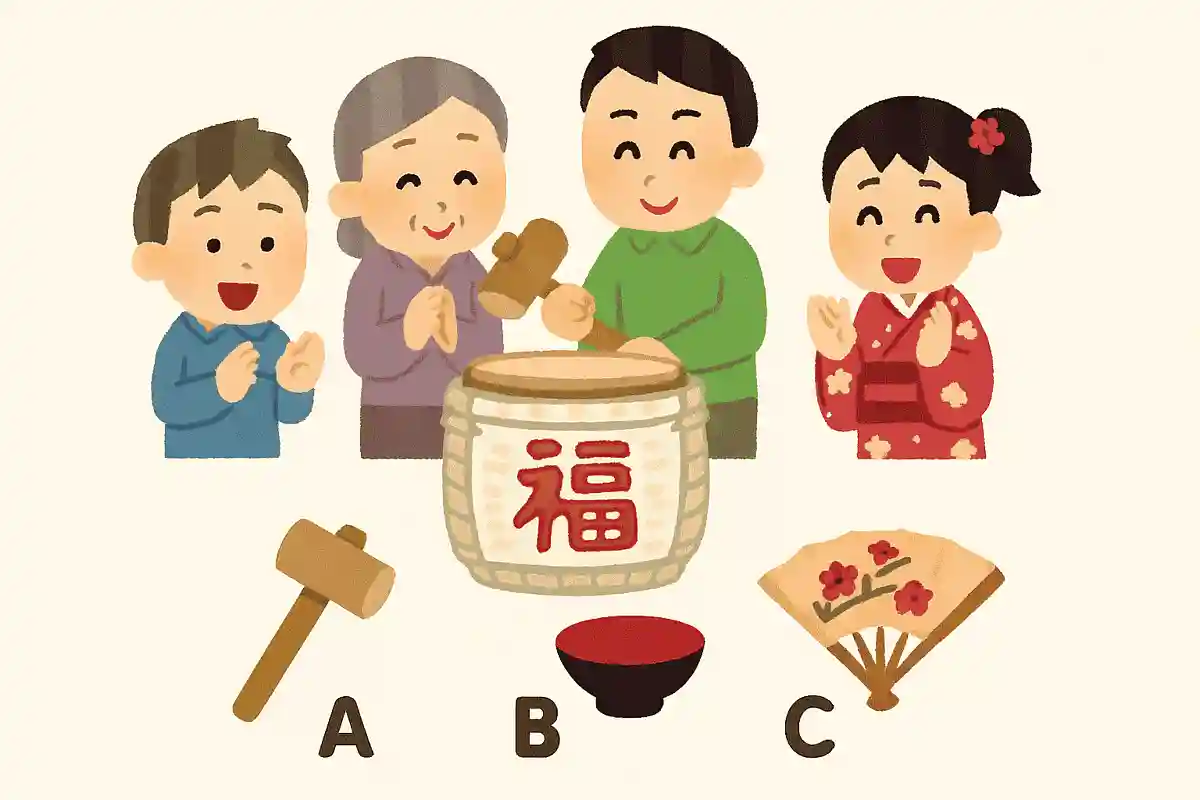
- hammer
- kitchen knife
- scissors
See the answer
hammer
During Kagami-biraki, it is considered inauspicious to cut the kagami mochi with a knife, so it is broken apart using a hammer or wooden mallet. Using blades is avoided because the act of cutting is deemed unlucky, and in the samurai era it was prohibited as it evoked the idea of “cutting down an enemy.” The positive term “to open” was chosen to emphasize good fortune. The broken mochi is eaten in dishes like ozoni or zenzai as a ritual to receive the deity’s blessing.
What does the round shape of kagami mochi symbolize?
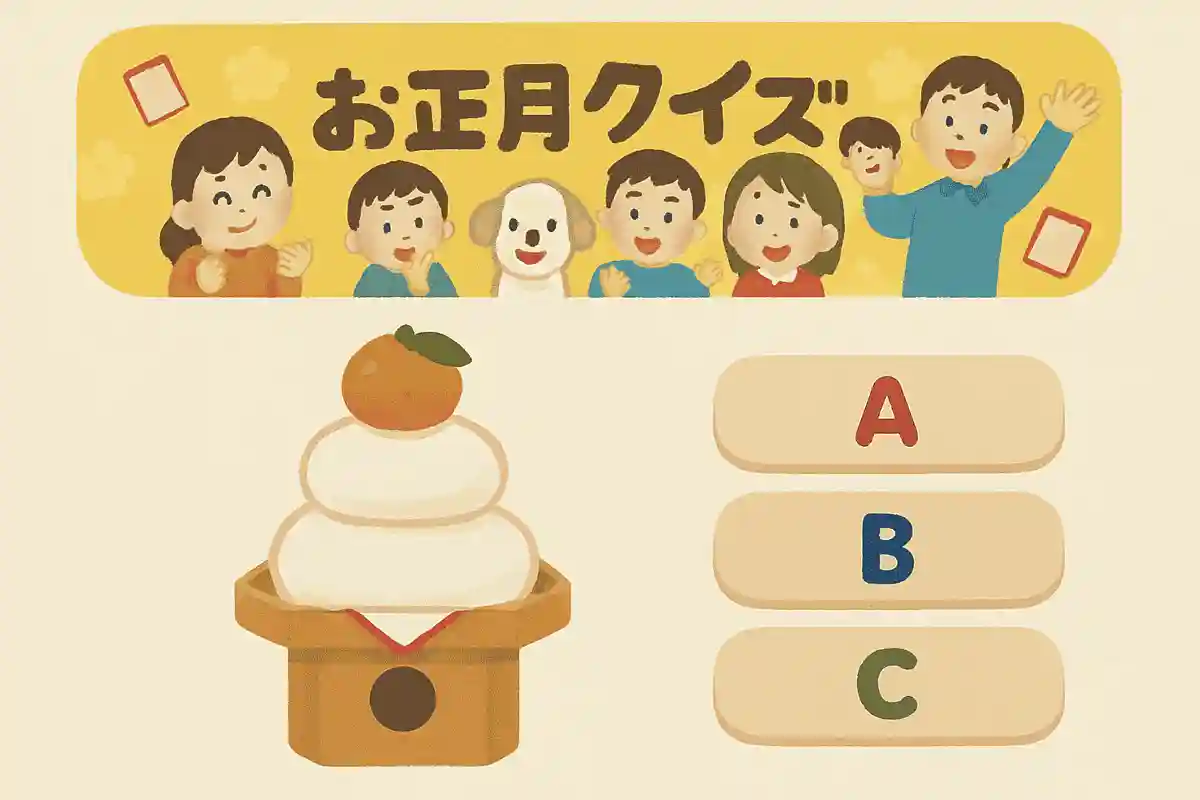
- Sun
- mirror
- Earth
See the answer
Sun
It’s said that the round shape of kagamimochi represents the sun, which has long been believed to be where the gods descend from. It also embodies wishes for harmony and family bonds. Far from being a mere decoration, it is a symbolic New Year’s item that has held sacred meaning since ancient times.