

[For Elementary School Kids] A New Year’s Quiz Everyone Can Enjoy! Learn surprising fun facts with multiple-choice questions


When it comes to New Year’s in Japan, there’s so much to enjoy—osechi cuisine, New Year’s money (otoshidama), and the first shrine visit of the year (hatsumode).
But why is there a mandarin orange placed on top of kagami mochi? And what should you do after drawing an omikuji fortune? Have you ever been stumped when your child asked you about these unexpected New Year’s tidbits? Here, we’ve gathered a collection of New Year-themed quizzes that both kids and adults can enjoy together.
From the New Year deity (Toshigami-sama) to the proper timing of the first dream (hatsuyume) and the origins of ozoni soup, this is full of Japanese traditions you might think you know—but don’t.
Challenge yourselves as a family over the New Year holidays and savor Japanese culture more deeply!
- Let's get excited with a New Year quiz! General questions about the Japanese New Year
- [For Kids] January Trivia Quiz & Fun Facts: Learn About the New Year in a Fun Way
- Fun quizzes for elementary school kids: a collection of questions everyone can enjoy together
- Easy Riddles for Elementary School Students
- [Simple and Fun] New Year’s Quizzes Recommended for Seniors
- Fun facts you’ll want to share! January trivia and tidbits special
- [For Elementary School Students] Exciting Christmas Quiz! Fun and Educational Questions
- [For Kids] Today’s Quiz Roundup: Let’s play quizzes about today! [March 2026]
- [Trick Quiz] Quiz Questions That Excite Everyone from Kids to Adults
- [For Kids] December Trivia Quiz & Fun Facts! Learn about seasonal events and traditions!
- So interesting you’ll want to tell someone! December Trivia & Fun Facts Special
- [For Seniors] Brain-training quizzes for January: Let’s have fun with New Year and winter trivia
- [Fun!] Quizzes to Liven Up a Christmas Party
[For Elementary School Students] A New Year Quiz Everyone Can Enjoy! Learn surprising fun facts with multiple-choice questions (51–60)
What do you call writing New Year’s resolutions with ink and a brush?
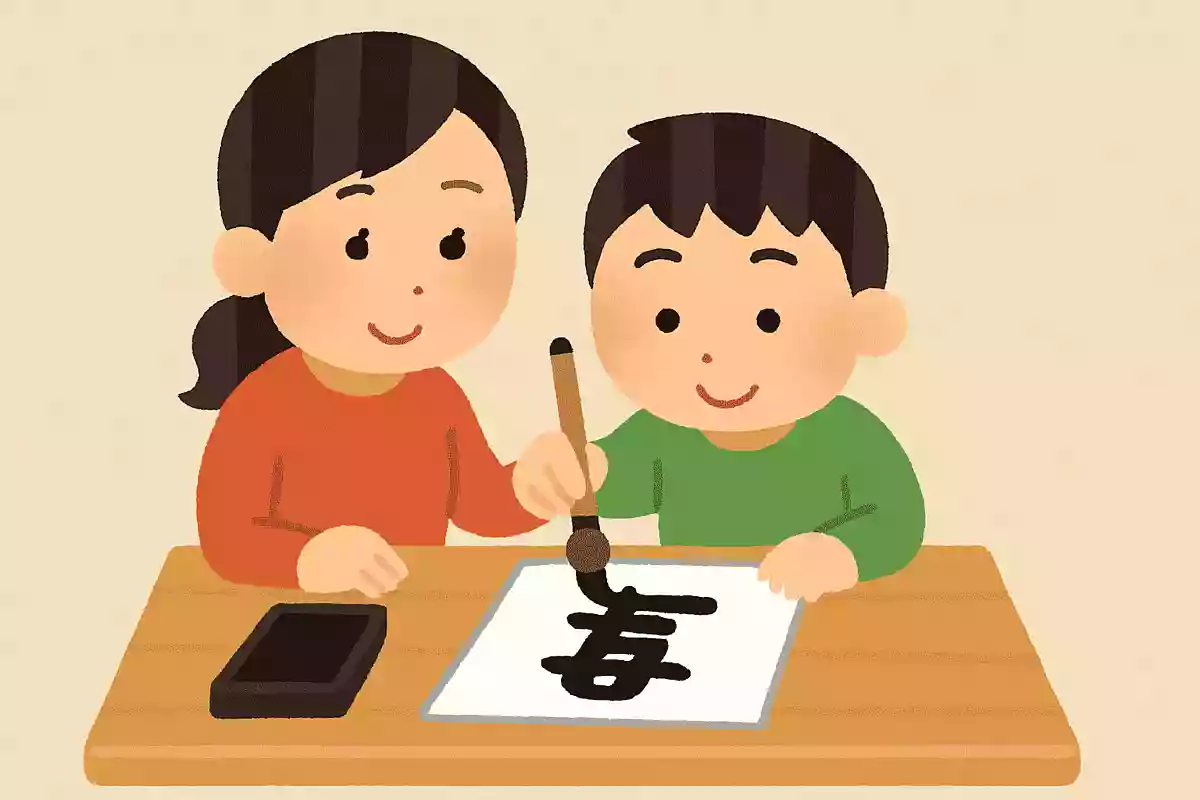
- first calligraphy of the year
- haiku
- New Year’s card
See the answer
first calligraphy of the year
Kakizome is a New Year’s tradition of writing calligraphy or drawing with a brush for the first time in the year, usually held on January 2. By writing your resolutions or goals for the year, you express your determination for the year ahead. How about trying kakizome together as a parent and child?

Speaking of New Year’s Eve, it’s soba, but which type of noodles is good to eat on New Year’s Day?
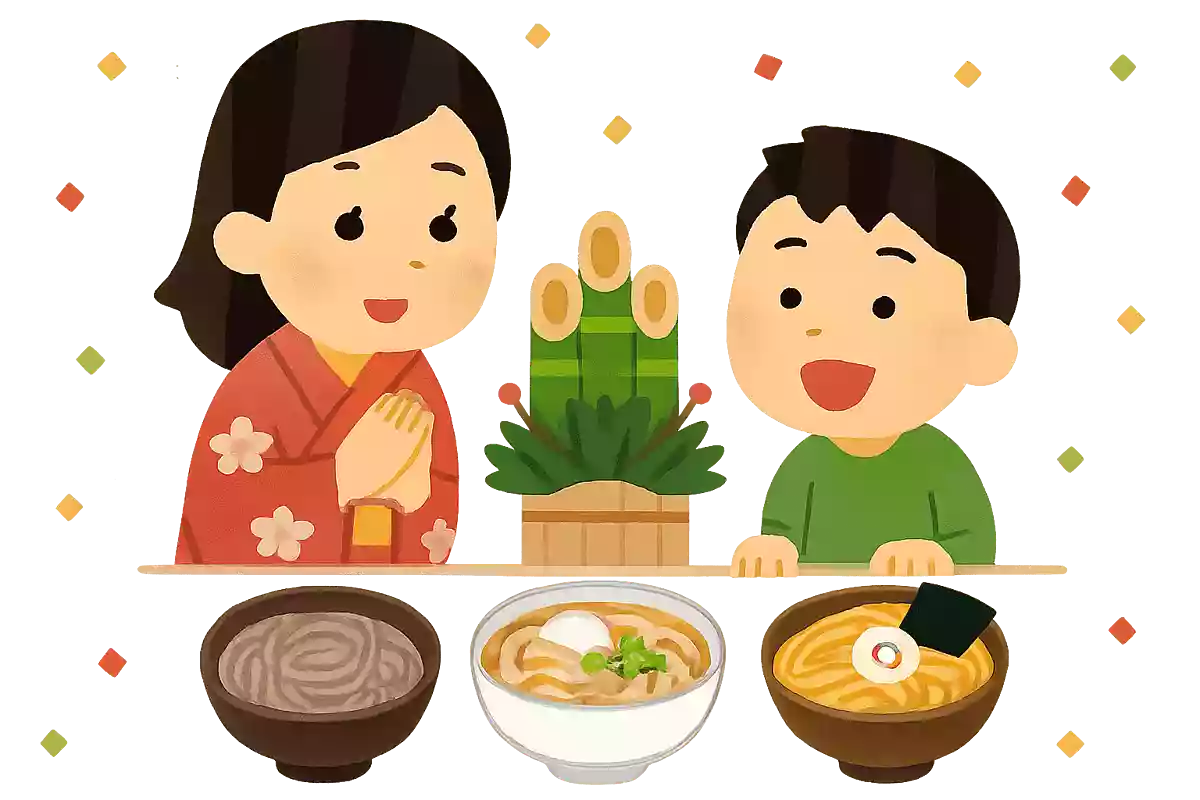
- udon
- ramen
- somen (thin Japanese wheat noodles)
See the answer
udon
It’s said that a good food to eat at New Year’s is udon. While it isn’t a traditional New Year’s dish, udon has long been considered an auspicious food that symbolizes longevity because the noodles are thick and long. In recent years, starting the year by eating “toshiake udon” (New Year’s udon) has been spreading. How about enjoying some udon with your family this New Year?
When is the era in which Fukuwarai is said to have been born?
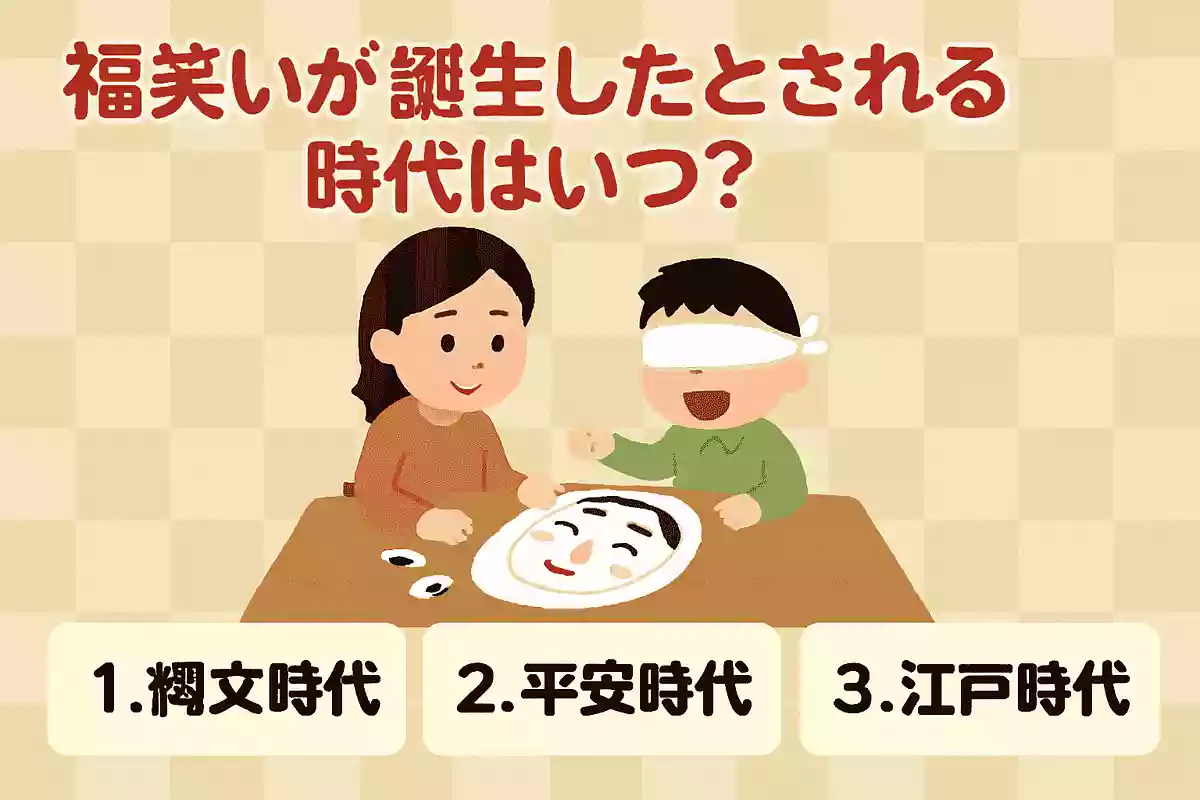
- Nara period
- Heian period
- Edo period
See the answer
Edo period
Fukuwarai is said to have started in Japan during the Edo period. That said, it seems it didn’t really take root as a staple New Year’s game until the Meiji era. Why not try playing it with your child while imagining how people in Japan enjoyed it back then?
What is the origin of the word ‘karuta,’ a game that parents and children can enjoy together?
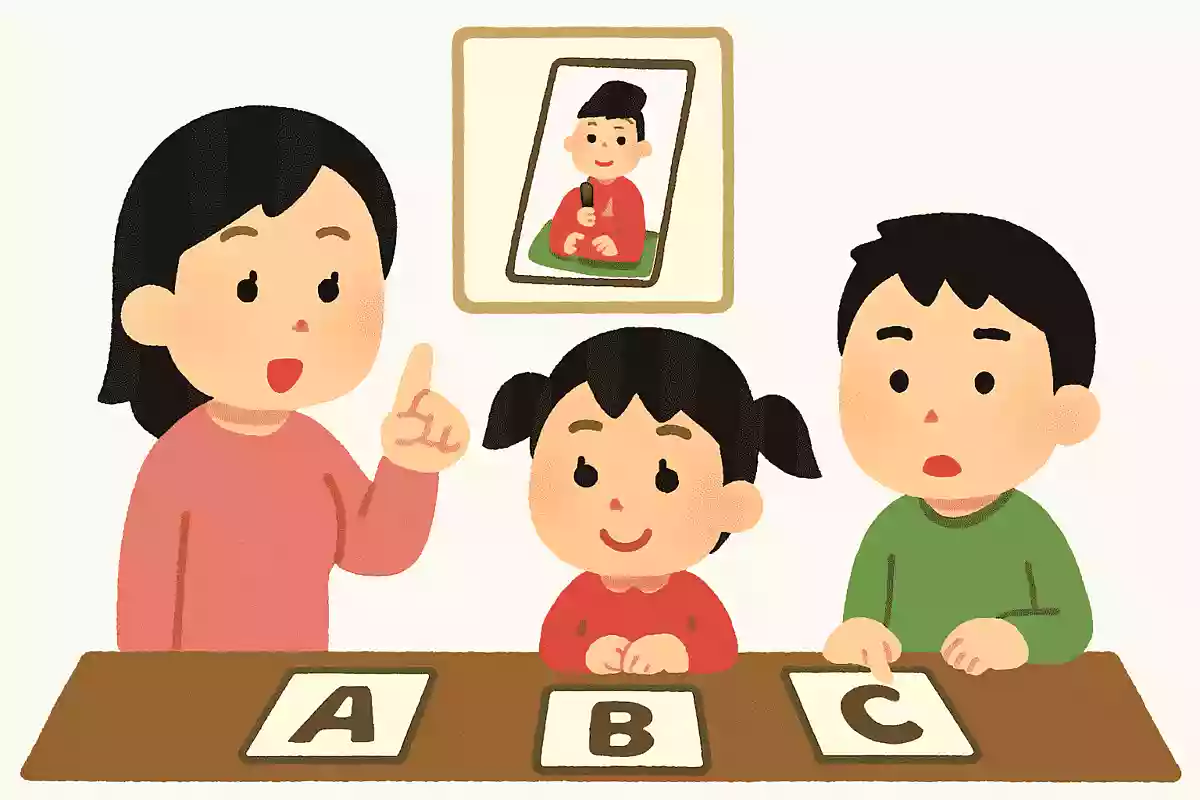
- Latin
- Portuguese
- French
See the answer
Portuguese
The word karuta comes from the Portuguese carta, which means card or paper. It originated from the card games brought by the Portuguese at the time. It’s a little-known fun fact, so be sure to share it with your friends!
How many times is the New Year’s Eve bell struck?
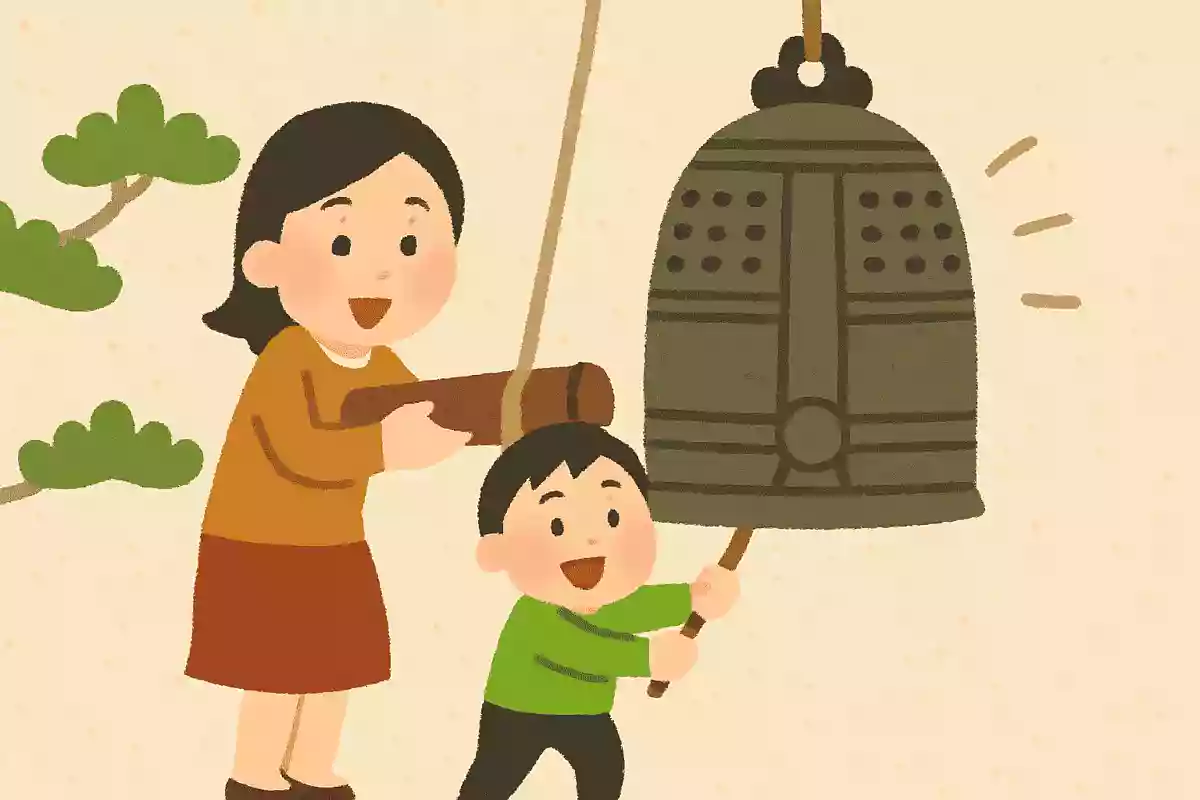
- 108 times
- 100 times
- 88 times
See the answer
108 times
The New Year’s Eve bell is struck 108 times. This number is based on the count of human earthly desires, or defilements, in Buddhism. These defilements refer to mental impulses that trouble the human mind, such as desire and anger. By striking the bell 108 times, each defilement is symbolically removed, expressing the intention to welcome the New Year with a pure heart.