

[For Seniors] Nostalgic quizzes that bring back memories! Showa-era entertainment and sports questions


It’s fun to look back on the past, isn’t it? Thinking about nostalgic topics—like entertainment, sports, and pop culture—can bring back memories and make our hearts skip with excitement.
How about we revisit those moments together through a quiz? Let’s enjoy a good time reminiscing about things that are commonplace now, or those that have changed with the times, and let the conversation blossom with memories.
I can almost hear everyone saying, “Oh yeah, I remember that!”
- [For Seniors] Laugh-Out-Loud, Crowd-Pleasing! Fun Quiz
- [For Seniors] Recommended for Brain Training! Nostalgic Showa-Era Quiz
- [For Seniors] Nostalgic! Showa-Era Quizzes Recommended for Reminiscence Therapy
- [For Seniors] Trivia Multiple-Choice Quiz
- [For Seniors] Fun and Informative! Health Trivia Quiz
- [Brain Training] Lively Word Quiz for Seniors
- [For Seniors] Who Am I? Quiz: A Fun Set of Questions with Exciting Hints
- [For Seniors] Brain Training! Recall Quiz Collection!
- [For Seniors] Have Fun with Wordplay Characters! A Collection of Funny Puzzles
- [For Seniors] Lively two-choice trivia quiz. Handy to know and tidbits you'll want to share with others
- [For Seniors] Fun! Let’s Get Excited with Japan’s Number One Quiz
- [For Seniors] Sports Trivia Quiz & Fun Facts. Easy and Entertaining
- [For Seniors] Liven Things Up! 3-Choice Ranking Quiz
History and Current Affairs (1–10)
What were the shacks called where people who lost their homes in air raids lived temporarily after the war?
Japan is now a peaceful country, but it once experienced a major war.
After the war, some people who lost their homes in air raids lived in shacks known as barracks.
Without electricity, gas, or running water, they endured very inconvenient living conditions.
The original meaning of “barracks” is accommodations for stationed troops.
From there, the term came to refer to makeshift huts or simple, temporary buildings.
Around Osaka Station, barrack-lined streets remained until about 22 years after the war.

The first Winter Olympics held in Asia took place in 1972. Which city in Hokkaido hosted it?
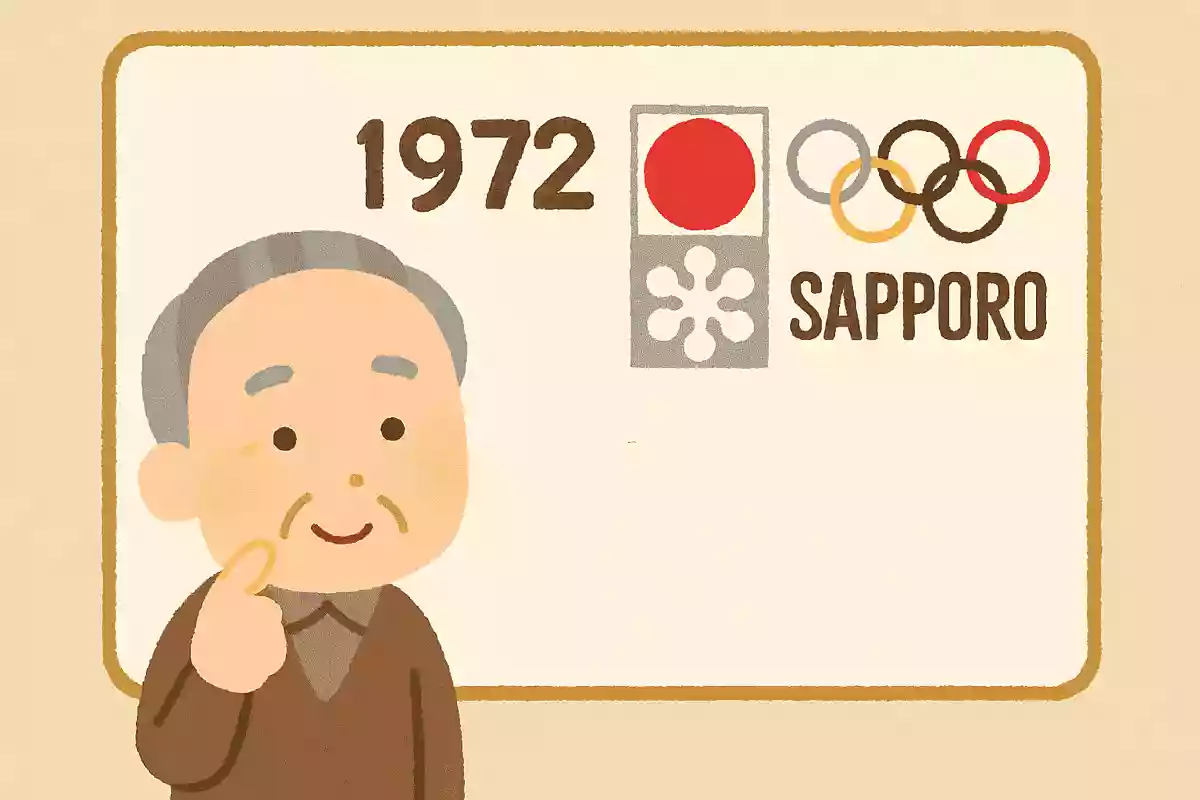
Speaking of Sapporo, there are many famous things like the Clock Tower, the Snow Festival, and ramen.
Among destinations in Hokkaido, it likely attracts a relatively large number of tourists.
Moreover, Sapporo hosted Asia’s first Winter Olympics in 1972.
It’s said that this was made possible because, from the Meiji through the Showa eras, skiing and skating had taken root among citizens as winter sports.
In fact, the Winter Olympics were supposed to be held even earlier than 1972.
Sapporo had been selected to host the 5th Winter Olympics in 1940, but the government returned the hosting rights due to the intensification of the Second Sino-Japanese War.
What percentage was the consumption tax during the Showa era?
It sounds like a trick question, but it’s about the consumption tax in the Showa era.
Although the consumption tax has been increasing year by year, in fact, there was no consumption tax during the Showa period.
So the answer to this quiz is that the consumption tax had not yet been introduced.
Japan first introduced the consumption tax on April 1, 1989, the first year of the Heisei era.
At the time of introduction it was 3 percent, and it was later raised to 5 percent, 8 percent, and then 10 percent.
Today, the consumption tax is taken for granted, but when it was introduced there was strong public backlash, and it is said that protest movements also occurred.
How much was 1 US dollar in Japanese yen from 1949 (Showa 24) to 1971 (Showa 46)?
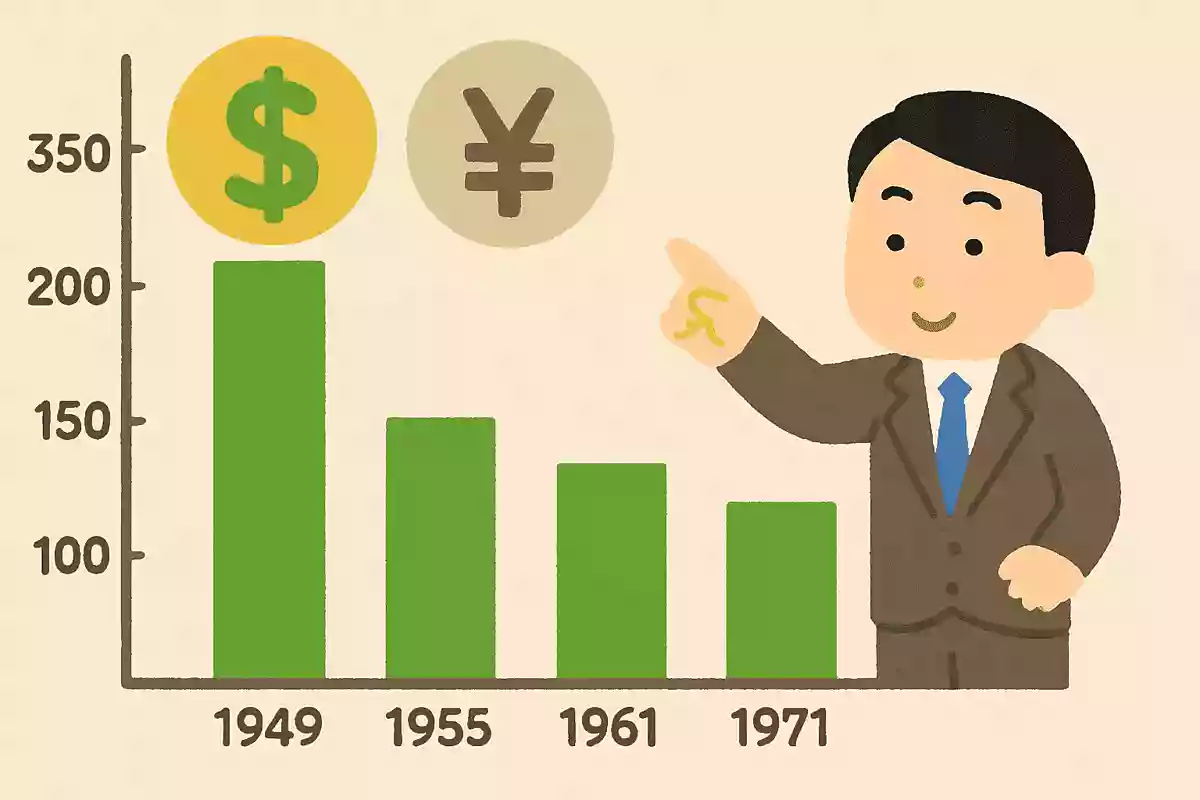
From 1949 (Showa 24) to 1971 (Showa 46), the value of one US dollar against the Japanese yen was fixed.
So what was that value? The hint lies in Japan’s postwar trajectory: considering that the country rebuilt itself through exports, you can probably estimate the rough figure.
The answer is 360 yen.
If you then look at how the exchange rate changed from there, you’ll get a sense of Japan’s growth—highly recommended.
It’s a complex topic, but it’s also worth learning what kinds of phenomena occur when the dollar’s value shifts.

History and Current Affairs (11–20)
In what year of the Showa era was the Tokyo Olympics, the first held in Asia, held?
The Tokyo Olympics, held in 1964 (Showa 39), saw Japanese athletes achieve great success.
It was also the first Olympics ever held in Asia.
Yoshinori Sakai, who was a track and field athlete at the time, served as the final torchbearer.
Although Sakai had been considered a candidate for Japan’s Olympic team, he was ultimately not selected.
He was chosen as the final torchbearer because he was born on August 6, 1945, the day the atomic bomb was dropped on Hiroshima.
His role embodied a tribute to the victims of the atomic bombing and a wish for world peace.