

Masterpieces by Franz Schubert: Sparkling classical works left by the King of Song. Recommended classical music.


Franz Schubert, the Austrian composer hailed as the “King of Song” for leaving behind more than 600 lieder, including masterpieces such as Erlkönig and Ave Maria.
Schubert is known not only for his many celebrated songs, but also for his wide-ranging output in solo piano works, symphonies, and chamber music.
In this article, we’ve handpicked Schubert’s most popular pieces as well as hidden gems beloved by devoted classical-music aficionados.
We present a selection of sparkling works infused with the spirit of a musician who composed throughout his life.
- Robert Schumann | Introduction to his famous and representative works
- [Masterpiece Classics] A special showcase of gem-like masterpieces so beautiful they’ll move you to tears
- A poignant classic masterpiece. Recommended classical music.
- Cool classical masterpieces. Recommended classical music.
- Pick up Beethoven’s famous and representative works!
- Mendelssohn’s Masterpieces | Popular Classical Music
- Johann Strauss II | Introducing Famous and Classic Pieces
- Masterpieces by Gustav Mahler. Popular classical music.
- Mozart: An Introduction to His Signature and Popular Works
- A masterpiece by Franz Liszt. Popular classical music.
- Masterpieces of the Romantic Era: A sweeping introduction to soul-stirring, celebrated gems!
- Classical Masterpieces: Recommended Works You Should Hear at Least Once
- Carl Maria von Weber Popular Song Rankings [2026]
Masterpieces by Franz Schubert: Exquisite classical works left by the King of Song. Recommended classical music (111–120)
Demon KingFranz Schubert

A song composed by Franz Schubert when he was 18.
It is said he was so moved by Goethe’s poem that he completed it in a single night.
The piece depicts a father fleeing from the Erlking while galloping through the night on horseback, clutching his ailing son.
The piano’s repeated notes evoke the horse’s gallop and the parent and child’s anxiety and urgency, brilliantly expressing the Erlking’s seductive enticements, the father’s desperation, and the boy’s terror.
First performed in 1821, it has since been performed continually by many singers and pianists.
Its unique blend of fear and poignancy makes it perfect for Halloween.
Franz Schubert’s Masterpieces: Sparkling Classical Works Left by the King of Song. Recommended Classical Music (121–130)
Demon King (Easy Piano Version)Franz Schubert

From its gentle melody to the tragic story hidden beneath, this piece captivates listeners.
Composed by Franz Schubert at the age of 18, it portrays the love between father and son and the inevitability of death.
The piano accompaniment evokes the sound of a horse’s hooves, heightening the tension of the narrative.
Although it is challenging to sing all four distinct roles alone, beginners can still give it a try with a simplified piano version.
Some of you may have even been moved after playing excerpts of the piano score printed in your textbooks.
It’s recommended for those interested in classical music or who enjoy pieces with strong storytelling.
Through this work, why not experience Schubert’s genius for yourself?
troutFranz Schubert
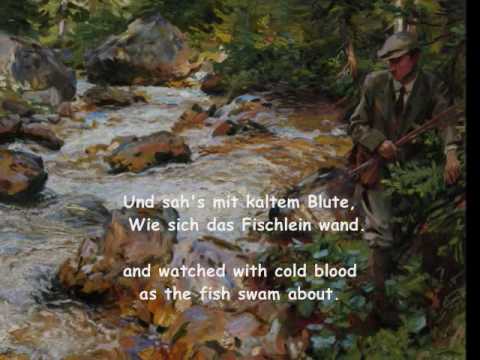
It is included in the renowned song collection by Fischer-Dieskau and Gerald Moore.
He composed a wide range of works from symphonies to piano pieces, but he stood out especially in German Lieder, and due to the exceptional quality and volume of his output, he is known as the “King of German Song.”
Schubert’s Lullaby (from “I Can Play the Piano! Junior 3”)Franz Schubert


“Piano Hikeruyo! Junior: Play More and More with Songs You Know” features famous pieces everyone has heard at least once, included just as they are as practice pieces.
Across its three volumes, it’s packed with classics like Franz Schubert’s Lullaby, Bumblebee, and Mary Had a Little Lamb.
In addition to the main text, there are also a workbook, a repertoire collection, and technique materials, making it easy to use as a complete series.
It’s the perfect text for children who want to enjoy playing the piano with songs they already know!

SerenadeFranz Schubert

This celebrated piece known as “Serenade” is a famous work by the Austrian-born genius composer Franz Schubert.
It is the fourth song in Schubert’s posthumous collection Schwanengesang, which comprises 14 lieder set to poems by three poets, and it is among his most renowned works.
The lyrics, expressing a heartfelt longing for a lover, are intensely passionate and romantic, and the beautiful melody that matches them is likely one you’ve heard at least once.
There is also a solo piano arrangement by the prominent Hungarian composer Franz Liszt, and this version, too, has remained popular to the present day.
The piece is often chosen for omnibus CDs for ballroom dancing, so if you’re drawn to dancing to the graceful melodies characteristic of classical music, why not give it a try?

Impromptu in E-flat major, Op. 90 No. 2Franz Schubert


Schubert’s Four Impromptus, Op.
90, are works from his final years.
The second piece, Op.
90 No.
2, is especially popular and often performed at piano recitals and competitions.
The right hand’s wave-like triplets feel almost like a Czerny-style étude! It demands fundamental techniques such as precise finger control and relaxed arm movement.
While it is musically beautiful, it is also packed with elements essential for developing as a pianist.
If you’re looking to step up and tackle advanced, challenging repertoire, be sure to give this piece a try as part of that journey!
Military MarchFranz Schubert

Composed by Schubert in 1818 for piano four hands, this piece might actually be better known in its orchestral version.
Written in ternary form, it’s notable for its bold main theme accompanied by a fanfare-like motif.
Among Schubert’s works, you could say this one is quite bright and upbeat.
