

[For Seniors] Spring-themed quizzes: Fun trivia questions that help prevent dementia while you solve them


When you feel the arrival of spring, conversations naturally blossom with seasonal topics like flowers, wildlife, and food.
We’ve put together a collection of quizzes all about the warm spring season.
From flower names and famous cherry blossom spots to spring-only vegetables and traditional Japanese sweets, there’s a wide variety of questions—perfect for recreation and brain training for seniors.
Why not solve the quizzes together while enjoying conversation with those around you? Through spring-themed quizzes, you might discover something new even in familiar scenery.
Feel free to give them a try!
- [For Seniors] Fun and Lively! Recommended Quiz Questions
- [For Seniors] Hina Matsuri (Girls’ Day) Trivia Quiz & Fun Facts. Recommended for Dementia Prevention Activities
- [Brain Training] Lively Word Quiz for Seniors
- [For Seniors] Spring Haiku. Spring Activity
- [For Seniors] Nostalgic quizzes that bring back memories! Showa-era entertainment and sports questions
- [For Seniors] Never Run Out of Conversation Starters! A Collection of Fun Facts About April and Spring
- Spring Event Quiz for Seniors to Enjoy in March
- [For Seniors] Brain Training! Recall Quiz Collection!
- [For Seniors] Fun and Educational True-or-False Quiz
- [For Seniors] Introducing March Trivia!
- [For Seniors] Quizzes related to April. Perfect for brain training.
- [For Seniors] Haiku for March: Enjoying a Spring Moment with Famous Verses
- [For seniors] April haiku. Exciting
[For Seniors] Spring-Themed Quiz: Fun Trivia Questions That Also Help Prevent Dementia (51–60)
China is the birthplace of tea, but for what purpose was it originally consumed?
Many people may know that tea, which we strongly associate with an essential drink in daily life, originated in China.
However, when tea was first discovered and consumed in China, it was used differently than it is today.
The idea came from extracting the components of dried plants with hot water, and if you think of it as something that uses that method but is not tea, it becomes easier to understand.
The answer is “medicine.” In traditional Chinese medicine, there are preparations that extract components in much the same way as tea.
There is also a well-known anecdote that tea was discovered while people were searching for medicinal herbs and trees.

Snow peas are in season in May, but what do the peas inside become when they grow?
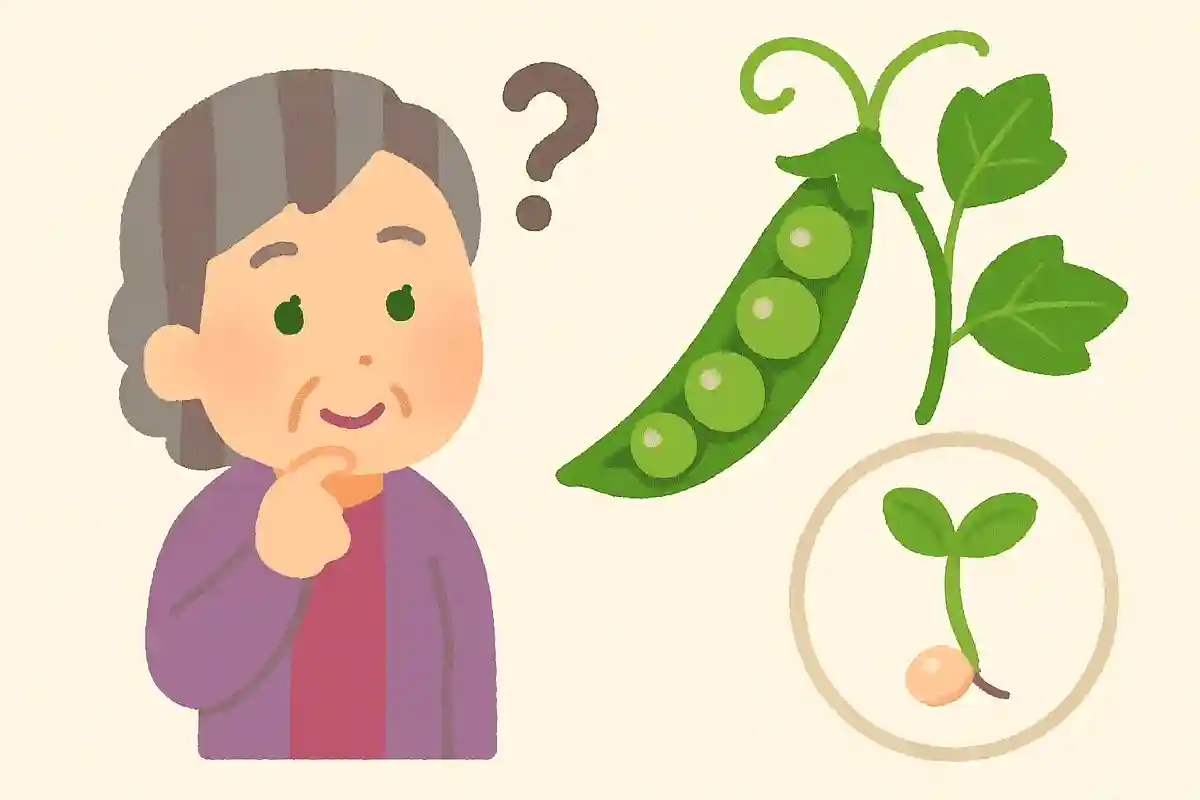
The foods that taste good change with the seasons, and in May, snow peas are one of the representative seasonal treats.
The peas inside snow peas get a different name as they mature—what are they called? We often think of eating the whole pod, but the main part is still the pea itself, so if you picture the peas you see in the store, you might figure it out.
The answer is green peas.
This name refers to the stage when the peas are larger than in the snow pea stage but still tender.
As they mature further, they’re called red peas or white peas, so “green peas” is a term used only for a limited period.
Who is the protagonist of the old folktale that became the motif for the May dolls?
Children’s Day is one of the holidays that arrives in May; we display carp streamers and samurai dolls while wishing for children’s growth.
So, what are the motifs behind those samurai dolls, the iconic decorations of Children’s Day? Here’s a big hint: it comes from a folktale.
Let’s think of something that fits the strong, powerful image of these dolls.
The answer is Kintaro.
His story—living energetically alongside animals—made him a symbol of health, and from there, the dolls came to be used as a way to pray for children’s well-being.
When is it considered best to avoid putting out the May dolls?
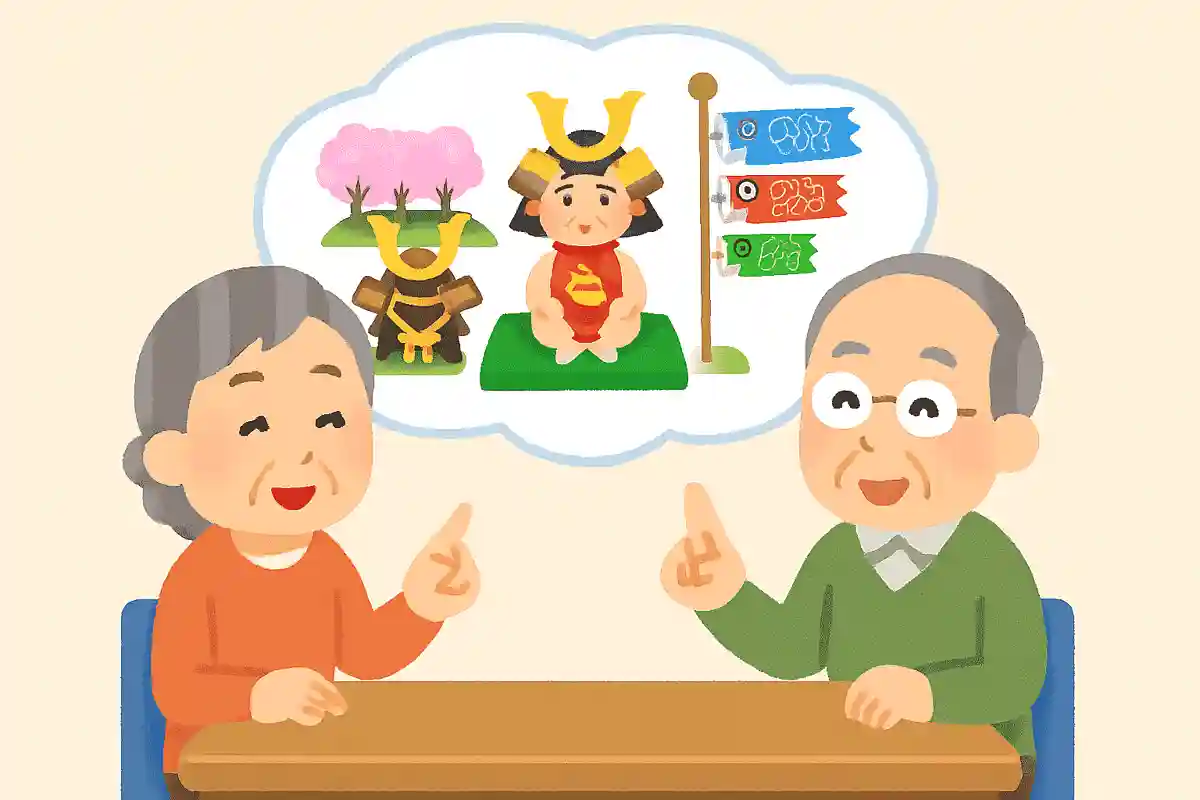
Gogatsu-ningyo, the traditional decorations for Children’s Day, are imbued with the wish for children to grow up healthy.
So, when is the time you should avoid putting them out? The hint lies in Japan’s notions of bad luck—especially those inescapable unlucky observances and how they’re scheduled.
The answer is the day before Children’s Day.
Hastily preparing everything at the last minute evokes a funeral, which is considered inauspicious, so it’s best to display them before then.
It’s also avoided because rushing suggests a lack of sincerity toward the Gogatsu-ningyo.
Japan’s three most famous teas are Uji tea, Sayama tea, and what is the third tea?
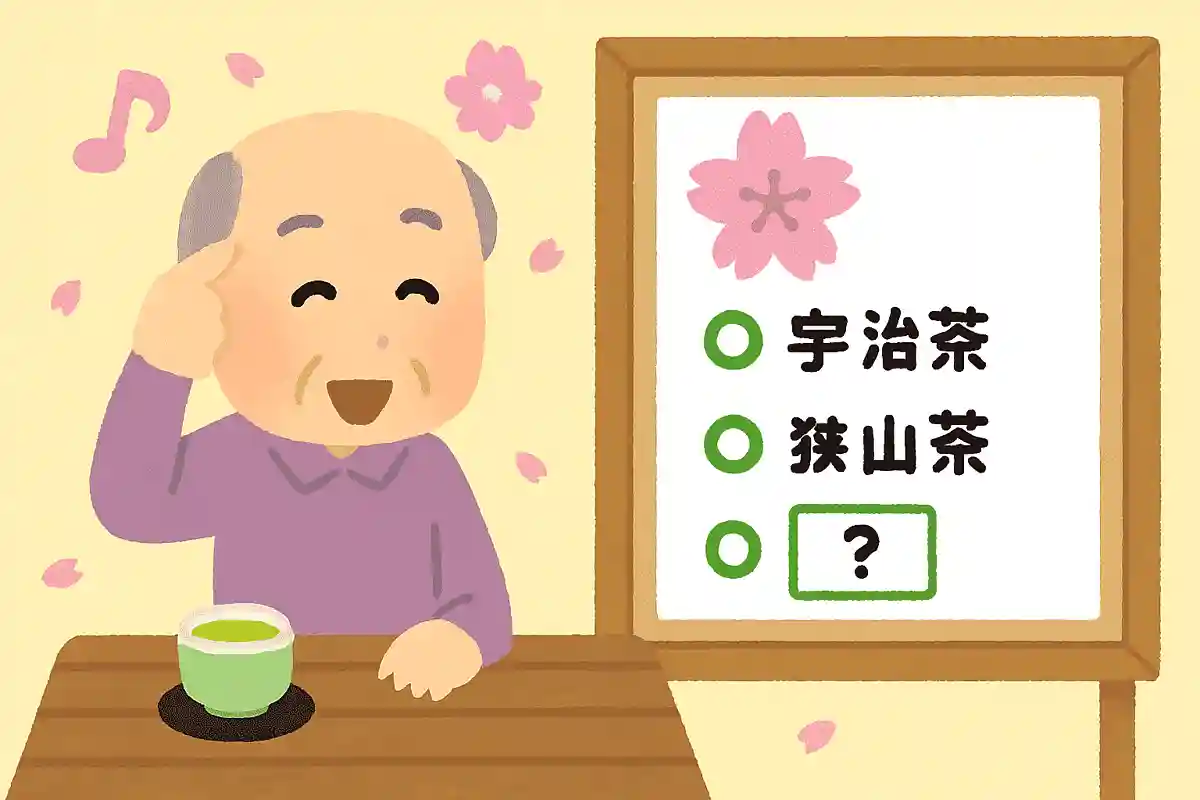
Tea is cherished throughout Japan, and there are regions renowned as production areas.
Among teas produced in these famed regions, the three most celebrated are known as the “Three Great Teas”: Uji tea, Sayama tea, and—what is the third one? Since these are teas from the three major production regions, you might figure it out just by thinking of a place strongly associated with tea.
The answer is Shizuoka tea from Shizuoka Prefecture.
As the tea-plucking song passes down: “In color, Shizuoka; in aroma, Uji; and in taste, Sayama.” It’s a historic tea, also known for being a favorite of Tokugawa Ieyasu.