

[For Seniors] Spring-themed quizzes: Fun trivia questions that help prevent dementia while you solve them


When you feel the arrival of spring, conversations naturally blossom with seasonal topics like flowers, wildlife, and food.
We’ve put together a collection of quizzes all about the warm spring season.
From flower names and famous cherry blossom spots to spring-only vegetables and traditional Japanese sweets, there’s a wide variety of questions—perfect for recreation and brain training for seniors.
Why not solve the quizzes together while enjoying conversation with those around you? Through spring-themed quizzes, you might discover something new even in familiar scenery.
Feel free to give them a try!
- [For Seniors] Fun and Lively! Recommended Quiz Questions
- [For Seniors] Hina Matsuri (Girls’ Day) Trivia Quiz & Fun Facts. Recommended for Dementia Prevention Activities
- [Brain Training] Lively Word Quiz for Seniors
- [For Seniors] Spring Haiku. Spring Activity
- [For Seniors] Nostalgic quizzes that bring back memories! Showa-era entertainment and sports questions
- [For Seniors] Never Run Out of Conversation Starters! A Collection of Fun Facts About April and Spring
- Spring Event Quiz for Seniors to Enjoy in March
- [For Seniors] Brain Training! Recall Quiz Collection!
- [For Seniors] Fun and Educational True-or-False Quiz
- [For Seniors] Introducing March Trivia!
- [For Seniors] Quizzes related to April. Perfect for brain training.
- [For Seniors] Haiku for March: Enjoying a Spring Moment with Famous Verses
- [For seniors] April haiku. Exciting
[For Seniors] Spring-Themed Quiz: Fun Trivia Questions That Also Help Prevent Dementia (51–60)
Are strawberries vegetables or fruits, which are they?
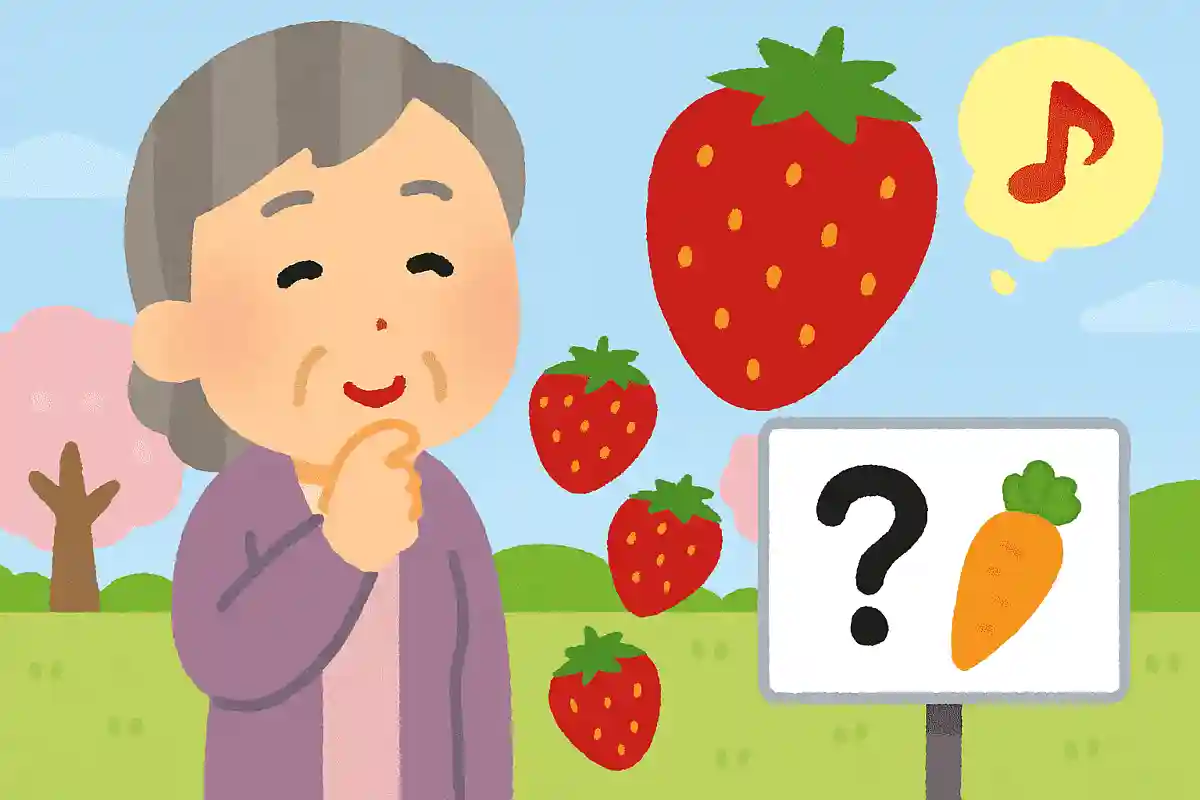
When I was a kid, every summer there was that rumor going around like “watermelon isn’t a fruit, it’s a vegetable.” Looking back, it’s kind of cute and charming how it came up year after year.
Come to think of it, strawberries are also classified as vegetables by Japan’s Ministry of Agriculture, Forestry and Fisheries.
It feels odd to call something that sweet and delicious a vegetable, doesn’t it? Surprisingly, bananas and pineapples are also categorized as vegetables.
That said, these are nowadays sometimes referred to as “fruit-type vegetables,” and are treated a bit differently from ordinary vegetables.
If it’s a sweet, tasty fruit, I just want to call them all fruit already.
What is hina-arare crushed from to make it?
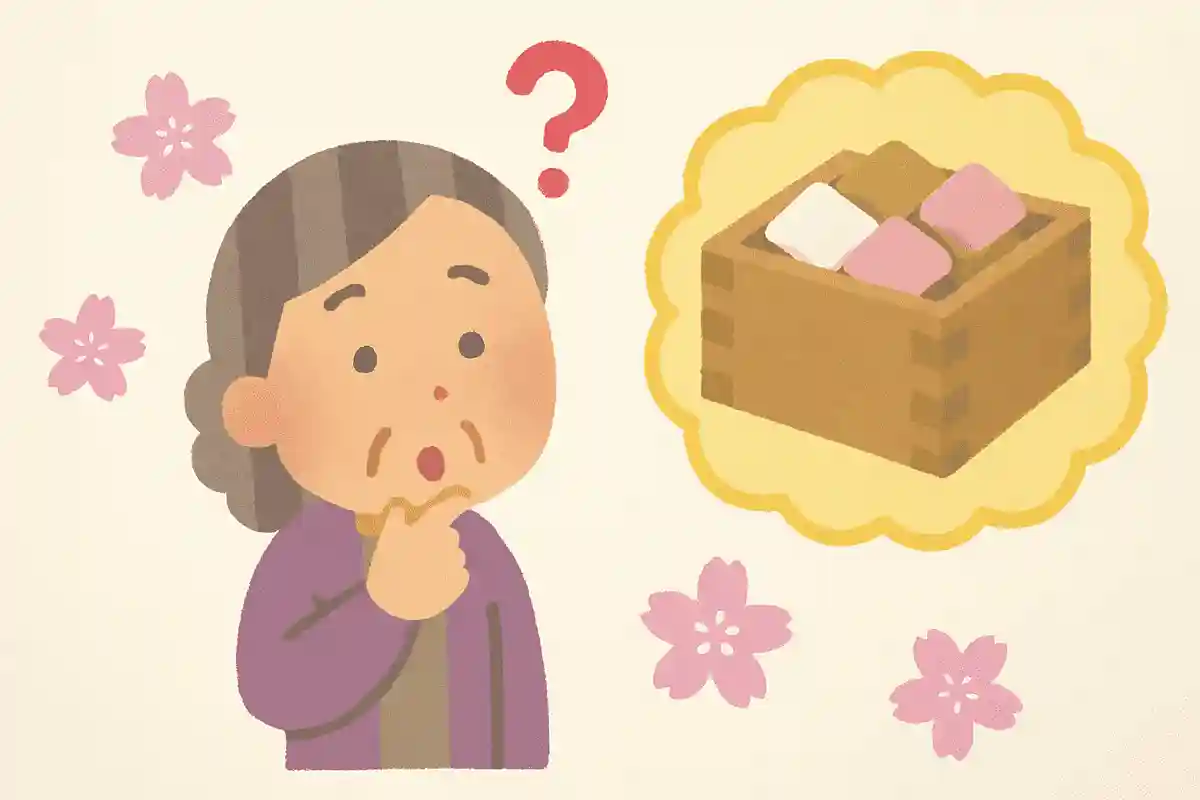
In March, during the Peach Festival (Hinamatsuri), many places likely display Hina dolls and hold events.
For Hinamatsuri, the dolls are sometimes displayed together with hina-arare (sweet rice puffs) and hishi-mochi (diamond-shaped rice cakes).
There are various reasons for displaying them together, but a prominent theory says that hina-arare originated from crushing hishi-mochi.
This is closely connected to an Edo-period custom called hina no kunimise.
In hina no kunimise, people would take the Hina dolls outdoors—to fields, hills, or riverbanks—and enjoy the spring scenery with them.
They are said to have brought along crushed hishi-mochi at that time, which became the origin of hina-arare.
Indeed, the colors of hishi-mochi and hina-arare are similar, aren’t they?

What was asparagus originally used for?
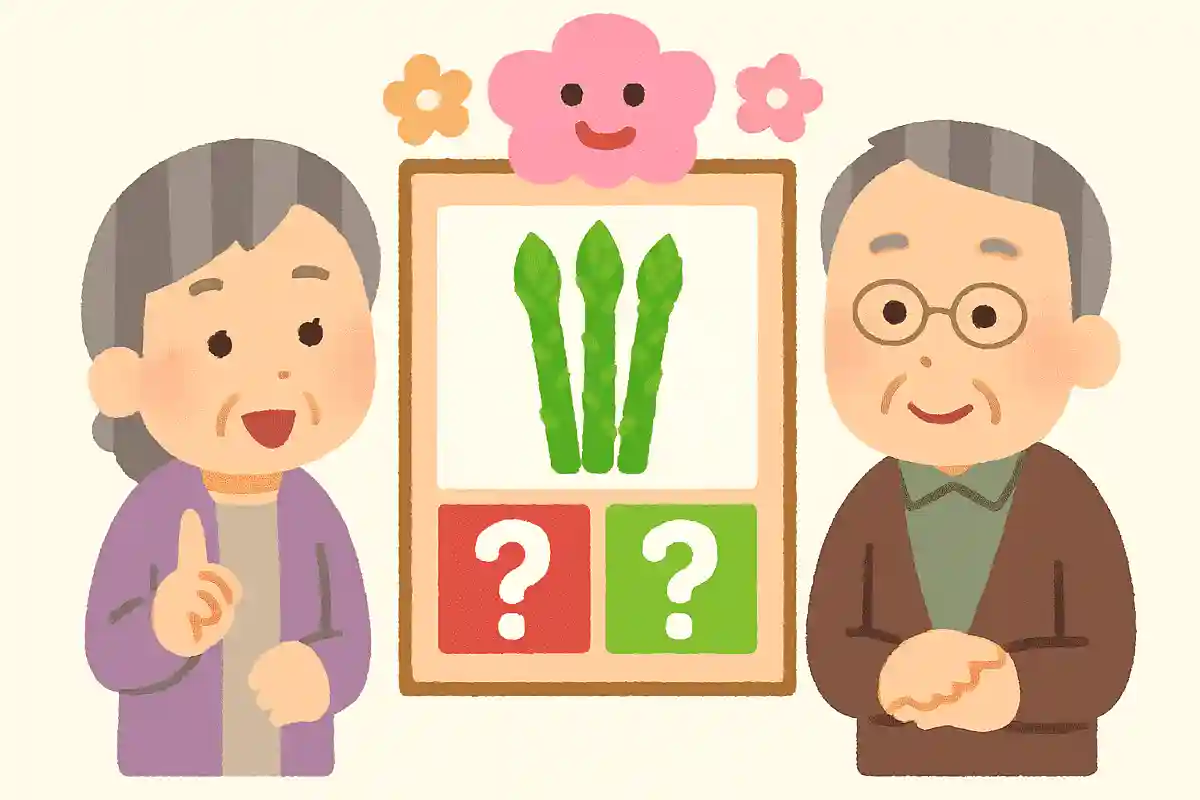
Asparagus has a shape that’s a bit different from other vegetables.
I’ve heard it takes at least three years from sowing the seeds to harvest.
I’ve tried growing it several times myself, but never made it to harvest… If managed properly, you can keep harvesting for about ten years.
Interestingly, asparagus was originally imported as an ornamental plant rather than for eating, and only later became a food.
The curiosity of the person who looked at that plant shaped like a horsetail and thought, “Maybe I’ll try eating it,” is pretty incredible, isn’t it?
When is April Fools’ Day?
- March 31
- April 1
- April 2
See the answer
April 1
April Fools’ Day is an event held every year on April 1 when people are allowed to enjoy jokes. By the way, did you know there’s a set time when it’s okay to tell lies? According to the rules of April Fools’ Day, it’s said that you can tell lies only until noon.

How do you read the surname “四月一日”?
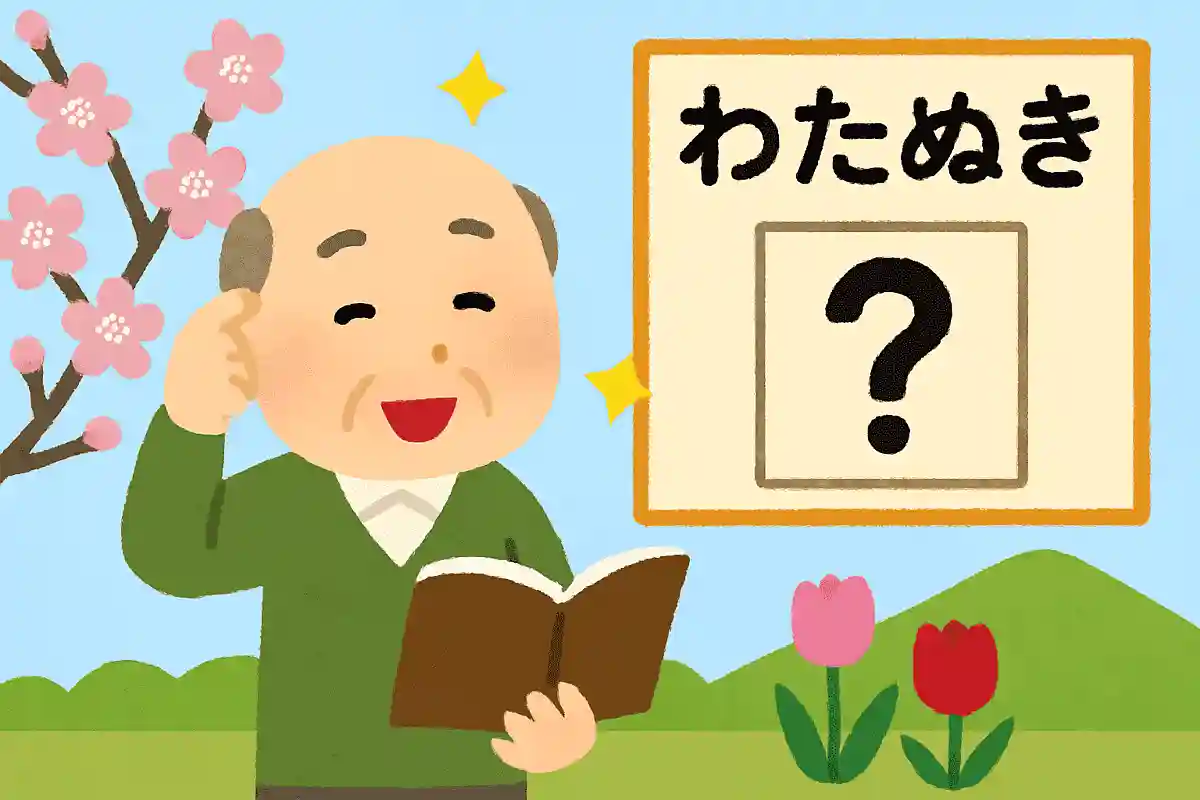
When April comes, we often get a spell of pleasantly warm weather, don’t we? So here are some fun facts related to the springtime mood.
There are people whose surname is written with the characters for “April 1” (四月一日) and read as Watanuki.
It’s an unusual surname, but it has an origin that’s very fitting for April.
As it gets warmer in April, people used to switch from winter kimono padded with cotton to ones with the cotton removed.
Because the cotton (wata) was taken out (nuku) on April 1, the name became Watanuki.
Japan has many other rare surnames as well.
It might be fun to look for them together with older people.